
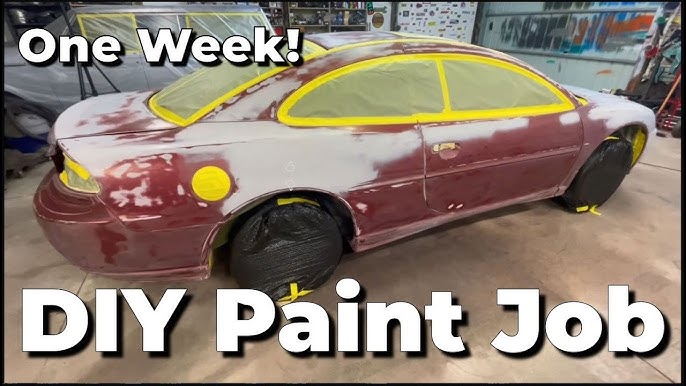
Imagine transforming your car’s appearance with just a few simple steps, all from the comfort of your own garage. Yes, painting your vehicle at home is entirely possible, and it doesn’t have to be daunting.
Perhaps you’ve noticed a few scratches or maybe you just want to breathe new life into your car with a fresh coat of paint. Either way, taking on this project yourself can save you money and offer a rewarding sense of accomplishment.
In this guide, you’ll discover the secrets to achieving a professional-looking finish without the hefty price tag. We’ll walk you through each step, ensuring you avoid common pitfalls and keep your car looking its best. Are you ready to unleash your inner artist and revamp your ride? Let’s dive in and see how you can master the art of vehicle painting right at home.
Essential Tools And Materials
Painting your vehicle at home can be a rewarding experience, transforming it into a personalized masterpiece. However, before diving into this creative endeavor, it’s crucial to gather the essential tools and materials. Whether you’re a seasoned DIY enthusiast or a curious beginner, having the right equipment, paints, and safety gear will make all the difference.
Necessary Equipment
- Spray Gun:Invest in a quality spray gun for a smooth and even application. Look for adjustable settings to control the paint flow.
- Compressor:A reliable compressor ensures your spray gun operates effectively, maintaining consistent pressure.
- Sandpaper and Sanding Block:These are key for prepping the vehicle’s surface, ensuring the paint adheres properly.
- Masking Tape and Plastic Sheeting:Protect areas you don’t want painted. Masking tape helps with precise lines.
- Paint Mixing Cups and Stir Sticks:Accurate mixing guarantees the right color and consistency.
Types Of Paints
Choosing the right paint is crucial for achieving the desired finish. Consider the following options:
- Acrylic Enamel:Known for durability and ease of application, it’s perfect for beginners. It provides a glossy finish.
- Urethane Paint:Offers superior protection against UV rays and weather conditions. It’s ideal for long-lasting shine.
- Basecoat/Clearcoat System:Provides a professional-grade finish. The basecoat gives color, while the clearcoat adds gloss and protection.
Safety Gear
Safety should never be an afterthought. Protect yourself with these essential items:
- Respirator Mask:Paint fumes can be harmful. A respirator mask filters out toxic substances.
- Gloves:Protect your hands from chemicals and keep your skin free of paint stains.
- Protective Eyewear:Shield your eyes from paint splashes and dust during sanding.
- Coveralls:Wear disposable coveralls to keep your clothes clean and minimize skin exposure.
Are you ready to start painting your vehicle? With the right tools and materials, you’re just a few steps away from transforming your car into a stunning reflection of your style. What color will you choose to make your vehicle stand out?

Credit: www.freepik.com
Preparing The Work Space
Creating a clean and organized workspace is crucial before painting a vehicle at home. Ensure proper ventilation and ample lighting to avoid mistakes. Clear the area of unnecessary items to prevent dust and debris from affecting the paint job.
Preparing the workspace is crucial for painting a vehicle at home. A well-organized space ensures better results and safety. Focus on creating an area that is clean and functional. This section will guide you through choosing the right location, setting up ventilation, and organizing your tools.Choosing The Right Location
Select a dry, spacious area away from wind. A garage or a covered patio works well. Ensure the spot has enough room to move around the vehicle. The surface should be flat to prevent accidents. Avoid areas prone to dust or dirt. This keeps the paint job clean and smooth.Setting Up Ventilation
Proper ventilation is essential for safety. Paint fumes can be harmful. Place fans to circulate air. Open doors and windows for natural airflow. Consider using exhaust fans to remove fumes. Ensure the ventilation system is effective but not too strong. This prevents dust from entering.Organizing Your Tools
Keep all tools within reach. Arrange items like sandpaper, paint sprayers, and masking tape neatly. Use shelves or pegboards for easy access. Label containers to avoid confusion. Organize tools by usage frequency. This saves time and reduces stress during painting. A tidy workspace boosts efficiency and focus.Surface Preparation
Proper surface preparation is crucial for painting a vehicle at home. Begin by cleaning the car thoroughly to remove dirt and grease. Sand the surface to create a smooth finish and ensure the paint adheres well.
Preparing the surface of your vehicle is the cornerstone of a successful home paint job. A well-prepared surface ensures that the paint adheres smoothly, looks professional, and lasts for years. Skipping or rushing through this step could lead to peeling, bubbling, or uneven color. So, how do you achieve that flawless finish? Let’s dive into the details of surface preparation.Cleaning The Vehicle
Begin with a thorough wash using a high-quality automotive cleaner. Remove dirt, grease, and wax, which can hinder paint adhesion. Pay special attention to the nooks and crannies, as residue can hide there. A clay bar can help remove stubborn contaminants. After washing, rinse thoroughly and allow the vehicle to dry completely. A clean, dry surface is a blank canvas ready for transformation.Sanding Techniques
Sanding is the next critical step in preparing your vehicle’s surface. Use fine-grit sandpaper to remove the existing paint or any imperfections. Sand in a circular motion to avoid creating scratches or grooves. This will give the new paint a smooth surface to bond with. If you find any rust spots, sand them down to bare metal. Then, apply a rust-inhibiting primer to prevent future corrosion.Applying Primer
Applying primer creates a uniform base for the paint. It helps the paint adhere better and enhances the final color. Use a spray gun for an even coat, holding it about six inches from the surface. Apply multiple thin layers rather than one thick one. Let each coat dry completely before applying the next. This patience will pay off in a smoother, more durable finish. By mastering these surface preparation steps, you’re setting the stage for a successful DIY vehicle painting project. Remember, the key is in the details. Are you ready to transform your ride?Painting Techniques
Painting your vehicle at home requires careful attention to detail. Mastering the right techniques ensures a smooth, professional finish. Let’s dive into the essential techniques for painting your vehicle efficiently.
Choosing The Spray Gun
Picking the right spray gun is crucial. Look for one with adjustable settings. This allows you to control the paint flow and pressure. A gravity-feed spray gun is often recommended. It provides a consistent spray pattern, reducing wastage. Ensure the nozzle size suits your paint type. Smaller nozzles work best for light coats, while larger ones handle heavy coats well.
Mixing The Paint
Proper paint mixing ensures a consistent color. Use a clean, dust-free container for mixing. Follow the paint manufacturer’s instructions. This typically involves combining paint with a reducer or hardener. Stir the mixture thoroughly to avoid clumps. Test the paint on a small surface before applying. This confirms the color accuracy and consistency.
Applying Even Coats
Even coats are key to a flawless finish. Start with a thin base coat. This serves as a foundation for the subsequent layers. Maintain a steady hand while spraying. Keep the gun at a consistent distance from the surface. Overlapping each pass ensures full coverage. Allow proper drying time between coats. This prevents drips and uneven textures.
Finishing Touches
Applying the finishing touches is crucial when painting a vehicle at home. Ensure the paint is evenly spread and free of blemishes. Carefully polish the surface for a glossy and professional look.
After painting your vehicle, the finishing touches bring everything together. These steps ensure your car looks shiny and professional. Let’s dive into the essential tasks to complete your home paint job.Polishing And Buffing
Polishing makes the paint shine and smooth. Use a quality car polish for best results. Apply the polish with a soft cloth or polisher. Work in small sections for even coverage. Buff the surface gently to avoid removing too much paint. This step enhances the color and depth of your paint job.Applying Clear Coat
A clear coat protects your paint from damage. It adds a glossy finish to your vehicle. Use a spray gun for even application. Apply thin, even layers for the best result. Allow each layer to dry before adding another. Usually, two to three layers are enough. This step gives durability and a professional look.Inspecting For Flaws
Carefully check the entire painted surface. Look for any blemishes or uneven spots. Use a good light source to spot imperfections. Sand out any minor flaws with fine-grit sandpaper. Wipe the area clean before reapplying paint or clear coat. This careful inspection ensures a flawless finish.
Credit: www.youtube.com
Maintenance Tips
Preparing to paint a vehicle at home requires careful planning. Clean the surface thoroughly, removing dirt and rust. Use masking tape to protect areas you don’t want painted. Apply a primer for better adhesion and finish with even coats of paint.
Maintaining your vehicle’s paint job at home requires dedication. A well-kept paint job not only looks good but also protects the vehicle. Regular maintenance keeps the paint vibrant and prevents damage. Here are some essential tips to keep your vehicle looking its best.Protecting The Paint Job
Protecting your vehicle’s paint is crucial. Use a high-quality car cover to shield it from the elements. A cover protects against sun, rain, and dirt. Park in a garage if possible. It adds an extra layer of protection. Consider applying a sealant or wax. These products create a barrier against environmental damage. They also enhance the paint’s shine.Regular Cleaning
Regular cleaning prevents dirt buildup. Wash your vehicle every two weeks. Use a gentle car shampoo. Avoid household detergents; they strip the paint. Use a microfiber cloth to avoid scratches. Rinse thoroughly to remove all soap. Don’t forget to dry your vehicle completely. Water spots can damage the paint over time.Touch-up Techniques
Small chips and scratches happen. Touch them up quickly to prevent rust. Use matching touch-up paint for best results. Clean the area before applying paint. Apply thin layers and let them dry fully. Use a fine brush for precise application. Sand lightly if necessary for a smooth finish.
Credit: www.youtube.com
Frequently Asked Questions
Can I Paint My Own Car At Home?
Yes, you can paint your own car at home. Ensure proper preparation and ventilation. Use quality paint and tools for a professional finish. Follow safety guidelines and instructions carefully.
How To Paint A Car Step By Step For Beginners?
Start by cleaning the car thoroughly. Sand the surface to remove imperfections. Apply a primer coat evenly. Once dry, spray paint in thin layers, allowing each to dry. Finish with a clear coat for protection. Always use safety gear and follow instructions for best results.
What Is The Easiest Automotive Paint To Use Diy?
Acrylic enamel spray paint is the easiest for DIY automotive projects. It provides a smooth finish, dries quickly, and requires minimal prep work. It’s user-friendly for beginners and widely available. This paint type offers good coverage and durability, making it ideal for DIY enthusiasts looking for simplicity and efficiency.
Can You Paint Over Existing Auto Paint Without Primer?
Yes, you can paint over existing auto paint without primer if the surface is clean and properly sanded. Ensure no peeling or cracking is present. It’s crucial to prep the surface thoroughly for better adhesion and a smooth finish. Proper preparation ensures durability and quality of the new paint job.
Conclusion
Painting a vehicle at home can be a rewarding experience. You save money and learn valuable skills. Preparation is key. Clean the surface well. Choose quality paint for better results. Patience is crucial during the process. Take your time with each step.
Follow safety guidelines strictly. Wear masks and goggles. Proper ventilation is necessary. With practice, your technique improves. You might make mistakes, but that’s okay. Learn from them. Enjoy the journey of transforming your vehicle. Soon, your car will look fresh and new.
Embrace the satisfaction of doing it yourself!