

Are you looking to give your mobile home a fresh, vibrant look? Painting it can be the perfect solution!
Whether your home is showing signs of wear or you simply crave a change of scenery, a new coat of paint can make a world of difference. But where do you start? You might feel overwhelmed by the thought of choosing the right colors, materials, and techniques.
Don’t worry; you’re not alone. This guide is designed specifically for you, to simplify the painting process and turn it into an enjoyable project. Imagine driving up to your home and seeing a beautifully painted exterior that reflects your unique style and personality. Ready to transform your mobile home into a stunning masterpiece? Let’s dive into the steps that will make your painting project a success.
Choosing The Right Paint
Choosing the right paint for your mobile home is crucial to achieving a durable and appealing finish. Not all paints are created equal, and selecting one that suits your home’s surface and aesthetic can make a world of difference. Whether you’re refreshing the exterior or giving the interior a new look, understanding the types of paint available and how to select the perfect color will ensure your project is a success.
Types Of Paint Suitable For Mobile Homes
Mobile homes often have unique materials that require specific types of paint. Acrylic latex paint is a popular choice for its durability and ease of application. It adheres well to metal and vinyl surfaces, commonly found on mobile homes.
Oil-based paints offer a glossy finish and are ideal for areas that need extra protection, like doors and trims. They are tough but require more prep work and drying time.
Consider elastomeric paint for exterior surfaces. It’s waterproof and flexible, which helps prevent cracking and peeling due to temperature changes.
Color Selection Tips
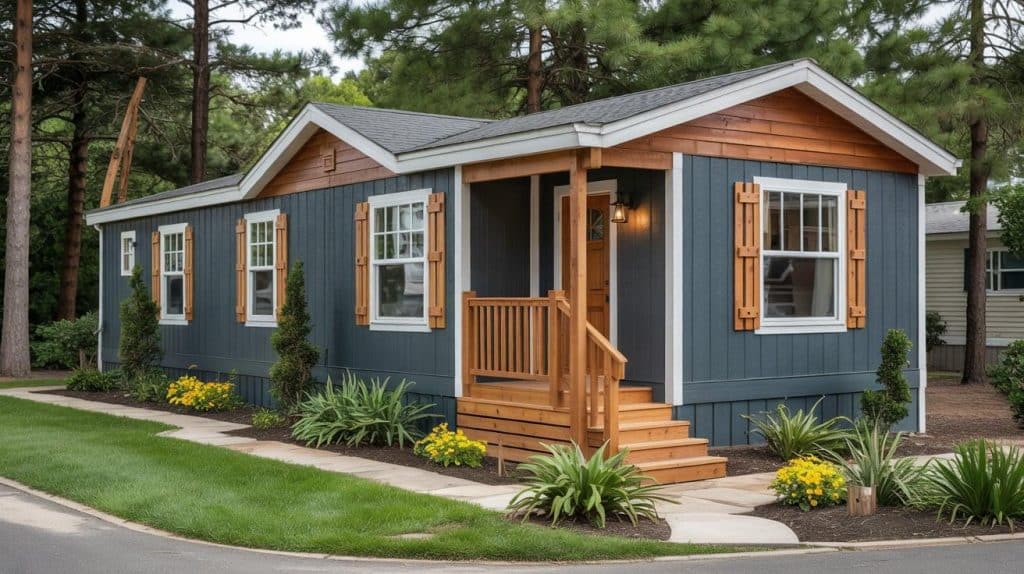
Choosing the right color can dramatically transform your space. Light colors can make a small area feel larger and more open, while darker shades add warmth and coziness.
Think about the surrounding environment and how your chosen color will blend or stand out. A bright color might be fun, but will it harmonize with your neighbors’ homes or natural surroundings?
Don’t forget about your personal style. Your home should reflect your personality. Are you drawn to bold, vibrant colors or do soft, neutral tones appeal to you more?
Consider testing colors in small patches to see them in different lighting conditions. This way, you can avoid surprises and ensure that the color looks just right both day and night.
As you choose the paint for your mobile home, remember that it’s not just about the aesthetics—it’s about expressing who you are. What will your color choice say about you?
Credit: www.helpwithdiy.com
Preparing The Surface
Preparing the Surface Clean the exterior thoroughly to remove dirt and mildew. Sand any rough areas for a smooth finish. Patch holes or cracks to ensure even paint application.
Preparing the surface is a vital step in painting a mobile home. A well-prepared surface ensures paint adheres properly. This results in a smoother, more durable finish. Neglecting surface preparation can lead to peeling and uneven paint.Cleaning Techniques
Start by removing dirt and grime. Use a pressure washer for large areas. This tool effectively removes stubborn dirt. For smaller spots, a scrub brush works well. Use soapy water for cleaning. Rinse thoroughly with clean water. Allow the surface to dry completely. Moisture can cause paint to bubble.Repairing Damages
Inspect the surface for damages. Look for cracks, holes, or rust spots. Use a putty knife to remove loose paint. Apply a patching compound to fill holes. Smooth the compound with a scraper. Sand the patched areas for a flat surface. For rust, use a wire brush to remove it. Apply a rust-inhibiting primer before painting. This prevents further damage and enhances paint adhesion.Gathering Essential Tools
Gathering the right tools makes painting a mobile home easier. Essential items include brushes, rollers, and quality paint. Safety gear like masks and goggles ensures protection while working.
Gathering Essential Tools Painting a mobile home requires the right tools. These tools ensure a smooth and professional finish. Organizing them beforehand saves time and effort. Below are essential tools you’ll need.Must-have Painting Tools
Having the right painting tools is crucial. Here are some essentials:- Paint Brushes:Choose high-quality brushes. They provide a smooth application.
- Rollers:Use rollers for large areas. They cover space quickly.
- Paint Tray:A tray helps hold paint. It aids easy roller use.
- Painter’s Tape:Use tape to protect areas. It ensures clean edges.
- Drop Cloths:Protect floors with drop cloths. They catch drips and spills.
- Extension Pole:Reach high areas with an extension pole. It attaches to your roller.
Safety Equipment
Safety is key during painting. Equip yourself with these safety items:- Gloves:Wear gloves to protect your hands. They keep paint off your skin.
- Goggles:Use goggles to shield your eyes. They prevent paint splatters.
- Mask:A mask filters out fumes. It keeps your breathing safe.
- Protective Clothing:Wear old clothes or a coverall. They guard against paint stains.
- Ladder:A sturdy ladder is essential. It helps reach high spots safely.
Priming The Mobile Home
Priming your mobile home is a crucial step before painting. It prepares the surface and ensures the paint adheres well. Without priming, the paint might peel or chip sooner. Proper priming will enhance the durability and appearance of your mobile home.
Importance Of Priming
Priming seals the surface of your mobile home. It blocks stains and prevents moisture damage. It creates a smooth base for the paint. This step improves the finish and helps the paint last longer. Skipping priming can result in uneven paint and quick wear.
Choosing The Right Primer
Selecting the correct primer is essential for a good result. Consider the material of your mobile home. Is it metal, wood, or vinyl? Each material needs a specific type of primer. A metal surface requires rust-inhibiting primer. Wood needs a stain-blocking primer. Vinyl surfaces benefit from bonding primers.
Check for compatibility with your paint. Some primers work better with certain paints. Read labels and recommendations carefully. Choose a primer that suits your climate. If you live in a humid area, moisture-resistant primers are ideal.
Painting Techniques
Painting a mobile home requires careful preparation and the right materials. Start by cleaning the surface thoroughly. Use high-quality exterior paint for durability and apply it evenly with a roller or sprayer.
Painting a mobile home can refresh its look instantly. The right techniques ensure a smooth, even finish. It makes your home look well-maintained and inviting. Choosing between rollers and brushes is a vital step. Each tool has its own benefits and best uses.Using Rollers Vs. Brushes
Rollers cover large areas quickly. They’re perfect for the broad sides of your mobile home. They help achieve a uniform coat without much effort. Rollers are less precise, though. For details, brushes are better. Brushes can reach tight corners and edges. They provide more control for intricate areas. Combining both tools often gives the best results.Tips For Even Coats
Even coats make paint last longer. Start with a clean surface. Dirt and grease can ruin your finish. Use a primer if needed. It helps paint stick better. Apply paint in thin layers. Thick coats may drip or crack. Overlapping strokes ensure no spots are missed. Let each layer dry before adding another. This prevents smudging and uneven texture. Finally, check for missed spots and touch up as needed.Dealing With Weather Conditions
Choose a dry day to paint a mobile home for best results. Avoid extreme temperatures, as they affect paint drying. Check forecasts and plan your painting around stable weather conditions.
Dealing with weather conditions is a crucial aspect of painting a mobile home. Weather can be unpredictable, and it directly affects your painting results. You need to plan wisely and be prepared for any changes in the forecast.Ideal Weather For Painting
The perfect weather for painting is often mild, dry, and not too windy. Aim for temperatures between 50°F and 85°F, as this is optimal for paint adhesion and drying. Humidity levels should be low to moderate; excessive moisture can lead to paint bubbling or peeling. Avoid painting in direct sunlight, as it can cause the paint to dry too quickly, leading to uneven finishes.Protecting Against Unexpected Weather
Unexpected rain or wind can ruin your hard work. Always check the weather forecast a few days before you plan to paint. Consider investing in tarps or portable shelters to shield your work area from sudden showers or gusts. Having a backup plan, like moving indoors or postponing the job, can save you time and frustration. Remember, a little preparation can go a long way in ensuring your mobile home looks fantastic, regardless of what Mother Nature throws your way.Maintenance After Painting
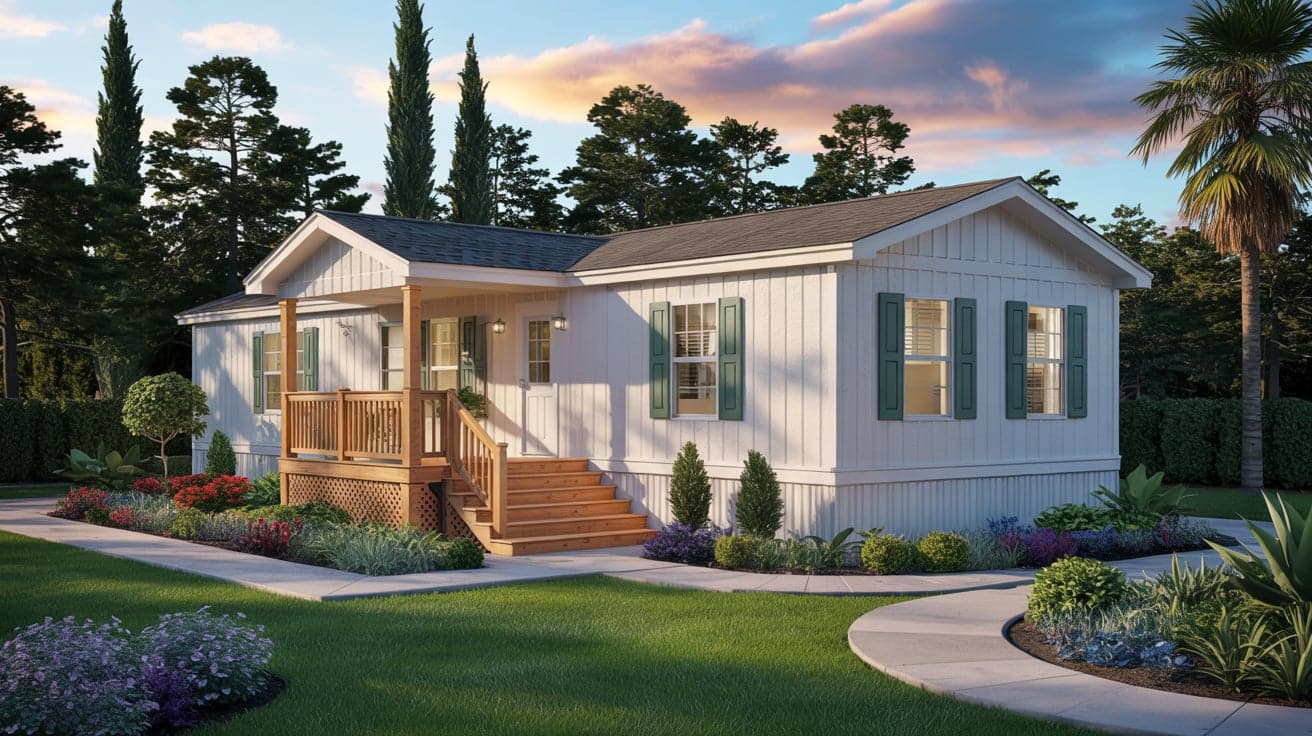
Maintaining the fresh look of your newly painted mobile home requires a bit of effort but is entirely worth it. After all the hard work of painting, it’s crucial to preserve that vibrant finish. Regular upkeep not only extends the life of the paint but also keeps your home looking its best year-round.
Regular Cleaning Tips
Dust and dirt can dull the paint’s shine over time. Regular cleaning prevents this and keeps your mobile home looking crisp. Consider using a gentle cleaning solution mixed with water. A soft sponge or cloth is ideal for removing grime without scratching the surface.
It’s best to clean during cooler parts of the day to avoid streaking. Pay special attention to areas prone to dust accumulation, such as window sills and door frames. How often do you clean your mobile home exterior?
Touch-up Strategies
Minor chips and scratches are inevitable, but they can be easily managed. Keep a small amount of your paint in storage for touch-ups. This ensures you have the exact match for your home’s color.
Regularly inspect high-traffic areas for signs of wear. Quick touch-ups prevent larger issues down the line. Investing in a high-quality brush or roller can make the process smoother and more efficient.
Consider the areas that see the most activity. Are there spots that need more frequent attention? Addressing these promptly will save time and effort in the long run.
Credit: www.helpwithdiy.com
Credit: livings.com.in
Frequently Asked Questions
What Paint Is Best For Mobile Homes?
Acrylic latex paint is best for mobile homes. It provides durability and flexibility for exterior surfaces. This type of paint resists peeling and fading, making it ideal for outdoor conditions. Always choose high-quality paint for long-lasting results.
How Do I Prepare A Mobile Home For Painting?
Start by cleaning the surface thoroughly to remove dirt and grime. Repair any damages, such as cracks or holes. Apply a primer to ensure proper paint adhesion. This preparation ensures a smooth and durable finish.
Can I Paint Mobile Home Siding?
Yes, you can paint mobile home siding. Ensure the siding is clean and dry before painting. Use high-quality exterior paint for best results. Painting can refresh the appearance and protect the siding from weather damage.
How Long Does Mobile Home Paint Last?
Typically, paint on a mobile home can last 5-10 years. Longevity depends on paint quality and weather conditions. Regular maintenance and touch-ups can extend its lifespan. Choose weather-resistant paint for prolonged durability.
Conclusion
Painting a mobile home can be straightforward with proper steps. Begin with cleaning the surface thoroughly. Ensure you fix any damages first. Choose the right paint type for exterior use. Use a primer to help the paint stick better. Apply paint evenly with brushes or rollers.
Allow adequate drying time between coats. This enhances durability and finish. A fresh coat of paint can transform your mobile home. It boosts curb appeal and protects against weather. Enjoy your newly painted mobile home with pride.