
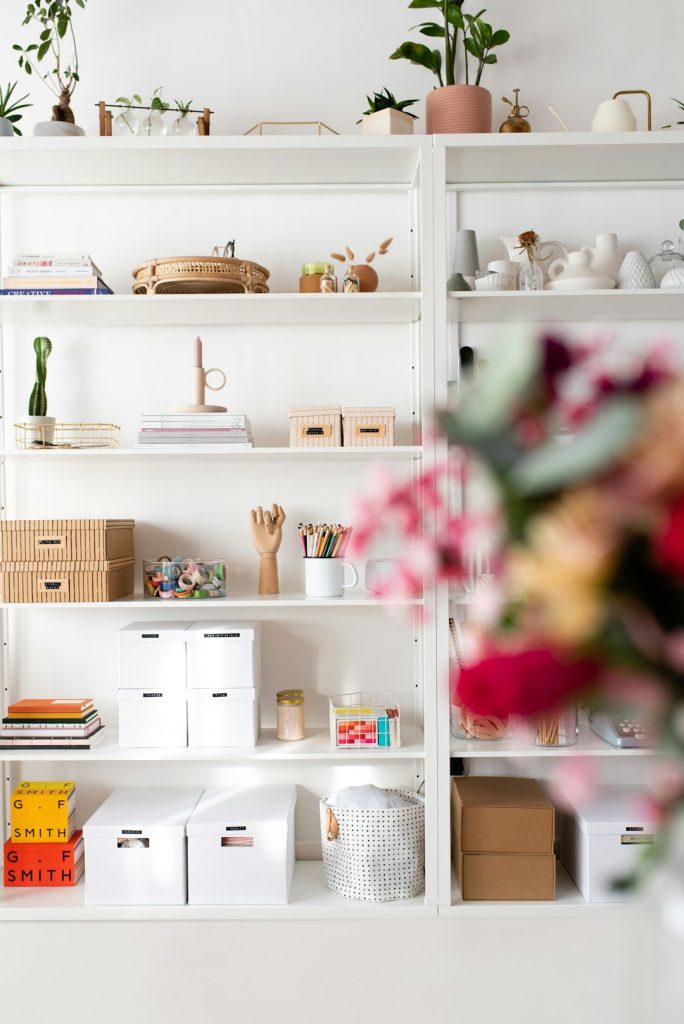
Are your kitchen cabinets a constant source of frustration? You open a door, and instead of finding what you need quickly, you face a cluttered mess.
Imagine how much easier your cooking and cleaning would be if everything had its place. Organizing your kitchen cabinets doesn’t have to be a daunting task. With a few simple steps, you can transform your cluttered cabinets into a neat, accessible space that saves you time and stress every day.
Ready to take control and make your kitchen work for you? Let’s dive into how you can organize your kitchen cabinets efficiently and enjoy the benefits immediately.

Credit: www.youtube.com
Assess Your Kitchen Space
Assessing your kitchen space sets the foundation for an organized cabinet system. It helps you understand what you have and what you need to store. This process saves time and avoids clutter later.
Take Inventory Of Items
Start by gathering all kitchen items from your cabinets. Include pots, pans, dishes, utensils, and food containers. Sort them into categories such as cooking tools, serving ware, and pantry goods. This step shows what you own and what you rarely use.
Measure Cabinet Dimensions
Use a tape measure to get accurate cabinet sizes. Measure height, width, and depth of each cabinet and shelf. Write down these numbers for reference. Knowing exact dimensions helps choose the right storage solutions and avoids wasted space.
Identify Frequently Used Items
Note which items you use every day or weekly. These should be easy to access and stored at eye level or within arm’s reach. Items used less often can go on higher or lower shelves. Organizing by use improves kitchen efficiency and reduces frustration.
Declutter And Sort
Decluttering and sorting your kitchen cabinets clears space and creates order. It helps find items quickly and keeps the kitchen neat. Start by emptying cabinets and evaluating each item. This step sets the foundation for a well-organized kitchen.
Remove Unnecessary Items
Take everything out of your cabinets. Check expiration dates on food and spices. Toss expired or stale items immediately. Remove duplicates you do not use. Get rid of broken or damaged kitchen tools. This frees up space and reduces clutter.
Group Similar Items Together
Sort items by category for easy access. Put baking supplies in one area. Store canned goods on a single shelf. Keep cooking oils and vinegars together. Place plates and bowls in another section. Grouping helps you find things faster and keeps cabinets tidy.
Decide What To Keep Or Donate
Ask if you use the item regularly. Keep items that serve a purpose. Set aside unused items in good condition. Donate them to charity or friends. Letting go of excess items creates room for essentials. This step makes your kitchen functional and clean.
Choose Storage Solutions
Choosing the right storage solutions makes organizing kitchen cabinets easier. It keeps items visible and accessible. Smart storage tools help maximize space and reduce clutter.
Clear containers, drawer organizers, shelf risers, and lazy Susans fit well in most cabinets. They create order and improve daily kitchen tasks.
Use Clear Containers
Clear containers show contents at a glance. No need to open every box or jar. They keep food fresh and prevent spills.
Use containers in different sizes for dry goods, snacks, or baking supplies. Label each container for extra clarity. Stack them to save space.
Incorporate Drawer Organizers
Drawer organizers divide space inside drawers neatly. They separate utensils, gadgets, and small kitchen tools. It stops items from jumbling together.
Choose adjustable organizers to fit your drawer size. This keeps everything in place and easy to find. Organizers also protect delicate items from damage.
Add Shelf Risers And Lazy Susans
Shelf risers double vertical storage space. They create extra levels for plates, bowls, or cans. This prevents stacking messes.
Lazy Susans spin to reveal items at the back. Perfect for spices, sauces, or small containers. They make access quick and simple.

Credit: thecrownedgoat.com
Optimize Cabinet Layout
Optimizing your kitchen cabinet layout is key to making your cooking space more efficient and enjoyable. Thoughtful placement of items saves time and reduces frustration during meal prep. You’ll find that organizing with purpose turns cluttered cabinets into a streamlined system where everything has its place.
Store Daily Use Items At Eye Level
Keep the items you grab most often right where you can see them. Plates, glasses, coffee mugs, and everyday spices should live at eye level to avoid unnecessary bending or reaching. This simple change can shave minutes off your cooking routine and helps you keep track of what’s running low.
Ask yourself: which items do you use every day? Those belong front and center. Group them together for quick access and better flow.
Place Heavy Items In Lower Cabinets
Save your back by storing heavy pots, pans, and small appliances in the lower cabinets. Lifting these items down from high shelves risks injury and spills. Plus, lower cabinets provide solid support and easier access.
Think about your last kitchen injury or spill. Could it have been prevented by moving that cast iron skillet down a level? Keeping heavy items low keeps your kitchen safer and more functional.
Keep Rarely Used Items Higher Up
Store seasonal dishes, specialty tools, and extra serving platters in the upper cabinets. These items don’t need to be within easy reach every day. Placing them higher frees up prime cabinet real estate for your everyday essentials.
Consider how often you use that holiday cookie mold or fancy punch bowl. If it’s just once a year, it makes sense to tuck it away where it’s out of the way but still accessible.
Label And Maintain
Labeling and maintaining your kitchen cabinets keeps things neat and easy to find. Clear labels help everyone know where items belong. Regular upkeep stops clutter from building up again. A well-maintained system saves time and reduces stress while cooking or cleaning.
Create Simple Labels
Use clear, easy-to-read fonts for your labels. Choose labels that match your kitchen style but stay simple. Write short words like “Spices,” “Cups,” or “Snacks.” Use waterproof labels or laminate paper for durability. Place labels on the cabinet doors or shelves. This helps everyone quickly spot where things go.
Set A Regular Cleaning Schedule
Pick a day each week or month for cabinet cleaning. Wipe down shelves to remove dust and crumbs. Check for expired food or broken containers. Organize items that may have shifted out of place. Keeping a schedule stops mess from piling up. It also keeps your kitchen safe and fresh.
Adjust Organization As Needed
Watch how you use your kitchen over time. Move items that you use often to easier spots. Change labels if you add new items or change storage. Be flexible and open to improve your system. Small changes keep your cabinets working well. This makes your kitchen more comfortable and efficient.

Credit: www.detroitnews.com
Frequently Asked Questions
How Do I Start Organizing Kitchen Cabinets?
Begin by emptying all cabinets to assess contents. Sort items by category and frequency of use. Discard expired or unused items before reorganizing to maximize space and efficiency.
What Are The Best Tools For Cabinet Organization?
Use clear containers, shelf risers, lazy Susans, and drawer dividers. These tools help maximize space and keep items visible and accessible. Label containers for easier identification.
How Often Should I Reorganize Kitchen Cabinets?
Reorganize every 3 to 6 months to maintain order. Regularly check for expired or unused items. This habit prevents clutter and keeps your kitchen functional.
How Can I Maximize Small Kitchen Cabinet Space?
Use vertical storage solutions like stackable shelves and door racks. Utilize slim containers and drawer organizers. Group similar items together to reduce clutter and save space.
Conclusion
Organizing your kitchen cabinets saves time and reduces stress. Clean spaces help you find things quickly. Group similar items together for easy access. Use containers and labels to keep order. Regularly check and tidy your cabinets to maintain neatness. A well-organized kitchen makes cooking more enjoyable.
Small steps lead to big improvements. Start today and enjoy a clutter-free kitchen.