
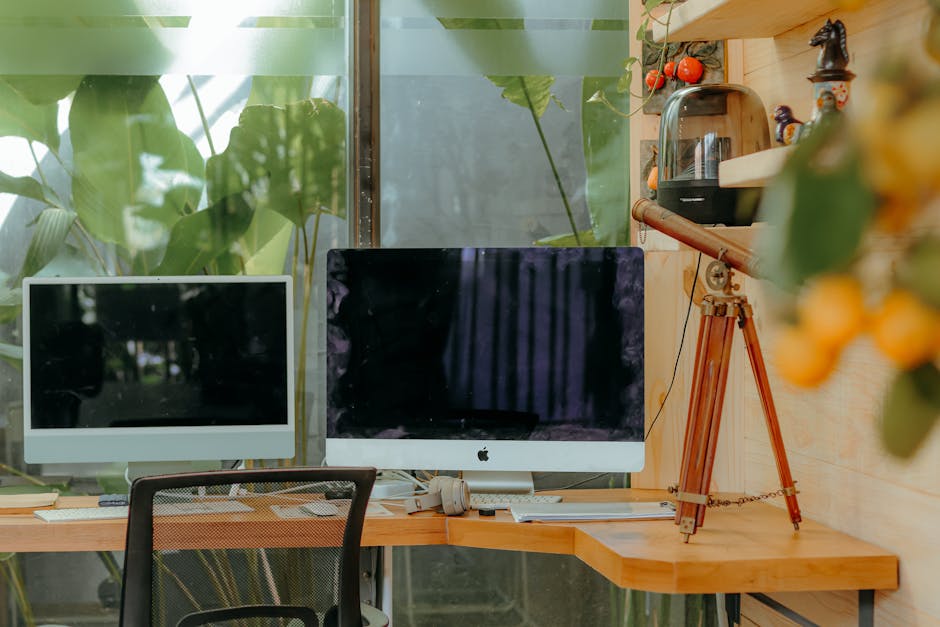
Is your home office starting to feel like a chaotic mess? When clutter builds up, it’s easy to feel overwhelmed and stuck.
But what if you could turn that stress into calm with a few simple steps? Imagine walking into your workspace and instantly feeling focused and productive. You’ll discover practical ways to organize your home office so it works for you—not against you.
Ready to clear the chaos and take control of your space? Keep reading, because your most peaceful, efficient workspace is just around the corner.
Recognize Overwhelm Signs
Feeling overwhelmed in your home office is common. Recognizing the signs early helps you act faster. Overwhelm can stop you from working well. Notice the signals your mind and space send. This awareness is the first step to better organization.
Clutter Impact On Focus
Clutter makes it hard to find things. Your eyes get distracted by mess. This breaks your concentration often. Tasks take longer with clutter around. A messy desk slows down your thinking. Clear spaces help your brain relax and focus.
Emotional Effects Of Mess
Mess creates stress and frustration inside. You may feel anxious or tired more. A cluttered space can lower your mood. It makes work feel harder than it is. Feeling overwhelmed can lead to avoiding work. A clean area lifts your spirits and energy.
Clear The Clutter
Clearing clutter is the first step to organizing your home office. A tidy space helps calm your mind and boosts focus. Overwhelming piles of papers, tools, and gadgets block your productivity. Removing unnecessary items creates room for what truly matters. Start by looking at everything in your workspace. Decide what to keep and what to remove.
Sort And Categorize Items
Gather all items from your desk, drawers, and shelves. Group similar things together. Use categories like documents, office supplies, electronics, and personal items. Sorting helps you see what you have and what you really need. It also makes it easier to find items later. You might use boxes or bins to hold each category. This step simplifies the next part of clearing clutter.
Use The Keep, Donate, Toss Method
Look at each category and decide its fate. Ask yourself these questions:
- Do I use this often?
- Is this item in good condition?
- Can someone else benefit from this?
Items you use and need go in the keep pile. Things still good but unused can be donated. Broken or useless items belong in the toss pile. This method helps you make clear choices quickly. It also reduces the mental load of clutter. When done, only essential and meaningful items remain in your office.
Create Functional Zones
Creating functional zones in your home office transforms chaos into calm. When everything has its place, your mind can focus better. This simple approach helps you manage your tasks without feeling overwhelmed.
Designate Work Areas
Separate your workspace by task type. For example, set up a desk area strictly for computer work and a different spot for brainstorming or reading. This helps your brain switch gears smoothly and stay productive.
Think about the activities you do daily. Do you need a space for video calls, writing, or crafting? Assign each activity its own area to avoid mixing distractions.
Separate Storage Spaces
Keep supplies, documents, and personal items in distinct storage zones. Use labeled bins, shelves, or drawers to organize everything. This makes it easier to find what you need quickly.
Ask yourself: which items do you use every day, and which ones can be stored away? Place daily essentials within arm’s reach, and tuck away less-used materials to keep your desk clear.
Optimize Storage Solutions
Optimizing storage solutions can dramatically reduce the feeling of overwhelm in your home office. When everything has a designated place, your workspace feels calm and inviting. You’ll find what you need quickly and spend less time digging through clutter.
Choose Practical Containers
Pick containers that suit the items you use daily. Clear plastic bins help you see contents without opening them, saving time and frustration. Small trays or drawer organizers keep pens, paper clips, and sticky notes from scattering everywhere.
Think about durability too. Containers that are sturdy and easy to clean will last longer and keep your space neat. I once switched to stackable boxes with labels, and suddenly my desk felt much more manageable.
- Use labeled boxes or baskets for papers and files
- Invest in drawer dividers for small office supplies
- Choose containers that fit your desk or shelves perfectly
Utilize Vertical Space
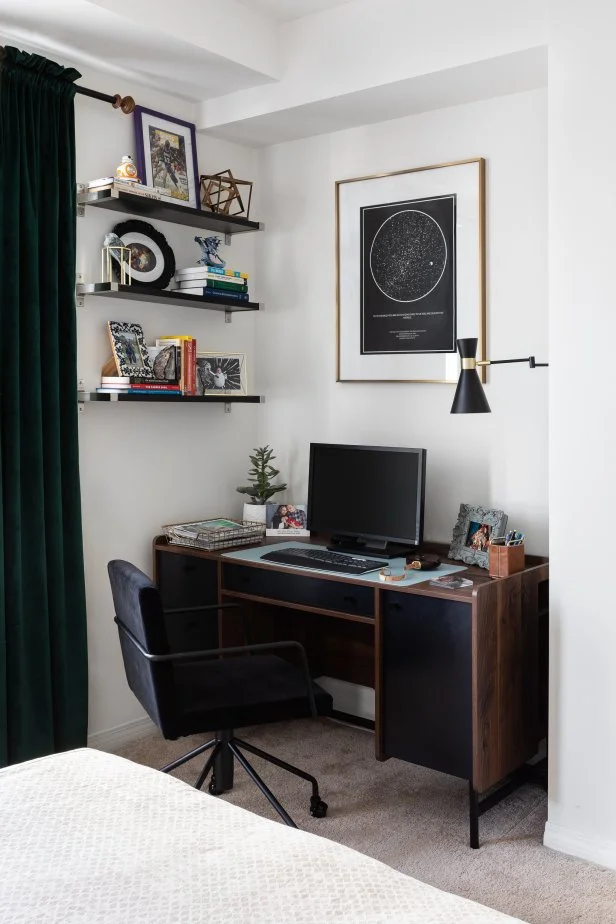
Empty wall space is often overlooked but offers great storage potential. Shelves above your desk can hold books, binders, or decorative items that also inspire you. Pegboards let you hang tools, cables, or calendars within arm’s reach.
Consider adding hooks or magnetic strips to keep frequently used items visible and accessible. When I added a vertical file organizer on my wall, my desktop instantly cleared up and felt more spacious. What vertical spaces in your office are waiting to be used?
- Install floating shelves for storage and display
- Use pegboards or corkboards to organize tools and notes
- Add hooks for headphones, bags, or cords
Simplify Your Desk Setup
Simplifying your desk setup can ease stress and improve focus. A clear desk invites clarity in work and thought. It creates a calm space where tasks flow naturally. Start by removing anything unnecessary. Keep only what helps you work better. This reduces distractions and makes cleaning easier.
Limit Essential Tools
Choose tools that you use every day. Avoid clutter by keeping only these items on your desk:
- Your computer or laptop
- A notepad or planner
- A pen or pencil
- Essential chargers or headphones
- A small organizer for paperwork
Store other tools out of sight. This keeps your desk neat and focused. Replace many items with multi-use tools. For example, a pen with a built-in highlighter saves space. Less clutter means fewer distractions and more productivity.
Manage Cables Efficiently
Cables often create a messy look. Untangle wires and group them by device. Use cable ties or clips to hold cables together. Attach them under your desk or along edges. This keeps cables off your work surface.
Label cables for quick identification. This saves time when unplugging devices. Wireless devices reduce cable clutter even more. A clean cable setup improves your desk’s appearance. It also prevents damage to cables and devices.

Credit: www.hgtv.com
Establish Daily Habits
Creating daily habits helps keep your home office neat and stress-free. Small, consistent actions make a big difference over time. These habits prevent clutter from piling up and improve focus during work hours.
End-of-day Tidying
Spend five to ten minutes tidying your workspace at the end of each day. Put away loose papers and organize your tools. Clear your desk to create a fresh start for tomorrow. This simple habit reduces morning stress and boosts productivity.
Regular Decluttering Sessions
Schedule a weekly or biweekly time to declutter your office. Sort through documents, supplies, and personal items. Keep only what you need and discard the rest. Regular decluttering stops mess from becoming overwhelming and keeps your space functional.
Incorporate Calming Elements
Feeling overwhelmed in your home office can make even the simplest tasks feel daunting. One way to ease this tension is by adding calming elements that bring peace and focus to your space. These small changes can shift your mindset and make your work environment more inviting and productive.
Add Plants And Decor
Plants do more than brighten a room—they improve your mood and help reduce stress. Try placing a small potted plant or succulent on your desk; they require minimal care but offer a refreshing touch of nature. You might also add personal decor items like photos, art prints, or calming colors that resonate with you.
Think about how you feel when you see these items. Do they inspire calm or distraction? Choose pieces that make you feel grounded and motivated.
Improve Lighting And Airflow
Natural light has a powerful effect on your energy levels and focus. Position your desk near a window if possible, or invest in soft white bulbs that mimic daylight. Avoid harsh overhead lighting that can cause eye strain and fatigue.
Fresh air can also clear your mind and boost productivity. Open a window regularly or use a small fan to keep air circulating. Have you noticed how stepping outside for a few minutes changes your perspective? Bringing that feeling indoors can do the same for your work.

Credit: www.hgtv.com
Leverage Technology
Technology can ease the stress of organizing a home office. It helps keep tasks clear and space clutter-free. Using digital tools saves time and reduces paper mess. Technology can help track projects, set reminders, and manage files all in one place.
Use Digital Organizers
Digital organizers help you plan and track work easily. Apps like calendars and to-do lists keep tasks visible. Color coding and reminders make sure nothing is forgotten. They let you update plans quickly without paper or pen. You can access your schedule from any device. This keeps your workflow smooth and stress low.
Automate Repetitive Tasks
Automation tools handle routine tasks for you. Setting up automatic bill payments saves time. Email filters and templates reduce inbox clutter. Use software to back up files regularly without thinking. Automating these tasks frees your mind for creative work. It keeps your office running without constant manual effort.
Credit: www.hgtv.com
Frequently Asked Questions
How Can I Start Organizing My Home Office Quickly?
Begin by decluttering your workspace. Sort items into keep, discard, or relocate piles. Clear surfaces to create a clean, inviting area. This quick step reduces overwhelm and boosts focus instantly.
What Are The Best Storage Solutions For A Small Office?
Use vertical shelves, drawer organizers, and clear bins. Label containers for easy access. Optimize under-desk space with rolling carts. These solutions maximize storage without crowding your workspace.
How Do I Maintain An Organized Home Office Daily?
Set a 10-minute daily tidying routine. Return items to their designated places after use. Regularly sort paperwork to avoid buildup. Consistency prevents mess and keeps your office functional.
What Role Does Lighting Play In Office Organization?
Good lighting improves focus and reduces eye strain. Use natural light when possible, supplemented by task lighting. Proper illumination makes your workspace inviting and easier to keep organized.
Conclusion
Organizing your home office can reduce stress and boost focus. Start small and sort one area at a time. Keep only what you need and use daily. Clear spaces help clear your mind. Take breaks to avoid feeling overwhelmed again.
A tidy office makes work feel easier. Remember, progress matters more than perfection. Try these tips and watch your workspace improve. You can create a calm and productive place to work.