
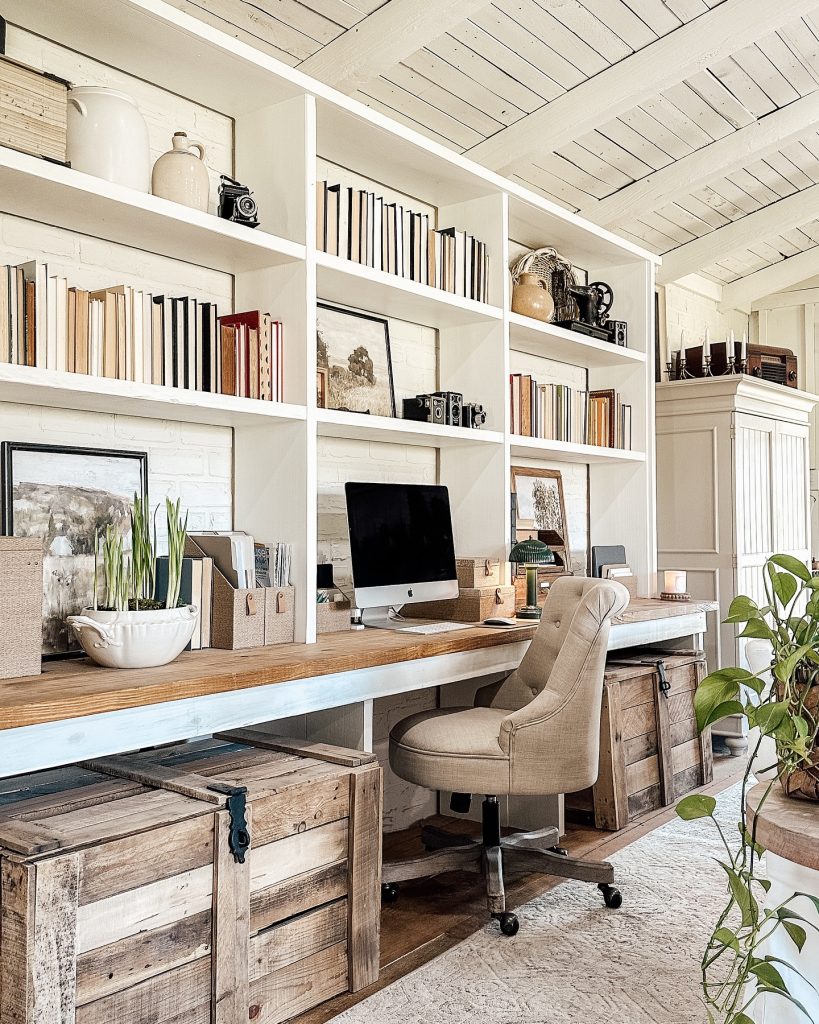
How to Organize Furniture in My Home Office. Is your home office feeling cluttered or cramped? How you organize your furniture can make a huge difference in your comfort and productivity.
Imagine walking into a space where everything has its place, and you can focus without distractions. You don’t need to be an expert or spend a fortune to achieve this. You’ll discover simple, effective ways to arrange your furniture that make your workspace feel bigger, brighter, and ready to boost your workday.
Keep reading to transform your home office into a place you actually want to spend time in.

Credit: www.digsdigs.com
Choosing The Right Layout
Choosing the right layout for your home office is crucial to create a space where you can work efficiently and feel comfortable. The layout determines how you move around, how much light you get, and how well you can separate work from relaxation. Let’s break down how to select the best layout based on your room and needs.
Assessing Room Size And Shape
Start by measuring your room’s dimensions carefully. Knowing the exact size and shape helps you avoid overcrowding and ensures furniture fits well without blocking pathways.
If your room is narrow, consider placing your desk against the longest wall to save space. In square rooms, you have more flexibility to create distinct areas without making it feel cramped.
Ask yourself: How much free space do you want around your desk? This will guide your furniture choices and arrangement.
Selecting Functional Zones
Divide your office into zones based on activities like working, reading, and storing supplies. This separation keeps your space organized and helps you focus.
- Work zone:Your desk and chair should be the main focus, positioned where you can concentrate.
- Storage zone:Shelves and filing cabinets should be within easy reach but not cluttering your workspace.
- Relaxation zone:A comfortable chair or small sofa can be useful for breaks or brainstorming.
Think about what activities you do most and arrange your furniture accordingly. Have you noticed how a clear division of space can boost your productivity?
Maximizing Natural Light
Natural light improves mood and reduces eye strain, so place your desk near windows if possible. Avoid positioning your screen directly in front of or behind the window to reduce glare.
If your room has limited windows, use light-colored furniture and walls to reflect the available light. Adding mirrors can also help spread light across the room.
Consider how the sun moves throughout the day in your room. Can you adjust your layout to catch the best light during your working hours?

Credit: www.hgtv.com
Essential Furniture Pieces
Choosing the right furniture is key to a productive home office. Essential pieces improve comfort and keep the space organized. Each item should support your work habits and fit the room size. Focus on comfort, storage, and flexibility for a smooth workflow.
Ergonomic Desk And Chair
An ergonomic desk and chair protect your body during long work hours. The desk should have enough space for your computer and documents. Adjustable height desks help you switch between sitting and standing. A good chair supports your back and encourages good posture. Look for chairs with adjustable height, lumbar support, and comfortable padding.
Storage Solutions
Storage keeps your office tidy and efficient. Use shelves, cabinets, and drawers to store supplies and files. Open shelves let you access items quickly. Closed cabinets hide clutter and keep the room neat. Small organizers help sort pens, papers, and gadgets. Proper storage saves time and reduces stress during work.
Multi-purpose Furniture
Multi-purpose furniture maximizes space in small home offices. Desks with built-in shelves combine work and storage areas. Foldable tables save space when not in use. Ottomans with hidden storage offer seating and a place to store items. Choose pieces that serve more than one function to keep your office flexible and organized.
Creating Clear Work Zones
Creating clear work zones in your home office can transform the way you work and relax. Defining specific areas helps your mind switch gears easily and keeps distractions at bay. It’s about setting boundaries within your space, so every inch serves a purpose.
Designating Task Areas
Start by identifying the main tasks you perform daily. Do you write, make calls, or use a computer most of the time? Assign a distinct area for each activity to keep related tools and supplies within reach.
For example, place your computer and printer on one desk, and keep your writing materials or paperwork on a nearby table. This separation prevents clutter and helps you focus better on the task at hand.
Think about the lighting too. A bright, focused light works well over your computer or writing spot, while a softer light might suit a brainstorming corner. Have you tried arranging your desk near a window? Natural light can boost your energy and focus during work hours.
Separating Work And Relaxation Spaces
It’s easy to blur the lines between work and downtime in a home office. To avoid burnout, create a small, cozy corner just for breaks. This could be a comfortable chair with a small side table for your coffee or a spot for quick stretches.
Keeping your relaxation space separate from your work zone signals your brain when it’s time to pause. This physical boundary helps you reset and return to work feeling refreshed. How often do you step away from your desk during the day? Making a habit of using your relaxation zone can improve your productivity.
Use rugs, room dividers, or even plants to visually separate these zones. These simple additions create a clear distinction without needing extra walls. What small change could you make today to better separate your work from relaxation?

Credit: www.hgtv.com
Optimizing Space With Layout Tricks
Optimizing space in your home office is essential to create a productive and comfortable environment. Smart layout tricks can transform even a small or awkward room into a functional workspace. These strategies help you make the most of every inch without feeling cramped or cluttered.
Utilizing Vertical Space
Think beyond the floor when organizing your office. Shelves, tall bookcases, and wall-mounted storage can hold supplies and documents without taking up precious desk or floor space.
For example, installing floating shelves above your desk keeps essentials within reach but off your work surface. You can also hang organizers or pegboards on empty walls to store tools, notes, or gadgets.
Have you noticed how much unused wall space you have? Using it well can free up room for more important items and keep your desk clear.
Arranging Furniture For Flow
How you place your furniture impacts how you move and work in your office. Avoid blocking pathways and keep your desk accessible from the main entrance.
Try positioning your desk near natural light to boost focus and mood. Leave enough space between pieces to prevent a crowded feeling.
Consider using multifunctional furniture like a desk with built-in drawers or a chair that fits neatly under the desk. It helps maintain a smooth flow and keeps everything within easy reach.
Minimizing Clutter
Clutter kills productivity. Keep only what you need on your desk and store the rest away. Use drawer organizers or small bins to group similar items.
Regularly sort through papers and supplies to avoid piles building up. Digital tools can reduce paper clutter, so scan important documents whenever possible.
Ask yourself: Does this item add value to my workspace? If not, it might be time to find a new home for it outside your office.
Incorporating Technology Seamlessly
Technology plays a big role in your home office, but it can quickly become a mess if not handled well. Integrating your devices smoothly helps keep your workspace clean and boosts your productivity. Think about how your gadgets interact with your furniture and how you can make everything work together without clutter.
Managing Cables And Devices
Cables can easily take over your desk and floor if you don’t have a plan. Use cable organizers like clips, sleeves, or even simple twist ties to keep cords bundled neatly. Mount power strips under your desk to avoid a tangle of wires on the floor.
Consider wireless devices when possible. A wireless keyboard or mouse cuts down on cable clutter immediately. If you have multiple devices charging, a charging station can centralize the power supply and keep your desk clear.
Ask yourself: How many cables do I actually need plugged in at once? Removing unnecessary cords can create more space and reduce distractions.
Positioning Screens And Equipment
Place your monitor or laptop screen at eye level to avoid neck strain. A monitor stand or adjustable arm can help you find the perfect height and free up desk space underneath. If you use multiple screens, angle them slightly towards you to create a natural viewing curve.
Keep frequently used equipment like printers or external drives within easy reach but off your main workspace. A side table or a dedicated shelf can hold these items without crowding your desk.
Think about lighting as well—position your screens to avoid glare from windows or overhead lights. Have you tried adjusting your monitor’s brightness or using a desk lamp to reduce eye fatigue?
Personalizing For Comfort And Motivation
Personalizing your home office is key to creating a space that feels both comfortable and motivating. When your surroundings reflect your tastes and needs, you’re more likely to stay focused and enjoy your work. Think about what makes you feel calm or energized and bring those elements into your office setup.
Adding Plants And Decor
Plants not only brighten up your space but also improve air quality and reduce stress. Choose low-maintenance options like succulents or snake plants if you’re busy. Adding personal decor such as photos, artwork, or meaningful objects can boost your mood and make the office truly yours.
Consider how each item contributes to your work vibe. Too much clutter can distract, but a few well-placed pieces can inspire creativity. Have you noticed how a simple plant on your desk can make a dull day feel a bit better?
Choosing Colors And Lighting
Colors impact your energy and concentration. Soft blues and greens promote calmness, while yellows and oranges can spark creativity. Pick shades that match the kind of work you do and the mood you want to maintain throughout the day.
Lighting is just as important. Natural light is ideal, but if that’s limited, invest in adjustable lamps that reduce eye strain. Experiment with brightness and warmth until you find what keeps you alert without causing fatigue. How does your current lighting affect your focus?
Frequently Asked Questions
How Can I Maximize Space In My Home Office?
To maximize space, use multifunctional furniture like a desk with storage. Consider vertical storage solutions such as shelves or wall-mounted organizers. Keep clutter minimal by implementing a filing system. Choose furniture that fits the room’s scale and always leave enough space for easy movement.
What Is The Best Furniture Layout For Productivity?
An ergonomic layout boosts productivity. Position your desk near natural light but avoid glare on your screen. Ensure your chair supports good posture. Keep frequently used items within arm’s reach and use storage to reduce desktop clutter. Arrange furniture for seamless workflow.
How Do I Choose The Right Desk For My Office?
Select a desk that fits your space and work needs. Consider your equipment, like computers and monitors. Opt for a desk with storage if space is limited. Ensure the height allows for ergonomic seating. Material and style should match your office decor.
What Are Essential Furniture Items For A Home Office?
Essential items include a comfortable chair, functional desk, and adequate storage. Lighting is crucial; consider a good desk lamp. Shelving or cabinets help organize documents and supplies. Personal touches like plants or artwork can enhance your workspace ambiance.
Conclusion
Organizing your home office furniture boosts comfort and productivity. Clear spaces help you focus and work well. Choose furniture that fits your room size and needs. Keep pathways open to move freely and avoid clutter. Use shelves and drawers to store items neatly.
A tidy office feels calm and invites creativity. Small changes make a big difference in your workday. Start arranging today and enjoy a better workspace tomorrow.