
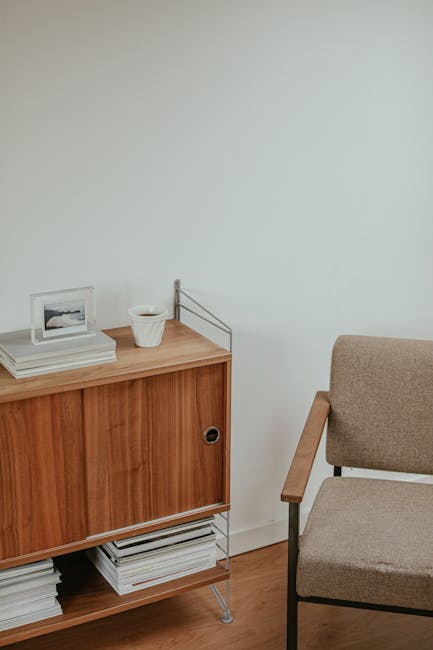
Struggling to make your small living room feel spacious and inviting? You’re not alone.
When space is tight, every piece of furniture matters. How you arrange your sofa, chairs, and tables can either open up the room or make it feel cramped and cluttered. But don’t worry—organizing your furniture the right way can transform your living area into a cozy, functional space you’ll love.
Keep reading, and you’ll discover simple, practical tips that will help you maximize your small living room without sacrificing style or comfort.

Maximizing Space
Maximizing space in a small living room is essential for comfort and style. Smart organization helps make the room feel larger and more open. Using the right furniture and storage ideas keeps clutter away and improves flow. Clever tricks can also create a sense of depth and brightness.
Utilizing Vertical Storage
Use wall shelves to store books, decor, and essentials. Tall cabinets draw the eye upward and free floor space. Hooks and pegboards keep items off surfaces and within reach. Vertical storage keeps the room tidy without crowding it.
Choosing Multifunctional Furniture
Pick sofas with hidden storage for blankets or pillows. Ottomans can serve as seats, tables, or storage boxes. Fold-out tables save space and offer extra surface when needed. Multifunctional pieces reduce the number of items in the room.
Creating Illusions With Mirrors
Mirrors reflect light and make the room feel bigger. Place them across windows to increase natural brightness. Large mirrors can act as wall art and add depth. Mirror panels or furniture with mirrored surfaces also help expand the space visually.

Optimal Furniture Layouts
Finding the perfect furniture layout in a small living room can be a game-changer. It’s not just about fitting pieces in; it’s about creating a space that feels open, functional, and welcoming. The right arrangement helps your room breathe and makes daily life easier.
Arranging For Traffic Flow
Think about how you move through your living room. Clear pathways prevent bumping into furniture and make the space feel larger. Place seating and tables so people can walk comfortably without squeezing past.
Try leaving at least 2 feet of clearance in main walkways. Avoid blocking entrances or windows with bulky pieces. I once arranged a couch that blocked the door, and it made the room feel cramped and awkward—don’t make the same mistake.
Zoning For Different Activities
Small living rooms often serve multiple purposes, like watching TV, reading, or working. Creating distinct zones helps keep the space organized and functional. Use rugs or different furniture groupings to separate areas visually and physically.
For example, position a cozy chair and lamp in one corner for reading, and arrange the sofa and TV on the opposite side. This way, each activity has its own spot without cluttering the entire room.
Floating Furniture Techniques
Instead of pushing all your furniture against the walls, try floating some pieces in the room. This can open up traffic flow and create a more intimate seating area. A sofa in the center with a small table behind it adds interest and breaks up the space.
Use rugs to anchor floating furniture and prevent the area from feeling disconnected. I found floating my loveseat away from the wall gave my small room a more balanced look and made it feel less boxy. Could floating furniture be the trick your space needs?
Choosing The Right Furniture
Choosing the right furniture is the foundation of making a small living room feel spacious and comfortable. The pieces you pick will shape the room’s flow, functionality, and overall vibe. Are you selecting items that serve your needs without overwhelming the space?
Selecting Scaled-down Pieces
Opt for furniture that matches the scale of your living room. Bulky sofas or oversized armchairs can crowd the space, making it feel cramped. Instead, choose compact sofas, slim-profile chairs, or multi-functional furniture like ottomans with storage.
Think about the size of each piece in relation to your room’s dimensions. A smaller coffee table or a narrow console can open up pathways and create more breathing room. Have you measured your space to ensure each item fits comfortably?
Prioritizing Essential Furniture
Focus on the furniture you truly need rather than filling the room with unnecessary pieces. A small living room doesn’t require a full dining set or multiple seating areas. Identify what you use daily and invest in those items first.
For example, if you entertain occasionally, consider flexible seating options like foldable chairs or stools that can be stored away. Are you making room only for what adds value to your daily life?
Incorporating Light And Airy Designs
Choose furniture with light colors and materials that reflect light and create an open feel. Pieces with exposed legs or transparent materials like glass and acrylic can reduce visual weight. This trick helps the room feel less crowded.
Think about how a glass coffee table or a chair with thin metal legs can make a big difference. Have you noticed how these design choices subtly expand your space without sacrificing style?
Color And Lighting Strategies
Color and lighting play a big role in making a small living room feel larger and more inviting. The right choices can open up the space and create a warm atmosphere. Using colors and lighting smartly helps balance the room without overcrowding it.
Using Light Colors To Expand Space
Light colors reflect more light and make rooms appear bigger. Whites, creams, and pastels work well on walls and furniture. These shades create an airy, open feeling. Avoid dark colors as they can make the room feel smaller and closed in.
Implementing Layered Lighting
Layered lighting means combining different light sources. Use overhead lights, floor lamps, and table lamps together. This mix reduces harsh shadows and spreads light evenly. It adds depth and warmth to the room. Dimmer switches can help adjust light levels for different moods.
Accentuating With Bold Accents
Bright accents add personality without crowding the space. Use colorful cushions, rugs, or small decor items. These touches create interest and draw attention to specific areas. Keep the main colors soft and neutral to maintain a spacious feel.
Decorative Elements
Decorative elements bring life and personality to a small living room. They create a cozy atmosphere without crowding the space. Choosing the right decorations helps the room feel larger and more inviting. Focus on pieces that add charm but do not overwhelm the area.
Adding Personal Touches
Personal touches make the room unique and reflect your style. Use framed photos or artwork on walls to avoid using floor space. Small decorative items on shelves or tables add character. Choose pieces that tell a story or hold special meaning.
Incorporating Greenery
Plants refresh the room and improve air quality. Select small or medium-sized plants to fit limited space. Use hanging planters or wall-mounted pots to save floor area. Greenery adds color and a natural feel without clutter.
Balancing Minimalism And Style
Keep decorations simple to avoid a crowded look. Use a few well-chosen items that match your room’s color scheme. Clear surfaces help the room feel more open. Choose functional decor like stylish baskets or trays for extra storage.
Practical Tips From Experts
Arranging furniture in a small living room can be challenging, but expert advice makes it easier and more effective. Practical tips from seasoned designers help you avoid common pitfalls and make smart choices without overspending. They also show how to add your personal touch, creating a cozy and functional space that reflects who you are.
Common Mistakes To Avoid
Avoid pushing all furniture against the walls. This often makes the room feel empty and awkward. Instead, try pulling pieces slightly away from walls to create a more inviting flow.
Don’t overcrowd the space with too many items. Experts suggest choosing multi-functional furniture, like ottomans with storage or foldable tables. This keeps your room open and clutter-free.
Many people forget to measure before buying. Have you measured your space and doorways? Buying furniture that doesn’t fit properly wastes money and effort.
Budget-friendly Solutions
You don’t need to spend a lot to organize a small living room well. Look for second-hand furniture with potential—sometimes a fresh coat of paint or new cushions can transform a piece.
Use vertical space wisely. Wall shelves or hanging organizers free up floor area and add storage without breaking your budget.
Consider arranging seating around a small, inexpensive rug to define the area. This simple trick can make your living room feel more purposeful and cozy without extra cost.
Expert Advice On Personalization
Your living room should tell your story. Experts recommend mixing textures and colors that make you feel comfortable and happy. Don’t shy away from bold cushions or throws that reflect your style.
Personalize with art or photos, but keep the scale in mind. Large frames on small walls can overwhelm the space. Smaller, grouped pieces often work better in compact rooms.
Think about your daily habits. If you love reading, add a small lamp and a cozy chair. Your space should support how you live, not just look good.
:max_bytes(150000):strip_icc()/image_1-efc79718919c4641b8c4f3292cd061cd.png)
Frequently Asked Questions
How To Maximize Space In A Small Living Room?
Use multi-functional furniture and keep pathways clear. Opt for vertical storage like shelves. Choose light colors to open up the space visually. Avoid bulky furniture to maintain flow and comfort.
What Furniture Arrangement Suits Small Living Rooms Best?
Arrange furniture to create open pathways. Place larger pieces against walls. Use corner spaces effectively. Group seating to encourage conversation without overcrowding. Keep the center area open for spaciousness.
How To Choose Furniture Size For Small Living Rooms?
Select compact, proportionate furniture that fits the room scale. Avoid oversized items that crowd space. Measure room dimensions before buying. Choose pieces with slim profiles and legs to create airy feel.
Can Mirrors Help Organize A Small Living Room?
Yes, mirrors reflect light and create an illusion of space. Place them opposite windows to enhance brightness. Use decorative mirrors to add style and depth without clutter.
Conclusion
Organizing furniture in a small living room takes planning and creativity. Choose pieces that fit well and avoid clutter. Use space wisely to create comfort and flow. Light colors and mirrors help the room feel bigger. Keep only what you need and love.
Small changes can make a big difference. Enjoy a cozy, neat living space that suits your style. Simple steps bring order and peace to your room. Try these tips and see how your space improves.