

Are you ready to transform your living room into a space that truly reflects your style? Mixing and matching furniture can seem tricky, but it’s one of the best ways to create a unique and inviting atmosphere.
Imagine a room where every piece tells a story, yet everything fits perfectly together. In this guide, you’ll discover simple tips to blend different styles, colors, and textures without the stress. Keep reading, and you’ll learn how to make your living room feel both cozy and stylish—just the way you want it.
Choosing A Focal Point
Choosing a focal point in your living room sets the tone for how you mix and match furniture. It draws the eye and anchors the space, making everything feel connected and intentional. Without a clear focal point, your room can feel scattered or disjointed, no matter how beautiful each piece is on its own.
Selecting A Statement Piece
Start by picking a piece that naturally grabs attention. This could be a bold sofa, a unique coffee table, or even a colorful accent chair. Think about what you want people to notice first when they walk in.
Don’t shy away from colors or shapes that stand out. A velvet emerald green couch or a mid-century modern chair with sleek lines can become your statement piece. It’s okay if it’s different from the rest of your furniture; that contrast creates interest.
Ask yourself: What piece excites you the most? That excitement often translates into a great focal point. Your personal connection to the piece makes the room feel authentic and welcoming.
Balancing With Supporting Furniture
Once you have your statement piece, choose supporting furniture that complements but doesn’t compete. Look for items in neutral tones or simpler designs to let your focal point shine.
Mix textures and materials to add depth without overwhelming the space. For example, if your statement sofa is plush and colorful, consider wooden or metal side tables with clean lines. This creates a balanced look that feels thoughtful and cohesive.
Think about scale and placement too. Smaller chairs or ottomans positioned around your statement piece can encourage conversation without stealing the spotlight. How can your supporting furniture enhance the flow of the room?
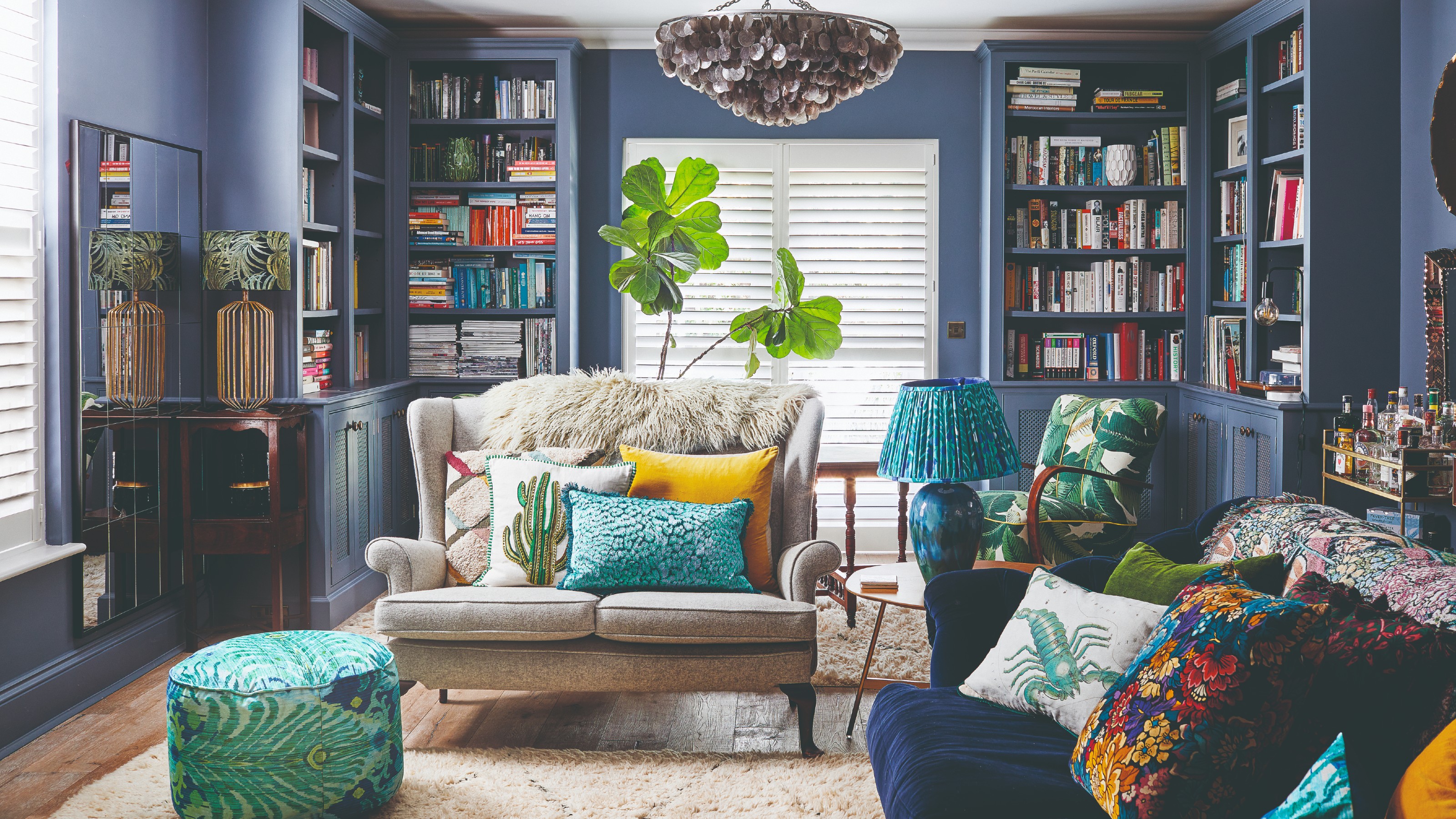
Mixing Styles Seamlessly
Mixing styles seamlessly in your living room creates a unique and inviting space. It allows your personality to shine through. The key is balance. Combine pieces that complement rather than clash. Use colors, shapes, and textures to unite different styles. This approach makes your living room feel curated and cozy.
Combining Modern And Vintage
Blend modern and vintage furniture for a fresh look with charm. Modern pieces offer clean lines and simplicity. Vintage items bring character and history. Start with a modern sofa and add a vintage coffee table or armchair. Choose colors that appear in both styles to tie them together.
- Use neutral tones to balance bold vintage patterns.
- Mix sleek metal with warm wood finishes.
- Include vintage lamps with modern accessories.
This mix creates contrast and depth. It feels stylish without being too formal.
Blending Different Eras
Mix furniture from various time periods for an eclectic vibe. Each era has its own style language. Combine mid-century chairs with rustic farmhouse tables or art deco lighting. Focus on harmony through repeated colors or shapes.
- Match upholstery colors across different pieces.
- Balance heavy and light furniture forms.
- Use rugs or pillows to bridge styles.
Blending eras adds interest and tells a story. It keeps the space lively and personal.
Playing With Colors And Patterns
Playing with colors and patterns breathes life into your living room. It adds character and warmth. Mixing different hues and prints creates a space that feels unique and inviting.
Experimenting with colors and patterns can transform even simple furniture pieces. It allows you to express your style and mood. The key lies in balance and thoughtful choices.
Creating A Cohesive Color Palette
Start by choosing a main color to set the tone. This color should appear in most furniture pieces or decor. Use shades and tints of this color to add variety without chaos.
Include two or three complementary colors to enrich the palette. These colors can appear in smaller furniture or accessories. Stick to muted tones if you want a calm look.
Try this simple formula:
- Main color for large items like sofas
- Secondary colors for chairs or rugs
- Accent colors in pillows or artwork
This approach keeps the room connected and visually pleasing.
Incorporating Bold Patterns
Bold patterns bring energy and personality to your space. Use them on pillows, curtains, or rugs to avoid overpowering the room.
Mix different pattern types like stripes, florals, and geometric shapes. Keep the color palette consistent to maintain harmony.
Balance busy patterns with solid colors. This contrast helps each pattern stand out without clashing.
- Use a patterned rug under solid furniture
- Pair striped pillows with a floral armchair
- Combine geometric curtains with plain sofas
Patterns invite the eye to explore and make your living room lively.
Balancing Scale And Proportion
Balancing scale and proportion is key to making your living room furniture look intentional and comfortable. If pieces are too large or too small compared to each other, the space can feel awkward or cluttered. Paying attention to size relationships helps create a room where everything fits naturally and feels inviting.
Matching Furniture Sizes
Choosing furniture that matches in size is more than just picking similar dimensions. You want to think about the visual weight each piece carries. For example, a bulky sofa paired with tiny side tables can feel unbalanced and strange.
Try to keep your main furniture—like sofas, chairs, and coffee tables—in a similar size range. This doesn’t mean everything must be identical but should complement each other. If your sofa is large and plush, go for chairs that have a similar presence without overpowering the room.
Ask yourself: does this chair feel like it belongs next to this sofa, or does it look lost or too dominant? This simple check helps keep your space balanced and comfortable.
Using Accessories To Adjust Scale
Accessories can help fix any scale issues you spot in your furniture arrangement. A small lamp on a large table or a large rug under a tiny coffee table can help bring harmony to your setup.
Use cushions, throws, or artwork to add layers that either soften or emphasize size differences. For example, a tall floor lamp can balance a low sofa, adding height without cluttering.
Think about how each accessory interacts with your furniture. Could a bold rug anchor a small seating area? Can a tall plant fill empty vertical space to match a high-backed chair? Accessories let you play with scale without needing to replace big pieces.
Incorporating Textures
Textures bring life to your living room by adding depth and interest. They invite you to touch and feel, making the space more welcoming and comfortable. Are you ready to transform your furniture mix by adding layers of texture that keep the eye moving and the room feeling balanced?
Layering Fabrics And Materials
Start by combining different fabrics on your sofas and chairs. Mix smooth leathers with soft linens or chunky knits to create contrast.
Throw pillows and blankets are perfect for experimenting with textures without overwhelming the space. Think velvet cushions paired with linen or cotton throws for a cozy yet elegant look.
Don’t forget the curtains—sheer fabrics next to heavier drapes add visual interest and functionality. How do your current fabrics make you feel when you sit down? Adding a tactile variety can change that experience entirely.
Mixing Hard And Soft Surfaces
Balance soft textiles with hard surfaces like wood, metal, or glass. A wooden coffee table next to a plush rug creates a tactile dialogue that feels intentional and inviting.
Consider metal accents in lamps or side tables to add shine and a different texture dimension. These contrasts prevent your living room from feeling flat or one-dimensional.
Think about how your hands interact with these surfaces daily—can you reach out and feel the warmth of wood or the coolness of metal? This interaction can make your space feel more dynamic and alive.

Arranging Furniture For Flow
Arranging furniture for flow is essential to create a living room that feels open and welcoming. It’s not just about placing pieces randomly but about how each item interacts with the space and with each other. Good flow helps you move naturally through the room and encourages interaction.
Optimizing Space And Movement
Start by looking at the room’s layout and identifying natural walkways. Avoid blocking these paths with bulky furniture. Leave at least 2 to 3 feet of space for easy movement between pieces.
Think about how you use your living room daily. Do you need clear access to a door, a window, or a TV? Position your furniture to support these activities without crowding.
Try pulling seating slightly away from walls. It creates a cozier feel and opens up more walking space. You might discover that even small shifts make a big difference in how spacious your room feels.
Creating Conversation Areas
Arrange your furniture so that people can face each other comfortably. Group chairs and sofas in a way that invites chatting without shouting. A good rule is to keep seating about 4 to 10 feet apart.
Use rugs or coffee tables to anchor these areas visually. These elements help define the space and bring the pieces together as a cohesive group.
Ever noticed how some living rooms feel cold or disconnected? It’s often because the furniture is spread too far apart or facing the wrong way. Try moving your chairs closer or angling them towards the sofa to make conversations easier.
Adding Personal Touches
Adding personal touches to your living room creates a space that feels truly yours. It’s not just about matching furniture but about weaving your story into the room’s design. These unique elements make your living room inviting and memorable.
Using Art And Decor
Art pieces and decor give your living room character and a sense of identity. Choose paintings, prints, or photographs that resonate with your experiences or passions. You might have a favorite travel photo or a bold abstract painting that sparks conversation.
Think beyond just hanging art on the walls. Use sculptures, decorative vases, or interesting lamps to add layers of personality. Mixing styles here can work well—pair a modern painting with a vintage lamp to keep the room dynamic.
Ask yourself: what colors and themes make you feel relaxed or inspired? This will guide your choices and ensure your decor reflects your true self.
Showcasing Unique Finds
Displaying unique furniture or decor items tells a story and adds depth to your living room. Maybe you found a rustic coffee table at a flea market or inherited a quirky chair from a relative. These pieces bring warmth and history into your space.
Don’t hesitate to highlight these finds by placing them where they catch the eye. Grouping them with complementary items helps create a curated look instead of clutter. For instance, a vintage trunk can double as storage and a coffee table, making it both practical and personal.
Have you ever noticed how a single, distinct item can spark conversations and make guests feel at home? That’s the power of showcasing your unique finds.
:max_bytes(150000):strip_icc()/CarinaSkrobeckiPhoto_JessicaNelsonDesign_252222ndAve_01-47bc103d13e34f8d89179a86e968e7eb-5b0a8608f5c64a999203309e3fd0af57.jpg)
Frequently Asked Questions
How Do I Start Mix Matching Living Room Furniture?
Begin by choosing a color palette that ties pieces together. Combine different textures and styles for balance. Use rugs or cushions to unify the look. Focus on scale and proportion to maintain harmony.
What Colors Work Best For Mix Match Furniture?
Neutral tones like beige, gray, and white create a cohesive base. Add pops of color with accent chairs or pillows. Earthy hues blend well with various styles. Avoid clashing bright colors to keep balance.
Can I Mix Different Furniture Styles Effectively?
Yes, mixing styles adds personality and depth. Pair modern pieces with vintage for contrast. Use common colors or materials to link styles. Keep room layout balanced to avoid cluttered feel.
How To Balance Patterns In Mix Match Furniture?
Limit bold patterns to one or two pieces. Use solids to balance and soften the look. Coordinate colors within patterns for harmony. Avoid overwhelming the room with too many prints.
Conclusion
Mixing and matching living room furniture adds charm and personality to your space. Start with a base color and build around it for balance. Combine different textures and shapes to create visual interest. Don’t be afraid to mix old and new pieces; contrast often looks best.
Keep the room functional and comfortable above all. Trust your instincts and have fun with the process. Your living room will feel unique and welcoming in no time. Simple steps lead to a stylish, cozy home everyone will enjoy.