

Imagine walking into your bedroom and feeling an immediate sense of harmony and style. Mixing furniture might seem daunting at first, but it holds the key to transforming your space into a unique sanctuary that reflects your personality.
Whether you’re dealing with an eclectic collection or looking to refresh your current setup, learning how to mix furniture in your bedroom can open up a world of creative possibilities. Think of it as a fun puzzle where each piece, from your bed frame to your bedside table, plays a crucial role in creating a cohesive look.
As you delve deeper into this article, you’ll discover simple yet effective tips to seamlessly blend different furniture styles and make your bedroom a true reflection of you. Ready to unlock the secrets of a stylish, mixed-furniture bedroom? Let’s dive in and explore the possibilities together.
Choosing A Color Palette
Choosing a color palette for your bedroom can make or break the harmony of your furniture mix. It’s the backdrop against which all your pieces come together. Whether you’re drawn to soothing neutrals or vibrant hues, selecting the right palette can transform your space into a stylish sanctuary.
Neutral Tones
Neutral tones offer a calming effect and create a versatile canvas for your furniture. Shades like beige, gray, and white are timeless and allow you to play with textures and patterns. They make small rooms appear larger, giving you more freedom to experiment with furniture styles.
Consider pairing a gray upholstered bed with a wooden dresser in a lighter tone. This combination can evoke a sense of understated elegance. If you’re someone who frequently changes your decor, neutrals are ideal as they adapt seamlessly to new accents.
Bold Accents
Bold accents can inject personality and energy into your bedroom. Think of colors like teal, mustard, or even a striking red. These hues can be introduced through pillows, throws, or a statement chair. Bold accents can elevate the look of traditional furniture and make modern pieces pop.
Imagine a navy blue accent wall behind your bed, paired with crisp white bedding and a vintage wooden nightstand. This mix creates a dynamic yet balanced environment. Are you willing to take the plunge with bold colors? They might just be what your bedroom needs to stand out.

Credit: www.luxoliving.com.au
Balancing Different Styles
Mixing furniture styles in a bedroom can create a unique and inviting space. Combine vintage with modern pieces to add character. Use color or texture to unite different styles seamlessly.
Balancing different styles in your bedroom can transform it into a unique and personalized space. Mixing furniture styles, such as modern with vintage or rustic with contemporary, creates an intriguing and inviting atmosphere. The key is to strike a balance that reflects your personality and meets your functional needs.Modern And Vintage
Pairing modern and vintage pieces can add depth and character to your bedroom. Consider a sleek, minimalist bed frame paired with a vintage wooden dresser. This contrast not only highlights the unique qualities of each piece but also tells a story of time and taste. Use color to unify these styles. A neutral color palette can bridge the gap between the old and the new, creating harmony in the room. For instance, a modern white lamp on a vintage nightstand can seamlessly blend both eras. Mixing these styles can be exciting, but how do you ensure cohesion? Focus on texture. A plush modern rug can complement a distressed vintage chair, adding warmth and comfort.Rustic And Contemporary
Combining rustic and contemporary styles offers a cozy yet sophisticated vibe. Imagine a rustic wooden headboard against the backdrop of smooth, contemporary walls. This juxtaposition can make your space feel both grounded and fresh. Incorporate materials that highlight both styles. Metals like iron can tie contemporary lamps with rustic wooden shelves. This mixture of elements can create an unexpected yet pleasing aesthetic. How do you avoid a cluttered look when blending these styles? Simplify your color scheme. Soft, earthy tones can enhance rustic features, while sleek black or white accents can emphasize contemporary elements. Balancing different furniture styles in your bedroom is an art. It’s about creating a space that feels like you, while also being functional and aesthetically pleasing. So, what styles will you mix to make your bedroom uniquely yours?Playing With Textures
Mixing furniture textures in the bedroom creates depth and interest. Pair smooth wood with soft textiles like velvet or cotton. Integrate metal accents to add contrast and balance the overall look.
Playing with textures in your bedroom can transform its atmosphere. Different materials bring unique sensations and visuals. Mixing textures creates depth and interest. It makes the space feel lively and inviting. Let’s explore how to incorporate textures through furniture.Soft And Hard Materials
Soft materials add warmth and comfort. Hard materials offer structure and contrast. Balance is key. Pair plush rugs with wooden furniture. Combine velvet cushions with metal bed frames. This contrast makes each piece stand out.Layering Fabrics
Layering fabrics adds richness. Use throws, pillows, and bedspreads of varying textures. Start with a smooth bedspread. Add knitted throws or silk cushions. This layering creates a cozy and dynamic look. Mixing textures is a simple way to elevate bedroom decor.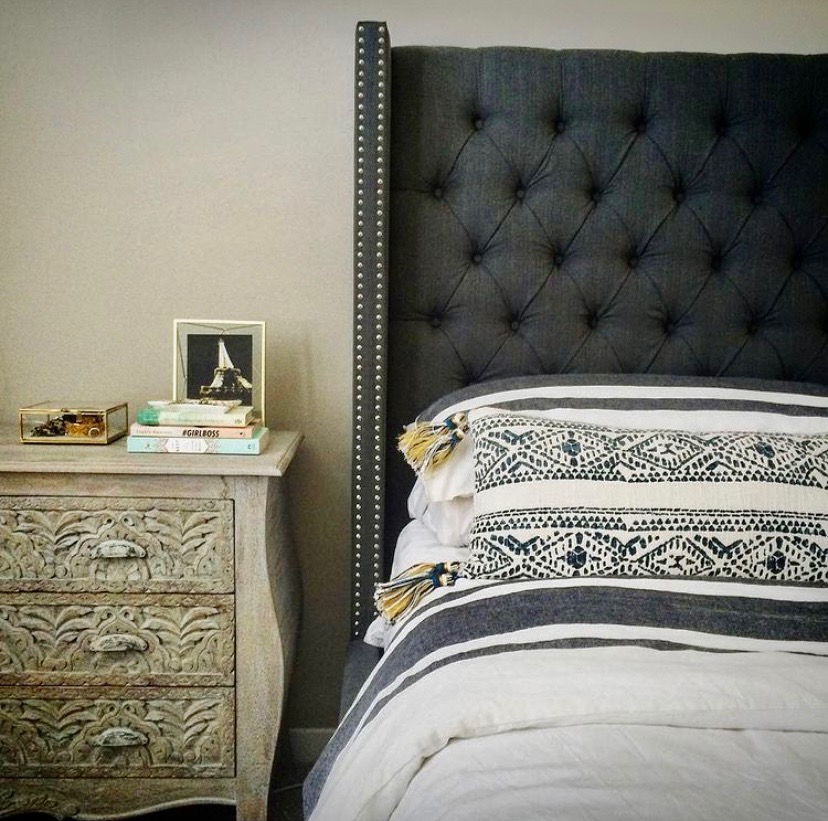
Credit: bashabyseema.com
Proportion And Scale
Proportion and scale are vital in a well-designed bedroom. Balancing furniture sizes creates a harmonious space. It ensures every piece complements the room’s dimensions. This balance brings a sense of order and calm.
Small And Large Pieces
Mixing small and large furniture can be tricky. Place a large bed as the room’s focal point. Match it with smaller nightstands. These contrasts can enhance visual interest. A large wardrobe may pair well with a delicate chair. Keep proportions balanced to avoid overwhelming the space.
Creating Visual Flow
A smooth visual flow connects furniture pieces naturally. Arrange items to guide the eye around the room. Use height variation to create levels. A tall lamp beside a low chair can achieve this. Symmetrical arrangements often enhance flow. Aligning furniture with architectural features also helps.
Incorporating Statement Pieces
Mixing furniture in the bedroom creates a unique and inviting space. Use statement pieces like a bold headboard or an antique dresser to add personality. Balance these with neutral elements for a cohesive look.
Incorporating statement pieces in your bedroom can transform it into a unique and personalized space. These elements are not just about aesthetics but also about reflecting your personality and style. You can use statement pieces to set the tone or to break the monotony of the room.Art And Decor
Consider hanging a large, eye-catching piece of art on your bedroom wall. This could be a painting, a print, or even a tapestry. The art you choose should resonate with you, perhaps a piece that evokes emotion or brings back fond memories. Think about the colors and themes in your artwork. They should complement or contrast with your existing furniture and decor, creating harmony or intriguing dissonance. Decor items such as sculptures or decorative mirrors can also serve as statement pieces. Place them strategically to draw attention and add depth to your room’s layout.Unique Furniture Items
Why settle for a standard bed frame or nightstand when you can opt for something extraordinary? Consider a vintage or custom-designed piece that stands out in style and craftsmanship. A distinctive armchair or dresser can become a focal point, adding character and narrative to your space. It’s not just about the look; it’s about the story and uniqueness these items bring. Mixing different textures and materials can add a dynamic feel to your bedroom. Imagine the contrast of a sleek metal lamp on a rustic wooden table. How does it change the vibe of your room?Functional Layout Strategies
Creating a functional bedroom involves mixing furniture styles effectively. Balance is key. Pair a sleek modern bed with vintage nightstands to create contrast. Use a neutral color palette to unify different pieces. This approach maintains harmony and ensures the room feels cohesive and inviting.
Creating a functional bedroom layout involves thoughtful planning. It combines aesthetics with practicality. When mixing furniture, focus on both beauty and utility. This ensures a harmonious and efficient space. Explore strategies that maximize your bedroom’s potential.Optimizing Space
Make use of every corner. Place your bed against a wall to open up the room. Use vertical storage options like shelves and tall dressers. Consider multi-functional furniture. A bed with drawers or a foldable desk saves space. Opt for sliding doors on wardrobes to avoid blocking walkways. Keep pathways clear to enhance movement.Zoning For Comfort
Create separate zones for different activities. Divide the room into sleeping, dressing, and relaxing areas. Use rugs or curtains to define zones. Position a chair by the window for a reading nook. Place a small table near the bed for a cozy feeling. This segmentation helps in maintaining order and comfort. It turns your bedroom into a versatile space.Lighting And Ambiance
Lighting and ambiance play a crucial role in how your bedroom feels and functions. The right mix of lighting can transform your space, highlighting the unique blend of furniture you’ve chosen. Whether you’re working with abundant natural light or relying on artificial sources, understanding how to use these elements can make your bedroom both stylish and serene.
Natural Light
Maximizing natural light in your bedroom can dramatically change its ambiance. Start by arranging furniture in a way that doesn’t block windows. Use light, airy curtains to let in more sunlight while maintaining privacy.
Consider the placement of mirrors opposite windows to reflect and amplify natural light. This not only brightens the room but can also make it appear larger. Do you have a reading nook? Position it near a window to take advantage of daylight, making your reading experience more pleasant.
Artificial Illumination
Artificial lighting is essential for setting the right mood when the sun goes down. Layer your lighting with a mix of overhead lights, table lamps, and floor lamps. This approach allows you to adjust the ambiance according to your activities or mood.
Select bulbs that emit warm, soft light for a cozy and relaxing atmosphere. LED bulbs with dimmable options offer flexibility and energy efficiency. Have you thought about using string lights or sconces to add a decorative yet functional touch?
Remember, the goal is to create a harmonious blend of natural and artificial light that complements your bedroom’s furniture and decor. What’s your favorite way to illuminate your space?

Credit: www.facebook.com
Frequently Asked Questions
Is It Okay To Mix Furniture Colors In A Bedroom?
Mixing furniture colors in a bedroom is perfectly fine. It adds character and visual interest. Ensure harmony by balancing bold and neutral tones. Consider the room’s overall theme and mood for cohesion. Experiment with colors, textures, and materials to create a personalized, inviting space.
What Is The Best Way To Arrange Furniture In A Bedroom?
Place the bed against the room’s longest wall for balance. Position nightstands on either side for convenience. Ensure clear pathways around furniture for easy movement. Use multi-functional pieces like storage benches to maximize space. Arrange dressers opposite the bed for symmetry and accessibility.
Can You Mix Light And Dark Furniture In A Bedroom?
Yes, mixing light and dark furniture in a bedroom creates visual contrast. Balance both tones for harmony. Pair light walls with dark furniture for depth. Use accessories to tie the look together. Experiment with textures to enhance the aesthetic.
Should All Furniture Match In A Bedroom?
Furniture in a bedroom doesn’t need to match perfectly. Mixing styles can create a unique and personal space. Balance and harmony are key. Consider colors, textures, and sizes for a cohesive look. Personal preference and comfort should guide your choices.
Conclusion
Mixing furniture in the bedroom creates a unique, inviting space. It’s all about balance. Combine different styles for a personal touch. Avoid clutter by choosing pieces that complement each other. Vary textures and colors to add depth. Remember, the goal is comfort and functionality.
Experiment with layouts and arrangements. Use furniture to express your style. Don’t fear trying new things. Keep it simple, yet stylish. Your bedroom should feel like a retreat. A place to relax and recharge. Mixing furniture can make it special.
Let creativity guide your choices. Transform your bedroom into a haven.