
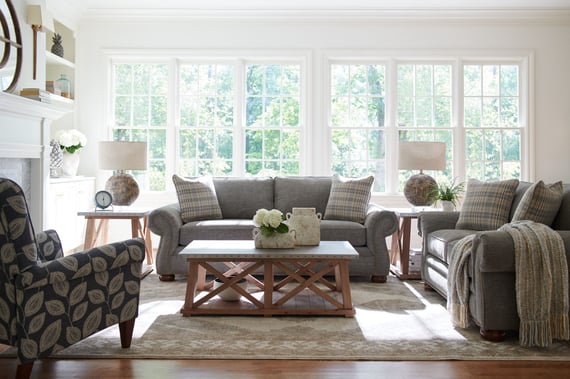
Are you looking to refresh your living room without buying everything new? Mixing and matching furniture is a smart way to create a unique, cozy space that truly reflects your style.
But it can feel tricky to know where to start. What colors work together? How do you balance different shapes and sizes? In this guide, you’ll discover simple tips to blend pieces seamlessly, making your living room both stylish and inviting.
Keep reading, and soon you’ll have a space that feels like home and impresses every guest who walks in.
Color Harmony
Color harmony creates a balanced and inviting living room. It helps different furniture pieces look like they belong together. Using colors that work well can make your space feel calm and stylish. Understanding how to mix colors is key to a beautiful room.
Choosing A Color Palette
Select a main color to build your palette around. Pick two or three colors that match well. Use a color wheel to find colors that complement each other. Stick to shades that suit your style and room size.
Try these tips:
- Choose one strong color for large furniture.
- Add one or two softer colors for smaller items.
- Include a neutral color like white, gray, or beige.
This approach keeps the room balanced and easy on the eyes.
Balancing Bold And Neutral Tones
Bold colors bring energy and focus to your living room. Neutral tones calm the space and make bold colors stand out. Mix them carefully for a pleasing effect.
Use bold colors on:
- Accent chairs or cushions
- Rugs or curtains
- Artwork or small decor items
Neutrals work well on large pieces like sofas or walls. This balance prevents the room from feeling too busy or dull.
:max_bytes(150000):strip_icc()/CarinaSkrobeckiPhoto_JessicaNelsonDesign_252222ndAve_01-47bc103d13e34f8d89179a86e968e7eb-5b0a8608f5c64a999203309e3fd0af57.jpg)
Playing With Patterns
Playing with patterns breathes life into your living room. Patterns add character and charm to plain spaces. They make your furniture pop and create visual interest. Mixing patterns might seem tricky but can be fun and rewarding. The key lies in balance and harmony.
Incorporating Textures
Texture adds depth and feel to your furniture mix. Combine smooth, rough, soft, and hard surfaces for richness. Think velvet cushions with a leather sofa or a jute rug under a sleek coffee table. Textures create contrast that makes patterns stand out more. Avoid too many similar textures to keep the space lively.
Mixing Different Prints
Different prints bring energy to your living room setup. Combine stripes, florals, and geometric shapes with care. Keep one print dominant and others as accents to avoid chaos. Choose prints with at least one matching color to tie them together. Small and large patterns work well side by side. This method keeps the look balanced and fresh.
Combining Furniture Styles
Combining different furniture styles creates a unique and personal living room. Mixing styles can add depth and character to your space. It invites creativity and allows your personality to shine through. Balancing various designs requires attention to color, scale, and texture. The goal is harmony, not chaos. Below are ways to blend styles effectively.
Modern Meets Vintage
Pair sleek modern pieces with classic vintage furniture for a fresh look. Modern designs offer clean lines and minimalism. Vintage items bring warmth and rich history. Use neutral colors to bridge the styles smoothly. For example:
- A glass coffee table with an antique wooden armchair
- Simple modern sofas beside vintage lamps
- Metallic accents with distressed wood finishes
Keep accessories simple to avoid clutter. This mix balances new and old gracefully.
Eclectic Arrangements
Eclectic style welcomes a variety of furniture from different periods and cultures. It allows bold color and pattern mixing. Start with a neutral base to ground the room. Add standout pieces such as:
- Brightly patterned rugs
- Unusual chairs or side tables
- Artworks with contrasting themes
Use repetition of colors or shapes to tie the look together. This style is playful and full of surprises.
Proportion And Scale
Proportion and scale are key when mixing and matching furniture in your living room. They determine how well different pieces work together visually and functionally. Getting this right creates harmony, making your space feel inviting rather than chaotic.
Finding The Right Balance
Start by comparing the sizes of your furniture pieces. A large sectional next to a tiny coffee table can throw off the room’s balance. Aim for a mix where no item feels too overpowering or too insignificant.
Think about the height, width, and depth of each piece. If your sofa is tall, pair it with chairs that have a similar height or complementing shapes. This prevents one piece from dominating the room and helps create a cohesive look.
Ask yourself: Does this chair feel lost next to the sofa? Or does the side table feel like it’s taking up too much space? Adjust until each item feels like it belongs.
Arranging For Space Efficiency
Proportion isn’t just about looks—it affects how you use your living room. Efficient arrangement lets you move comfortably without bumping into furniture.
Use smaller pieces to fill gaps without overcrowding. For example, slim armchairs or narrow consoles can fit where bulky furniture won’t. This keeps the room functional and open.
Try grouping furniture based on size to create zones. Place larger items together to anchor the space, then add smaller pieces around them for flexibility. This layout encourages easy flow and maximizes usable space.
Focal Points And Accents
Focal points and accents bring life to your living room. They draw attention and create interest. These elements help balance different furniture pieces. They also add personality and style to the space.
Using Statement Pieces
Statement pieces serve as the centerpiece of your living room. A bold sofa or colorful armchair can catch the eye instantly. Choose furniture with unique shapes or vivid colors. These pieces set the tone for the entire room.
Limit statement pieces to one or two to avoid clutter. Pair them with simpler furniture to keep balance. Use fabrics, patterns, or designs that reflect your personality. Statement pieces make your living room memorable and inviting.
Highlighting Architectural Features
Architectural features like fireplaces or large windows create natural focal points. Arrange furniture to emphasize these elements. Place seating around a fireplace to create a cozy gathering spot.
Use lighting to draw attention to moldings or built-in shelves. Select accent pieces that complement the room’s structure. Highlighting these features enhances the room’s charm and character.

Layering With Accessories
Layering with accessories brings your living room furniture mix to life. It adds depth, personality, and a sense of completion to your space. Accessories let you play with textures, colors, and styles without overwhelming your room.
Cushions And Throws
Think beyond just comfort—cushions and throws are your best tools to tie different furniture pieces together. Pick cushions in varying sizes and shapes to create visual interest.
Mix solid colors with patterns that complement your furniture tones. For example, if you have a neutral sofa, bright patterned cushions can add a lively contrast.
Throws serve a dual purpose: they soften hard furniture edges and introduce new textures like chunky knits or smooth velvet. Have you tried draping a throw casually over your armchair? It instantly makes the space feel inviting.
Artwork And Wall Decor
Walls offer a blank canvas to enhance your layered look. Choose artwork that reflects your style but also connects with the furniture’s color palette.
Consider grouping smaller pieces to form a gallery wall that balances large furniture items. This can prevent the room from feeling one-dimensional.
Wall decor doesn’t have to be limited to paintings. Mirrors, shelves with small plants, or even textile hangings can add unexpected texture and dimension.
What emotions do you want your living room to evoke? Use your wall accessories to reinforce that mood and make your mixed furniture feel cohesive.
Lighting And Ambiance
Lighting shapes the feel of your living room. It highlights furniture and sets the mood. Proper lighting blends style and function. It enhances your mix and match décor.
Choosing Light Fixtures
Select fixtures that fit the room’s style. Mix modern and classic designs for balance. Use varied sizes and shapes for interest. Consider ceiling lights, floor lamps, and table lamps.
- Chandeliers add elegance and focus.
- Floor lamps bring height and softness.
- Table lamps offer cozy, close lighting.
- Wall sconces save space and add flair.
Choose fixtures with colors and materials that complement furniture. Match metal finishes or wood tones to unify the space.
Creating Mood With Lighting
Layer your lighting for different moods. Combine ambient, task, and accent lights.
- Ambient lighting fills the room softly.
- Task lighting helps with reading or hobbies.
- Accent lighting highlights art or plants.
Use dimmers to control brightness easily. Warm bulbs create a welcoming and relaxed atmosphere. Cool bulbs give a fresh and lively feel.
Functional Considerations
Functional considerations are key when mixing and matching furniture in your living room. It’s not just about how things look but how well they serve your daily needs. Paying attention to these aspects ensures your space feels both inviting and practical.
Adapting To Lifestyle Needs
Your living room should reflect how you live. If you entertain often, prioritize seating that encourages conversation and easy movement. Think about adding modular sofas or chairs that can be rearranged quickly to fit different group sizes.
Do you have kids or pets? Choose durable fabrics and sturdy frames that stand up to wear and tear. Adding storage furniture like ottomans or side tables with drawers can keep clutter out of sight while staying within reach.
Consider the flow of your daily routines. Place furniture where it supports your habits, such as a reading nook near natural light or a coffee table within easy reach of your sofa. How does your current setup support or hinder your lifestyle?
Enhancing Comfort And Utility
Comfort should never be sacrificed for style. Test seating options to ensure they feel good for long periods. Mixing different chair heights and cushioning types can add variety and cater to individual preferences.
Look for pieces that pull double duty. A bench with hidden storage or a side table that doubles as a lamp stand adds utility without cluttering your space. Lighting also plays a role; adjustable lamps help create a cozy atmosphere while serving practical needs.
Ask yourself: does each piece make your living room more enjoyable or just fill space? Prioritize furniture that invites relaxation and supports your daily activities, making your room a true comfort zone.

Frequently Asked Questions
How Do I Start Mixing Furniture Styles In My Living Room?
Begin by choosing a focal piece, then add contrasting styles gradually. Balance colors and textures to create harmony. Use rugs and cushions for cohesion. Mixing styles adds personality and depth to your living room decor.
What Colors Work Best When Mixing Living Room Furniture?
Neutral colors blend well with vibrant accents. Choose a base color for large pieces. Add complementary or contrasting hues in smaller items. This approach creates visual interest without overwhelming the space. Balanced color schemes enhance mix-and-match furniture looks.
How To Balance Old And New Furniture In Living Rooms?
Combine vintage and modern pieces by matching their scale and color tones. Use accessories like pillows and throws to link styles. Keep the layout functional and open. This balance creates a cozy yet fresh living room atmosphere.
Can Mixing Furniture Affect Living Room Space Visually?
Yes, mixing furniture can visually expand or shrink space. Use lighter colors and slim designs for openness. Bulky or dark pieces may overwhelm small rooms. Thoughtful arrangement improves flow and makes the room feel inviting.
Conclusion
Mixing and matching furniture can create a unique living room. Choose pieces that share colors or styles for balance. Don’t be afraid to try different textures and shapes. Keep the space comfortable and functional. Trust your instincts and have fun designing.
Small changes can make a big difference. Your living room will reflect your personality beautifully. Enjoy the process of making it your own.