

Imagine walking into a bedroom that truly reflects your personality, where each piece of furniture tells a story and creates a harmonious space. If you’re tired of cookie-cutter bedroom sets and crave a unique vibe, mixing and matching your bedroom furniture might be the perfect solution for you.
This guide will show you how to artfully combine different styles and pieces without compromising on comfort or functionality. You’ll discover tips that will not only elevate your room’s aesthetic but also make it feel like a curated masterpiece. As you read on, you’ll learn how to create a bedroom that’s not just a place to sleep, but a personal sanctuary that feels distinctly yours.
Ready to transform your space into something spectacular? Let’s dive in!

Credit: www.washingtonpost.com
Choosing A Style
Choosing a style for your bedroom furniture sets the tone. It reflects your personality and enhances the room’s ambiance. Mixing and matching furniture requires creativity and understanding of different styles. This ensures a cohesive look that feels inviting.
Identifying Personal Preferences
Start by identifying your personal preferences. Consider colors, textures, and materials that make you feel comfortable. Do you lean towards traditional designs with wood and intricate carvings? Or do modern, sleek lines appeal more to your taste?
Make a list of what you love in decor. This helps you narrow down choices when selecting furniture pieces. Think about how the pieces will work together in harmony. Ensure they align with your overall vision for the bedroom.
Exploring Popular Trends
Explore popular trends to find inspiration. Browse magazines and online platforms for current styles. Mid-century modern and minimalist designs are trending now. These styles focus on clean lines and functionality.
Consider eclectic styles that mix patterns and textures. This approach creates a unique and personalized space. Popular trends offer ideas that you can adapt to suit your taste. Blending trendy elements with your preferences creates a balanced look.
Color Coordination
Mixing and matching bedroom furniture creates a balanced look. Choose colors that complement each other for harmony. Coordinate wood tones and upholstery to achieve a unified style.
Color coordination is essential when mixing and matching bedroom furniture. It can dramatically transform the look and feel of your space. By thoughtfully selecting hues that complement each other, you can create a cohesive and inviting atmosphere.Understanding Color Psychology
Colors have the power to influence your mood and energy levels. Think about how you feel in a room painted in soothing blues versus fiery reds. Blues can evoke calmness and serenity, making them perfect for a restful bedroom environment. Consider what emotions you want to evoke in your space. Do you want a tranquil oasis or a vibrant sanctuary? Selecting furniture colors that align with your desired mood can enhance your overall experience in the room.Creating A Harmonious Palette
Start by choosing a base color for your room. This could be the color of your walls or the largest piece of furniture. Use this as a guide to select complementary colors for other pieces. You might opt for a monochromatic scheme, using varying shades of the same color, or a contrasting palette for a bolder look. Mixing light and dark shades can add depth and interest. When I revamped my bedroom, I chose a soft gray for the walls and paired it with white and teal furniture. This combination offered a modern yet calming feel. What colors resonate with you and your style? Consider how different combinations can change the dynamic of your space.Balancing Textures
Balancing textures in bedroom furniture can create a harmonious space. It gives depth and interest to the room. Mixing textures involves combining smooth, rough, soft, and hard surfaces. This creates a visually appealing atmosphere.
Incorporating Varied Materials
Integrate different materials to balance textures effectively. Use a wooden dresser with a metal bed frame. Pair a velvet chair with a glass nightstand. These contrasts enhance the room’s aesthetic.
Consider materials like wool, linen, and leather. Each brings its own texture and feel. Ensure they complement each other. This blend provides a balanced and inviting look.
Achieving A Cohesive Look
Maintain a theme while mixing textures. Choose a consistent color palette. This ties varied textures together. Match the style of each piece. Avoid clashing patterns and colors.
Use textures to highlight specific areas. A plush rug can anchor the room. A textured wallpaper adds depth to the walls. Balance is key to achieving a cohesive design.

Credit: www.washingtonpost.com
Mixing Patterns
Mixing patterns in bedroom furniture creates a dynamic and cozy space. Combine various textures and colors for a balanced look. Choose contrasting elements like a striped bedspread with floral pillows to add depth.
Mixing patterns in your bedroom can create a vibrant atmosphere. Patterns add depth and interest to a space. They can transform an ordinary room into a unique haven.Selecting Complementary Designs
Choose designs that blend well together. Consider the color palette in your room. Match patterns with similar colors for harmony. Geometric shapes pair well with simple stripes. Floral patterns blend nicely with plain textures. Use a mood board to visualize combinations. This helps in selecting designs that complement each other.Avoiding Pattern Overload
Balance is key in pattern mixing. Too many patterns can overwhelm a space. Limit your patterns to three or four. Use one pattern as the dominant theme. Ensure others are subtle and understated. Distribute patterns evenly across the room. This prevents clustering and maintains flow. Pay attention to the scale of patterns. Large patterns work well on rugs and curtains. Smaller patterns suit pillows and lampshades.Proportion And Scale
Mixing and matching bedroom furniture involves understanding proportion and scale. Choose pieces that complement each other in size and design. Balance larger items with smaller accents to create harmony in your space.
Proportion and scale are key in mixing and matching furniture. They create harmony in a room. Without them, a space can feel chaotic. Understanding these concepts helps you choose pieces that complement each other. It ensures your room feels balanced and inviting.Choosing The Right Furniture Sizes
Furniture should fit the size of your room. Large furniture can overwhelm small spaces. Small pieces can look lost in large rooms. Measure your room before buying furniture. Compare these measurements with the furniture dimensions. This helps you visualize how pieces will look together. Consider the height of your furniture too. Tall pieces next to short ones can look awkward. Keep the heights balanced. This creates a cohesive look.Arranging For Visual Balance
Arrange furniture to create a sense of balance. Don’t crowd one side of the room. Spread pieces evenly across the space. Use symmetry to achieve balance. Place matching items on either side of a focal point. Mix furniture styles carefully. Blend different materials and finishes. Pair a wooden bed with metal nightstands. Use a variety of textures for interest. This adds depth to your room without overpowering it. Proportion and scale guide your choices. They help you create a harmonious bedroom. Follow these principles for a beautiful space.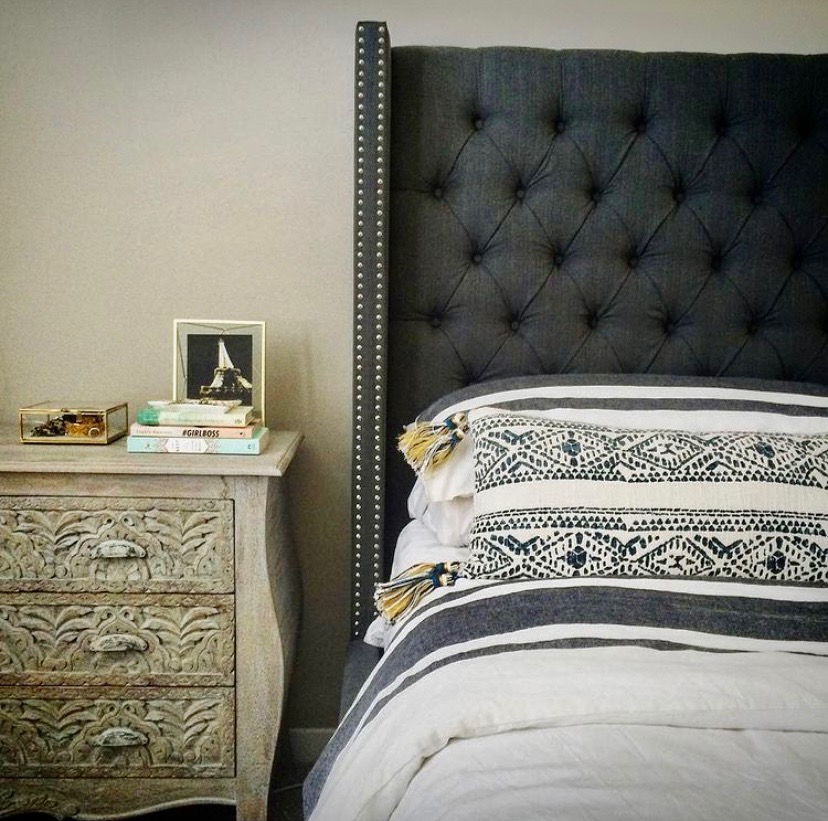
Credit: bashabyseema.com
Enhancing Functionality
Enhancing functionality in your bedroom is key to creating a harmonious space. Mixing and matching furniture not only adds style but also improves how you use your room. Focus on items that serve multiple purposes and meet your personal needs.
Maximizing Storage Solutions
Storage is crucial for keeping your bedroom tidy. Consider furniture with built-in storage, like bed frames with drawers. Use vertical space by adding tall wardrobes or shelving units. These help organize clothes, books, and other essentials.
Opt for nightstands with shelves or drawers. They offer space for items you need close by, like books or chargers. Multi-functional pieces, such as ottomans with hidden compartments, provide extra storage without taking up much room.
Prioritizing Comfort And Use
Comfort should be at the forefront when choosing bedroom furniture. Select a comfortable mattress that supports your body well. Chairs or benches near windows can create cozy reading nooks. Arrange furniture to allow easy movement.
Ensure lighting fixtures are positioned for convenience. Lamps should be within reach from your bed or seating areas. Choose furniture that suits your daily routines and enhances relaxation.
Incorporating Accessories
Incorporating accessories can bring harmony to mixed bedroom furniture. Use rugs and lamps to connect different styles. Add art pieces or plants for a cohesive look.
Incorporating accessories into your bedroom design can elevate your space from ordinary to extraordinary. These elements are the finishing touches that bring your mixed and matched furniture pieces together in harmony. Accessories reflect your personality and can transform your bedroom into a true reflection of who you are.Selecting Decorative Items
Choose items that speak to your style and complement your furniture. A stylish lamp or a vintage clock can add character to your nightstand. Consider textures and colors that tie in with your furniture to create a cohesive look. Artwork is another powerful accessory. Whether it’s a bold statement piece above the bed or a collection of small frames on a shelf, art can bring life and vibrancy to your room. Remember, art doesn’t have to match your furniture—it should resonate with you.Adding Personal Touches
Your bedroom should be a sanctuary that feels uniquely yours. Integrate personal touches like family photos, travel souvenirs, or handmade crafts. These items add warmth and tell a story, making your space truly personal. Consider your hobbies when adding personal touches. If you love reading, create a cozy nook with your favorite books and a comfy chair. Or, if you enjoy plants, add a few low-maintenance greens to bring in a touch of nature. What makes your bedroom feel like home? Reflect on this question as you choose accessories, ensuring your space is both functional and filled with joy.Sustainable Choices
Combine various styles and colors for a unique bedroom look. Balance shapes and textures for harmony. Choose sustainable materials for eco-friendly furniture.
Sustainable choices in bedroom furniture bring beauty and responsibility together. Opt for pieces that respect the environment and stand the test of time. This approach not only enhances your space but also contributes to a healthier planet. By selecting sustainable options, you show care for the earth and future generations.Opting For Eco-friendly Materials
Choose furniture made from sustainable materials like bamboo or reclaimed wood. These materials are renewable and reduce environmental impact. Bamboo grows quickly, making it a great choice for eco-friendly furniture. Reclaimed wood gives old materials new life, preventing waste. Look for furniture with non-toxic finishes. Water-based stains and paints are safer for your home and the planet. They minimize harmful chemical emissions, improving indoor air quality. Check for certifications like FSC (Forest Stewardship Council) or Rainforest Alliance. These labels ensure the wood comes from responsibly managed forests. Supporting such products helps maintain biodiversity and forest health.Considering Long-term Durability
Durability is key to sustainable furniture. Choose pieces that promise longevity, reducing the need for replacements. Solid wood furniture often lasts longer than particleboard. It withstands wear and tear better, making it a wise investment. Inspect furniture construction for quality craftsmanship. Dovetail joints and mortise-and-tenon are signs of sturdy build. Such techniques ensure your furniture withstands daily use and keeps its charm. Think about style versatility. Classic designs are less likely to go out of fashion. Neutral tones and simple lines can adapt to changing trends and tastes. This timeless appeal extends your furniture’s life, making it a sustainable choice.Frequently Asked Questions
Is It Okay To Mix And Match Bedroom Furniture?
Mixing and matching bedroom furniture is perfectly fine. Create a cohesive look with complementary colors and styles. Balance different textures and materials for a unique feel. Ensure functionality and comfort are prioritized. Personalize your space by blending modern and vintage pieces, enhancing the room’s character and charm.
Is It Okay To Mix Furniture Colors In A Bedroom?
Mixing furniture colors in a bedroom can create a visually interesting and personalized space. Harmonize different shades for a cohesive look. Balance is key; ensure colors complement each other. Use neutral tones to tie vibrant hues together. Experiment with textures and patterns to enhance the overall aesthetic.
How To Match Different Wood Furniture In A Bedroom?
Mix wood tones by choosing a dominant color, like dark or light. Balance the room with neutral accessories. Use similar undertones, such as warm or cool, for harmony. Incorporate textures to add depth. Complement with a unifying theme or style to create a cohesive look.
How To Avoid Matchy Matchy Bedroom?
Mix textures and patterns for a dynamic look. Use complementary colors instead of identical shades. Incorporate unique furniture pieces. Add art and accessories with varied styles. Layer different materials like wood, metal, and fabric to create depth.
Conclusion
Mixing and matching bedroom furniture brings a fresh look. Express your style with colors, textures, and designs. Create harmony by balancing different elements. Trust your instincts to find what looks good. Choose pieces that speak to you. Experiment until you find the perfect blend.
Remember, personal style matters most. Don’t hesitate to try new combinations. A well-mixed room feels warm and inviting. Your bedroom can become a reflection of you. Keep it simple, yet stylish. Enjoy creating a space you’ll love.