

Have you ever wondered how to make watercolor paint at home? Imagine creating your own vibrant colors, tailored just for you.
Making watercolor paint can be a fulfilling and surprisingly simple process. Whether you’re an artist searching for a personal touch or a parent looking for a fun activity with your kids, this guide is perfect for you. By crafting your own paints, you not only save money but also gain full control over the materials you use.
Dive into this colorful adventure and discover the joy of painting with pigments you’ve made yourself. Ready to explore the magical world of homemade watercolor paints? Let’s get started!
Materials Needed
Gather gum arabic, water, glycerin, and honey for making watercolor paint. Use food coloring or natural pigments for color. Have mixing bowls and airtight containers ready for storage.
Creating your own watercolor paints at home can be a delightful and rewarding experience. Not only do you get to customize your colors, but you also gain a deeper understanding of the art-making process. Before you dive into making your homemade paints, it’s crucial to gather all the necessary materials. This ensures a smooth crafting journey and helps you achieve vibrant, long-lasting colors. So, what exactly do you need? Let’s break it down.Essential Ingredients
To craft watercolor paints, you’ll need a few basic ingredients:- Gum Arabic:This natural binder is crucial for making your pigments adhere to paper.
- Pigments:Choose high-quality, powdered pigments for vibrant colors. These can be sourced online or from local art stores.
- Distilled Water:Helps in mixing and ensuring the consistency of your paint is just right.
- Honey or Glycerin:These additives help to keep the paint moist and improve the flow.
Tools And Equipment
Alongside the essential ingredients, you’ll need some tools:- Mixing Bowls:Small bowls are perfect for blending your pigments with the binder.
- Palette Knife:Useful for mixing and scraping paint from surfaces.
- Measuring Spoons:Precision matters in paint making, so these are indispensable.
- Paint Tubes or Pans:For storing your finished paints, choose between tubes for easy squeezing or pans for a more traditional approach.
Preparing The Pigment
Grinding pigments into fine powder is essential for homemade watercolor paint. A mortar and pestle work well for this task. Ensure the pigment is smooth and even for best results.
Preparing the pigment is a crucial step in making watercolor paint at home. This process involves extracting and refining color from natural materials. Once you have vibrant pigments, your watercolor paints will bring life to your artwork. Let’s dive into the process of selecting and preparing pigments for your DIY watercolor journey.Choosing Natural Sources
Select natural materials that can produce vibrant colors. Vegetables like beets and spinach offer rich hues. Fruits such as blueberries and blackberries are also excellent sources. Flowers like marigolds and calendula provide bright yellows and oranges. Herbs and spices, like turmeric and paprika, yield warm tones. Always choose fresh and organic materials for the best results.Grinding Techniques
Grinding transforms raw materials into fine pigment. Begin by drying your chosen natural source. Use a mortar and pestle for manual grinding. This method offers better control over the texture. Ensure the particles are fine and even for smooth paint. For larger batches, a coffee grinder might be more efficient. Always sieve the ground material to remove larger particles. This ensures the pigment mixes well with the binder.Mixing The Binder
Mixing the Binder Create a smooth binder by blending gum arabic with water. Ensure it dissolves completely for a perfect mix.
Mixing the binder is a crucial step in making your own watercolor paint at home. The binder is what holds the pigment together and allows it to adhere to paper when painting. It’s the secret ingredient that transforms mere color into a workable paint. Choosing the right binder and preparing it properly can make all the difference in the texture and longevity of your homemade watercolors. Let’s dive into how you can select and prepare the binder for your artistic creations.Selecting A Binder
Choosing the right binder is key to achieving the perfect watercolor consistency. Most artists opt for gum arabic due to its excellent adhesive properties and translucency. It’s a natural gum made from the sap of the acacia tree, making it an eco-friendly choice. However, if you’re looking for alternatives, honey can also be used to add a glossy finish and improve the flow of the paint. Honey acts as a natural humectant, keeping the paint moist and easy to rehydrate. Consider experimenting with both to find your preferred texture. Does your painting style demand more flow or more control?Binder Preparation Steps
Start by measuring the gum arabic powder. A typical ratio is about two parts water to one part gum arabic powder. This ensures a smooth mixture without lumps. Next, heat the water until warm but not boiling. Slowly add the gum arabic to the warm water, stirring continuously until it fully dissolves. Patience is key here to ensure a consistent binder. Once dissolved, you can add a few drops of preservative like clove oil to prevent mold. Store your binder in an airtight container for later use. Remember, each step in preparing the binder affects your final paint quality. Have you tried adjusting the water-to-gum ratio for different effects? Experimentation is the heart of creativity!
Credit: www.youtube.com
Combining Pigment And Binder
Combining pigment and binder forms the base of homemade watercolor paint. Mix natural pigments with a simple binder like gum arabic. Adjust the mixture to achieve your desired consistency and color.
Combining Pigment and Binder is a key step in making watercolor paint at home. This process ensures the paint has the right consistency and color. The pigment provides the color, while the binder holds it together. With the correct balance, your homemade watercolor will be vibrant and smooth.Proportions And Ratios
Understanding proportions is crucial for perfect paint. Typically, use two parts binder to one part pigment. This ratio creates smooth paint that spreads well. Adjust the ratio if you want thicker or thinner paint. Experiment with small batches to find your preferred texture.Mixing Methods
Mixing methods vary based on tools available. Use a palette knife for a thorough blend. Stir the pigment and binder until they form a paste. For larger batches, a mortar and pestle can be handy. Consistency is key; ensure no lumps remain in the mixture. This ensures the paint flows smoothly on paper.Adjusting Consistency
Creating watercolor paint at home is a rewarding project. Adjusting the consistency is crucial for achieving the perfect paint. This step ensures the paint flows smoothly on paper. Consistency affects the brightness and coverage of your colors. It’s essential to find the right balance. Too thick, and the paint won’t spread. Too thin, and the color will be pale. Let’s explore how to adjust and perfect your watercolor paint.
Testing For Desired Texture
Start by testing a small amount of paint. Use a brush to apply it on paper. Observe how the paint spreads. Notice if it drags or flows easily. Adjust by adding more water for a smoother texture. If the paint is too thin, mix in more pigment. Repeat this test to achieve the desired texture.
Troubleshooting Common Issues
Encountering problems with consistency is common. If the paint is too runny, add more pigment. Stir well to blend. If the paint is too thick, incorporate more water. Mix thoroughly until smooth. Ensure the paint is lump-free. Strain through a fine mesh if needed. Test frequently to monitor changes.
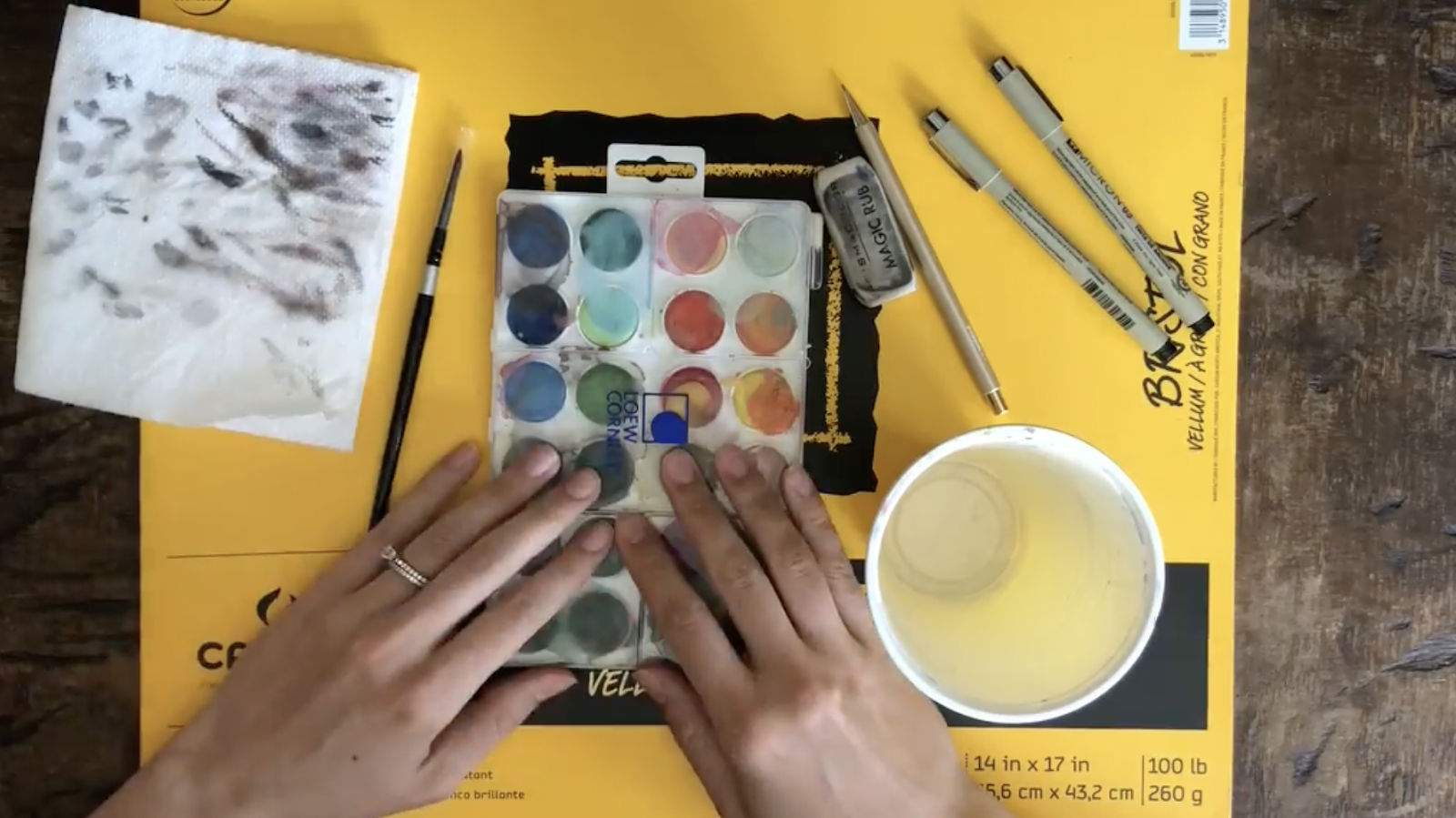
Credit: www.skillshare.com
Storing Homemade Paint
To store homemade watercolor paint, use airtight jars or containers. This prevents drying and keeps colors vibrant. Keep them in a cool, dark place for best results.
Storing your homemade watercolor paint properly is crucial to maintaining its vibrancy and usability over time. Imagine the satisfaction of reaching for your meticulously crafted colors and finding them as fresh and radiant as the day you made them. The key lies in choosing the right containers and following smart storage practices.Container Selection
Choosing the right container can make all the difference in preserving your paint’s quality. Opt for airtight jars or bottles to prevent drying out and contamination. Glass containers are often favored because they don’t react with the paint, ensuring your colors remain unchanged. If you’re repurposing old jars, make sure they’re thoroughly cleaned to avoid any residue mingling with your pigments.Storage Tips
When storing your homemade paints, keep them in a cool, dry place. Excessive heat can alter the consistency and color of your paints, while moisture can invite mold. Label each container with the date and color name, so you can easily track the freshness and composition of your paints. Have you ever opened a jar and thought, “What on earth is this color?” Avoid that confusion by keeping organized labels. Lastly, consider how often you plan to use your paints. Frequent use may require more accessible storage, while occasional painters might opt for more tucked-away solutions. How do you like your creative process to flow? Tailor your storage choices to fit your artistic rhythm and watch your homemade paints flourish.Creative Uses And Techniques
Creating watercolor paint at home offers a fun and artistic challenge. Mix pigments with water and gum arabic for vibrant colors. Adjust the consistency to your preference, and experiment with different materials for unique effects.
Creating your own watercolor paint at home opens up a world of creative uses and techniques. It’s not just about mixing pigments; it’s about discovering new ways to express yourself. By experimenting with different methods, you can develop unique styles and effects that set your artwork apart.Experimenting With Colors
Unleashing your inner artist starts with experimenting with colors. Mixing your own hues can lead to unexpected and exciting results. Try blending different natural ingredients, such as turmeric for yellow or beet juice for red, to see what unique shades you can create. Consider creating a color wheel with your homemade paints. This will help you understand how colors interact and complement each other. You might even discover a signature color that becomes a hallmark of your work. Don’t be afraid to break traditional rules. Who says you can’t mix colors that don’t usually go together? Sometimes the most beautiful art comes from bold, unexpected choices. What new color combinations will you discover?Application Techniques
Once you’ve crafted your colors, it’s time to explore different application techniques. Each technique can produce a vastly different effect, adding depth and dimension to your artwork. Try using a variety of brushes to see how each one affects the paint’s texture on the paper. A wide brush might create a soft, flowing wash, while a finer brush can add intricate details and lines. Experiment with adding water to your paint to create gradients and layers. You can use techniques like wet-on-wet for soft blends or wet-on-dry for sharper edges. Each method offers unique challenges and rewards. Have you tried using unconventional tools? Items like sponges, feathers, or even your fingers can create interesting textures. These tools can bring a new level of creativity to your painting process, making your art truly unique. By embracing experimentation and technique, you can transform simple ingredients into stunning works of art. What will your next masterpiece look like?
Credit: www.youtube.com
Frequently Asked Questions
How Do I Make My Own Watercolor Paint?
Mix gum arabic with distilled water in a jar. Add pigment powder gradually until desired color intensity. Stir well. Store in airtight containers.
What Can I Use Instead Of Watercolor Paint?
Try using gouache, acrylics, or colored pencils as alternatives. Gouache offers a matte finish, while acrylics provide vibrant colors. Colored pencils are versatile and easy to control. Each medium provides unique effects similar to watercolor. Choose based on your artistic needs and preferences.
What To Mix With Water To Make Paint?
Mix water with powdered tempera, watercolor paint, or acrylic paint to create vibrant colors. Adjust the water ratio for desired thickness. Use a palette for blending and mixing colors effectively. Ensure the mixture is smooth for better application and coverage on surfaces.
How To Turn Regular Paint Into Watercolor?
Mix regular paint with water to create a watercolor effect. Start with a small amount of water, gradually adding more until the desired consistency is achieved. Use a palette to blend and experiment with different ratios to achieve transparency and fluidity similar to traditional watercolors.
Conclusion
Creating watercolor paint at home is fun and rewarding. You save money and explore your creativity. With simple ingredients, you mix colors that suit your style. Experiment with different pigments for unique shades. Homemade paints offer endless possibilities. Share your creations with friends or family.
Enjoy the painting process and the satisfaction of DIY. It’s an artistic adventure that begins in your kitchen. So, gather your supplies and start crafting your own watercolor masterpieces today. Happy painting!