
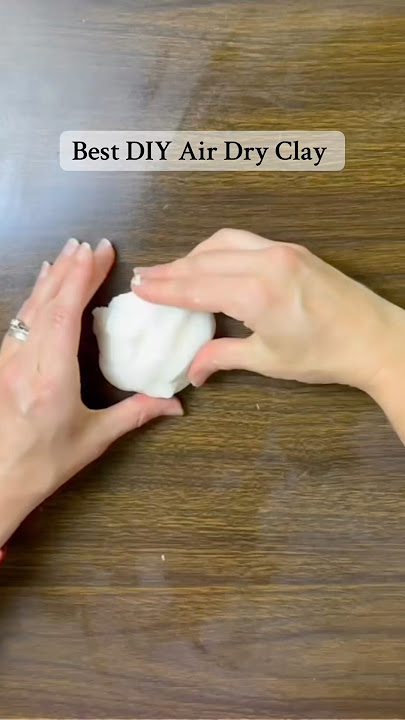
Are you ready to create beautiful brown clay right in your own home? Whether you want to craft unique pottery, make DIY decorations, or enjoy a fun hands-on project, making brown clay yourself is easier than you think.
Imagine having the perfect clay that matches your style and needs without spending extra money. In this guide, you’ll discover simple steps to make brown clay using materials you probably already have. Keep reading, and soon you’ll be turning ordinary ingredients into something amazing!

Credit: m.youtube.com
Materials Needed
Gathering the right materials is the foundation of making brown clay at home. Knowing exactly what you need saves time and ensures a smoother crafting experience. Let’s break down the essentials so you can prepare your workspace effectively.
Essential Ingredients
- Natural Clay Powder:The base of your brown clay, choose fine, clean clay for the best texture.
- Water:Use clean, room-temperature water to mix with the clay powder.
- Brown Pigment or Earth Pigments:These give the clay its characteristic brown color. You can use natural ochre or mix red, yellow, and black pigments.
- Fine Sand (optional):Adds texture and strength to your clay if you want a less smooth finish.
- Binder (like white glue or flour paste):Helps the clay hold together better when drying or firing.
Have you ever thought about how the color of your clay affects your final project? Using natural pigments not only changes the hue but can also influence the clay’s workability.
Tools And Equipment
- Mixing Bowl:A medium-sized bowl for combining your ingredients comfortably.
- Measuring Cups and Spoons:Accuracy matters when mixing water and pigments.
- Stirring Stick or Spoon:For thorough mixing without making a mess.
- Sieve or Fine Strainer:To remove lumps from the clay powder or sand.
- Plastic Wrap or Airtight Container:Keeps your clay moist when stored.
- Gloves (optional):Protect your hands if you’re sensitive to clay or pigments.
Think about how each tool can affect your clay’s consistency. For instance, using a sieve might seem tedious, but it’s what made my clay smooth enough to sculpt delicate details. What tools do you already have that could make this process easier?
Choosing The Right Clay
Choosing the right clay is the first step to make brown clay at home. The type of clay you select affects the texture, color, and final result. Natural clays come in many forms, each with unique properties. Knowing these will help you pick the best one for your project.
Types Of Natural Clays
Natural clays vary in color, plasticity, and mineral content. The common types include:
- Kaolin Clay:White and smooth, ideal for fine texture.
- Ball Clay:Plastic and flexible, mixes well with other clays.
- Fire Clay:Heat resistant and dense, good for durability.
- Bentonite Clay:Absorbs water and swells, useful for binding.
- Red Clay:Rich in iron, gives reddish-brown tones.
Mixing different clays can help achieve the perfect brown shade and texture.
Where To Source Clay
Finding quality clay is simple with these options:
- Local Riverbeds:Look for soft, fine clay along riverbanks.
- Garden Centers:Some sell natural clays for pottery and crafts.
- Online Stores:Purchase specific clay types with detailed descriptions.
- Construction Sites:Clay-rich soil is often found in unpaved areas.
- Pottery Studios:Ask for leftover or scrap clay.
Test the clay before use by feeling its texture and checking for impurities.
Preparing The Clay Base
Preparing the clay base is the first key step in making brown clay at home. This stage ensures the clay is soft and free of unwanted materials. It helps achieve a smooth and workable texture. Proper preparation affects the final quality of your clay craft.
Cleaning And Soaking
Start by collecting natural clay from a clean source. Remove large stones and dry leaves. Break the clay into small chunks for easier handling. Place the chunks in a large container. Add enough clean water to cover all the clay pieces.
Let the clay soak for at least 24 hours. Soaking softens the clay and loosens dirt. Stir the mixture gently a few times during soaking. This helps separate fine clay particles from heavier debris.
Removing Impurities
After soaking, strain the clay using a fine mesh or cloth. This process removes sand, roots, and other impurities. Rinse the clay multiple times with clean water. Continue until the water runs clear. Spread the cleaned clay on a flat surface to dry slightly.
Use your hands to knead the clay. This helps remove any remaining small bits. The clay should feel smooth and consistent. Now it is ready for the next steps in making brown clay.
Mixing The Brown Pigment
Mixing the brown pigment is a key step in making brown clay at home. The color depends on the natural materials used. Choosing the right colorants helps create a rich, earthy brown. Blending these pigments carefully will give the clay a beautiful and natural look. Let’s explore how to select and mix these pigments to get the perfect brown shade.
Natural Colorants For Brown
Several natural materials can make brown pigment for clay. Each offers a different tone and texture. Here are some common options:
- Red and yellow ochre: These earth pigments blend to form warm brown shades.
- Burnt sienna: A deep reddish-brown color from heated clay.
- Charcoal powder: Adds a darker, smoky tone to the mix.
- Cocoa powder: A soft brown shade with a natural feel.
- Clay soil: Some soils naturally have brown hues ready to use.
Mix small amounts of these to see which color fits your project best.
Achieving The Desired Shade
Start with a base pigment like red ochre or clay soil. Add darker pigments like burnt sienna or charcoal slowly. Mix well after each addition to check the color. Adjust the amount to lighten or darken the shade.
Test the color by drying a small clay sample. This shows the true tone after drying. Keep notes on the ratios used for future reference.
Remember, patience is key. Mixing pigments bit by bit ensures a natural and balanced brown color.
Combining Ingredients
Combining ingredients is a key part of making brown clay at home. This step shapes the clay’s feel and workability. Mixing the right materials in the right way creates a smooth, even texture. It also helps the clay dry well without cracking.
Step-by-step Mixing Process
Start by gathering natural clay powder and fine sand. Add a small amount of water slowly. Stir the mixture using a wooden stick or your hands. Keep mixing until the ingredients blend evenly. The clay should feel soft but not sticky.
Next, add brown pigment or natural colorants like cocoa powder. Mix well to spread the color all through the clay. Check for lumps and break them up. This ensures the clay looks smooth and uniform.
Adjusting Texture And Consistency
Feel the clay between your fingers. If it feels dry, add water a few drops at a time. Mix thoroughly after each drop. Avoid adding too much water to prevent stickiness.
If the clay is too wet or sticky, sprinkle in a little more dry clay or sand. Knead the clay to absorb the extra moisture. The ideal clay is soft and easy to shape but holds its form well.
Test the clay by forming a small ball. It should not crack or crumble. Adjust water or dry ingredients until the texture feels just right.

Credit: www.youtube.com
Shaping And Drying
Shaping and drying your brown clay properly can make a huge difference in the final look and durability of your creation. How you mold the clay affects its texture and strength, while drying ensures it solidifies without cracks. Paying attention to these details turns a simple lump of clay into a beautiful, lasting piece.
Molding Techniques
Start by kneading the clay to remove air bubbles and make it smooth. This step helps prevent cracks during drying. Use your hands or simple tools like wooden sticks or cookie cutters to shape the clay as you want.
Try pressing the clay gently but firmly to keep its shape. If you want sharp edges, use a damp cloth to smooth and refine the surface. Do you notice how small changes in pressure can alter the texture and detail?
Experiment with layering thin pieces to build more complex shapes without adding too much weight. This approach also helps the clay dry evenly. Remember, less is often more when shaping clay.
Drying Methods And Tips
Drying is a delicate process that requires patience. Let your clay air dry slowly at room temperature to avoid cracks. Avoid direct sunlight or heat sources that can dry the clay too fast and cause it to break.
Place your pieces on a flat, absorbent surface like cardboard or a wooden board to help draw out moisture evenly. Turn your clay occasionally to expose all sides to air, speeding up drying without damage.
If you want to speed up drying, use a fan set on low, but keep it at a distance. Have you tried covering your clay loosely with plastic? This can help control the drying speed, reducing the risk of cracks.
Storing Homemade Brown Clay
Storing homemade brown clay properly keeps it soft and ready to use. Poor storage causes the clay to dry out or harden quickly. A good storage method preserves the clay’s texture and color. Keep your clay fresh by following simple tips and tricks.
Best Storage Practices
- Use an airtight container to prevent air exposure.
- Wrap the clay in plastic wrap before placing it in the container.
- Store the container in a cool, dry place away from sunlight.
- Avoid storing clay near heat sources or in humid areas.
- Label the container with the date of making for easy tracking.
Extending Shelf Life
To extend the shelf life, keep the clay moist but not wet. Adding a few drops of water and kneading it can restore softness. If the clay hardens, warm it in your hands before use. Avoid freezing the clay as it can damage the texture. Regularly check the clay for any signs of mold or bad smell.
Common Troubleshooting
Working with brown clay at home can bring small challenges. Problems like cracks, dryness, or uneven color can affect your clay’s quality. These issues are common but easy to fix with simple steps. Knowing how to troubleshoot helps you keep your clay smooth and usable.
Fixing Cracks And Dryness
Cracks appear when clay dries too fast or lacks moisture. To fix this, wrap the clay in a damp cloth. Let it rest for a few hours to absorb moisture evenly.
If cracks stay, add a little water and knead the clay well. Be careful not to add too much water. Too much makes the clay sticky and hard to work with.
Store clay in an airtight container to prevent dryness. Check the clay often and moisten as needed. This keeps your clay soft and ready for use.
Adjusting Color And Texture
Color may look uneven if pigments are not mixed well. Use a clean surface and knead the clay thoroughly. This blends the color evenly throughout the clay.
To deepen the brown color, add small amounts of natural colorants like cocoa powder or burnt sienna pigment. Mix well and test a small piece first.
If the texture feels rough, add a small amount of fine sand or smooth clay. Knead until the texture becomes soft and consistent.
Keep notes on how much colorant or texture adjuster you add. This helps repeat good results in future batches.
Creative Uses For Brown Clay
Brown clay offers more than just its natural beauty; it’s a versatile material that you can use in many creative ways. Once you’ve made your own brown clay at home, you might wonder how to put it to good use. Whether you enjoy hands-on crafts or natural skincare, brown clay can be a valuable addition to your routine.
Craft Projects
Brown clay is perfect for a variety of craft projects. You can sculpt small figurines, create decorative bowls, or even make personalized jewelry pieces. Its earthy tone adds a rustic charm that paints or glazes often can’t replicate.
Try mixing the clay with other natural materials like sand or crushed leaves to add texture. Have you ever experimented with making ornaments or coasters? These simple projects can become meaningful gifts or unique home decor items.
- Handmade beads for necklaces or bracelets
- Miniature planters for succulents
- Customized stamps for card making
Skincare Applications
Brown clay is not only great for crafts but also works wonders on your skin. It naturally absorbs oils and impurities, making it an excellent base for facial masks. You can mix it with water, honey, or aloe vera gel to create a soothing treatment.
Using brown clay on your face can help tighten pores and refresh tired skin. Have you noticed how some store-bought masks leave your skin feeling dry? Brown clay offers a gentle alternative that you control completely. Plus, it’s free from harsh chemicals.
- Detoxifying face masks to clear acne and blackheads
- Body scrubs when combined with natural exfoliants
- Spot treatments for oily or irritated skin

Credit: www.youtube.com
Frequently Asked Questions
What Materials Do I Need To Make Brown Clay At Home?
To make brown clay at home, you need natural clay, water, and brown pigment like cocoa powder or brown soil. Mix these ingredients thoroughly until you achieve a smooth, consistent texture for crafting or molding.
How Can I Achieve The Perfect Brown Shade In Clay?
Mix natural clay with small amounts of brown pigment gradually. Adjust the pigment quantity until you get your desired brown shade. Test the color by drying a small sample before starting your project.
Is Homemade Brown Clay Safe For Kids To Use?
Yes, homemade brown clay is safe if made from natural, non-toxic ingredients. Avoid chemical pigments and ensure all materials are child-friendly to prevent any health risks during play or crafting.
How Long Does Homemade Brown Clay Last?
Homemade brown clay lasts for several weeks if stored properly in an airtight container. Keep it cool and moist to prevent drying out and cracking during storage.
Conclusion
Creating brown clay at home is a fun and easy project. You only need a few ingredients. Mix them to get the right texture. Experiment with different shades of brown. Enjoy the process and be creative. Making your own clay saves money.
It’s also a great activity for kids. They will love the hands-on experience. Plus, it can enhance their artistic skills. So, gather your materials today. Start crafting your unique clay creations. You’ll find it both rewarding and enjoyable. Happy crafting!