
Imagine slipping into a soft, eco-friendly fabric that you crafted yourself. Sounds satisfying, right?
Making bamboo fabric at home might seem like a daunting task, but it’s more accessible than you think. This guide is here to demystify the process for you, bringing a touch of nature into your DIY projects. Picture yourself transforming raw bamboo into luxurious fabric right in your own home.
With a few simple steps, you can create sustainable, personalized textiles that not only feel good on your skin but also contribute to a greener planet. Are you ready to discover the secrets of crafting your own bamboo fabric? Let’s dive in and unlock this rewarding and eco-conscious skill together.

Credit: www.youtube.com
Choosing The Right Bamboo
Choosing the right bamboo is a crucial first step in making bamboo fabric at home. The quality and type of bamboo you select directly affect the softness, durability, and eco-friendliness of your final fabric. Understanding which bamboo varieties work best and how to harvest them responsibly can save you time and effort while ensuring a sustainable crafting process.
Types Of Bamboo Suitable For Fabric
Not all bamboo types are ideal for fabric production. The most commonly used species include Moso bamboo, Guadua bamboo, and Phyllostachys edulis. These varieties have long, strong fibers that break down well during processing.
Moso bamboo, in particular, is popular because it grows quickly and produces soft, fine fibers. If you’re near a bamboo grove, check which species are native to your area. Using local bamboo reduces your environmental footprint and ensures fresher raw material.
Ask yourself: Are you aiming for softness or strength in your fabric? Choosing between these bamboo types depends on the texture and durability you want. Experiment with small batches from different species to see which fits your project best.
Harvesting Bamboo Responsibly
Harvesting bamboo responsibly protects the environment and ensures a steady supply for future projects. Always select mature bamboo stalks that are at least three years old. Younger stalks don’t have strong fibers and harvesting them can weaken the entire plant.
Cut bamboo at the base using a sharp tool, ideally during dry seasons to reduce moisture content. Avoid clear-cutting large areas; instead, harvest selectively to let the grove regenerate naturally. This practice maintains biodiversity and supports local ecosystems.
Have you considered how your harvesting methods impact the surrounding environment? Taking time to plan your harvest can make your bamboo fabric project more sustainable and rewarding in the long run.
Credit: wovenfutures.com
Preparing Bamboo For Processing
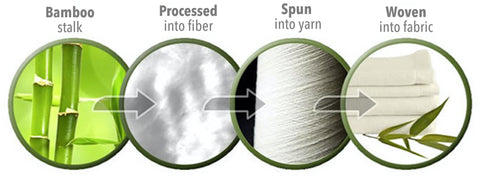
Preparing bamboo for fabric requires careful handling to keep the fibers strong and soft. The process starts with cleaning and cutting the bamboo. This step removes dirt and unwanted parts. Then, soaking the bamboo fibers makes them easier to work with. Softening the fibers is essential for smooth fabric production.
Cleaning And Cutting Bamboo
Start by selecting fresh bamboo stalks. Remove leaves and outer layers carefully. Use clean water to wash off dirt and dust. Cut the bamboo into small pieces. Smaller pieces help in easier processing later.
Soaking And Softening Fibers
Place the cut bamboo in a large container filled with water. Let it soak for several days to loosen the fibers. Change the water daily to avoid bad smells. After soaking, the bamboo becomes soft and easier to separate. This step is crucial for making smooth fabric.
Extracting Bamboo Fibers
Extracting bamboo fibers is the first key step in making bamboo fabric at home. This process involves separating the soft, fibrous material from the hard bamboo stalks. Proper extraction ensures the fibers are clean and suitable for spinning into threads. There are natural and mechanical ways to do this, each with its own benefits. Understanding these methods helps create quality fabric with a smooth texture.
Mechanical Methods For Fiber Extraction
Mechanical extraction uses tools and machines to break down bamboo stalks. This method starts by cutting bamboo into small pieces. Then, the pieces are crushed or smashed to loosen the fibers. After crushing, the pulp is washed to remove any dirt or hard parts. The fibers are then combed or carded to separate them further. This process is fast and works well for large amounts of bamboo.
- Cut bamboo into small sections
- Crush or smash pieces to loosen fibers
- Wash fibers to clean dirt and debris
- Comb fibers to separate and smooth them
Using Natural Enzymes For Fiber Separation
Natural enzymes help break down bamboo’s tough parts without harsh chemicals. This gentle process keeps fibers soft and strong. Bamboo pieces soak in water mixed with enzyme-rich substances. These enzymes eat away the hard parts like lignin and hemicellulose. After soaking for several days, fibers become loose and easy to pull apart. This eco-friendly method takes more time but produces high-quality fibers.
- Soak bamboo pieces in enzyme-rich water
- Allow enzymes to break down hard materials
- Rinse fibers to remove residues
- Pull apart softened fibers for spinning
Spinning Bamboo Fibers
Spinning bamboo fibers is a fascinating step in making bamboo fabric at home. It transforms raw fiber into a continuous thread, ready for weaving or knitting. This process requires patience and a gentle touch to keep the fibers aligned and strong.
Hand Spinning Techniques
Hand spinning bamboo fibers demands a steady rhythm and consistent tension. Start by gently drafting the fibers, pulling them apart to the right thickness before twisting. You’ll notice that bamboo fibers feel smoother than wool, so the twist needs to be just enough to hold them together without breaking.
Try using a supported spindle or drop spindle, which lets you control the twist as you spin. You can spin the fibers clockwise or counterclockwise—choose the direction that feels natural to you. Keep practicing; your hands will learn to balance drafting and twisting for a perfect yarn.
Tools Needed For Spinning
- Drop Spindle:A simple, portable tool perfect for beginners. It helps you spin fibers into yarn by twisting them consistently.
- Supported Spindle:Ideal if you want more control, this spindle rests on a surface while you spin, reducing strain on your hands.
- Hand Carders or Combs:These prepare and align bamboo fibers before spinning, making drafting smoother.
- Lazy Kate:Useful if you plan to ply your yarn, it holds multiple bobbins for easy twisting together.
Do you have any of these tools already, or are you starting from scratch? Sometimes, simple tools like a homemade spindle can be just as effective and add a personal touch to your spinning journey.
Weaving Bamboo Fabric
Weaving bamboo fabric is a satisfying way to transform natural fibers into beautiful, usable cloth. This process allows you to create unique textures and patterns while connecting directly with the materials. The key to success lies in mastering the basics of setting up your loom and choosing simple weaving patterns that bring out bamboo’s natural strength and softness.
Setting Up A Basic Loom
Start by selecting a loom that fits your space and project size. A simple frame loom works well for beginners and is easy to assemble at home.
- Attach evenly spaced warp threads vertically across the loom. These threads form the fabric’s foundation.
- Make sure the warp is tight but not overly stretched to avoid warping your fabric.
- Use a shuttle or needle to pass the weft thread horizontally through the warp threads.
Have you noticed how a well-tensioned warp can make your weaving smoother? Spend time getting this right—it makes the entire process easier.
Weaving Patterns For Beginners
Start with simple patterns like plain weave, which involves passing the weft thread over one warp thread and under the next repeatedly. This pattern is strong and highlights bamboo’s natural sheen.
- Plain Weave:Weft over one, under one, repeat.
- Twill Weave:Weft goes over two warps, then under one, creating a diagonal texture.
- Basket Weave:Weft passes over two warps, then under two, forming a checkerboard look.
Trying different patterns can reveal how bamboo fibers behave under tension and movement. Which pattern will you experiment with first to showcase the fabric’s qualities?

Credit: wovenfutures.com
Finishing And Caring For Bamboo Fabric
Finishing and caring for bamboo fabric is key to keeping it soft and strong. Proper care helps the fabric last longer and stay comfortable on your skin. Bamboo fabric needs gentle handling to maintain its natural qualities.
Washing And Drying Tips
- Use cold or lukewarm water for washing.
- Choose a gentle cycle on your washing machine.
- Use mild, eco-friendly detergent without bleach.
- Avoid fabric softeners to keep the fibers intact.
- Hand wash delicate bamboo fabric for best results.
- Air dry flat or hang in shade to prevent shrinking.
- Avoid high heat in dryers to protect the fabric.
Maintaining Softness And Durability
To keep bamboo fabric soft, avoid harsh chemicals and rough washing. Gentle handling preserves the fabric’s smooth texture. Iron on low heat if needed, using a cloth between iron and fabric.
Store bamboo fabric in a cool, dry place. Avoid direct sunlight to prevent fading. Regular care keeps bamboo fabric breathable and strong for daily use.
Common Challenges And Solutions
Making bamboo fabric at home comes with some challenges. These issues can slow down your process or affect the quality of the fabric. Knowing common problems and their solutions helps you create smooth, strong fabric. Here are two key challenges and how to handle them effectively.
Dealing With Fiber Breakage
Fiber breakage happens when bamboo fibers become weak or snap during processing. This can make the fabric look rough and uneven.
- Keep fibers moist but not soaked to maintain flexibility.
- Use gentle tools to avoid harsh pulling or twisting.
- Work slowly when separating fibers to prevent damage.
- Store fibers in a cool, dry place to keep them strong.
These steps help keep bamboo fibers intact. Strong fibers create soft, durable fabric.
Preventing Mold And Mildew
Mold and mildew grow when fibers stay wet too long. This causes bad smells and weak fabric.
- Dry fibers quickly after washing or soaking.
- Use a well-ventilated area for drying bamboo fibers.
- Check fibers regularly for any signs of mold.
- If mold appears, rinse fibers with vinegar solution to kill spores.
Proper drying and storage stop mold from growing. Clean fibers make better fabric and last longer.
Creative Projects With Bamboo Fabric
Bamboo fabric is soft, strong, and eco-friendly. It works well for many creative projects. Using bamboo fabric at home opens up many fun possibilities. Its smooth texture and durability make it great for sewing and decorating. You can create beautiful items that last long and feel good on the skin.
Simple Sewing Ideas
Bamboo fabric is easy to sew for beginners and experts. Try making small items like:
- Reusable face masks
- Soft pillow covers
- Lightweight scarves
- Comfortable tote bags
- Baby clothes or blankets
Its natural breathability keeps items fresh and comfortable. Bamboo fabric absorbs moisture well, making it perfect for wearable projects. Use simple stitches and patterns to create neat, durable pieces.
Decorative Uses
Bamboo fabric adds a natural look to home decor. Use it for:
- Table runners and placemats
- Wall hangings
- Fabric baskets
- Cushion covers
- Book covers
Its subtle sheen and smooth feel enhance any room’s style. You can dye or paint bamboo fabric easily to match your decor. The fabric’s strength lets you craft items that hold their shape well.
Frequently Asked Questions
What Materials Do I Need To Make Bamboo Fabric At Home?
You need bamboo stalks, a sharp knife, water, and a large container for soaking. Natural enzymes or chemicals help break down the bamboo fibers. A blender or grinder is useful to pulp the bamboo. Finally, a screen or mold is needed to shape the fabric.
How Long Does The Bamboo Fabric-making Process Take?
The entire process takes about 3 to 5 days. Soaking bamboo fibers can take 1 to 2 days. Pulping and washing add an additional day. Drying and setting the fabric usually require 1 to 2 days.
Is Homemade Bamboo Fabric Eco-friendly And Safe?
Yes, homemade bamboo fabric is eco-friendly when using natural methods. Avoid chemical treatments to ensure safety. It’s biodegradable and sustainable, reducing plastic and synthetic fabric use. Always handle bamboo fibers carefully to maintain fabric softness and durability.
Can I Dye Bamboo Fabric Made At Home?
Yes, you can dye bamboo fabric using natural or synthetic dyes. Pre-wash the fabric to remove impurities before dyeing. Use cold or warm water to retain fabric quality. Let the fabric dry naturally after dyeing for best results.
Conclusion
Making bamboo fabric at home is simple and rewarding. You only need basic tools and some patience. The process helps you understand how natural fabrics form. It also lets you create eco-friendly cloth for your projects. Try small batches first to learn the steps well.
Enjoy the soft, breathable fabric you produce yourself. This skill saves money and reduces waste. Give it a try and feel proud of your handmade fabric.