

Imagine the aroma of freshly baked naan or the sizzle of succulent kebabs right in your backyard. If you’ve ever dined at an authentic Indian restaurant, you know the magic that a tandoor clay oven brings to the table.
Now, picture bringing that same delicious magic to your home. Yes, you can make your own tandoor clay oven! Creating a tandoor oven might seem like a daunting task, but it’s more achievable than you think. With the right guidance, you’ll find it surprisingly straightforward.
This guide will show you every step, ensuring you craft an oven that not only works perfectly but also becomes a centerpiece of your outdoor cooking space. Ready to transform your cooking experience and impress your friends and family with authentic tandoori dishes? Keep reading to discover how you can make a tandoor clay oven at home, and start your own culinary adventure today.
Materials Needed
Building a tandoor clay oven at home starts with gathering the right materials. The quality of your oven depends heavily on the clay you choose and the tools you use. Without proper supplies, even the best design won’t hold up to heat or last long.
Clay Types And Selection
Not all clay is made equal for a tandoor oven. You want a clay that can withstand high temperatures without cracking.
Look for fire clay or a mixture of natural clay and sand. Fire clay is heat-resistant and holds up well under repeated heating cycles.
If you can’t find fire clay, mix regular clay with fine sand in a 2:1 ratio. This helps reduce shrinkage and cracking during firing. Have you checked local pottery suppliers or garden centers for suitable clay?
Tools Required
- Mixing bucket or tub:To blend your clay and sand evenly.
- Trowel or small shovel:Useful for shaping and smoothing the clay.
- Wire mesh:To reinforce the structure and prevent cracks.
- Measuring tape:Helps keep your dimensions accurate.
- Rubber gloves:Protect your hands while working with wet clay.
- Level:Ensures your oven base is flat and even for proper heat distribution.
Additional Supplies
Besides clay and tools, you’ll need a few extras to build a durable tandoor.
- Firebricks:These line the interior of the oven and handle direct flames.
- Cement or mortar:For securing the firebricks and stabilizing the base.
- Metal band or wire:To hold the oven’s shape during drying and firing.
- Water:Vital for mixing your clay and keeping it workable.
Have you thought about where you’ll fire or dry the oven? A sheltered spot with good airflow works best to avoid cracks.
Preparing The Clay Mixture
Preparing the clay mixture is a key part of building a tandoor oven. The right mixture makes the oven strong and heat-resistant. It also helps the oven last longer and cook food evenly. Using simple materials and mixing them well will give the best results.
Mixing Ingredients
Start with natural clay as the base. Avoid clay with too many stones or roots. Add fine sand to improve strength and reduce cracking. Use straw or dry grass to bind the mixture and prevent cracks during drying.
- Natural clay – 50%
- Fine sand – 40%
- Straw or dry grass – 10%
Mix these ingredients in a large container. Add water slowly. Stir the mixture with your hands or a stick. Aim for a smooth, even texture. Avoid lumps or dry patches.
Testing Clay Consistency
Take a small amount of the clay mixture in your hand. Squeeze it firmly. It should hold its shape without cracking. If it crumbles, add a little more water and mix again.
Make a small ball and drop it from a short height. It should not break apart on impact. If the ball is too soft, add some dry clay or sand. Repeat the test until the mixture feels right.
Designing The Oven Shape
Designing the shape of your tandoor oven is an important step. The shape affects how heat circulates inside. It also impacts the cooking quality. Choosing the right design helps make a strong, efficient oven. Focus on a shape that holds heat well and suits your cooking needs.
Choosing Oven Dimensions
Start by deciding the oven size. A common tandoor height is 24 to 30 inches. The diameter usually ranges from 15 to 20 inches. Think about how much food you want to cook at once. A bigger oven cooks more but needs more clay and fuel. A smaller one is easier to build and heat up.
Keep the oven tall and narrow. This shape helps keep the heat inside. The opening should be wide enough to put and take out food. Around 8 to 10 inches works well. Mark your dimensions clearly before starting the build.
Creating A Mold Or Frame
Next, build a mold or frame to shape the oven. Use strong materials like wood or metal for the frame. The mold supports the clay while it dries. Shape the mold as a cylinder with a rounded top. The top should be dome-shaped to reflect heat evenly.
Secure the mold firmly to keep it steady. Cover the mold with plastic or foil to prevent clay from sticking. This makes it easier to remove the mold later. Make sure the mold matches your chosen dimensions exactly. A good mold saves time and improves the oven’s final shape.

Credit: www.youtube.com
Building The Oven Base
Building the oven base is a crucial part of making your tandoor clay oven sturdy and long-lasting. A solid base supports the heavy clay structure and ensures even heat distribution. Skipping this step or rushing through it could lead to cracks or instability, so take your time to do it right.
Foundation Setup
Start by choosing a flat, level spot in your yard or patio for the oven base. Use a shovel to clear the area of any grass, roots, or debris. The base needs to be strong enough to hold the weight of the oven and withstand outdoor weather conditions.
Pour a concrete slab or compacted gravel layer about 4 to 6 inches thick. This acts as a stable foundation and prevents moisture from seeping up into the oven. Remember, a weak foundation can cause uneven settling—have you ever seen bricks crack because they were laid on soft ground?
Layering Bricks Or Stones
Once the foundation is ready, begin layering firebricks or stones to form the base structure. Firebricks are ideal because they withstand high heat without cracking. Arrange them in a circular or square shape, matching the design of your tandoor.
Use heat-resistant mortar to hold the bricks together securely. Make sure each layer is level before adding the next. This careful stacking ensures your oven base stays strong and steady during cooking.
- Check for gaps between bricks and fill them with mortar to prevent heat loss.
- Allow the mortar to dry completely before moving on to building the clay dome.
Have you noticed how a well-built base sets the tone for the entire oven? Spending extra effort here saves headaches later and leads to better cooking results.
Shaping The Oven Body
Shaping the oven body is a key step in building a tandoor clay oven. This stage defines the oven’s form and strength. The body must hold heat well and last long. Clay is soft and easy to mold, but requires care to keep its shape. Focus on creating a smooth, rounded structure for the best cooking results.
Forming The Dome
Start by making a solid base with thick clay. Use your hands to shape the clay into a dome. The dome should be wide at the bottom and narrow at the top. Keep the walls about 1 to 2 inches thick. This thickness holds heat and keeps the structure stable.
Use a bowl or a balloon as a mold to help shape the dome. Press the clay evenly around the mold. Make sure the dome is symmetrical. A balanced shape cooks food evenly and prevents cracks.
Smoothing The Surface
Once the dome shape is ready, smooth the surface carefully. Use wet hands or a soft cloth to rub the clay gently. This removes bumps and air pockets. Smooth surfaces help the oven stay strong and prevent heat loss.
Check for cracks or thin spots. Fill any holes with fresh clay. Let the surface dry slowly to avoid quick cracks. A well-smoothed dome looks better and lasts longer.
Credit: www.renegadekitchen.com
Drying And Firing Process
The drying and firing process is crucial for turning your homemade tandoor clay oven from fragile to functional. If not done properly, cracks can develop, or the oven might not heat evenly. This stage needs patience and attention to detail to ensure your tandoor lasts and performs well.
Initial Drying Steps
Start by letting your clay oven dry slowly in a shaded, well-ventilated area. Rapid drying can cause cracks, so avoid direct sunlight or heat sources. You can cover the oven with a damp cloth to keep the moisture balanced during the first few days.
Check the oven daily. If you notice any small cracks, gently smooth them out with a bit of wet clay. This step helps prevent bigger problems during firing.
How long should you dry it? Typically, 7 to 10 days is enough, but this depends on your climate. Cooler and more humid environments require longer drying times.
Gradual Firing Techniques
After drying, the firing process must be gradual to avoid thermal shock. Begin with a small, low flame inside the tandoor for about an hour. This warms the clay slowly and drives out any remaining moisture.
Increase the heat in small increments over several hours. You might want to use wood or charcoal for a steady, controllable flame. Watch the oven closely; if it smokes excessively or you hear popping sounds, reduce the heat immediately.
Once the oven reaches a steady high temperature, maintain it for at least 2 hours. This firing hardens the clay and prepares the tandoor for cooking. Have you thought about how the firing time might affect your oven’s durability?
Remember, rushing this step can ruin your hard work. Patience here means better heat retention and a longer-lasting oven. What’s your plan to monitor the firing process closely?
Using Your Tandoor Oven
Using your tandoor oven is where the magic happens. This clay oven offers a unique way to cook food that infuses it with smoky flavors and a crispy texture. Understanding how to start the fire and use the oven efficiently will help you get the most out of your homemade tandoor.
Starting The Fire
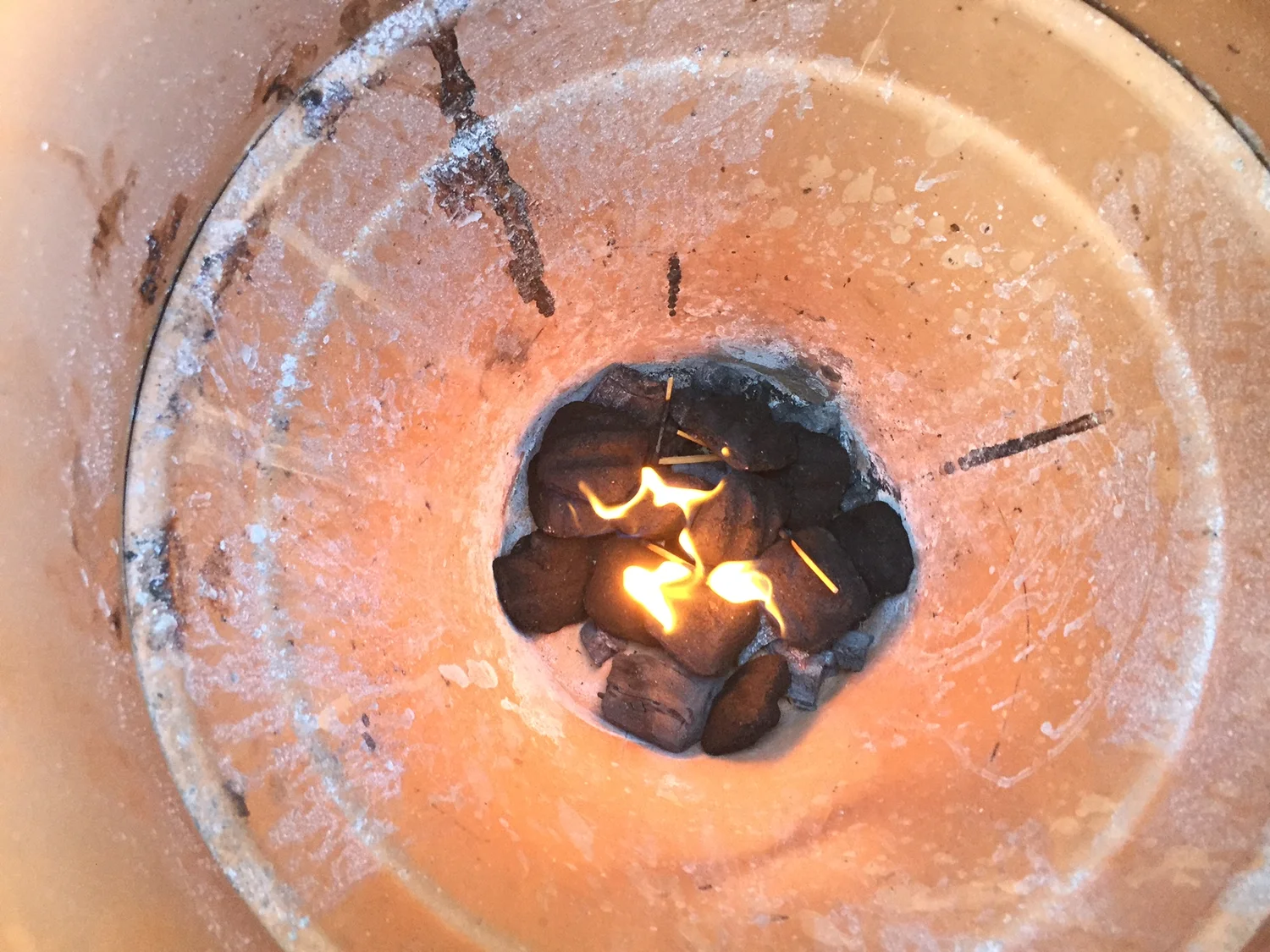
Begin by placing dry wood or charcoal at the bottom of your tandoor. Use small kindling pieces and a fire starter to ignite the flame safely. Give the fire about 30 to 45 minutes to build up enough heat before you start cooking.
Watch the color of the clay walls—they should glow red from the inside when the oven is hot enough. This visual cue ensures your tandoor has reached the right temperature, usually around 480°F (250°C). Don’t rush this step; patience pays off with better cooking results.
Cooking Tips And Recipes
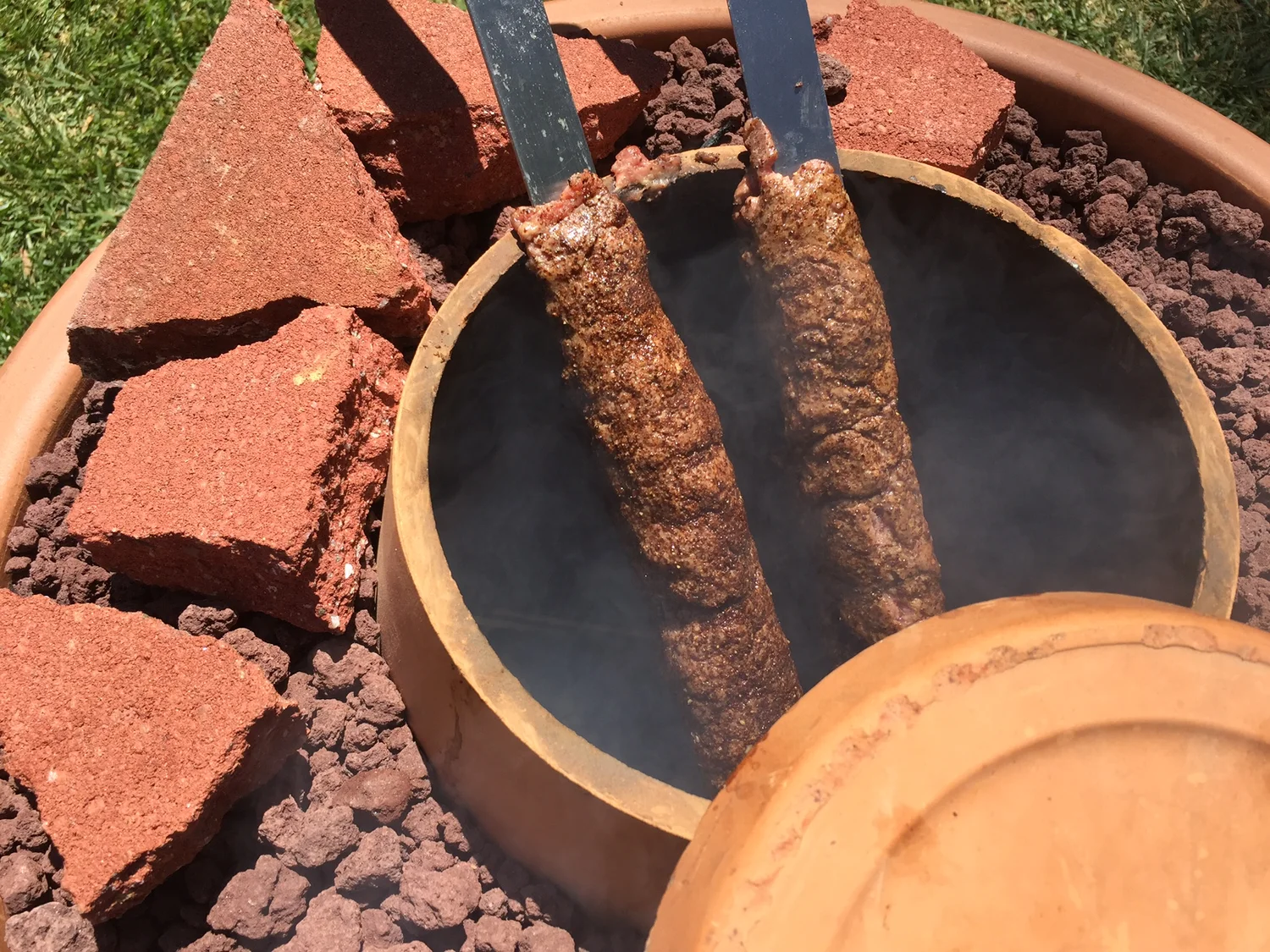
Once your tandoor is hot, you can cook a variety of dishes. Stick to recipes that benefit from high heat and quick cooking, such as marinated chicken, naan bread, or skewered vegetables.
- Marinated Chicken:Use yogurt, lemon juice, and spices like cumin and paprika for a flavorful marinade. Skewer the pieces and cook them inside the tandoor for about 15 minutes.
- Naan Bread:Roll out dough and slap it against the hot tandoor walls. It cooks in just a couple of minutes, puffing up with delicious charred spots.
- Vegetables:Brush with olive oil and sprinkle salt and pepper. Skewer and cook until tender with a hint of smokiness.
Have you tried adjusting the cooking time based on the thickness of your food? Thinner cuts cook faster, so keep an eye to avoid burning. Experimenting with spices and marinades can also transform simple ingredients into unforgettable meals.
Credit: www.renegadekitchen.com
Maintenance And Care
Proper maintenance and care keep your tandoor clay oven working well and lasting long. Regular attention prevents damage and maintains heat efficiency. A well-kept oven cooks food evenly and safely. Simple care routines protect your investment and improve cooking results.
Cleaning The Oven
Remove ashes and leftover charcoal after each use. Use a soft brush to clear soot from the oven walls. Avoid water inside the oven; it can weaken the clay. Clean the exterior with a dry cloth to keep it dust-free. Periodic deep cleaning helps stop buildup that can block heat.
Preventing Cracks And Damage
Avoid sudden temperature changes to protect the clay from cracking. Warm the oven slowly before cooking to prevent stress. Cover the tandoor when not in use to keep moisture out. Check for small cracks regularly and repair with clay mix. Handle the oven gently to avoid physical damage.
Frequently Asked Questions
What Materials Are Needed To Make A Tandoor Clay Oven?
You need clay, sand, straw, bricks, and fireproof insulation. These materials help build a durable and heat-retaining oven.
How Long Does It Take To Build A Tandoor Oven?
Building a tandoor oven usually takes 3 to 5 days. This includes drying and curing the clay for strength.
Can I Use A Tandoor Oven For Home Cooking?
Yes, a tandoor oven is perfect for grilling, baking, and roasting. It adds authentic flavor to your homemade dishes.
How Do I Maintain My Homemade Clay Tandoor Oven?
Keep the oven dry and clean after each use. Regularly inspect for cracks and repair with fresh clay mix to extend its life.
Conclusion
Building a tandoor clay oven at home is simple and fun. You need just a few materials and some patience. This oven lets you cook tasty meals with a smoky flavor. It saves money compared to buying a ready-made tandoor.
Also, you can enjoy cooking outdoors with family and friends. Try making one step by step, and see how it works. Cooking will feel different and special. Give it a try and enjoy fresh, homemade tandoor dishes anytime.