
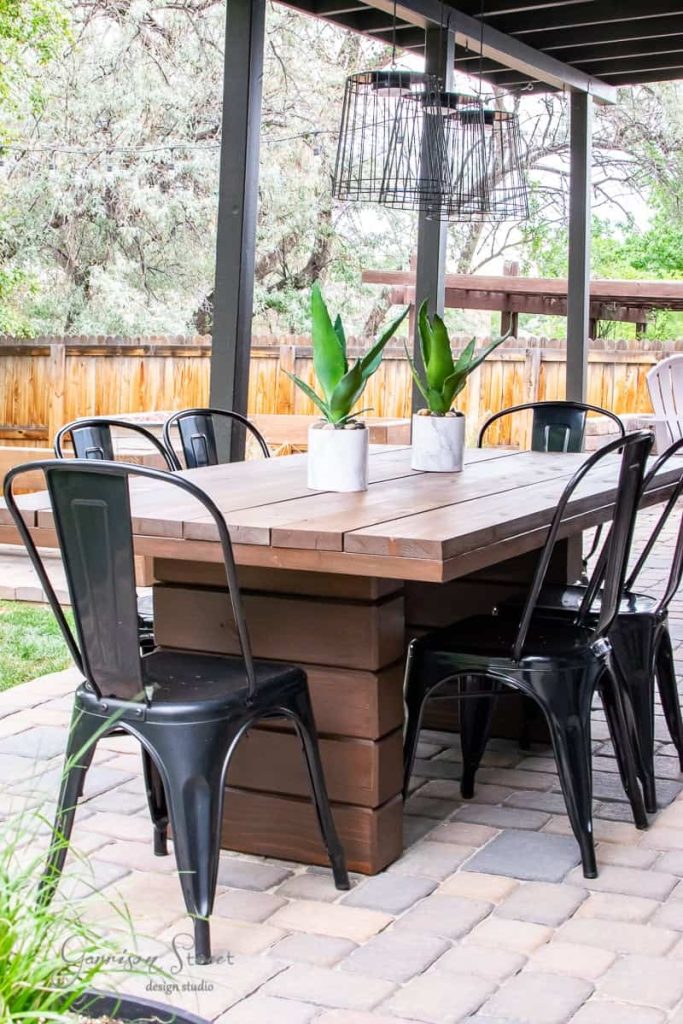
Are you ready to give your dining table a strong and stylish foundation? Making a frame for your dining table might seem tricky, but with the right steps, you can build one that’s sturdy and looks great.
Imagine enjoying meals around a table you made yourself—feeling proud every time you sit down. In this guide, you’ll discover simple, clear instructions that anyone can follow. Let’s turn your dining area into a space that’s both beautiful and built to last.
Keep reading to find out how easy it is to create the perfect frame for your dining table.
Materials And Tools Needed
Building a sturdy frame for your dining table needs the right materials and tools. Choosing quality wood and having the proper tools ensures your project goes smoothly. Gather all items before starting to save time and avoid interruptions.
Choosing The Right Wood
Select wood that is strong and durable for your table frame. Hardwoods like oak, maple, and walnut work best for long-lasting support. Pine and poplar are softer but easier to work with and less costly. Consider the wood grain and color to match your table design. Avoid wood with knots or cracks, as they weaken the frame.
Essential Tools For The Project
- Measuring tape for accurate dimensions
- Saw (circular or miter) to cut wood pieces
- Drill for making pilot holes and driving screws
- Screwdriver or impact driver for fastening
- Clamps to hold pieces together while assembling
- Wood glue for extra joint strength
- Sandpaper or electric sander for smooth finishes
Additional Hardware And Supplies
- Screws or wood nails to join wood parts securely
- Corner brackets for added frame stability
- Wood filler to cover any holes or gaps
- Protective finish like varnish or paint to seal the wood
- Safety gear such as gloves and goggles for protection
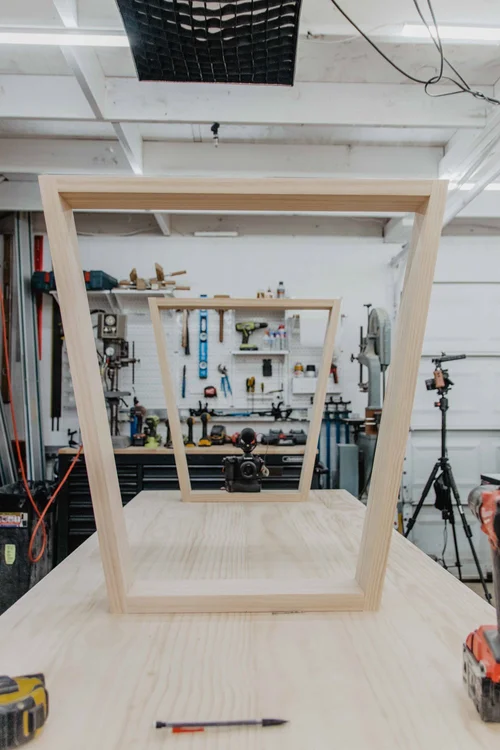
Credit: www.woodbrew.tv
Planning Your Table Frame
Planning your table frame sets the foundation for a strong and beautiful dining table. It involves precise measurements, thoughtful design, and careful selection of joints. Taking time in this stage ensures the frame will fit the tabletop perfectly and support it well. A good plan reduces mistakes and saves time during construction.
Measuring Your Dining Table Top
Start by measuring the length and width of your tabletop. Use a tape measure for accuracy. Write down these numbers clearly. Add a few inches to each side for the frame overhang if desired. Check the thickness of the tabletop too. This helps decide the frame’s height and support needs.
Designing The Frame Structure
Choose a frame style that matches your table’s look and function. The frame should hold the tabletop firmly without wobbling. Common designs include rectangular frames and aprons around the edges. Think about leg placement to allow enough legroom. Sketch your design on paper or use a simple drawing app to visualize it.
Selecting Joint Types
Strong joints keep the frame stable and durable. Choose from butt joints, mortise and tenon, or pocket screws. Butt joints are easy but less strong. Mortise and tenon joints provide excellent strength but need precise cutting. Pocket screws are quick and hold well. Pick a joint type that fits your skill and tools.
Cutting And Preparing Wood Pieces
Cutting and preparing wood pieces is a vital step in building a strong frame for your dining table. Careful measurement and precise cutting ensure all parts fit well together. Smooth surfaces help the frame look professional and last longer.
Marking Accurate Measurements
Start by measuring your wood pieces carefully with a tape measure. Use a pencil to mark the cut lines clearly. Double-check each measurement to avoid mistakes. Mark all pieces before cutting to keep the process organized.
Cutting Techniques For Clean Edges
Use a saw that suits your wood type, such as a miter or circular saw. Cut slowly and follow the marked lines closely. Keep the saw steady to avoid rough or uneven edges. Clean edges help the frame fit tightly and look neat.
Sanding And Smoothing Surfaces
After cutting, sand each piece with medium-grit sandpaper. Smooth the edges and surfaces to remove splinters. Finish with fine-grit sandpaper for a polished feel. Proper sanding prevents wood damage and improves paint or stain adhesion.

Credit: garrisonstreetdesignstudio.com
Assembling The Frame
Assembling the frame for your dining table is a key step to ensure its strength and durability. This process involves joining the parts accurately and securely. Proper assembly creates a solid base that supports the tabletop and holds up over time.
Pay close attention to each connection point. A well-assembled frame prevents wobbling and keeps the table steady during use. Take your time and focus on creating tight, strong joints. Use tools to hold pieces in place as you work. Check the frame regularly to keep it square and level. These steps help build a quality frame that lasts.
Creating Strong Joints
Strong joints keep the frame stable. Use wood glue on all contact surfaces before joining. Apply glue evenly for a solid bond. Screw or nail the pieces together after gluing. Use screws that are long enough to hold firmly. Drill pilot holes first to avoid wood splitting. Tighten screws so the joint is snug but not over-tightened.
Using Clamps For Stability
Clamps hold parts tightly while glue dries. Position clamps evenly around joints. Avoid placing clamps where they can damage the wood. Tighten clamps just enough to hold pieces without bending them. Leave clamps on for at least an hour. Check the frame often to keep parts aligned as you clamp.
Checking For Square And Level
A square frame fits the tabletop perfectly. Measure the diagonals of the frame. Both diagonal lengths should be equal. Adjust the frame if the diagonals differ. Use a carpenter’s square to check corners. Place the frame on a flat surface to check level. Shim any low spots to prevent rocking.
Attaching The Frame To The Tabletop
Attaching the frame to the tabletop is a crucial step that affects the stability and durability of your dining table. It’s not just about joining two pieces of wood; it’s about ensuring the connection can handle daily use and the natural changes wood undergoes. Paying attention to positioning, the type of fasteners, and wood movement will save you from future headaches.
Positioning The Frame Correctly
Start by placing the frame upside down on a flat surface. Then, carefully align your tabletop on top of the frame. Check that the tabletop overhangs evenly on all sides; this balance prevents wobbling and gives your table a professional look.
Use clamps to hold the tabletop in place once positioned. This keeps everything from shifting when you start securing the frame. Have you noticed how even a slight misalignment can cause uneven pressure and damage over time?
Securing With Screws Or Brackets
Choose screws designed for wood to attach the frame to the tabletop. Drill pilot holes first to avoid splitting the wood. This simple step can save your project from cracking and weak joints.
If extra support is needed, metal brackets are a great option. Attach brackets at each corner inside the frame for added stability. Remember to countersink screw heads so they don’t stick out and interfere with your table’s surface or legs.
Allowing For Wood Expansion
Wood expands and contracts with changes in humidity. If you fix the tabletop too rigidly, it could crack or warp. To prevent this, use elongated holes or special fasteners that allow slight movement.
Leave a small gap between the frame and tabletop edges. This gap acts as a buffer zone during seasonal changes. Have you ever seen a table crack after a dry winter? This is why allowing wood to breathe is essential.
Finishing Touches
The finishing touches bring the dining table frame to life. This stage enhances beauty and protects the wood. Proper finishing ensures durability for daily use. Take care with each step to get the best result.
Applying Stain Or Paint
Choose a stain or paint that matches your style. Stain highlights the wood grain and adds warmth. Paint offers vibrant color and hides imperfections. Use a brush or cloth for even coverage. Apply thin coats and let each dry fully. Light sanding between coats improves smoothness.
Protective Coating Options
A protective coat shields the frame from scratches and spills. Polyurethane is strong and clear, ideal for dining tables. Wax adds a soft shine but needs reapplication. Oil finishes soak into wood and keep it natural. Apply the coating evenly and avoid drips. Let it cure in a dust-free area.
Final Inspection And Adjustments
Check the frame carefully for rough spots or uneven finish. Sand any rough areas lightly with fine-grit sandpaper. Tighten screws and bolts to ensure stability. Test the frame by applying gentle pressure. Make sure it stands level on the floor. Fix any wobble before attaching the tabletop.
Maintenance Tips For Longevity
Maintaining the frame of your dining table helps it last for years. Proper care keeps the wood strong and the joints tight. Regular attention prevents damage and preserves its beauty.
Cleaning And Care Advice
Dust the frame often using a soft, dry cloth. Avoid wet cloths that can soak into the wood. Use mild soap and water for sticky spots. Dry the frame immediately after cleaning. Apply furniture polish to protect the finish. Choose polish suitable for the wood type. Keep the table away from direct sunlight to prevent fading.
Handling Repairs
Tighten loose screws or bolts quickly to avoid wobbling. Use wood glue for small cracks or splits. Clamp glued areas until dry for a strong bond. Sand rough spots gently before refinishing. Replace damaged parts if necessary. Consult a professional for major repairs to maintain stability.
Seasonal Maintenance
Check the frame each season for any signs of wear. Adjust screws and bolts as wood expands and contracts with temperature changes. Reapply sealant or finish once a year to protect the wood. Avoid placing the table near heaters or air conditioners. Keep the frame dry during humid or rainy seasons to prevent swelling.

Credit: www.theinspiredhive.com
Frequently Asked Questions
What Materials Are Best For Making A Dining Table Frame?
Wood like oak, maple, or pine is ideal for dining table frames. These woods are strong, durable, and easy to work with. Metal frames are also popular for modern designs. Choose materials based on your style, budget, and desired durability.
How Do I Measure For A Dining Table Frame?
Measure the tabletop dimensions first. Add extra space for legs and supports. Ensure the frame fits your room and chairs comfortably. Accurate measurements prevent stability issues and ensure a perfect fit.
What Tools Are Needed To Build A Dining Table Frame?
Basic tools include a saw, drill, screwdriver, measuring tape, and clamps. A sander and wood glue improve finish and strength. Power tools can speed up the process but aren’t mandatory.
How Do I Ensure A Sturdy Dining Table Frame?
Use strong joints like mortise and tenon or pocket screws. Reinforce corners with brackets if needed. Select quality materials and double-check all connections during assembly for stability.
Conclusion
Creating a dining table frame is a rewarding task. With basic tools and materials, anyone can do it. Follow the steps carefully to ensure success. Measure twice, cut once. It’s that simple! A sturdy frame enhances your dining experience. Plus, it adds a personal touch to your home.
Remember, patience is key. Enjoy the process and the final product. Soon, you’ll have a table to be proud of. Invite friends and family to gather around. Share meals and make memories. Your handmade table will be the star of the room!