
Struggling to fit all your furniture into a small living room without it feeling cramped? You’re not alone.
Arranging furniture in a tight space can be tricky, but with the right tips, your small living room can feel cozy, functional, and stylish. Imagine walking into your space and instantly feeling comfortable, with everything exactly where you need it.
You’ll discover simple, smart ways to make the most of your room, so you can enjoy every inch without the stress. Keep reading, and unlock the secrets to a perfectly laid-out small living room.
Choose The Right Furniture
Choosing the right furniture is crucial when working with a small living room. The pieces you pick can either make the space feel cramped or open and inviting. Think about how each item serves your daily needs and fits comfortably without overcrowding.
Opt For Multi-functional Pieces
Multi-functional furniture saves space and adds versatility. A sofa bed or an ottoman with storage gives you more than one use in a single piece. Have you considered a coffee table that doubles as a desk or extra seating? These choices let you adapt your room without adding clutter.
Select Scaled-down Furniture
Furniture with smaller proportions fits better in tight spaces. Choose chairs and sofas with slim arms and low profiles to avoid overwhelming your room. Instead of a bulky sectional, try a compact loveseat or a petite armchair to keep the area feeling open.
Prioritize Lightweight And Movable Items
Lightweight furniture is easier to rearrange, which helps you test different layouts without hassle. Chairs with slim legs or tables on casters let you shift pieces as needed. Can you imagine how much simpler cleaning or hosting guests becomes with flexible furniture?
Maximize Space With Arrangement
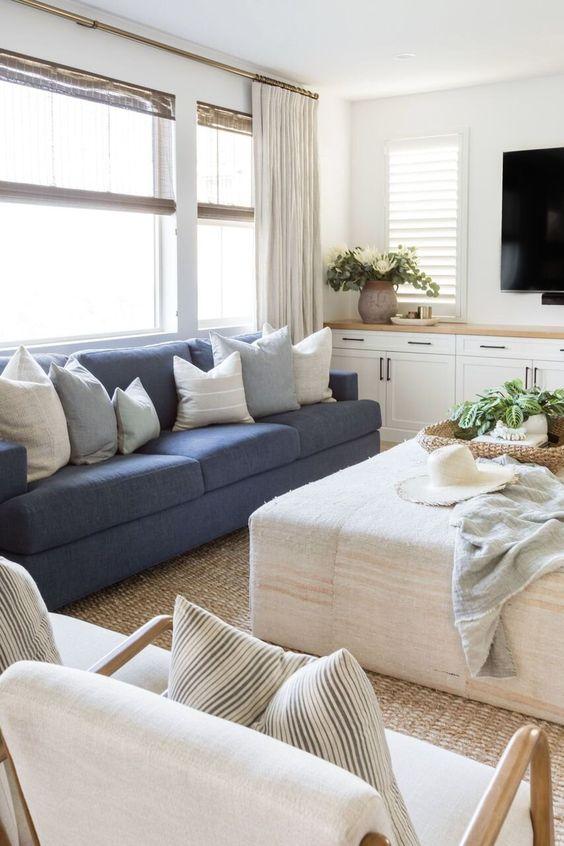
Maximizing space in a small living room is all about smart furniture arrangement. The right layout can open up your room, making it feel bigger and more inviting. Paying attention to how you place each piece can turn even the tiniest space into a comfortable and functional area.
Create Clear Pathways
Clear pathways are essential to keep your small living room feeling open. Avoid cluttering the space with too many pieces or blocking walking routes. Think about how you move through the room daily and leave enough room to walk freely without bumping into furniture.
Try pushing larger items like sofas or chairs against the walls. This technique opens the center space for easier movement. Have you noticed how a crowded room feels smaller? Creating clear paths instantly gives the impression of more space.
Use Corners Effectively
Corners are often overlooked but can be a goldmine for extra seating or storage. Place a cozy armchair or a small bookshelf in a corner to utilize every inch. This not only frees up central space but also adds character to your room.
A corner desk or a triangular table can fit snugly without overwhelming the room. You can even add corner shelves to keep essentials within reach while maintaining floor space. What’s stopping you from turning those corners into functional spots?
Avoid Blocking Natural Light
Natural light makes any room feel larger and more cheerful. Arrange your furniture so windows stay unobstructed, letting sunlight flood in. Heavy drapes or bulky furniture in front of windows can make your living room feel cramped and dark.
Use low-profile furniture near windows or keep that area clear to maximize light flow. Mirrors placed opposite windows can also reflect light, enhancing the room’s brightness. Have you ever noticed how much brighter and bigger a sunlit room feels?
Utilize Vertical Space
Utilizing vertical space is essential in a small living room. It helps free up floor space and keeps the room tidy. Using the walls effectively creates more room for movement and storage. Vertical solutions can also add style and personality to the space.
Install Wall Shelves
Wall shelves make use of empty wall areas for storage and display. They keep books, plants, and decor off the floor. Floating shelves look sleek and modern. Choose shelves that match your room style for a cohesive look.
Place shelves at eye level or higher to keep the floor clear. Use different shelf sizes for a dynamic design. This approach maximizes storage without crowding the room.
Incorporate Tall Storage Units
Tall storage units take advantage of height, not width. They provide ample space for items without using much floor area. Look for slim, vertical cabinets or bookcases.
Store essentials and decorative pieces inside or on top. Tall units draw the eye upward, making the room feel larger. Position them in corners or against walls to keep the center free.
Incorporate Smart Storage Solutions
In a small living room, storage can easily become a challenge. Smart storage solutions help keep the space tidy and open. Clever storage ideas make the room feel larger and more comfortable.
Using furniture that stores items inside reduces clutter. Baskets and containers also organize small things neatly. These solutions keep essentials close without crowding the space.
Choose Furniture With Hidden Storage
Furniture with hidden storage combines style and function. Sofas with built-in compartments hold blankets or pillows. Coffee tables with drawers hide magazines or remotes. Ottomans with lift-up lids create extra storage spots. These pieces save space and keep the room organized.
Use Baskets And Containers
Baskets and containers offer flexible storage options. They fit under tables or in shelves to hold toys or books. Woven baskets add texture and warmth to the room. Clear containers help find items quickly. Group small things inside to keep surfaces clean and neat.
Enhance Visual Space
Making a small living room feel open and airy often depends on how you enhance its visual space. Your choices in colors and surfaces can trick the eye into perceiving a larger, brighter room. Small changes here can have a big impact on how comfortable and inviting your space feels.
Select Light Colors And Reflective Surfaces
Light colors like whites, creams, and soft pastels bounce natural light around the room. They prevent the space from feeling cramped or heavy. Think about painting walls in pale shades or choosing furniture in light fabrics to brighten up the area.
Reflective surfaces also play a crucial role. Glossy tables, glass coffee tables, or metallic accents can reflect light and create a sense of depth. I once swapped out a dark wood coffee table for a glass one, and suddenly the room felt twice as spacious without changing the layout.
Try mixing textures like a smooth glass surface with soft cushions to keep the space interesting but still light and open.
Use Mirrors Strategically
Mirrors are one of the simplest tools to make your living room look bigger. Place a large mirror opposite a window to reflect natural light and extend the view outside. This creates an illusion of extra space and brightness.
Don’t just hang mirrors anywhere—think about the angles and what they reflect. A mirror reflecting a clutter-free corner adds calm, while one facing a busy area might double the mess visually.
Consider a tall, narrow mirror leaning against a wall to add height or multiple small mirrors arranged in a pattern to create artistic interest and spread light evenly.
Create Zones For Different Activities
Creating distinct zones in a small living room helps make the space feel organized and functional. When each area has a clear purpose, your room won’t feel cluttered or chaotic. You can enjoy different activities without rearranging furniture constantly.
Define Seating Area
Start by deciding where you want the main seating area. This is where you’ll relax, chat, or watch TV. Position your sofa and chairs close enough to encourage conversation but not so tight that people feel cramped.
Use a rug to visually anchor the seating area. It helps separate this zone from other parts of the room without using walls or bulky dividers. You might add a coffee table or side tables that fit comfortably without blocking walkways.
Think about how you move through the space. Can you easily reach a drink or remote without stretching? Small touches like this make your seating area more inviting and practical.
Set Up A Reading Nook
Do you love reading or need a quiet spot to unwind? A reading nook can fit beautifully into a corner or under a window. Use a comfy chair or a small loveseat paired with a floor lamp or table lamp for focused lighting.
Add a small side table to hold your book or cup of tea. Shelves or a slim bookcase nearby keep your favorite reads within reach. You don’t need a lot of space—just enough to feel cozy and separate from the main seating.
Creating this zone encourages you to take breaks and enjoy quiet moments. Could your living room benefit from a little dedicated calm?
Maintain Balance And Flow
Maintaining balance and flow in a small living room is essential to create a space that feels open and inviting rather than cramped and chaotic. Your goal should be to arrange furniture in a way that allows easy movement and visual harmony. This can make even the tiniest room feel comfortable and well-organized.
Avoid Overcrowding
It’s tempting to fill every inch with furniture, but overcrowding kills flow. Leave enough space between pieces so you can walk around without bumping into anything. Think about how you naturally move through the room and keep pathways clear.
Try removing one or two items and see how the room breathes better. Does it feel easier to relax or entertain? That extra space often makes the room seem larger and more inviting.
Keep Furniture Proportional
Choose furniture that fits the scale of your room. Bulky sofas or oversized chairs can dominate a small space and disrupt balance. Opt for pieces with slimmer profiles or legs that lift them off the floor, creating a lighter feel.
Have you noticed how a compact loveseat can look just as inviting as a large couch without overwhelming the room? Keeping proportion in mind helps maintain a smooth flow and lets your room function better.


Frequently Asked Questions
How Do I Maximize Space In A Small Living Room?
Use multi-functional furniture and keep pieces proportional to room size. Arrange seating to open pathways and avoid clutter.
What Furniture Layout Works Best For Small Living Rooms?
Opt for an open layout with furniture along walls. Use floating pieces to create flow and maximize space.
How Can I Make A Small Living Room Feel Larger?
Use light colors, mirrors, and vertical storage. Choose low-profile furniture and keep décor minimal for openness.
Should I Use Rugs In A Small Living Room?
Yes, rugs define areas and add warmth. Choose appropriately sized rugs to avoid overwhelming the space.
Conclusion
Small living rooms need smart furniture choices. Place larger pieces against walls to save space. Use multi-functional items for both style and use. Keep pathways clear to avoid clutter and improve flow. Light colors and mirrors help open the room visually.
Remember, less is often more in small spaces. Try different layouts until the room feels right. Enjoy creating a cozy, functional living area you love.