
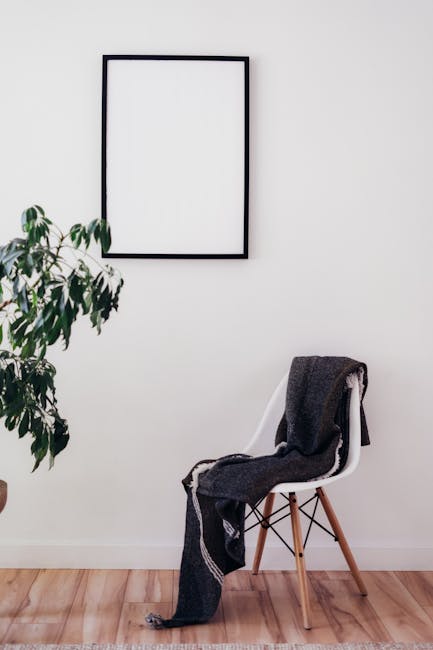
Arranging furniture in your living room can feel tricky, but it doesn’t have to be. The way you place your sofa, chairs, and tables affects not just the look of your space, but how comfortable and inviting it feels.
Imagine walking into your living room and instantly feeling relaxed and ready to connect with family or friends. This guide will help you create a layout that fits your lifestyle and makes the most of your space. Keep reading, and you’ll discover simple tips to transform your living room into a place you truly love.
-1.png)
Assessing Your Space
Assessing your space is the first step to arranging furniture well. It helps you understand the room’s size, shape, and features. This knowledge guides your choices and makes the room feel balanced and inviting.
Measuring Room Dimensions
Start by measuring the length and width of your living room. Note the height of the ceiling too. Write down these numbers. They show how much space you have for furniture and walking areas.
Measure doors, windows, and any built-in features. These affect where furniture can go. Use a tape measure and record every detail carefully.
Identifying Focal Points
Find the main attraction in your living room. It could be a fireplace, TV, large window, or artwork. This spot naturally draws attention.
Arrange furniture around the focal point. This creates a cozy and welcoming atmosphere. It also helps people know where to focus when they enter the room.
Considering Traffic Flow
Think about how people move through the room. Clear paths make the space easy to use. Avoid blocking doorways or windows with large furniture.
Leave enough space between pieces for walking. A good rule is to keep at least 2 to 3 feet of walking space. This keeps the room comfortable and safe.
Choosing The Right Furniture
Choosing the right furniture is the first step to a well-arranged living room. It shapes the space’s look and feel. Picking pieces that fit your room size and lifestyle improves comfort and style. The right choices create a welcoming spot for family and guests.
Selecting Appropriate Sizes
Size matters for a balanced living room. Large furniture can crowd small rooms. Small pieces may look lost in big spaces. Measure your room before buying. Leave enough space to walk around. Choose furniture that fits the scale of the room.
Balancing Style And Comfort
Furniture should look good and feel good. Soft cushions and supportive seats invite relaxation. Match styles with the room’s theme. Avoid pieces that look nice but are hard to sit on. Comfort and style should go hand in hand.
Multi-functional Pieces
Furniture with more than one use saves space. Sofas with storage or fold-out beds add value. Ottomans can serve as seats or tables. Choose pieces that adapt to different needs. Multi-functional furniture keeps the room tidy and practical.
Arranging Furniture Effectively
Arranging furniture effectively in your living room is key to creating a space that feels welcoming and functional. It’s not just about filling the room with pieces but about how those pieces interact. Thoughtful placement can make your room feel larger, cozier, and more inviting to both you and your guests.
Creating Conversation Areas
Group seating to encourage interaction. Arrange sofas and chairs so faces naturally turn toward each other. Avoid lining furniture against walls exclusively; pulling pieces inward fosters intimacy and ease of conversation.
Try placing a coffee table in the center to anchor the space and provide a spot for drinks or books. Ask yourself: does your layout invite people to sit and talk, or does it push them apart? Adjust until it feels just right.
Anchoring With Rugs
Use rugs to define zones within your living room. A well-sized rug can visually group furniture, making the area feel cohesive. Make sure the rug is large enough so at least the front legs of sofas and chairs rest on it.
Rugs also add texture and color, enhancing the room’s personality. Don’t hesitate to experiment with patterns or bold colors to see how they change the room’s energy.
Utilizing Corners And Walls
Don’t overlook corners and walls—they can be your best allies. Position a reading chair or a small table in a corner to create a quiet nook. Walls are perfect for larger pieces like bookshelves or media units, freeing up floor space.
Think about how you move through the room. Keep pathways clear and use walls to avoid cluttering the center. This way, you maintain a smooth flow and balance between openness and comfort.

Optimizing Lighting And Accessories
Optimizing lighting and accessories in your living room can transform the space from ordinary to inviting. Thoughtful placement of lights and carefully chosen decorative pieces work together to create an atmosphere that feels both comfortable and stylish. How you layer light and balance accessories directly affects the room’s mood and functionality.
Layering Light Sources
Relying on a single light source often leaves your living room feeling flat or harsh. Combine different types of lighting to add depth and flexibility to the space.
- Ambient lighting: Use ceiling fixtures or recessed lights to provide general illumination.
- Task lighting: Add floor lamps or table lamps near reading spots or work areas for focused light.
- Accent lighting: Highlight artwork, plants, or architectural features with spotlights or wall sconces.
Think about how you use the room at different times of day. Can your lighting adapt to a cozy movie night and a lively gathering? Layered lights give you that control.
Incorporating Decorative Elements
Accessories give your living room personality and warmth. But too many can clutter the space, while too few can make it feel cold.
- Choose a few statement pieces like a bold vase or unique sculpture to catch the eye.
- Use soft textiles—throw pillows, blankets, rugs—to add texture and comfort.
- Bring in natural elements such as plants to breathe life into the room.
Ask yourself: does each item serve a purpose or tell a story? Your accessories should invite you in, not overwhelm you.
Maintaining Visual Balance
Balance keeps the room feeling harmonious and well-planned. Uneven arrangements can make the space feel chaotic.
- Distribute accessories evenly around the room; avoid clustering everything on one side.
- Match the scale of furniture and decor—large pieces need space to breathe, while small items can group together.
- Use symmetry or asymmetry intentionally to create focal points.
Does your room feel calm or restless when you walk in? Tuning the visual balance improves comfort and flow.
Maximizing Small Living Rooms
Small living rooms can feel cramped without proper planning. Smart furniture layout creates space and comfort. Focus on key ideas to make rooms look larger and more open. Each choice affects how you use the room daily.
Choosing Compact Furniture
Pick furniture that fits the space well. Use smaller sofas or loveseats instead of large couches. Choose chairs with slim arms and legs to keep the room airy. Multi-functional pieces, like ottomans with storage, save space and add use.
Consider open-legged furniture to create a sense of openness. Avoid bulky items that block pathways or sightlines. Arrange pieces to allow easy movement without crowding.
Using Mirrors And Colors
Mirrors reflect light and make rooms feel bigger. Place a large mirror opposite a window to double natural light. Use mirrored furniture or decor to add depth without taking space.
Light colors open up a room visually. Whites, pastels, and soft neutrals brighten walls and furniture. Use one or two accent colors for interest without cluttering. Keep ceilings and floors light to enhance the effect.
Decluttering Strategies
Clutter makes small rooms feel tighter. Keep surfaces clear and store items out of sight. Use shelves and baskets to organize belongings neatly.
Regularly remove things you do not need or use. Limit decorations to a few meaningful pieces. Open spaces help the room feel calm and larger.

Adapting Layouts For Different Functions
Adapting your living room layout for different functions can improve comfort and usability. Each activity needs a unique setup. Planning spaces carefully helps the room feel organized and inviting.
Entertaining Guests
Arrange seating to encourage easy conversation. Place chairs and sofas facing each other. Keep pathways clear for smooth movement. Use a central coffee table for drinks and snacks. Add extra seats like ottomans for flexibility. Lighting should be warm and inviting to create a cozy atmosphere.
Family Relaxation
Focus on comfort and togetherness. Position the sofa and chairs around the TV or fireplace. Use soft rugs and cushions to add warmth. Keep side tables within reach for books and drinks. Create open space for kids to play safely. Use calming colors and soft lighting to promote relaxation.
Work And Study Zones
Set up a dedicated area away from distractions. Use a compact desk and ergonomic chair. Ensure there is enough light for reading and screen work. Organize supplies with shelves or drawers nearby. Separate this space visually with rugs or screens. Keep the zone clutter-free to boost focus and productivity.
Frequently Asked Questions
How Do I Start Arranging Living Room Furniture?
Begin by measuring your room and noting doorways and windows. Place the largest piece first, usually the sofa, then arrange smaller pieces around it for balance and flow.
What Is The Best Furniture Layout For Small Living Rooms?
Use multi-functional furniture and arrange pieces to maximize open space. Opt for lighter furniture and avoid blocking pathways to create an airy feel.
How Can I Create Conversation Areas In My Living Room?
Place seating pieces facing each other or at a slight angle. Keep the distance close enough for easy talking, typically 4 to 10 feet apart.
How Important Is Traffic Flow In Furniture Layout?
Traffic flow is vital to avoid congestion. Arrange furniture to allow clear paths to exits and other rooms, ensuring smooth movement and comfort.
Conclusion
Arranging furniture shapes your room’s feel and function. Start with a clear plan to fit your space well. Keep pathways open for easy movement. Balance big and small pieces to avoid clutter. Use focal points like a fireplace or TV to guide layout.
Always test different setups to find what works best. A well-laid living room invites comfort and style. Enjoy creating a space that suits your daily life.