

Imagine coming home after a long day, eager to relax, only to find your beloved dog sprawled comfortably across the sofa, shedding fur everywhere. It’s a familiar scene that often leaves you feeling defeated.
You adore your furry friend, but maintaining a clean, fur-free couch can feel like a never-ending battle. What if I told you there’s a way to keep your dog off the sofa, even when you’re not around? In this guide, you’ll discover practical and effective strategies to preserve your couch’s pristine condition while ensuring your dog feels happy and loved.
Let’s dive into the secrets that will transform your living room and give you peace of mind.
Understanding Dog Behavior
Understanding dog behavior can help keep your furry friend off the sofa when you’re not home. Use deterrents like pet gates or furniture covers to prevent access. Providing a comfy alternative bed nearby can also encourage your dog to rest there instead.
Understanding Dog Behavior Ever caught your dog lounging comfortably on the sofa when you’re not home? It’s a common scenario many pet owners face. Understanding why dogs engage in this behavior is key to addressing it effectively. Dogs are creatures of habit, and their actions often stem from a mix of instinct and learned behavior. Knowing what drives them to climb onto furniture helps in finding solutions that work.Reasons Dogs Climb On Furniture
Dogs might be drawn to the sofa for several reasons. Comfort is a major factor; sofas are often soft and cozy, providing a perfect spot for relaxation. Additionally, the height of a sofa allows dogs to survey their surroundings from a vantage point, which can make them feel secure. Sometimes, it’s about closeness to their human. Your scent lingers on the sofa, providing them with comfort and a sense of connection. Have you ever noticed how your dog seeks out your favorite spot when you’re away? It’s their way of staying close to you.Psychological Needs Of Dogs
Dogs, like humans, have psychological needs that influence their behavior. They require mental stimulation, companionship, and a sense of security. When these needs are unmet, they may resort to climbing on furniture as a form of self-soothing. Boredom is a silent driver of many unwanted behaviors. A dog left alone without toys or activities may find solace in your sofa. Have you considered how a simple puzzle toy can keep your dog engaged and off the furniture? Security is another aspect. Some dogs climb on furniture to feel protected, especially if they experience anxiety. Creating a safe space for your dog elsewhere in the home can redirect this behavior. Is there a cozy corner you can designate as your dog’s personal haven? Understanding your dog’s behavior is the first step in keeping them off the sofa. By addressing their underlying needs, you create a harmonious environment for both you and your furry friend.
Credit: www.rover.com
Training Techniques
Training Techniques: Keep your dog off the sofa by using deterrents like aluminum foil or double-sided tape. Create a comfortable alternative spot with a cozy bed to encourage them to relax there instead.
Training a dog to stay off the sofa when you’re not home requires patience. Understanding and applying effective training techniques can help. Dogs can learn boundaries and respect your space with the right approach.Positive Reinforcement Strategies
Positive reinforcement can be a powerful tool in training. Reward your dog for staying on the floor. Use treats, praise, or affection as rewards. This creates a positive association with the desired behavior. Be consistent with this approach. Rewarding every time reinforces the habit quickly.Consistency In Commands
Consistency in commands is crucial for effective training. Use the same word or phrase each time. This helps your dog understand what’s expected. “Off” or “No sofa” can be effective commands. Ensure everyone in the household uses the same command. Consistent language reduces confusion and speeds up learning.Physical Barriers
Place a baby gate or barricade to block the sofa area. This keeps dogs from climbing up when unsupervised.
When you’re not home, keeping your dog off the sofa can be a bit of a challenge. Physical barriers can be a practical and effective solution to protect your furniture. By creating boundaries, you ensure that your dog stays in designated areas, maintaining the cleanliness and longevity of your sofa. Below are some strategies to implement these barriers effectively.Using Furniture Covers
Furniture covers are a great way to deter dogs from lounging on your sofa. Opt for covers with textures that dogs find uncomfortable, like aluminum foil or plastic mats. You could even try placing double-sided tape on the covers, as dogs dislike sticky surfaces. By doing this, you’ll not only keep your sofa clean but also discourage your furry friend from making it their favorite spot.Setting Up Gates Or Fences
Gates or fences provide a more structured approach to keeping your dog off the sofa. Portable gates can block off entire rooms, ensuring your dog stays out of the living room altogether. Consider using a baby gate or pet-specific barriers that are easy to set up and remove. This method allows for flexibility, so you can adjust the setup based on your dog’s behavior and specific areas you want to protect. Have you ever noticed how some dogs respect boundaries once they’re clearly defined? Setting up gates can be a game-changer for maintaining order in your home.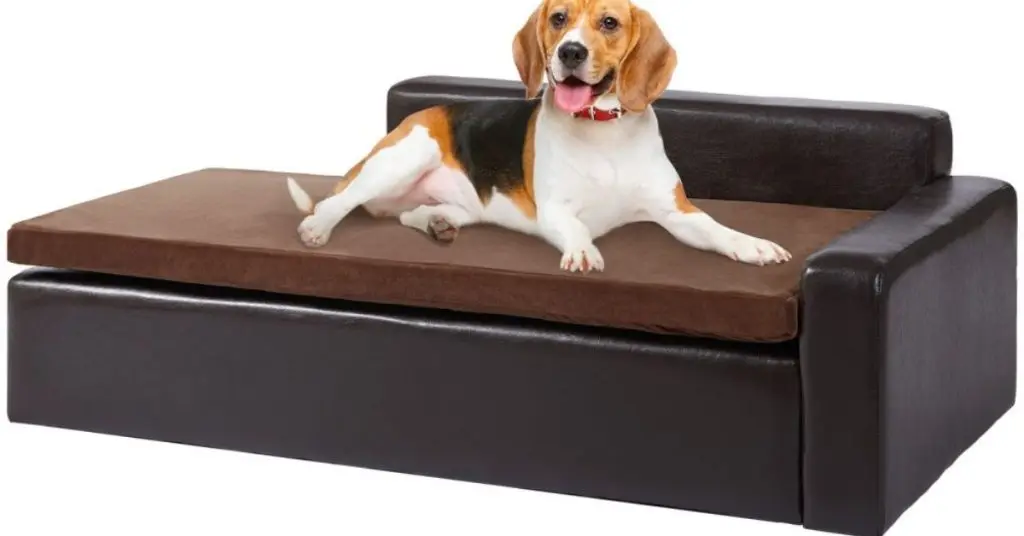
Credit: www.vevor.com
Deterrent Methods
Keeping your dog off the sofa when you’re not home can be a tricky task, but employing deterrent methods can make it easier. These techniques are designed to discourage your dog from jumping on the furniture by creating an uncomfortable or unfamiliar environment. Whether it’s through scents or sounds, each method provides a unique way to protect your sofa.
Scent-based Deterrents
Dogs have an incredibly sensitive sense of smell, which can be used to your advantage. Consider using scents that your dog finds unpleasant, like citrus or vinegar. You can spray these scents on the fabric of the sofa or place a cloth soaked in the scent nearby.
Some pet stores offer commercial sprays specifically designed to deter pets from certain areas. Experiment with different scents to find one that effectively keeps your furry friend away. Remember, the goal is to make the sofa less appealing without causing stress or discomfort to your dog.
Noise-based Devices
Noise-based devices can provide a startling yet harmless way to keep your dog off the sofa. These gadgets emit a sudden sound when they detect movement, effectively discouraging your dog from jumping up.
Consider devices like motion-activated alarms or ultrasonic sound emitters. They can be easily placed near your sofa and will activate whenever your dog approaches. This method not only protects your furniture but can also teach your dog to avoid the sofa even when you’re home.
Have you ever thought about how your dog’s behavior changes when they hear unexpected sounds? These devices tap into that instinct, making them a practical choice for many pet owners.
Creating Alternative Spaces
Creating a cozy spot for your dog can keep them off the sofa when you’re not home. Consider placing a comfortable bed with toys in a quiet corner. This alternative space will encourage them to relax elsewhere, protecting your furniture from furry intruders.
Creating Alternative Spaces When you’re not home, your dog might seek comfort on the sofa simply because it’s the most inviting spot available. Creating alternative spaces for your pet can redirect their attention and provide them with a cozy nook they’ll love. This not only keeps your sofa fur-free but also makes your dog feel special and cared for.Designing A Dog-friendly Zone
Think of a corner in your home that can be transformed into a dog-friendly area. Choose a spot that your dog already gravitates towards or has a good view of the outdoors. Place their favorite toys and maybe a few treats nearby to make it their go-to location. A small rug or mat can add extra appeal, especially if it’s textured or has a pattern that intrigues your pup.Providing Comfortable Bedding
Dogs love comfort just as much as we do. Consider investing in a quality dog bed that offers both support and warmth. Opt for beds with removable covers for easy cleaning. This is particularly handy if your dog is prone to accidents or shedding. Position the bed in a quiet area, away from foot traffic but close enough to the family action, so your dog feels included even while resting. Would your dog prefer a bed with raised sides for a sense of security? Or perhaps a flat mat for stretching out? Observing your dog’s sleeping habits can help you choose the right bedding.Using Technology
Keeping your dog off the sofa when you’re not home can be challenging. Technology offers effective solutions. With advancements in pet care tech, you can ensure your furniture stays fur-free. Explore remote monitoring systems and automated pet devices to maintain a pet-friendly home.
Remote Monitoring Systems
Remote monitoring systems let you keep an eye on your pet from afar. Cameras connected to your smartphone provide real-time video feeds. You can watch your dog’s activity and intervene if needed. Some systems have two-way audio. This allows you to talk to your pet, reassuring them or giving commands.
Many monitoring systems offer motion detection alerts. You receive a notification if your dog jumps on the sofa. This helps you act quickly to correct unwanted behavior. Choose a system with high-quality video and a reliable app for the best results.
Automated Pet Devices
Automated pet devices deter dogs from furniture with minimal effort. Pet deterrent mats emit harmless static pulses. When a dog steps on the mat, they feel a mild sensation. This discourages them from climbing onto the sofa.
There are also ultrasonic devices. These emit a sound only dogs can hear, triggered by motion sensors. The sound is unpleasant to dogs but safe. Over time, dogs learn to avoid areas that trigger the device. Choose devices that are easy to set up and adjust.
Behavioral Conditioning
Behavioral conditioning helps train dogs to avoid the sofa when you’re not home. Use consistent cues and rewards to reinforce desired behavior. A firm command followed by a treat encourages your pet to stay off the furniture.
Behavioral conditioning helps train your dog to stay off the sofa. It involves positive reinforcement and correction techniques. This method teaches your pet acceptable behaviors without stress or confusion. Dogs naturally want to please their owners, making this approach effective.Rewarding Good Behavior
Reward your dog for staying off the sofa. Use treats, praise, or playtime as a reward. Consistent rewards help your dog understand the desired behavior. Create a routine where your dog gets a reward when it chooses its bed over the sofa. Positive reinforcement builds a strong bond with your pet. It encourages them to repeat the good behavior. Remember to reward immediately to link the action with the reward.Discouraging Unwanted Actions
Discouraging unwanted actions is important too. Use gentle deterrents to keep your dog off the sofa. Try placing a noisy mat or aluminum foil on the sofa. These surfaces can be unpleasant for dogs to step on. Another option is a pet-safe spray deterrent. Spray it on the sofa to discourage your dog from jumping up. Always use safe methods to ensure your pet’s well-being. Keep your dog’s bed comfortable and attractive. This encourages them to choose their own space over the sofa. Consistency is crucial in discouraging unwanted actions. Stick to the rules, and your dog will learn to avoid the sofa.Professional Help
Keeping your dog off the sofa when you’re not home can be challenging. Sometimes, professional help is the best solution. Experts can provide tailored advice and strategies. They assess your dog’s behavior and suggest effective solutions. This section will explore how consulting a dog trainer or seeking veterinary advice can help.
Consulting A Dog Trainer
A dog trainer specializes in understanding canine behavior. They teach both you and your dog. Trainers use positive reinforcement methods. This encourages good behavior and discourages sofa lounging. They can visit your home for personalized sessions. A trainer observes your dog’s habits and environment. This allows them to offer specific recommendations. Regular training sessions help reinforce boundaries and rules.
Seeking Veterinary Advice
A vet checks if health issues cause unwanted behavior. Pain or discomfort might lead dogs to seek comfort on the sofa. A vet can rule out medical reasons. They also provide advice on calming your dog. Anxiety might cause your dog to ignore commands. Vets can suggest calming supplements or therapies. This makes it easier to enforce house rules.

Credit: www.walmart.com
Frequently Asked Questions
How To Keep Your Dog Off The Couch When You’re Not Home?
Train your dog with commands like “off” and reward good behavior. Use deterrents like pet-safe sprays on the couch. Provide a comfortable bed or space for your dog. Block access to the couch using barriers or baby gates. Consistency in training helps maintain boundaries even when you’re not home.
What Can I Put On My Sofa To Keep My Dog Off?
Place aluminum foil or double-sided tape on the sofa. Use pet repellent sprays or deterrent mats. Consider training techniques or providing a comfortable alternative spot for your dog.
How Do I Stop My Dog From Jumping On The Counter When I’m Not Home?
Train your dog with positive reinforcement to discourage counter surfing. Use deterrents like pet-safe barriers or mats. Ensure the counter is clear of tempting items. Engage your dog with toys and puzzles to keep them occupied when alone. Consistency in training is key for lasting results.
What Smell Will Keep Dogs Off Furniture?
Citrus scents like lemon or orange can deter dogs from furniture. Use essential oils or fresh peels. Vinegar is also effective. Sprinkle it lightly on furniture surfaces. Always ensure scents are safe for pets. Test a small area first to avoid damage or adverse reactions.
Conclusion
Keeping your dog off the sofa takes patience and consistency. Use clear rules and stick to them. Reward good behavior with treats or praise. Make the sofa less inviting with covers or barriers. Consider using pet-friendly furniture alternatives. Remember, training is a gradual process.
Stay calm and persistent. Your efforts will pay off over time. A well-trained dog respects boundaries. Enjoy a clean and fur-free sofa. Keep practicing these tips regularly. Happy training!