
Are you tired of high heating bills but still want your home to feel cozy and warm? Keeping your house warm without a heater might sound tricky, but it’s easier than you think.
Imagine stepping into a snug room that stays comfortable without cranking up the thermostat. You’ll discover simple, effective ways to trap heat and stay warm using easy tricks you can start today. Ready to make your home a warm haven without relying on a heater?
Keep reading—you won’t want to miss these smart tips.

Credit: this.deakin.edu.au
Seal Drafts And Leaks
Sealing drafts and leaks is key to keeping your house warm without a heater. Cold air sneaks in through tiny gaps around windows and doors. Blocking these leaks helps keep warm air inside and cold air outside. This simple step can make a big difference in your home’s comfort.
Check Windows And Doors
Look closely at all windows and doors for cracks or gaps. Touch your hand near edges to feel for cold air. Small cracks let cold air enter and warm air escape. Fixing these leaks stops heat loss and lowers energy costs.
Use Weatherstripping
Weatherstripping is a thin material that fills gaps around doors and windows. It is easy to install and affordable. Press it firmly along the edges where air might leak. This creates a tight seal that blocks cold drafts.
Apply Draft Stoppers
Draft stoppers are long tubes placed at the bottom of doors or windows. They stop cold air from entering underneath. You can buy ready-made ones or make your own with cloth and rice. Using draft stoppers helps keep rooms warmer and more comfortable.
Maximize Natural Heat
Making the most of the sun’s natural warmth is a simple way to keep your house cozy without relying on a heater. The sun provides free heat during the day, and managing how your home absorbs and retains this heat can make a big difference. Small actions like adjusting your curtains can help you trap that warmth inside and reduce the chill when night falls.
Open Curtains During Daylight
Let the sunlight in by opening your curtains as soon as the sun rises. South-facing windows are especially valuable because they catch the most sun. You might notice your rooms warming up naturally, even on chilly days.
Think about rooms you use the most during daylight hours—opening curtains there first can boost comfort without extra effort. It’s like inviting a natural heater into your home. Have you tried leaving your curtains open on a cold morning and felt the temperature rise?
Close Curtains At Night
Once the sun sets, close your curtains to keep the heat inside. Windows are often the biggest source of heat loss, and thick curtains act as an extra barrier against the cold air outside. This simple step can prevent your home from cooling down too quickly overnight.
If you have heavy or thermal-lined curtains, they work even better to lock in warmth. Consider investing in these if your nights get particularly cold. What’s stopping you from making this tiny change that could keep your rooms warmer all night?
Add Insulation
Keeping your house warm without a heater starts with proper insulation. Insulation traps heat inside your home, reducing cold air from entering. It helps maintain a comfortable temperature and lowers energy costs. Simple changes in your home can create a big difference in warmth.
Use Rugs And Carpets
Floors can lose a lot of heat, especially if they are tile or wood. Rugs and carpets add an extra layer of insulation. They keep your feet warm and stop cold air from rising through the floor. Choose thick, dense rugs for better heat retention.
Install Thermal Curtains
Windows often let heat escape, especially at night. Thermal curtains block cold drafts and keep warm air inside. Close them as soon as the sun goes down. These curtains also reduce noise and protect furniture from sun damage.
Insulate Attic And Walls
The attic is a major source of heat loss. Adding insulation there keeps warm air from rising out of your living space. Wall insulation also prevents cold air from seeping in. Use materials like fiberglass, foam, or cellulose for effective results.
Use Warm Fabrics
Using warm fabrics is one of the simplest ways to keep your house cozy without turning on the heater. Fabrics trap heat close to your body and around your space, creating a natural barrier against cold air. Choosing the right materials can make a huge difference in how warm you feel indoors.
Wear Layers Indoors
Layering clothes is more effective than wearing one thick sweater. Start with a thin, breathable base layer to keep moisture away from your skin. Add a warm middle layer like fleece or wool, and finish with a cozy outer layer if needed.
Have you ever noticed how much warmer you feel when wearing socks and slippers inside? Don’t forget your feet—they lose heat quickly. Wearing a hat or scarf indoors can also help, since a lot of heat escapes from your head.
Use Blankets And Throws
Keep blankets and throws within easy reach in your living areas. Wrapping yourself in a thick wool or fleece blanket can instantly warm you up without extra electricity.
Try layering blankets on sofas and chairs, not just for comfort but for warmth too. You might find that simply covering your legs with a throw while reading or watching TV keeps the chill away much longer than you expected.
Cook And Bake More Often
Cooking and baking more often can help warm your home naturally. The heat from your oven and stove spreads through the kitchen and nearby rooms. This simple action adds warmth without extra energy costs. Plus, the smell of food makes your house cozy and inviting.
Utilize Oven Heat
The oven produces steady heat while cooking or baking. Keep the kitchen door open to let warm air flow into other rooms. Baking bread, cookies, or casseroles can raise the indoor temperature slightly. Use the oven for longer cooking times to maximize heat output.
Prepare Warm Meals
Hot soups, stews, and casseroles provide warmth from the inside out. Eating warm food helps your body stay warm longer. Preparing meals that need slow cooking keeps the oven or stove on longer. This adds extra heat to your living space naturally.
Create Cozy Zones
Creating cozy zones in your home helps keep you warm without using a heater. These small, warm areas make cold days more comfortable. You can enjoy warmth in specific spots while saving energy. Focus on arranging your space to trap heat and add warmth where you spend most time.
Arrange Furniture Near Heat Sources
Place chairs and sofas close to heat sources like sunny windows or fireplaces. This setup captures natural warmth and keeps you cozy. Avoid blocking vents or radiators, so heat can spread easily. Use rugs and cushions to add softness and trap heat around your seating areas.
Use Heated Pads And Hot Water Bottles
Heated pads and hot water bottles provide direct warmth without extra electricity. Keep them on chairs or under blankets for gentle heat. They are portable and perfect for creating warm spots anywhere in your home. These simple tools make cold evenings much more comfortable.
Leverage Body Heat
Body heat is a natural and effective way to warm up your living space without relying on a heater. When you gather with others, your combined body warmth can make a noticeable difference in how cozy your home feels. It’s a simple, energy-free trick that can help you stay comfortable during chilly days.
Spend Time With Family And Pets
Being close to family members or pets can raise the temperature around you. When you sit together on the couch or share a room, your body heat merges, creating a warmer environment. Have you noticed how your cat or dog often curls up on your lap in winter? That’s not just for comfort—they’re helping keep you warm too.
Try organizing activities that encourage everyone to be in the same room, like watching movies or playing board games. This not only strengthens your bond but also maximizes the heat you generate collectively. It’s a win-win for warmth and connection.
Use Shared Blankets
Sharing blankets is an easy way to trap body heat and stay warm without turning on the heater. Instead of each person using their own blanket, gather under one large, cozy blanket. The warmth your bodies give off gets trapped inside, making the space under the blanket surprisingly warm.
Think about the last time you shared a blanket with someone—it instantly felt warmer, didn’t it? Choose thick, insulated blankets made from materials like fleece or wool to hold in the heat better. Having everyone snuggled under one blanket can reduce the need to crank up the thermostat.
Credit: canadianoffgriddepot.com
Use Alternative Heat Sources
Using alternative heat sources can keep your home warm without relying on electric heaters. These options often cost less and use natural materials or energy. They create cozy warmth that lasts and can be safer than some heating devices.
Candles And Fireplaces
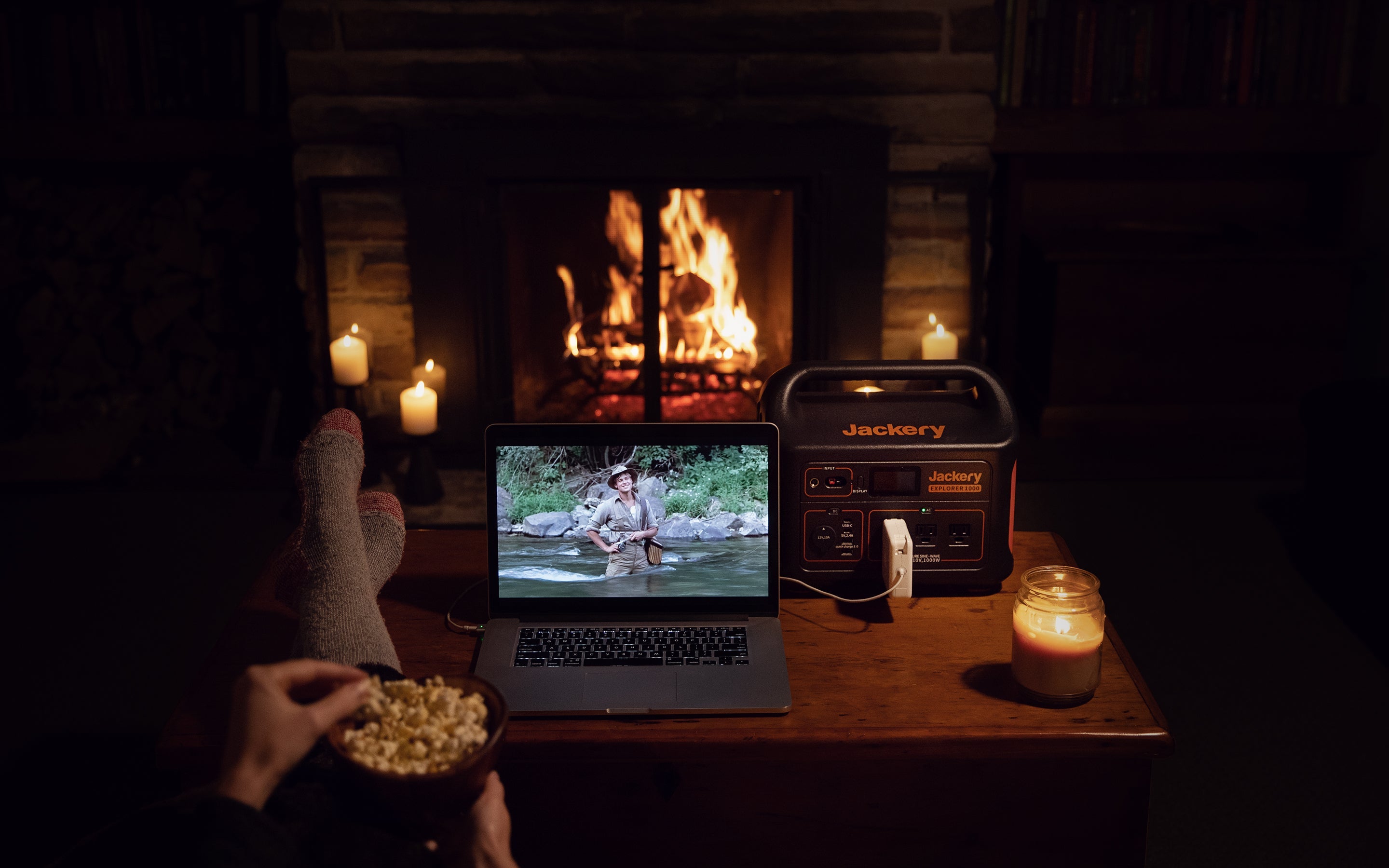
Candles give off small amounts of heat and create a warm, inviting glow. Place several candles safely around a room to increase warmth slightly. Always keep candles away from flammable items and never leave them unattended.
Fireplaces provide a strong source of heat and add charm to any room. Wood-burning fireplaces warm large areas quickly. Make sure your chimney is clean and vents properly to avoid smoke issues. If you have a gas fireplace, it offers heat without smoke and is easy to control.
Solar Heating Methods
Solar heating uses sunlight to warm your home naturally. Large south-facing windows let in sun rays during the day. Use heavy curtains to keep heat inside at night. Placing dark-colored objects near windows helps absorb heat and release it slowly.
Solar air heaters are simple panels that capture sunlight and blow warm air inside. They use no electricity and can warm small spaces efficiently. Even a small solar setup can make a noticeable difference in chilly rooms.
Credit: www.jackery.com
Frequently Asked Questions
How Can I Insulate My Home To Retain Heat?
Use weatherstripping on doors and windows to seal gaps. Add thick curtains to reduce heat loss. Use draft stoppers on doors. Insulating walls and attic also helps keep warmth inside, reducing the need for a heater.
What Are Natural Ways To Warm A Room Without A Heater?
Open curtains during sunny days to let sunlight in. Use rugs and carpets to insulate floors. Place warm-colored décor and use warm blankets. These methods help trap heat and create a cozy atmosphere without electricity.
Can Using Hot Water Bottles Help Keep Warm Indoors?
Yes, hot water bottles provide localized warmth and comfort. Place them under blankets or near your feet to stay warm. They are energy-efficient and a great alternative to heaters during cold nights.
How Does Controlling Airflow Improve Indoor Warmth?
Closing vents in unused rooms concentrates heat in active areas. Use door draft blockers to prevent cold air from entering. Proper airflow management reduces heat loss and improves overall warmth without extra heating.
Conclusion
Keeping your house warm without a heater is simple and cost-effective. Use thick curtains and close doors to keep cold air out. Wear warm clothes and add rugs to floors for extra comfort. Let sunlight in during the day to naturally warm rooms.
Seal any gaps around windows and doors to stop drafts. Small changes can make a big difference in warmth. Stay cozy all winter without relying on a heater. Try these easy tips and enjoy a warm home.