

Imagine transforming your dining room into a space that exudes elegance and charm. Installing wainscoting panels can do just that, adding a touch of sophistication and style to your home.
But you might be wondering, how do you actually go about installing these panels yourself? The good news is, it’s easier than you think. With a little guidance and some basic tools, you can achieve a stunning, professional look without breaking the bank.
We’ll walk you through each step of the installation process, making it simple and stress-free. You’ll discover not only how to enhance your dining room’s visual appeal but also how to increase your home’s value with this timeless design feature. So, grab your toolkit and let’s get started on creating a dining room that will impress your guests and bring you joy every day.
Choosing The Right Wainscoting
Choosing the right wainscoting for your dining room sets the tone for the entire space. It’s not just about style; it’s about matching your room’s character and meeting your practical needs. This choice impacts the room’s ambiance, maintenance, and even how furniture and lighting complement the walls.
Types Of Wainscoting Panels
There are several popular types of wainscoting panels you can choose from, each bringing a different look and feel.
- Beadboard:Features narrow, vertical planks with a distinctive groove. It offers a casual, cottage-style vibe and works well in informal dining rooms.
- Raised Panels:These panels have a classic, elegant look with a raised center. They add depth and sophistication, perfect for traditional dining spaces.
- Flat Panels:Smooth and simple, flat panels give a modern and clean appearance. Ideal if you prefer minimalism without too much texture.
- Board and Batten:Combines wide boards with narrow battens to create a grid pattern. This style adds architectural interest and suits rustic or farmhouse decor.
Think about the overall style of your dining room and the mood you want to create. Would you prefer something ornate or understated? Your choice here will influence the rest of your design.
Selecting Materials And Finishes
The material you choose affects durability, maintenance, and appearance. Wood is traditional and warm but can be pricey and needs upkeep. MDF is budget-friendly and smooth, but less resistant to moisture.
Consider finishes carefully. Paint offers the most color options and hides imperfections well. Stain highlights wood grain and feels natural but limits color choices.
Ask yourself how much wear and tear your dining room walls will face. Are you ready to touch up paint regularly, or do you prefer a finish that hides scuffs? Your lifestyle should guide your material and finish decisions.
Measuring Your Dining Room Walls
Accurate measurements are crucial before buying panels or cutting materials. Start by measuring the total length of each wall where you plan to install wainscoting.
Don’t forget to record the height you want the wainscoting to reach—typically between 32 and 42 inches. Measure any doorways, windows, or other obstacles separately to plan panel placement precisely.
Have you ever bought materials without measuring carefully, only to face costly mistakes? Taking the time to measure twice can save frustration and money during installation.
Preparing The Dining Room
Preparing your dining room is a crucial first step before installing wainscoting panels. This phase sets the foundation for a smooth, professional-looking finish. Taking time here helps you avoid common pitfalls like uneven panels or damage to your walls and furniture.
Clearing And Cleaning The Walls
Start by removing any artwork, mirrors, or wall hangings. Clear away outlet covers and switch plates to make the surface fully accessible. This makes measuring and fitting the panels easier and more accurate.
Next, clean the walls thoroughly. Dust, grease, or dirt can prevent the adhesive or nails from holding properly. Use a mild detergent and a damp cloth, then let the walls dry completely.
Gathering Tools And Supplies
Having all your tools ready saves time and frustration. Basic supplies include a measuring tape, level, pencil, saw, adhesive, nails, and a hammer or nail gun. Don’t forget safety gear like goggles and gloves.
Think about the panel type and wall condition. You might also need wood filler, sandpaper, and paint for finishing touches. Double-check your list before you start so you won’t have to interrupt your work.
Protecting Floors And Furniture
Protect your floors with drop cloths or old sheets to catch dust and debris. Move furniture to the center of the room or cover it with plastic to avoid accidental damage.
Take extra care near delicate surfaces or antiques. Even minor scratches can ruin your dining room’s look. Ask yourself: How can you ensure your space stays pristine throughout the project?
Cutting And Fitting Panels
Cutting and fitting wainscoting panels is a key part of the installation process. It ensures the panels fit perfectly on your dining room walls. Precise cuts and proper fitting create a clean, professional look. Take your time with measurements and cuts for the best results.
Marking Panel Dimensions
Start by measuring the height and width of your wall sections. Use a pencil and a straight edge to mark these dimensions on each panel. Double-check your measurements before marking. Mark all cut lines clearly. Accurate marks prevent mistakes during cutting.
Cutting Panels Accurately
Use a fine-toothed saw or a miter saw for clean cuts. Cut slowly along the marked lines. Keep the panel steady to avoid uneven edges. Wear safety goggles to protect your eyes. Smooth rough edges with sandpaper for a neat finish.
Dry Fitting Panels On Walls
Place each cut panel against the wall without attaching it. Check if it fits snugly between trims and corners. Adjust cuts slightly if the panel feels tight or loose. Make sure panels align evenly along the wall. Dry fitting saves time and prevents errors before final installation.

Credit: www.floordi.ca
Installing The Wainscoting Panels
Installing wainscoting panels in your dining room transforms the space by adding texture and character. The key to a seamless look lies in careful installation. You’ll want to focus on how the panels adhere to the wall, how they line up, and how they stay secure over time.
Applying Adhesive And Fasteners
Start by applying a strong construction adhesive on the back of each panel. Use a zigzag pattern to ensure even coverage without making a mess. This adhesive will hold the panel firmly against the wall and reduce the number of nails or screws needed.
After applying the adhesive, use fasteners like finishing nails or screws to secure the panel temporarily. This combination prevents the panels from slipping as the adhesive dries. Have a nail gun handy if you want to speed up the process and keep your hands free.
Aligning Panels Correctly
Alignment is crucial to achieve a professional finish. Place the first panel carefully at the bottom edge of your marked height line. Use a level to check it is perfectly straight both horizontally and vertically.
Don’t rush. Small misalignments can create gaps and uneven edges that become very noticeable once the panels are installed. Adjust each panel before the adhesive sets, and make sure the seams between panels are tight and consistent.
Securing Panels To The Wall
Once the panels are aligned and adhered, add extra fasteners along the edges and corners for long-term stability. Drive nails or screws into wall studs for the strongest hold. If you don’t hit a stud, use appropriate anchors to prevent the panel from loosening over time.
After all panels are secured, fill nail holes with wood filler and sand any rough edges. This step ensures the surface looks smooth and ready for painting or staining. Would you want to risk uneven panels after all this effort? Taking your time here pays off in the final look.
Adding Trim And Molding
Adding trim and molding to your wainscoting panels can dramatically enhance the look of your dining room. It provides a polished finish and emphasizes the architectural details that make your space unique. Careful selection and installation of these elements ensure your wainscoting looks professional and stylish.
Choosing Complementary Trim Styles
Start by considering the overall style of your dining room. If your space has a traditional vibe, crown molding with intricate patterns might be a perfect match. For a more modern feel, simple, clean-lined trim works best.
Think about the size and scale of the trim. Large, bulky trim can overwhelm small rooms, while delicate trim may get lost in larger spaces. Ask yourself: does the trim style highlight or distract from the wainscoting panels?
Cutting And Attaching Trim Pieces
Measure each wall section carefully before cutting your trim pieces. Use a miter saw to achieve precise 45-degree angles for corners—this ensures tight, clean joints. Don’t rush this step; accuracy here saves you time and frustration later.
Attach the trim using a nail gun or finishing nails. Keep nails close to the edges to avoid splitting. If you’re working with hardwood, pre-drill holes to prevent damage.
Filling Gaps And Seams
Once the trim is in place, inspect all joints and corners for gaps. Use paintable wood filler or caulk to fill these spaces. Smooth the filler with a putty knife and let it dry completely.
Sand the filled areas lightly to blend them with the trim surface. This step is crucial for a seamless, professional finish. Have you noticed how small gaps can make even the best trim look unfinished?
Credit: woodywalls.com
Finishing Touches
Finishing touches are what transform your wainscoting panels from a simple installation into a stunning feature in your dining room. This stage requires patience and care, but it’s also where you get to see your hard work shine. The details you focus on now will affect both the look and longevity of your panels.
Sanding And Smoothing Surfaces
Start by running a fine-grit sandpaper over all the panel edges and joints. This removes any rough spots or excess glue, ensuring a seamless finish. Don’t rush—smooth surfaces help paint or stain adhere better and give your panels a professional feel.
Pay special attention to corners and seams where panels meet the wall. Use a sanding block or sponge to maintain even pressure. Have you ever noticed how a single rough patch can catch your eye? Avoid this by sanding carefully and evenly.
Painting Or Staining Panels
Choose a paint or stain that complements your dining room decor and protects the wood. If you prefer paint, consider a semi-gloss finish for easy cleaning. For stain, pick a shade that highlights the wood grain without overpowering the room’s color scheme.
Apply thin, even coats with a high-quality brush or roller. Let each coat dry completely before adding another to prevent drips or uneven color. Think about how the finish will feel—do you want a smooth, polished look or a more natural texture?
Cleaning Up The Workspace
Once the panels are dry, clear away any dust, paint splatters, or leftover tools. Wipe down the panels and surrounding areas with a damp cloth to remove fine dust particles. A clean workspace not only looks better but also helps you spot any touch-ups needed.
Proper cleanup also protects your floors and furniture from damage. Have you prepared a dedicated spot for your tools and materials? Keeping things organized during cleanup saves time and frustration later on.

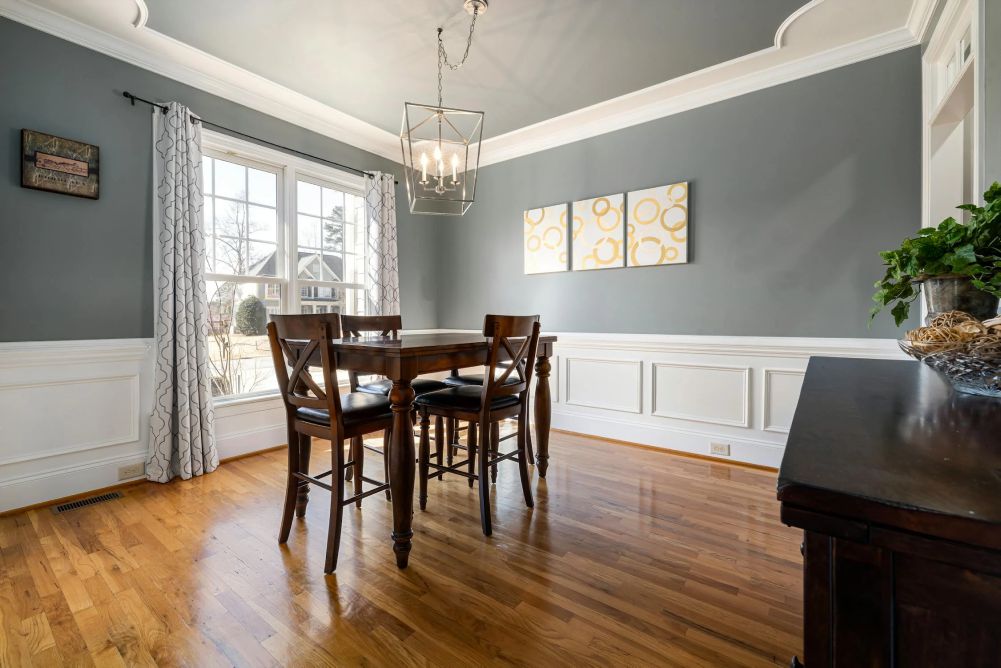
Credit: www.realtor.com
Frequently Asked Questions
What Tools Do I Need To Install Wainscoting Panels?
You need a measuring tape, level, saw, adhesive, nails, and a nail gun. A caulk gun and paint supplies are also helpful for finishing touches.
How High Should Wainscoting Panels Be Installed?
Typically, wainscoting panels are installed at one-third the height of your wall. This proportion balances aesthetics and functionality in dining rooms.
Can I Install Wainscoting Over Existing Drywall?
Yes, you can install wainscoting directly over drywall. Ensure the wall is clean, smooth, and free of loose paint or debris before installation.
How Do I Prepare The Dining Room Wall For Wainscoting?
Clean the wall, remove outlet covers, and repair any holes or cracks. Mark panel placement with a level and pencil for accuracy.
Conclusion
Installing wainscoting panels in your dining room adds charm and style. The process is simple when you follow the right steps. Take your time measuring and cutting for a perfect fit. Use the right tools to make the job easier.
Enjoy the fresh look and feel it brings to your space. A little effort can change your dining room’s whole appearance. Try it yourself and see the difference wainscoting can make.