
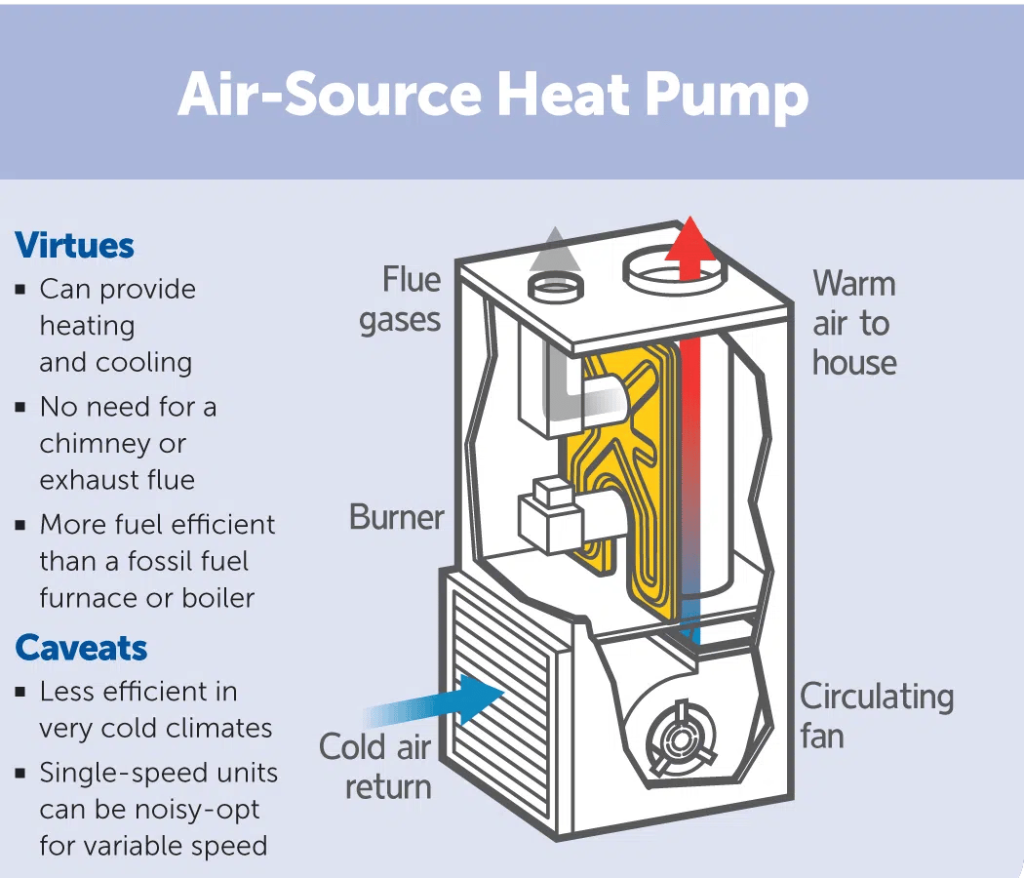
Are you tired of high heating bills or worried about your furnace breaking down when the cold hits? Finding ways to heat your house without a furnace might seem tricky, but it’s easier than you think.
Imagine staying warm and cozy without relying on expensive equipment or complicated setups. In this guide, you’ll discover simple, effective methods to keep your home comfortable all winter long. Ready to learn how to save money and stay warm? Let’s dive in!
Credit: www.familyhandyman.com
Alternative Heating Methods
Finding ways to heat your house without a furnace can feel challenging, but there are practical options that work well and save energy. Alternative heating methods offer flexibility and can fit different budgets and lifestyles. Let’s look at some effective choices you might consider to keep your home warm and cozy.
Space Heaters
Space heaters are a popular option because they heat specific rooms quickly and efficiently. You can choose from electric, oil-filled, or ceramic types depending on your needs. They are portable, so you can move them to the rooms you use most, which helps save on energy bills.
Have you ever tried using a space heater in your home office or bedroom? It’s surprising how much comfort a small device can add without turning up the central heating. Just remember to follow safety guidelines and never leave them unattended.
Wood Stoves And Fireplaces
Wood stoves and fireplaces create a warm, inviting atmosphere and can heat your entire living space if positioned well. They require a source of wood and proper ventilation, but many people enjoy the ritual of gathering around a real fire. Plus, they don’t rely on electricity, which is a big plus during power outages.
If you have access to affordable firewood, this method can be cost-effective. However, regular maintenance like chimney cleaning is essential to keep things safe and efficient. Do you have a cozy spot where a wood stove could become the heart of your home?
Pellet Stoves
Pellet stoves burn compressed wood or biomass pellets and offer a cleaner and more automated alternative to traditional wood stoves. They usually come with a hopper that feeds pellets into the fire, so you don’t have to add fuel constantly. This convenience makes them a great option if you want steady heat without much fuss.
Pellet stoves also produce less ash and smoke, reducing cleanup and improving indoor air quality. If you’re thinking about a heating system that combines efficiency with ease, this might be worth exploring. Are you ready to try a stove that balances tradition with technology?
Radiant Floor Heating
Radiant floor heating warms your home from the ground up, using either electric mats or hot water tubes under the floor. It provides consistent, comfortable heat without the noise or air movement of forced-air systems. Many people love how it keeps their feet warm on cold mornings.
This method can be more costly to install but pays off in comfort and energy savings over time. It’s especially effective in bathrooms and kitchens where tile floors can feel cold. Would you like to experience warmth that doesn’t rely on bulky radiators or heaters?
Maximizing Heat Retention
Keeping warmth inside the house is key when heating without a furnace. Heat can easily escape through small openings and thin surfaces. Maximizing heat retention helps reduce cold spots and keeps rooms cozy longer. Simple changes can create a big difference in comfort and energy use.
Sealing Drafts And Cracks
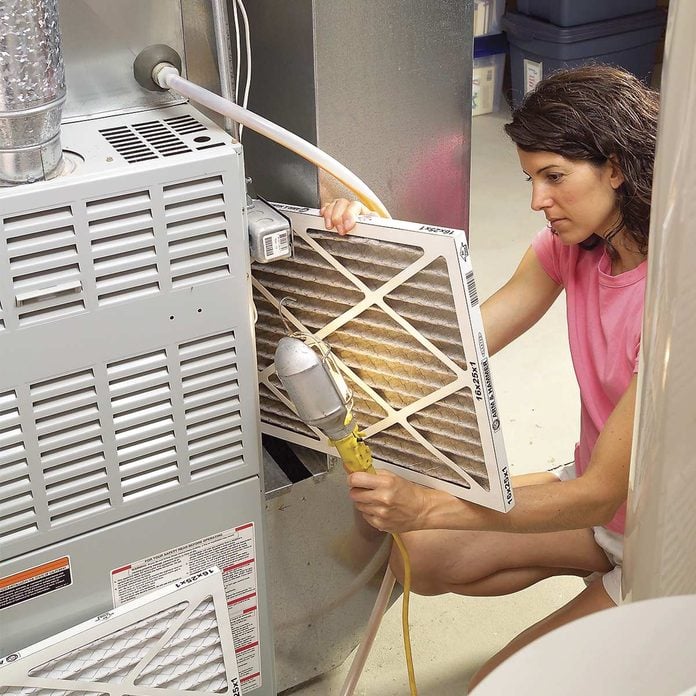
Drafts around doors, windows, and walls let cold air in and warm air out. Use weatherstripping tape or caulk to seal these gaps. Check places like baseboards, electrical outlets, and vents for hidden leaks. This stops cold air from sneaking inside and saves heat effectively.
Insulating Windows And Doors
Windows and doors are major sources of heat loss. Apply window insulation film or plastic sheets to create a barrier against cold air. Use door sweeps or draft stoppers at the bottom of doors. These materials keep cold air outside and trap warm air inside your rooms.
Using Thermal Curtains
Thermal curtains add an extra layer of insulation to windows. Close them at night or on cold days to reduce heat loss. These curtains block cold drafts and help retain warmth inside. During sunny hours, open them to let sunlight naturally heat your rooms.
Smart Heating Habits
Smart heating habits help keep your home warm without a furnace. They reduce energy use and save money. These simple actions make a big difference during cold days.
Zoning And Room Prioritization
Focus heat on rooms you use the most. Close doors to unused spaces to keep warmth in active areas. Use space heaters in living rooms or bedrooms for better comfort. This approach lowers overall heating needs. It helps heat only where it matters.
Using Warm Bedding And Clothing
Wear layers of warm clothes indoors. Use thick socks and cozy sweaters to feel warmer. At night, choose thermal or flannel sheets. Add blankets or comforters for extra warmth. Warm bedding reduces the need to heat the whole house.
Heat Reflectors Behind Radiators
Place heat reflectors behind radiators to push heat back into rooms. These simple panels prevent heat loss through walls. Reflectors are easy to install and cost-effective. They help radiators work more efficiently and keep rooms warmer.
Natural And Diy Heat Sources
Finding ways to heat your home without a furnace can be both rewarding and cost-effective. Natural and DIY heat sources offer clever solutions that use what you already have or can easily set up. These methods not only save energy but also give you more control over your indoor warmth.
Solar Heating Techniques
Solar energy is a powerful and free heat source. You can capture sunlight through south-facing windows during the day to warm your rooms naturally. Adding thermal curtains or insulated window coverings helps keep that heat inside once the sun sets.
Consider creating a DIY solar air heater using simple materials like aluminum cans and plywood. This device traps the sun’s heat and blows warm air into your space. Have you ever noticed how sunlit rooms feel noticeably warmer? That’s solar power at work.
Heat Generated By Appliances
Your everyday appliances produce more heat than you might expect. Running your oven, dishwasher, or even your laptop can add warmth to your home. However, safety comes first—always monitor appliances and avoid leaving them on unattended.
Using a clothes dryer or a large fish tank heater can also contribute small amounts of heat. If you’re careful, this can reduce the need for additional heating sources. What appliances do you use daily that could help keep your home warm?
Diy Heat Packs And Warmers
Heat packs you make yourself can provide localized warmth without heating the entire house. A simple rice or flaxseed bag heated in the microwave holds warmth for up to 30 minutes. These packs are perfect for keeping your hands or feet cozy.
Another idea is to fill socks with dry beans or corn and warm them near a safe heat source. These DIY warmers are inexpensive and reusable. Have you tried making your own heat pack before? It’s easier than you might think and surprisingly effective.
Safety Tips For Alternative Heating
Using alternative heating sources can keep your home warm without a furnace. Safety must be a top priority to avoid accidents and health risks. Follow key safety tips to protect your home and family.
Proper Ventilation
Always ensure your heating device has enough fresh air. Many heaters release gases that can be harmful indoors. Open a window or door slightly to allow air flow. Never block vents or air passages. Proper ventilation reduces the risk of carbon monoxide buildup.
Avoiding Fire Hazards
Keep flammable materials far from heaters. Items like curtains, papers, and furniture should stay at least three feet away. Use heaters on stable, flat surfaces to prevent tipping. Never leave heaters unattended while on. Install smoke alarms and check batteries regularly.
Regular Maintenance Checks
Inspect heaters before use for damage or wear. Clean dust and debris from heating elements and vents. Follow the manufacturer’s instructions for maintenance schedules. Repair or replace any faulty parts immediately. Regular checks keep heaters running safely and efficiently.
Credit: thefurnaceoutlet.com
Credit: www.familyhandyman.com
Frequently Asked Questions
How Can I Heat My House Without A Furnace?
You can heat your house using alternative methods like space heaters, fireplaces, and solar heating. Insulating your home and using thermal curtains can also help. Consider using a wood stove or electric blankets for added warmth. These methods can be efficient and cost-effective.
What Are Eco-friendly Heating Options?
Eco-friendly heating options include solar panels, geothermal heating, and pellet stoves. These methods are sustainable and reduce your carbon footprint. They utilize renewable energy, making them environmentally friendly. Investing in eco-friendly heating can lower energy bills and promote sustainable living.
Can Space Heaters Replace A Furnace?
Space heaters can provide supplemental heat but cannot replace a furnace entirely. They are ideal for small areas and temporary use. Using multiple space heaters can be costly and inefficient. It’s essential to use them safely and follow manufacturer guidelines to prevent hazards.
Is Solar Heating Effective For Homes?
Yes, solar heating is effective and energy-efficient. It harnesses the sun’s energy to heat your home. Solar panels can significantly reduce heating costs. It’s a sustainable option that can provide long-term savings. Proper installation and maintenance are crucial for maximizing efficiency.
Conclusion
Heating your home without a furnace is possible and practical. Small heaters, good insulation, and smart use of sunlight help a lot. Keep warm clothes and blankets nearby for extra comfort. Sealing drafts stops cold air from coming in. These simple steps save energy and money.
Stay warm by using what you have wisely. You don’t need a furnace to make your home cozy. Try these ideas and enjoy a warm house all winter.