

Are you ready to transform your dining room with the simple touch of perfectly hung curtains? Hanging curtains might seem like a small detail, but it can completely change the look and feel of your space.
Whether you want to add warmth, control natural light, or boost your room’s style, getting your curtains right is key. In this guide, you’ll discover easy steps and insider tips to hang your dining room curtains like a pro. Keep reading, and you’ll soon enjoy a room that feels cozy, elegant, and just the way you want it.
Choosing The Right Curtains
Choosing the right curtains shapes the entire look of your dining room. Curtains set the tone and style. They bring warmth and privacy to your space. Consider fabric, color, and size carefully for the best effect.
Selecting Fabric And Color
Pick fabric that suits your dining room’s purpose. Light fabrics like linen offer a breezy, casual look. Heavier fabrics like velvet add elegance and block light well. Choose colors that match or contrast your walls and furniture. Neutral tones create calm spaces. Bright colors add energy and focus.
Measuring Your Windows
Measure your window’s width and height accurately. Use a metal tape for precise results. Measure twice to avoid mistakes. Note the space above the window for curtain rods. This extra length helps curtains hang nicely. Write down all measurements clearly.
Picking Curtain Length And Width
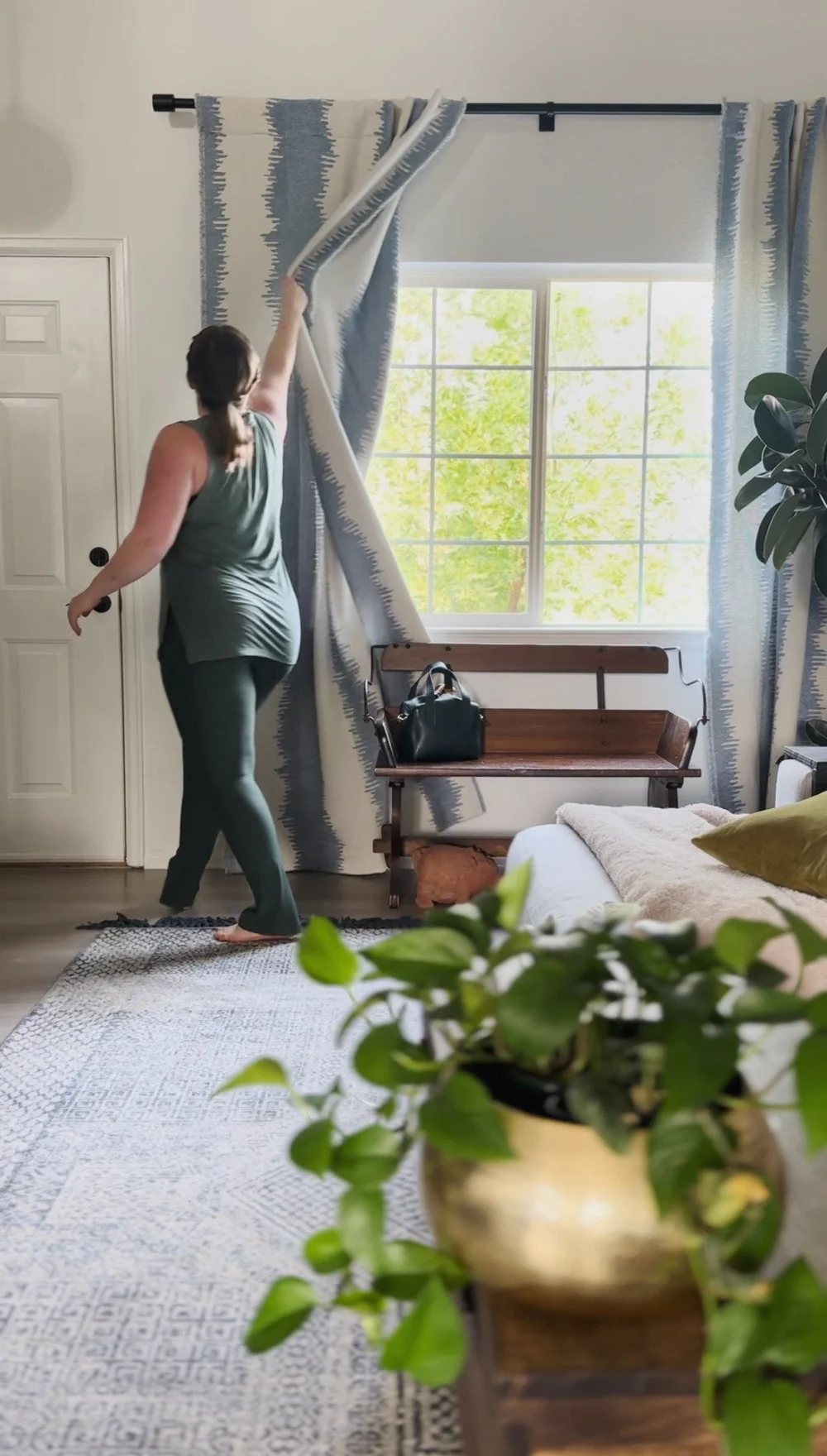
Decide the curtain length based on your style. Curtains can hang just below the window sill or reach the floor. For a formal look, choose floor-length curtains. For casual, shorter curtains work well. Width should be wider than the window. This allows curtains to gather and look full. Multiply the window width by 1.5 to 3 times for fullness.
Credit: diydarlingblog.com
Gathering Tools And Materials
Before you start hanging your dining room curtains, gathering the right tools and materials is crucial. Having everything ready not only makes the process smoother but also helps avoid frustrating interruptions. Think about the space you’re working in and the style you want to achieve—this will guide your choices.
Essential Tools For Installation
Getting the basics right saves time and effort. Here’s a list of tools you’ll need:
- Measuring tape:To ensure your curtains fit perfectly and hang at the right height.
- Drill and drill bits:For making holes in the wall to secure the curtain rod brackets.
- Screwdriver:To tighten screws on brackets and rods.
- Level:To keep your curtain rod perfectly straight—nothing looks worse than crooked curtains.
- Pencil:To mark where you’ll install brackets.
- Wall anchors:Especially important if you’re not drilling into studs.
Do you have a drill at home, or will you need to borrow one? Planning ahead can save a last-minute dash to the hardware store.
Types Of Curtain Rods
Choosing the right curtain rod impacts both the look and functionality of your curtains. Here are common types:
- Standard Rods:Simple and versatile, great for most dining rooms.
- Tension Rods:No drilling needed, but best for lightweight curtains and smaller windows.
- Traverse Rods:Equipped with a pulley system, ideal if you want to open and close curtains easily.
- Double Rods:Allow layering of curtains and sheers for a rich, textured look.
Think about how often you’ll open the curtains and what style fits your space. Would a sleek metal rod or a wooden one suit your dining room’s vibe?
Additional Hardware Options
Beyond the rod and basic tools, extra hardware can enhance your curtain setup:
- Finials:Decorative end caps for curtain rods that add personality.
- Brackets:Ensure you have sturdy brackets that can support your curtain’s weight.
- Holdbacks or Tiebacks:Useful for pulling curtains aside during meals or gatherings.
- Wall anchors and screws:Choose anchors rated for your wall type to keep everything secure.
Have you thought about how these little extras might change your room’s look and function? Sometimes a small detail makes a big difference.
Preparing The Window Area
Preparing the window area is a crucial step before hanging your dining room curtains. It ensures a smooth installation process and helps your curtains look their best. Taking time here can save you from frustration and uneven results later.
Cleaning The Space
Start by clearing the window sill and surrounding area. Dust and dirt can interfere with curtain hardware and make the final look less polished. Use a damp cloth to wipe down surfaces, removing cobwebs or grease buildup.
Don’t forget to clean the window glass itself. A clear view makes your curtains stand out more and brightens the entire room. Think about how often you overlook this step but notice the difference once it’s done.
Marking Mounting Points
Measure carefully to decide where your curtain rod will go. Mark the spots with a pencil to guide your drilling or screwing. Remember, mounting the rod higher and wider than the window frame makes the room feel larger and lets in more light when curtains are open.
Double-check your measurements before drilling. It’s easier to fix a pencil mark than a misplaced hole. What’s the best way to ensure your curtains hang straight? Try using a level for perfect alignment.
Checking For Obstacles
Look closely for anything that might block your curtain rod or brackets. Light switches, window cranks, or molding can get in the way. If you find any obstacles, consider adjusting your mounting points or choosing a different rod style.
Also, check inside the wall for wiring or plumbing before drilling. Safety matters, and avoiding hidden hazards prevents costly repairs. Have you ever drilled into something unexpected? Taking a moment to check can save a lot of trouble.

Credit: enthrallinggumption.com
Installing Curtain Rods
Installing curtain rods properly is key to hanging dining room curtains with style and function. The rod holds the curtains and impacts the room’s overall look. Take time to place and secure the rods carefully. A well-installed rod ensures smooth curtain movement and lasting support.
Mounting Brackets Securely
Start by choosing sturdy brackets made for your rod’s weight. Use a pencil to mark holes on the wall. Check for wall studs with a stud finder for better support. Drill holes at the marks. Insert anchors if not drilling into studs. Screw the brackets tightly to the wall. Make sure they feel firm and don’t wiggle.
Positioning The Rod Correctly
Place the rod higher than the window frame to create a taller look. Extend the rod beyond the window edges for full curtain coverage. This allows the curtains to open wide and let in more light. Measure the width carefully to avoid a rod that is too short or too long. Keep the rod centered with the window.
Ensuring Level Alignment
Use a level tool to check the brackets’ alignment before final tightening. Even a small tilt can make curtains hang unevenly. Adjust the brackets as needed to keep the rod perfectly horizontal. Recheck the level after tightening screws. This ensures smooth curtain operation and a balanced appearance.
Hanging The Curtains
Hanging your dining room curtains properly can transform the whole space, giving it warmth and style. The way you hang them affects not only the look but also how they function day to day. Taking time to do this part carefully ensures your curtains fall perfectly and last longer.
Attaching Curtains To Rods
Start by selecting the right curtain rod that matches the weight and style of your curtains. Slide the curtain rings or hooks onto the rod before placing it on the brackets. If your curtains have built-in grommets or tabs, thread the rod through these openings smoothly to avoid any wrinkles.
Check that each curtain panel is securely attached to prevent slipping or sagging later. Have you noticed how a loose curtain can ruin the overall neatness? That’s why securing them firmly is key.
Adjusting Curtain Folds
Once your curtains hang, gently shape the folds by hand to create an even, natural look. For heavier fabrics, pinch the folds together to maintain structure and prevent them from flattening out. Lighter fabrics may need a little more adjustment to avoid looking limp.
Try stepping back and observing the folds from different angles. Does the fabric flow smoothly or bunch up awkwardly? Small tweaks here can make a big difference in the final appearance.
Ensuring Even Draping
Even draping means your curtains should hang at the same length on both sides and form balanced folds across the window. Use a tape measure to check the hem height, adjusting the curtain rod or hooks if necessary. Uneven curtains can distract and make your dining area look unfinished.
Consider how the curtains interact with natural light. Are the folds allowing sunlight in as you want, or are they blocking too much? Adjusting the draping can help you control ambiance and privacy effortlessly.
Styling Tips For Dining Room Curtains
Dining room curtains shape the room’s style and mood. Thoughtful styling brings warmth and charm. Choosing the right accents enhances the window treatment’s appeal. Small touches can make curtains stand out or blend with the decor.
Layering With Sheers
Sheer curtains soften sunlight and add texture. They create a light, airy feel perfect for dining spaces. Layering sheers behind heavier drapes offers flexibility. Pull the heavier curtains for privacy, or leave sheers closed for gentle light. This layering also adds depth and elegance to the window area.
Adding Tiebacks And Holdbacks
Tiebacks and holdbacks keep curtains neatly pulled aside. They add a polished look and allow more light in. Choose styles that match the room’s hardware for a cohesive feel. Fabric tiebacks add softness, while metal holdbacks bring a classic touch. These accessories make opening and closing curtains easier and more stylish.
Coordinating With Dining Room Decor
Curtains should match or complement the dining room’s colors and style. Use colors from the furniture, wall paint, or table settings. Patterns can echo rugs or upholstery for harmony. Neutral curtains work well with bold decor. Bright curtains can add a pop of color to a simple room. Balance curtain style with the room’s formality for a unified look.
Maintaining Your Curtains
Curtains add charm and warmth to your dining room. Keeping them fresh and functional makes your space inviting. Proper care extends the life of your curtains. It also keeps them looking new and clean. Simple routines and small fixes help maintain their beauty.
Cleaning And Care Instructions
Check the label for washing instructions. Some curtains need dry cleaning, others can be machine washed. Use gentle detergent and cold water for most fabrics. Avoid harsh chemicals that can damage the material.
Vacuum curtains regularly to remove dust and dirt. Use the brush attachment on low power. Spot clean stains immediately with a mild soap solution. Let curtains dry fully before rehanging to avoid mildew.
Repairing Common Issues
Loose seams can be sewn back quickly with needle and thread. Replace missing hooks or rings to keep curtains hanging evenly. Fix small tears with fabric glue or by patching from behind. Check curtain rods and brackets for stability and tighten if needed.
Seasonal Updates
Change curtains according to the season to refresh your room. Use lighter fabrics in summer to let more light in. Choose thicker or lined curtains in winter to keep warmth inside. Rotate curtains occasionally to prevent uneven fading from sunlight.

Credit: www.whisperingbold.com
Frequently Asked Questions
How High Should Dining Room Curtain Rods Be Placed?
Curtain rods should be placed 4-6 inches above the window frame. This creates the illusion of taller ceilings and adds elegance to the room. Proper height ensures curtains hang freely without blocking light or view.
What Curtain Length Is Best For Dining Rooms?
Floor-length curtains that just touch or slightly puddle on the floor work best. This length adds sophistication and enhances the room’s décor. Avoid curtains that hang too short or drag heavily to maintain a neat look.
How Do I Choose The Right Curtain Fabric For Dining Rooms?
Choose fabrics that complement your dining room style and lighting. Linen and cotton offer a casual feel, while velvet or silk add luxury. Consider durability and ease of cleaning, especially for rooms with frequent use.
Should Dining Room Curtains Match Or Contrast Walls?
Curtains should either complement or contrast walls to create visual interest. Matching tones create a seamless look, while contrasting colors make curtains a focal point. Choose based on your room’s style and desired ambiance.
Conclusion
Hanging dining room curtains adds charm and function. Choose the right style for your space. Measure carefully to ensure a perfect fit. Install rods securely for safety and stability. Hang curtains to match your room’s theme and lighting needs. Small changes can make big impacts.
Experiment with different lengths and materials. Curtains influence the room’s ambiance. They create warmth and privacy. Enjoy the transformation of your dining space. Feel proud of your stylish setup. Guests will notice your attention to detail. Happy decorating!