
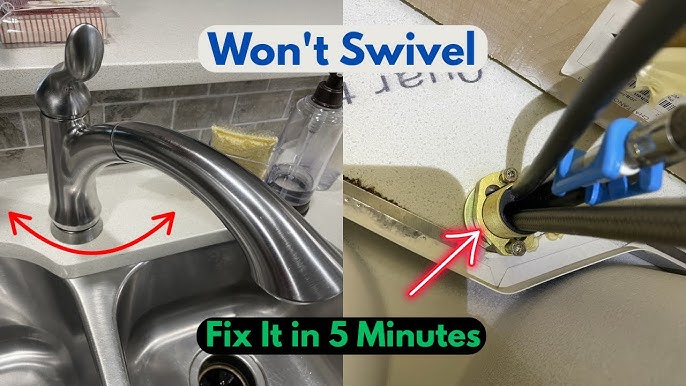
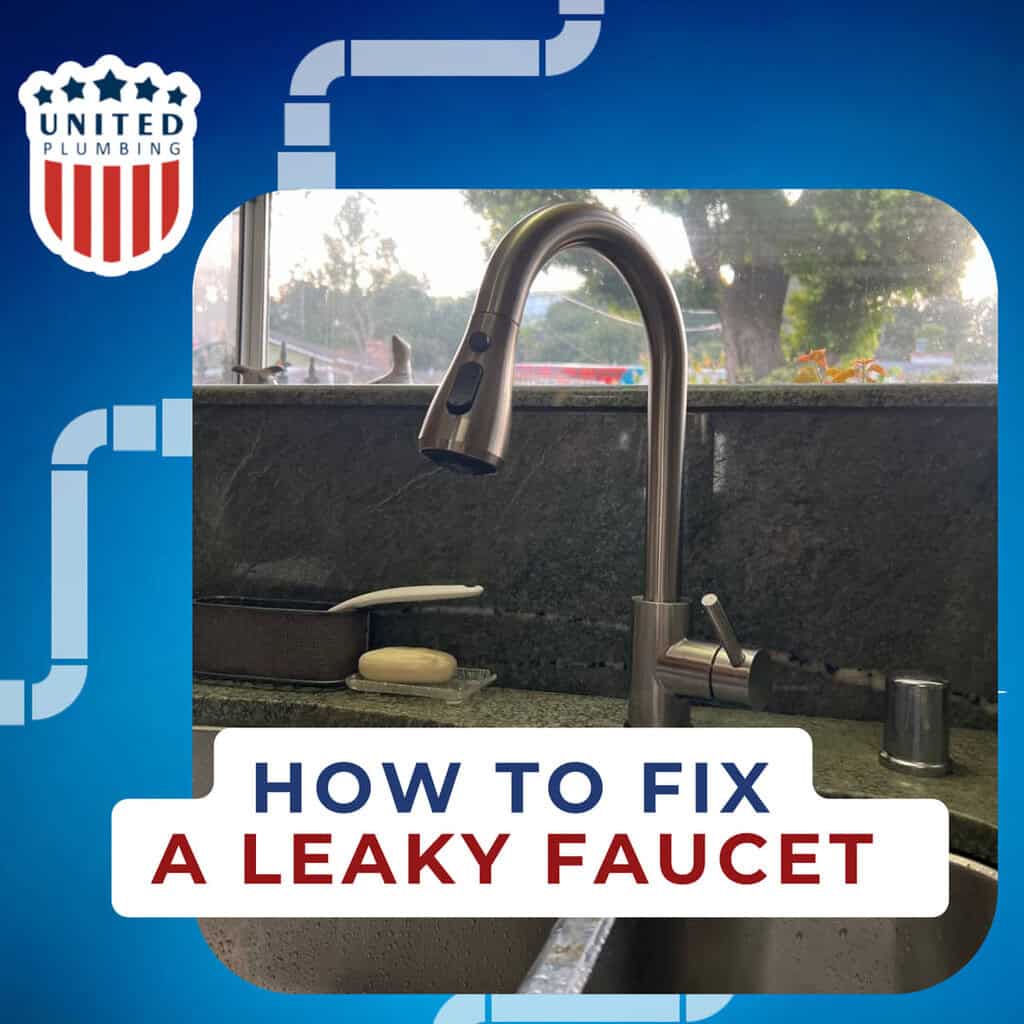
Is your kitchen faucet dripping nonstop and driving you crazy? That constant leak not only wastes water but can also hike up your bills and cause damage over time.
The good news is, you don’t need to call a plumber right away. With just a few simple steps, you can fix that annoying drip yourself. In this guide, you’ll learn exactly how to stop the leak quickly and easily, saving money and stress.
Keep reading—you’re just minutes away from a quiet, drip-free kitchen!
Signs Of A Leaky Faucet
Noticing a leaky kitchen faucet early saves water and prevents damage. Leaks often start small but cause bigger issues over time. Recognizing the signs helps you act quickly and fix the problem before it worsens.
Drips And Water Waste
Drips are the most obvious sign of a leaky faucet. Even slow dripping wastes gallons of water daily. Look under the faucet and around the sink for constant drops. These small leaks increase water bills and harm the environment.
Noisy Faucet Sounds
Unusual sounds often signal a faucet problem. Listen for hissing, squealing, or whistling when the faucet is on or off. These noises mean worn parts or pressure issues inside the faucet. Ignoring sounds can lead to bigger leaks or damage.
Water Pressure Issues
Low or uneven water pressure can indicate a leak or blockage. If water flow feels weak or inconsistent, check the faucet carefully. A leak inside the faucet may reduce water pressure. Fixing it restores normal flow and saves water.

Credit: www.youtube.com
Common Causes Of Leaks
Leaky kitchen faucets cause water waste and increase bills. Small drips can lead to bigger problems if ignored. Knowing common causes helps fix leaks faster and prevents damage.
Worn Out Washers
Washers press against valve seats to stop water flow. Over time, they wear out or become stiff. This wear causes water to drip from the faucet. Replacing washers often solves the leak problem.
Damaged O-rings
O-rings are small rubber rings sealing parts inside the faucet. They prevent water from escaping around the handle. If O-rings crack or shrink, water leaks near the handle. Changing damaged O-rings can stop these leaks quickly.
Corroded Valve Seats
Valve seats connect the faucet to the spout. Hard water and debris cause them to corrode. Corrosion creates gaps where water seeps through. Cleaning or replacing valve seats restores a tight seal and stops leaks.
Tools And Materials Needed
Before you dive into fixing your leaky kitchen faucet, gathering the right tools and materials is essential. Having everything ready saves you time and spares you from frustrating trips to the hardware store. It also ensures the repair goes smoothly, so your faucet stops dripping quickly and effectively.
Basic Plumbing Tools
You don’t need a full toolbox, but a few key plumbing tools make a big difference. A basin wrench helps you reach tight spots under the sink. Adjustable pliers and a flathead screwdriver are handy for loosening nuts and screws.
Don’t forget a utility knife to cut old seals or tape, and a small flashlight to see in dark cabinet corners. These simple tools cover most faucet repairs and keep the job manageable for any skill level.
Replacement Parts
Identifying the right replacement parts can be tricky but is crucial for fixing your leak. Common parts include O-rings, washers, and cartridge valves. Check your faucet’s model number or bring the old parts to the store to match them accurately.
Sometimes a worn-out seal causes the drip, and swapping it out stops the problem immediately. Have a few extra washers on hand—you’ll thank yourself if you encounter a stubborn leak elsewhere down the line.
Safety Gear
Safety might not be the first thing you think about with a faucet leak, but it’s important. Wear gloves to protect your hands from sharp edges and cleaning chemicals. Safety glasses can shield your eyes from unexpected splashes or debris under the sink.
Also, keep a towel nearby to quickly wipe up any water spills. Staying safe and dry keeps the repair stress-free and prevents small accidents from becoming bigger problems.

Credit: www.youtube.com
Step-by-step Repair Process
Fixing a leaky kitchen faucet requires a clear and simple process. Follow these steps to repair the faucet quickly and avoid water waste. Each step focuses on a key part of the repair to make it easy to follow and complete.
Shut Off Water Supply
Start by turning off the water supply to the faucet. Look under the sink for the shut-off valves. Turn each valve clockwise to close. This prevents water from flowing while you work. Open the faucet to drain any remaining water.
Disassemble The Faucet
Use a screwdriver or wrench to remove the faucet handle. Be careful not to damage any parts. Once the handle is off, take off the decorative caps and nuts. Keep all parts organized to avoid losing them. This exposes the internal components for inspection.
Inspect And Replace Faulty Parts
Check the washers, O-rings, and seals for wear or damage. These parts often cause leaks when worn out. Replace any damaged parts with exact matches from a hardware store. Clean the inside of the faucet to remove dirt and buildup. Proper inspection ensures the leak stops for good.
Reassemble The Faucet
Put the faucet parts back together in the reverse order. Tighten nuts and screws securely but avoid overtightening. Replace the decorative caps and handle carefully. Make sure everything fits snugly to prevent new leaks. A neat assembly helps the faucet work smoothly.
Test For Leaks
Turn the water supply back on slowly. Watch the faucet and connections for any dripping. Open and close the faucet to check smooth operation. If no leaks appear, the repair is successful. If leaks continue, recheck the parts and assembly.
Tips To Prevent Future Leaks
Preventing future leaks saves water and money. Small efforts can keep your kitchen faucet working well. Follow simple tips to stop leaks before they start.
Regular Maintenance
Check your faucet parts often. Clean the aerator and remove debris. Tighten loose connections carefully. Replace worn washers and seals quickly. Regular care helps spot problems early.
Avoiding Over-tightening
Do not force faucet handles or connectors. Tightening too much can break parts. Turn handles gently to stop leaks. Use the right tool and apply light pressure. This keeps your faucet safe and working.
Using Quality Parts
Choose good-quality washers, O-rings, and cartridges. Cheap parts wear out fast and cause leaks. Look for parts made for your faucet model. Quality parts last longer and fit better. This reduces the chance of future leaks.
Credit: plumbing-united.com
Frequently Asked Questions
How Do I Stop A Kitchen Faucet From Leaking?
To stop a kitchen faucet leak, first turn off the water supply. Then, check and replace worn-out washers or O-rings. Tighten any loose parts. If leaks persist, consider replacing the faucet cartridge or consult a plumber for advanced repairs.
What Tools Do I Need To Fix A Leaky Faucet?
You’ll need an adjustable wrench, screwdrivers, pliers, and replacement washers or O-rings. A plumber’s grease and a cloth for cleaning help too. Having a flashlight and bucket ready is useful for water spills during repairs.
Why Is My Kitchen Faucet Leaking Continuously?
Continuous leaks often indicate worn-out washers, damaged cartridges, or loose fittings. Mineral buildup can also cause leaks. Regular maintenance and timely part replacement prevent leaks. If unsure, professional inspection ensures the right fix.
Can I Fix A Leaky Faucet Without A Plumber?
Yes, many leaks can be fixed DIY by replacing washers or cartridges. Turn off water, disassemble the faucet, and inspect parts. Follow step-by-step guides carefully. For complex leaks, a plumber’s help is recommended.
Conclusion
Fixing a leaky kitchen faucet saves water and money. Small drips can cause big problems over time. You can handle this repair with simple tools and steps. Regular checks help catch leaks early and avoid damage. Take your time and follow each step carefully.
A working faucet keeps your kitchen clean and efficient. Don’t wait for the leak to get worse. Start fixing it today for a quieter, drip-free sink.