

Is your house heater acting up just when you need it most? Feeling the chill creeping in can be frustrating and uncomfortable.
But before you call a technician or spend money on a replacement, there’s a good chance you can fix it yourself. You’ll discover simple, step-by-step solutions to get your heater working efficiently again. Imagine turning your heater back on and enjoying warm, cozy rooms without hassle.
Keep reading—you’re closer to a warmer home than you think.
Common Heater Problems
Heater problems can disrupt your comfort during cold days. Recognizing common issues helps fix them quickly. Knowing the signs of heater trouble saves time and money.
No Heat Production
The heater turns on but does not warm the room. This can happen due to a faulty thermostat or a broken heating element. Check if the power supply is working and the circuit breaker is on. Sometimes, a clogged filter blocks airflow and stops heat.
Uneven Heating
Some rooms feel warm while others stay cold. Uneven heating may result from blocked vents or dirty filters. The heater fan might not distribute warm air properly. Inspect vents for dust or furniture blocking airflow.
Strange Noises
Buzzing, rattling, or banging sounds come from the heater. Loose parts or a failing motor often cause these noises. Dust buildup on the fan can also create sounds. Turn off the heater and check for loose screws or debris.
Unusual Smells
A burning or chemical smell appears when the heater runs. Dust burning off after long inactivity is common and usually harmless. Persistent burning smells suggest electrical issues or overheating. Turn off the heater and call a professional if the smell continues.

Credit: www.youtube.com
Safety Precautions
Working on your house heater can be rewarding, but it comes with risks that you shouldn’t ignore. Taking safety precautions seriously protects you from accidents and prevents damage to your system. Let’s look at some key safety steps to keep your repair process smooth and secure.
Power Off Before Repair
Always switch off the power supply before touching any part of your heater. This step is crucial to avoid electric shocks or short circuits. Even if you think the heater is off, double-check the circuit breaker or unplug the unit to be absolutely safe.
Have you ever felt a small shock while fixing an appliance? That sharp jolt is a warning sign that power wasn’t fully disconnected. Don’t risk it—make turning off the power your first action.
Proper Ventilation
Heaters often release fumes or dust during repair, which can be harmful if inhaled in a closed space. Open windows or doors to ensure fresh air circulates around your workspace. This also helps clear any lingering smells from burnt components or chemical cleaners.
If you notice a strong odor or feel lightheaded while working, stop immediately and improve ventilation. Your breathing is the first thing to protect.
Use Protective Gear
Wear gloves to shield your hands from sharp edges and hot parts. Safety glasses protect your eyes from debris or sparks that might fly during repairs. Consider using a dust mask if you’re dealing with old filters or dusty components.
One time, I ignored gloves and ended up with a nasty cut from a metal edge. That taught me the hard way how important protective gear is. You don’t want a small injury turning your repair into a trip to the emergency room.
Basic Tools Needed
Fixing a house heater starts with having the right tools. These tools make the job easier and safer. Knowing what to have on hand helps you work more confidently.
Basic tools cover simple repairs and checks. They help you open parts, test power, and clean components. Without these, diagnosing problems becomes tough.
Screwdrivers And Wrenches
Screwdrivers come in many types. Flathead and Phillips are most common for heaters. Wrenches help loosen or tighten nuts and bolts. These tools let you open panels and reach inside safely.
Choose sizes that fit your heater’s screws and bolts. A small set with different heads covers most needs. Keep them close to avoid delays during repair.
Multimeter
A multimeter tests electrical parts. It measures voltage, current, and resistance. This tool shows if power flows correctly in your heater. It helps spot broken wires or faulty components.
Using a multimeter requires basic knowledge. Read the manual and follow safety rules. This tool saves time by finding electrical faults quickly.
Cleaning Supplies
Dirt and dust cause many heater problems. Cleaning supplies keep parts clear and working well. Use a soft brush to remove dust from vents and coils.
Cloths and mild cleaners help wipe surfaces. Avoid harsh chemicals that damage heater parts. Regular cleaning improves heater efficiency and lifespan.
Step-by-step Repair Guide
Fixing a house heater can seem tough. This guide breaks down the process into simple steps. Follow each part carefully to find and solve common heater problems. This will help restore warmth and comfort in your home quickly.
Inspect The Thermostat
Check the thermostat settings first. Make sure it is set to “heat” mode. Confirm the temperature is higher than the room temperature. Replace batteries if the display is blank. A faulty thermostat can stop the heater from turning on.
Clean Or Replace Filters
Dirty filters block airflow and reduce heater efficiency. Remove the filter from the heater. Look for dust, dirt, and debris. Clean washable filters with water and let dry. Replace disposable filters with new ones. Regular filter care improves heating performance.
Check Electrical Connections
Turn off power to the heater before inspecting. Look for loose or damaged wires. Tighten any loose connections carefully. Check fuses or circuit breakers for tripped switches. Faulty wiring can cause the heater to fail or become unsafe.
Test The Pilot Light Or Ignition
Locate the pilot light or electronic ignition system. For a pilot light, see if it is lit. If not, follow the heater’s manual to relight it safely. For electronic ignition, listen for clicking sounds during startup. Replace ignition parts if they fail to ignite the burner.
Examine The Blower Motor
Turn off power before working on the blower motor. Look for dust buildup on the fan blades. Clean the blades gently with a soft brush. Check if the motor runs smoothly without strange noises. Lubricate or replace the motor if it is faulty.
When To Call A Professional
Knowing when to call a professional can save you time and keep your home safe. Some heater problems need expert skills and special tools. Trying to fix them alone can cause more damage or even danger.
Recognize signs that go beyond simple fixes. Trusting a qualified technician ensures proper repair and avoids future headaches. Here are clear cases when professional help is necessary.
Complex Electrical Issues
Electrical problems with heaters can be risky. Flickering lights, frequent breaker trips, or burning smells mean trouble. Diagnosing wiring or circuit board faults requires experience.
Professionals have tools to find hidden faults safely. They prevent shocks and fire hazards. Avoid opening electrical panels without training.
Gas Leak Concerns
Gas leaks are serious threats. Smelling gas or hearing hissing sounds needs immediate action. Do not try to fix gas lines or valves yourself.
Certified technicians use special detectors and know safety rules. They repair leaks and test for proper ventilation. This protects your family from poisoning or explosions.
Persistent Malfunctions
Sometimes heaters stop working despite many attempts to fix. Constant shutting off, uneven heat, or strange noises may signal deeper issues. These problems often need detailed diagnosis.
Professionals can spot worn parts or hidden faults fast. Their repairs last longer and keep the heater reliable. Avoid wasting money on repeated do-it-yourself fixes.
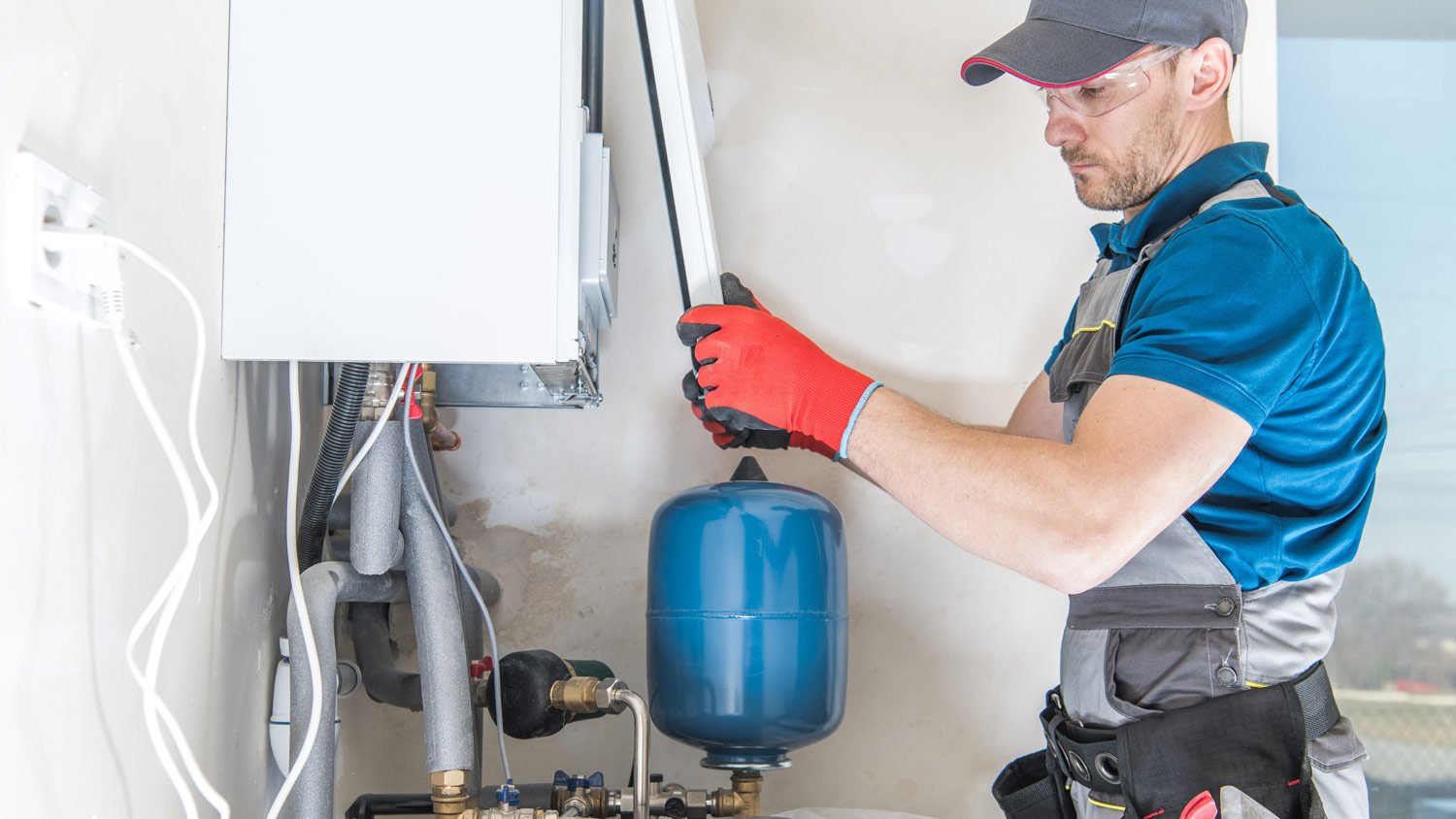
Credit: www.angi.com
Maintenance Tips For Longevity
Keeping a house heater in good shape ensures it works well for many winters. Simple upkeep can prevent breakdowns and improve efficiency. Focus on a few key areas to extend your heater’s life and maintain warmth in your home.
Regular Filter Replacement
Change heater filters every 1 to 3 months. Dirty filters block airflow, causing the heater to work harder. This raises energy costs and risks damage. Clean filters improve air quality and keep heat flowing smoothly.
Annual Professional Checkups
Hire a technician to inspect the heater yearly. Experts check for worn parts, leaks, and safety issues. Early fixes stop small problems from growing. A professional tune-up boosts heater performance and reliability.
Keep Vents Clear
Remove dust and objects near vents. Blocked vents reduce airflow and cause uneven heating. Clear vents help warm air spread properly throughout rooms. Check vents regularly to avoid cold spots and strain on the heater.

Credit: www.angi.com
Frequently Asked Questions
How Do I Troubleshoot A Heater Not Turning On?
If your heater won’t turn on, first check the thermostat settings and ensure it’s set to ‘heat’ mode. Verify the power supply and inspect circuit breakers for tripped fuses. Examine the pilot light in gas heaters and ensure it’s lit.
Regular maintenance can prevent common heater issues.
Why Is My Heater Blowing Cold Air?
A heater blowing cold air can result from incorrect thermostat settings or a malfunctioning thermostat. Check the air filter for clogs, as this can restrict airflow. Ensure the pilot light is ignited in gas heaters. Regular maintenance can prevent cold air issues.
What Causes A Heater To Make Loud Noises?
Loud noises in heaters can be due to loose components or debris within the system. Check for rattling parts and secure them. Squealing noises might indicate a worn-out belt. Regular cleaning and professional inspections can help identify and fix the source of these noises.
How Often Should A Heater Be Serviced?
Heaters should be serviced at least once a year to ensure optimal performance. Regular maintenance can prevent unexpected breakdowns and improve energy efficiency. Schedule a professional inspection before the cold season starts. This can help identify potential issues early and extend the heater’s lifespan.
Conclusion
Fixing a house heater can save money and keep you warm. Start by checking simple parts like filters and thermostats. Clean or replace what looks dirty or broken. If the problem stays, call a professional for safety. Regular maintenance helps your heater last longer.
Stay safe and warm all winter. Small steps can make a big difference. Keep your home cozy without stress.