
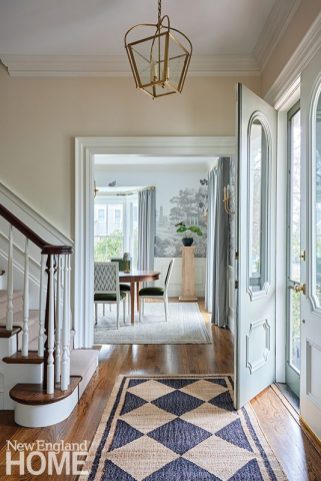
Your open entryway is the first thing you and your guests see when you walk into your home. It sets the tone for the rest of your space.
But decorating it can be tricky—too empty, and it feels cold; too cluttered, and it’s overwhelming. What if you could create an entryway that feels welcoming, stylish, and perfectly balanced? This guide will show you simple, practical ways to transform your open entryway into a space that invites comfort and leaves a lasting impression.
Ready to make your entryway a place you love? Keep reading to discover how.
Maximizing Space In Open Entryways
Maximizing space in open entryways can transform a cluttered area into a welcoming, functional zone. You want your entryway to feel roomy without losing its charm or utility. Small tweaks can create big impacts, making your space both inviting and practical.
Use Vertical Storage Solutions
Think beyond floor space. Adding shelves or hooks on walls helps keep shoes, bags, and coats organized without crowding the floor. I once added a tall, narrow shelving unit in my entryway, which freed up so much room and kept daily essentials within easy reach.
Choose Multi-functional Furniture
Furniture that serves more than one purpose is a game changer. A bench with storage underneath or a console table with drawers can keep clutter out of sight. This way, you get seating and storage without taking up extra space.
Keep The Path Clear And Open
Consider how you move through the entryway daily. Avoid placing bulky items where they block the natural flow of traffic. A clear path makes the space feel larger and more welcoming.
Opt For Light And Neutral Colors
Color affects how spacious a room feels. Light walls and furniture create an airy atmosphere that opens up the entryway visually. Have you noticed how a fresh coat of white or pale gray instantly brightens a space?
Incorporate Mirrors Strategically
Mirrors reflect light and add depth, making your entryway feel bigger. Position a mirror opposite a window to bounce natural light around the room. I placed a large mirror near my door, and it completely changed how spacious the area feels.

Credit: www.youtube.com
Choosing The Right Color Palette
Choosing the right color palette for an open entryway sets the tone for your entire home. Colors influence mood and create a welcoming atmosphere. A well-chosen palette can make the space feel larger, brighter, and more inviting.
Start by considering natural light. Light colors reflect sunlight and brighten the area. Dark shades can create a cozy and dramatic effect but may make the space feel smaller. Balance is key.
Understanding The Mood You Want To Create
Think about the feeling you want your entryway to evoke. Soft blues and greens create calm and relaxation. Warm tones like yellows and oranges bring energy and cheer. Neutral colors offer a timeless and clean look.
Using Color To Define Zones
In an open entryway, color helps separate different areas without walls. Use contrasting or complementary colors to mark a seating area or storage space. This technique keeps the open flow but adds structure.
Choosing Colors That Match Your Home Style
Match your entryway colors with your home’s overall design. Modern homes work well with bold and bright palettes. Traditional styles suit soft and muted tones. A consistent palette creates harmony throughout the house.
Tips For Testing And Finalizing Your Palette
- Test paint samples on different walls and observe them at various times.
- Check how colors look under natural and artificial light.
- Use small decor items to preview how colors blend together.
- Keep your palette simple with two or three main colors.
Incorporating Functional Furniture
Adding furniture to an open entryway is about more than just filling space. It should make your life easier while enhancing the look and feel of the area. When you choose pieces that serve a purpose, you create a welcoming spot that helps you stay organized and ready as you come and go.
Choosing Seating That Doubles As Storage
Seating is essential in an entryway, but it doesn’t have to be just for sitting. Benches with hidden compartments or ottomans with storage inside help you tuck away shoes, scarves, or bags neatly. This keeps clutter out of sight and makes grabbing your things quick and easy.
Think about how often you find yourself fumbling for your keys or gloves. Having a seat with storage nearby can solve that problem instantly.
Selecting Console Tables With Practical Features
A slim console table fits perfectly in narrow entryways, but look for one with built-in drawers or shelves. These features give you a spot to drop mail, hold small essentials, or place decorative baskets. This way, your entryway stays tidy without sacrificing style.
What items do you reach for first when you walk in? Make sure your console table can hold those for easy access.
Using Wall-mounted Furniture To Save Floor Space
Wall-mounted shelves or hooks make great additions if your entryway is tight on space. They keep things off the floor, reducing clutter and making cleaning easier. You can hang bags, coats, or even small baskets for hats and gloves.
Have you ever tripped over shoes or bags in a cramped entry? Wall-mounted solutions prevent those hazards and keep your space open.
Incorporating Multi-use Furniture Pieces
Look for furniture that can serve more than one function, like a bench that’s also a shoe rack or a table with a mirror above it. This helps maximize every inch of your entryway and keeps everything you need right at hand. Multi-use pieces are especially handy in smaller homes.
How much can you simplify your entryway by combining functions into one piece? It’s a small change that makes a big difference.
Adding Statement Lighting Fixtures
Adding statement lighting fixtures to your open entryway can instantly transform the space. These fixtures don’t just light up the area—they set the tone and create a welcoming vibe. Choosing the right piece can elevate your home’s first impression.
Choosing The Right Size And Scale
The size of your lighting fixture should match the scale of your entryway. A small chandelier in a large open space can get lost, while an oversized pendant can overwhelm a cozy entry. Measure your ceiling height and entryway width before shopping to find a perfect fit.
Think about how much light you need too. A large fixture can offer plenty of brightness, but layering with wall sconces or table lamps might be necessary for balanced lighting.
Selecting A Style That Reflects Your Home
Your lighting should reflect your home’s style and personality. Whether you prefer modern, rustic, or vintage vibes, there’s a statement fixture that fits your taste. A sleek metal fixture works well in contemporary spaces, while a lantern-style light adds charm to farmhouse-inspired homes.
Have you noticed how a bold design can spark conversations? Your entryway lighting can be a great conversation starter for guests.
Considering Practical Features And Installation
Beyond looks, think about practical features like dimmable lights or adjustable heights. These options help you customize the ambiance depending on the time of day or occasion. Installing a dimmer switch is a smart move to control brightness easily.
Don’t forget the ease of installation. If your entryway has a high ceiling, you might want a fixture that’s easier to clean and maintain. Safety first—make sure the fixture is securely installed to avoid accidents.
Creating A Focal Point With Artwork
Creating a focal point with artwork transforms an open entryway instantly. It draws the eye and sets the tone for your home. The right piece adds personality and style without crowding the space.
Choosing artwork that fits the size and style of the entryway is key. Large, bold pieces work well in spacious areas. Smaller, detailed pieces suit narrower spaces.
Color and theme play important roles. Matching the artwork with your home’s color palette creates harmony. A contrasting piece adds excitement and energy.
Choosing The Right Size And Scale
Select artwork that fits the wall space without overwhelming it. Large entryways handle big paintings or prints. Small areas need medium or small pieces to keep balance.
Use the wall height as a guide. Artwork should fill about two-thirds of the wall space. This creates a balanced and inviting look.
Using Color To Enhance The Space
Pick artwork with colors that complement your entryway decor. Soft tones create calm and welcoming vibes. Bright colors add energy and interest.
Consider the wall color. Light walls pair well with vibrant artwork. Dark walls suit light or metallic pieces for contrast.
Mixing Styles For Visual Interest
Combine different art styles to create a unique focal point. Abstract art adds modern flair. Classic paintings bring timeless charm.
Try grouping smaller pieces together. A gallery wall offers variety without clutter. Keep frames similar for a cohesive look.
Utilizing Decorative Mirrors
Decorative mirrors can transform an open entryway by adding light and depth. They create a welcoming feel and make the space appear larger. Mirrors reflect natural and artificial light, brightening dark corners. They also serve as a stylish focal point, enhancing the overall décor.
Choosing The Right Size And Shape
Select a mirror that fits the scale of your entryway. Large mirrors open up the space, while smaller ones add charm without overwhelming. Round, square, or uniquely shaped mirrors each bring a different style. Match the shape with your home’s design for a cohesive look.
Positioning Mirrors For Maximum Impact
Place mirrors across from windows to reflect sunlight effectively. Position them near the front door for a quick appearance check. Avoid placing mirrors where they reflect clutter or unappealing views. Aim for spots that enhance the room’s brightness and appeal.
Using Mirror Frames To Enhance Style
Choose frames that complement your entryway’s theme and colors. Wooden frames add warmth and texture. Metal frames offer a modern or industrial touch. Ornate frames bring elegance and sophistication. The frame should add personality without overpowering the mirror.
Combining Mirrors With Other Decorative Elements
Pair mirrors with small shelves or console tables for added function. Use plants or vases nearby to create a balanced look. Add wall hooks or art pieces to enhance visual interest. Grouping mirrors with decor creates a layered and inviting space.
Integrating Greenery And Plants
Adding greenery and plants to your open entryway can instantly bring life and warmth to the space. Plants soften the hard edges of walls and furniture, making the area feel inviting and fresh. Plus, they add a splash of natural color that complements any style.
Choosing The Right Plants For Your Space
Think about the light your entryway receives. Low-light plants like snake plants or pothos thrive in dimmer corners, while succulents and ferns do well in brighter spots.
Consider the size of your entryway. Tall plants like fiddle leaf figs make a statement in larger spaces, while small potted plants or hanging planters suit compact areas without crowding.
Creative Ways To Display Your Greenery
Don’t just place plants on the floor. Use wall-mounted planters or floating shelves to add layers and visual interest.
Mix different pot styles and heights to create a dynamic look. Grouping plants together can also form a mini indoor garden that feels cozy.
Maintaining Your Plants For Long-lasting Beauty
Keep your plants healthy by sticking to a watering schedule. Overwatering is a common mistake, so check soil moisture before adding water.
Rotate plants regularly to ensure even light exposure and trim dead leaves to keep them looking fresh. Healthy plants make your entryway feel cared for and welcoming.
Selecting Stylish Rugs And Mats
Choosing the right rug or mat for your open entryway sets the tone for your entire home. It’s more than just a practical piece; it’s a statement that welcomes guests and defines the space. The right rug balances style, durability, and size to create a warm, inviting entry without overwhelming the area.
Consider Rug Size And Shape
The size of your rug should complement the open nature of your entryway. Too small, and it looks lost; too large, and it clutters the flow of the space. Rectangular rugs often work well, but don’t hesitate to try round or oval shapes if your entryway has unique angles or furniture.
Think about the furniture or decor around it—does your rug need to sit under a console table or stand alone? Measuring the space before buying saves you from awkward fits and helps maintain a balanced look.
Choose Durable, Easy-to-clean Materials
Entryways are high-traffic zones, so durability is key. Materials like polypropylene, nylon, or natural fibers such as coir handle dirt and moisture well. You want something that looks good but won’t require constant maintenance.
Have you ever had a rug that quickly stained or wore out? Picking the right material can prevent those frustrations and keep your entryway looking fresh longer.
Select Colors And Patterns That Reflect Your Style
Your rug is an opportunity to express your personal taste right at the doorstep. Bold patterns can hide dirt and add visual interest, while subtle tones create a calm, understated vibe. Consider how your rug’s colors tie into the rest of your home’s palette.
Do you want your rug to be a statement piece or blend seamlessly? Both choices work well when you align them with your overall decor goals.
Think About Texture And Comfort
Texture adds depth to your entryway and makes it feel welcoming. Low-pile rugs offer ease of cleaning, while plush options add softness underfoot. Your choice depends on how much comfort you want versus how much upkeep you’re willing to manage.
Imagine stepping into your home after a long day—does your rug invite you to pause and relax? That feeling makes a big difference in your daily routine.
Using Wall Hooks And Shelves
Using wall hooks and shelves in an open entryway can instantly boost both function and style. They offer smart storage solutions without crowding your space. Plus, they help keep your entryway tidy and welcoming, setting the tone for your entire home.
Choosing The Right Wall Hooks For Your Space
Start by picking hooks that match your entryway’s style and your storage needs. Simple metal hooks work well for a minimalist look, while wooden or decorative hooks add warmth and personality.
Think about what you need to hang daily—coats, bags, hats? Hooks placed at different heights can accommodate all your essentials, making it easier to grab what you need on the go.
Maximizing Storage With Floating Shelves
Floating shelves create extra space without taking up floor area. They’re perfect for holding keys, mail, or decorative items like plants and photos.
Try installing a narrow shelf above your hooks for a neat spot to drop off your phone or wallet. This small addition can keep your entryway clutter-free and stylish.
Combining Hooks And Shelves For A Cohesive Look
Pair hooks and shelves to balance storage and design. Align hooks beneath a shelf to create a streamlined look that’s both practical and attractive.
Using matching materials or colors ties the elements together, making your entryway feel intentional and well thought out.
Maintaining Easy Access And Clear Pathways
Make sure hooks and shelves don’t block the doorway or crowd your space. Leave enough room for easy movement and quick access to your items.
Ask yourself: Are these placements convenient for your daily routine? Adjusting the height or spacing can make a big difference in usability.

Credit: nehomemag.com
Personalizing With Unique Accessories
Personalizing an open entryway with unique accessories brings charm and warmth to your home. This space is the first thing guests see, so it should reflect your style and personality. Small touches make a big impact, creating a welcoming atmosphere.
Choose accessories that stand out but also match your home’s theme. Think about colors, shapes, and textures that speak to you. Mixing different items can add depth and interest to the entryway.
Incorporating Handmade Items
Handmade items add a personal touch and originality. Consider pottery, woven baskets, or hand-painted signs. These pieces tell a story and show your appreciation for craftsmanship.
Place them on shelves, tables, or hang them on walls. Handmade accessories often have unique textures and colors that brighten the space.
Using Vintage Finds
Vintage accessories bring character and history to an entryway. Look for old mirrors, clocks, or trays at thrift stores or flea markets. These items add charm and a sense of nostalgia.
Mix vintage pieces with modern decor to create balance. They can serve as conversation starters and reflect your taste.
Adding Personal Photos And Art
Display personal photos or artwork to make the space truly yours. Use frames that complement your decor style. Group photos in different sizes for a gallery effect.
Art pieces can be prints, paintings, or even small sculptures. They add color and personality, making the entryway feel inviting.
Choosing Functional Accessories
Functional accessories combine style with practicality. Hooks, trays, and small baskets keep the area organized. They also add texture and visual interest.
Select items that match your decor color palette. These pieces help maintain a clutter-free and attractive entryway.

Credit: www.youtube.com
Frequently Asked Questions
What Are The Best Colors For An Open Entryway?
Choose light, neutral colors to make the space feel larger. Soft tones like beige, white, or pastels create a welcoming atmosphere. Avoid dark colors that can close in the space.
How Can I Add Storage To An Open Entryway?
Use wall-mounted shelves, hooks, or a slim console table. Baskets and decorative bins help keep clutter organized. This maintains openness while adding practical storage.
What Type Of Lighting Suits An Open Entryway?
Opt for layered lighting like ceiling fixtures and wall sconces. Soft, warm light enhances the welcoming feel. Natural light is ideal, so keep window treatments minimal.
How Do I Decorate An Open Entryway Without Clutter?
Select a few statement pieces like a mirror or artwork. Keep furniture minimal and functional. Use decorative accents sparingly to maintain a clean, open look.
Conclusion
Open entryways set the first impression of your home. Choose pieces that blend style and function. Keep the space tidy and welcoming. Add personal touches like plants or art. Use lighting to create warmth and depth. Small details make a big difference here.
Your entryway can feel cozy and open at once. Try these ideas to make your entryway shine. Enjoy creating a space that invites and inspires.