

Your entryway is the first thing guests see when they step into your home. It sets the tone for everything inside.
But how do you create a space that feels fresh, welcoming, and perfectly balanced? Decorating a transitional entryway might be the answer. It blends the best of traditional charm and modern simplicity, giving you a stylish, inviting space without overwhelming your senses.
You’ll discover easy ideas and practical tips to transform your entryway into a place you’ll love every time you walk through the door. Ready to make a lasting first impression? Let’s dive in.
Credit: www.hgtv.com
Key Elements Of Transitional Entryways
Transitional entryways blend the charm of traditional design with the clean lines of modern style. This style creates a welcoming space that feels both timeless and fresh. The key elements of transitional entryways help balance comfort and sophistication.
Understanding these elements makes decorating easier. Focus on style, color, and texture to achieve a perfect look. Each choice adds to the harmony of the space.
Balancing Traditional And Modern Styles
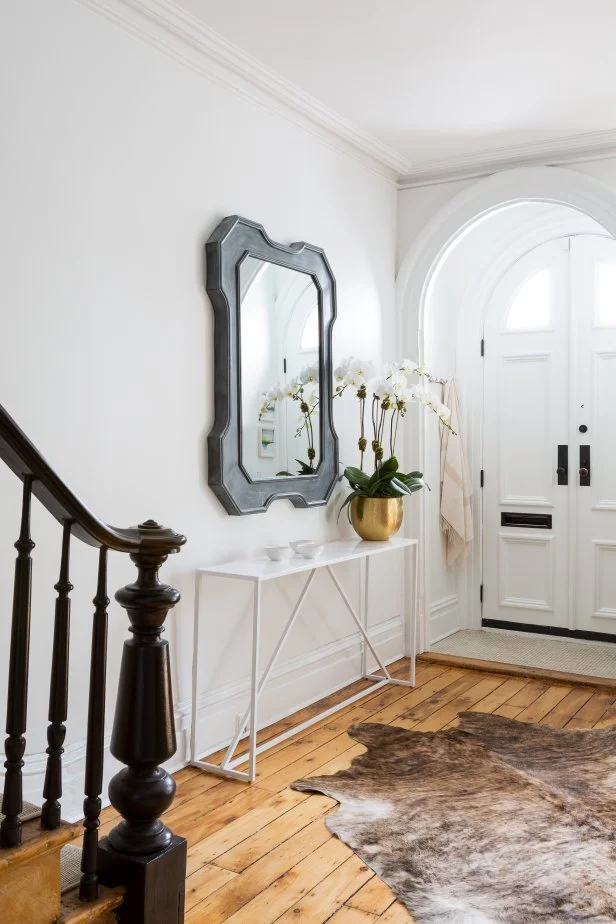
Transitional entryways mix classic and contemporary features. Traditional pieces like a wooden bench or a vintage mirror work well with modern lighting and sleek hardware. Combining old and new creates a space that feels familiar and current.
Keep furniture shapes simple. Avoid overly ornate or too minimalist designs. This balance makes the entryway inviting and stylish.
Choosing Neutral Color Palettes
Neutral colors suit transitional spaces best. Shades like beige, gray, and soft white form a calm base. These colors make the entryway feel open and clean.
Add depth with darker tones like charcoal or warm browns. These colors enhance warmth without overpowering the room. Neutral palettes also allow flexibility for future decor changes.
Mixing Textures And Materials
Texture adds interest and comfort to transitional entryways. Use a mix of smooth and rough surfaces. For example, pair a soft rug with a wooden console table.
- Combine glass, wood, and metal elements
- Use fabrics like linen or cotton for cushions
- Add woven baskets for natural texture
This variety brings dimension and a cozy feel to the space.
Furniture Choices For Entryways
Choosing the right furniture for a transitional entryway balances style and function. This area should welcome guests while keeping daily routines smooth. Select pieces that blend modern and traditional elements. Aim for clean lines with warm, inviting finishes.
Selecting Functional Console Tables
Console tables are perfect for entryways. They provide a spot to drop keys and mail. Pick a table with drawers or shelves for extra storage. Materials like wood or metal work well in transitional designs. Keep the table slim to save space but wide enough to hold essentials.
Incorporating Stylish Seating
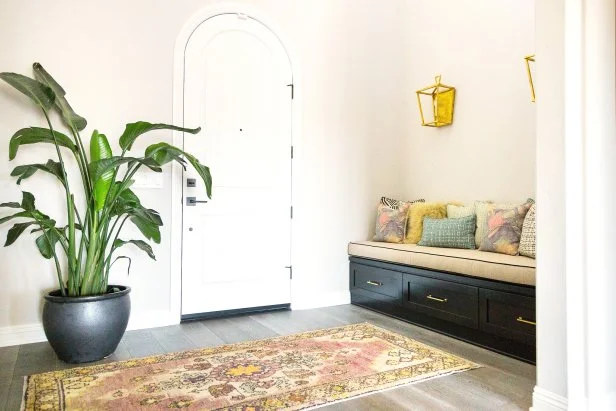
Seating adds comfort and charm to the entryway. Choose benches or chairs with simple shapes and neutral colors. Upholstered seats offer softness without overpowering the space. Seating helps when putting on or taking off shoes. It also invites guests to pause and relax briefly.
Using Storage Solutions
Storage keeps the entryway tidy and organized. Use baskets, cubbies, or built-in shelves to hold shoes, bags, and hats. Closed storage hides clutter, while open shelves offer easy access. Match storage finishes to your console table or seating. This creates a cohesive and neat look.
Lighting Ideas
Lighting plays a crucial role in setting the tone of your transitional entryway. It’s not just about making sure the space is bright enough to see—it’s about creating warmth, adding style, and highlighting key design features. Choosing the right lighting can transform your entryway into a welcoming and functional space that reflects your personal taste.
Choosing Statement Fixtures
Start by picking a lighting fixture that grabs attention without overpowering the space. A bold chandelier or a modern pendant light can serve as a focal point in your entryway. Think about materials like glass, metal, or wood that complement both traditional and contemporary styles.
Consider the size of your entryway. A large, dramatic fixture can overwhelm a small space, while a tiny light might get lost in a larger area. Have you ever walked into a room and instantly noticed the ceiling light? That’s the kind of impact you want.
Layering Ambient And Task Lighting
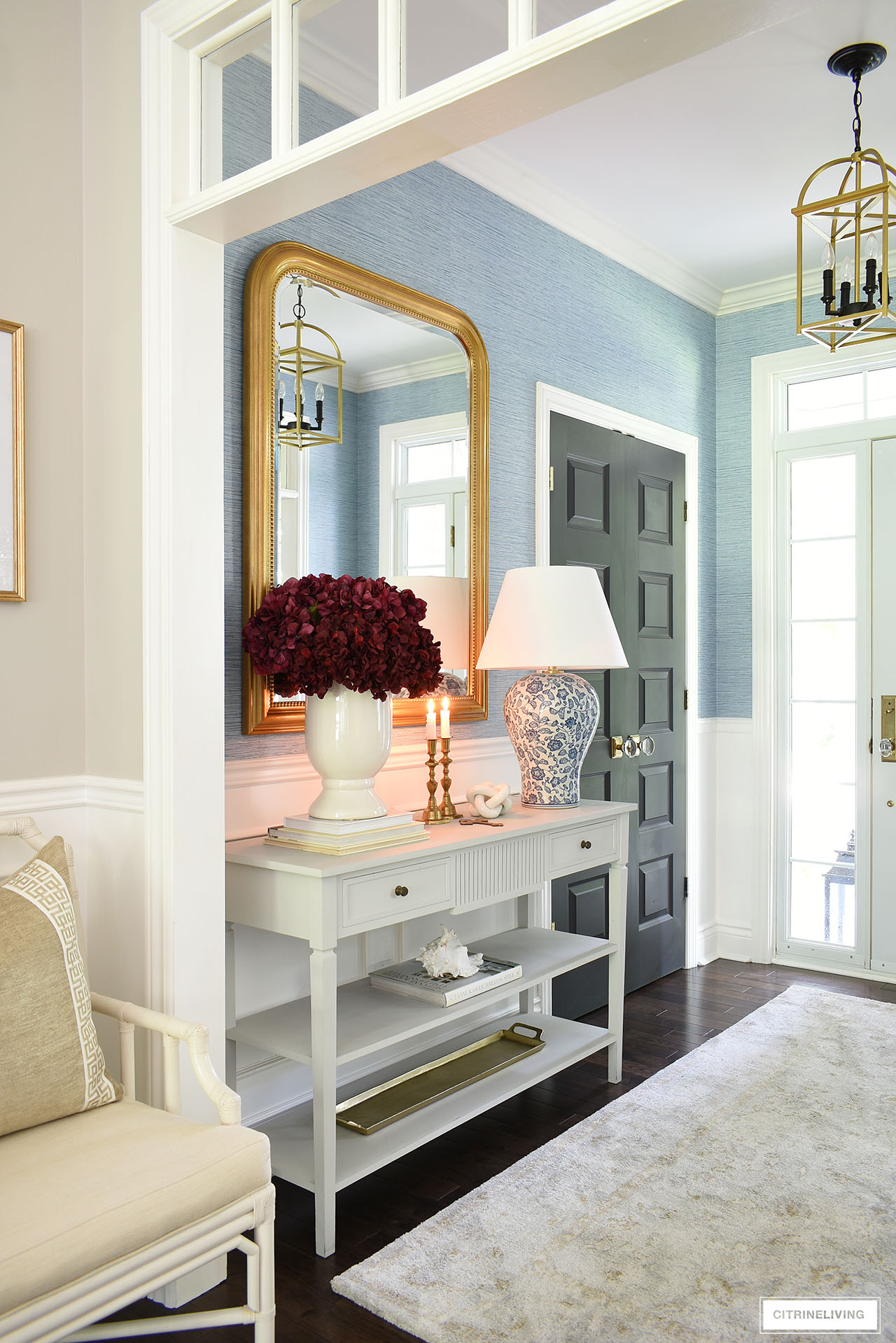
Relying on a single light source often leaves an entryway feeling flat. Adding layers of light helps balance the mood and functionality. Use wall sconces or table lamps to provide softer, ambient light that makes the space feel inviting.
Task lighting is equally important. Placing a lamp near a console table or under-cabinet lighting can help when you need to quickly drop keys or check your appearance. How can you mix different light sources to make your entryway both beautiful and practical?
Credit: www.hgtv.com
Decorative Accents
Decorative accents bring life and personality to a transitional entryway. They blend classic and modern styles smoothly. These touches create a welcoming atmosphere for guests. Small details can make the space feel more open and inviting.
Adding Mirrors To Enhance Space
Mirrors reflect light and create a sense of depth. Placing a mirror near the door brightens the area. Choose frames that mix traditional and contemporary designs. Large mirrors make the entryway feel spacious. Small decorative mirrors add charm without crowding the space.
Using Artwork And Wall Decor
Art adds color and interest to blank walls. Pick pieces that balance old and new styles. Simple prints or abstract art work well in transitional spaces. Use wall shelves to display small sculptures or decorative objects. Keep art placement balanced to avoid clutter.
Incorporating Plants And Greenery
Plants bring freshness and natural beauty indoors. Use potted plants or small trees near the entry. Choose low-maintenance options like succulents or snake plants. Greenery softens the hard lines of furniture and decor. A small vase with fresh flowers also brightens the space.
Flooring And Rugs
Your entryway sets the tone for the rest of your home, and the right flooring and rugs play a big role in that first impression. They need to balance durability with style, especially in a transitional space that blends traditional and modern elements. Let’s look at how you can choose flooring and rugs that last and look great in your transitional entryway.
Selecting Durable Flooring Options
Entryways face heavy foot traffic, dirt, and moisture, so your flooring must stand up to everyday wear. Hard surfaces like hardwood, tile, or luxury vinyl are excellent choices because they clean easily and resist damage.
Think about how each option fits your home’s style: hardwood adds warmth and classic appeal, while tile can offer sleek modernity. Luxury vinyl combines practicality with many design options, including wood and stone looks.
Have you considered the maintenance involved? For example, hardwood requires occasional refinishing, while tile grout might need regular cleaning. Choose a flooring option that fits your lifestyle, not just your style preferences.
Choosing Area Rugs For Style And Comfort
Rugs soften hard flooring and add personality to your entryway, making it feel inviting. Pick rugs that complement your flooring and the overall transitional style—think neutral tones with subtle patterns or textures.
Beyond looks, rugs protect your floor from scratches and help reduce noise. Opt for rugs made from durable fibers like wool or synthetic blends that can handle dirt and moisture.
Consider the size and shape carefully. A rug too small can look lost, while one that’s too large might crowd the space. Do you want your rug to be a focal point or a subtle backdrop? Your answer guides your choice.
Personal Touches
Adding personal touches to a transitional entryway makes the space truly welcoming. It reflects your style and personality right at the door. Small details can create a warm and inviting first impression for guests.
Personal touches blend classic and modern elements, making the area feel balanced. They help connect the entryway with the rest of your home’s decor. Thoughtful accessories and small displays turn a simple space into something special.
Displaying Unique Accessories
Choose accessories that tell your story. Items like vintage keys, small sculptures, or handmade bowls add character. Place them on a console table or wall shelf for easy viewing.
Mix textures and colors to create interest without clutter. Use natural materials like wood or stone for warmth. A unique mirror or a framed photo can also highlight your personality.
Creating Welcoming Vignettes
Arrange a small group of items to create a cozy vignette. Combine a plant, a candle, and a decorative tray on a table. This adds layers and depth to the space.
Use a basket to hold scarves or hats for both style and function. A well-crafted vignette invites guests to pause and feel comfortable. Keep the setup simple and balanced for a neat look.
Credit: citrineliving.com
Frequently Asked Questions
What Defines A Transitional Entryway Style?
A transitional entryway blends traditional and modern design elements. It balances classic furniture with contemporary decor for a timeless look.
How To Choose Colors For A Transitional Entryway?
Select neutral tones like beige, gray, or white. Add subtle accent colors to keep the space warm and inviting.
What Furniture Suits A Transitional Entryway Best?
Opt for simple, functional furniture with clean lines. Mix wood and metal pieces to enhance the transitional feel.
How To Add Lighting In A Transitional Entryway?
Use layered lighting like sconces and pendant lights. Choose fixtures with both modern and classic design elements.
Conclusion
A well-decorated transitional entryway welcomes guests warmly. Choose simple furniture and soft colors for balance. Add personal touches like artwork or plants. Keep the space neat and inviting. Small details make a big difference here. Your entryway reflects your home’s style and personality.
Enjoy creating a space that feels both fresh and timeless.