
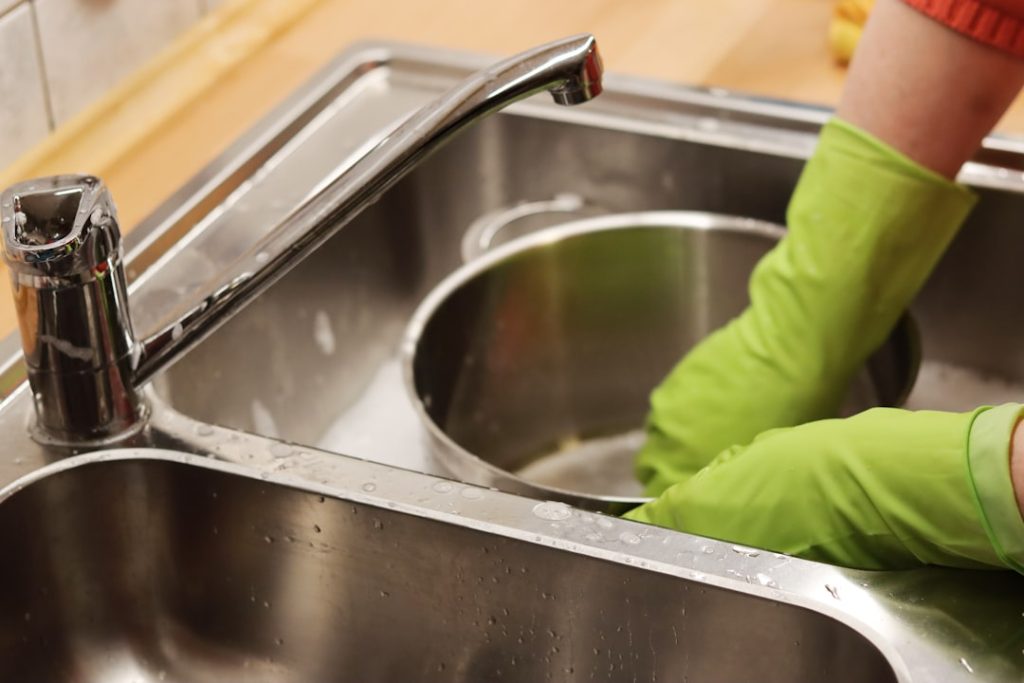
Your kitchen wash basin is one of the busiest spots in your home. It faces constant use, from washing dishes to prepping food, which means it can quickly get dirty and stained.
If you don’t clean it regularly, grime and bacteria can build up, making your kitchen less hygienic and less inviting. But don’t worry—cleaning your kitchen wash basin doesn’t have to be a tough or time-consuming task. You’ll discover simple, effective steps to get your basin sparkling clean and fresh.
Keep reading to learn how to make your kitchen wash basin shine like new every day!

Credit: www.drano.com
Choose The Right Cleaning Supplies
Choosing the right cleaning supplies is key to making your kitchen wash basin sparkle without damaging its surface. Using the wrong tools or chemicals can leave scratches or dull the finish, which no one wants. Let’s break down what you actually need to clean effectively and safely.
Essential Tools And Materials
Start with a soft sponge or microfiber cloth. These materials clean well without scratching the basin’s surface.
A small, soft-bristled brush helps reach corners and around the drain where grime hides. Avoid steel wool or abrasive pads—they can cause permanent damage.
Keep a spray bottle with water handy to rinse off cleaning solutions quickly. A plastic scraper is useful if you need to remove stubborn residue gently.
Safe Cleaning Agents
Choose mild, non-abrasive cleaners designed for kitchen use. Dish soap mixed with warm water works wonders on everyday dirt.
Baking soda is a fantastic natural option. Sprinkle it on the basin, then scrub gently for a fresh, clean surface.
For tougher stains, a vinegar and water solution can break down mineral deposits without harsh chemicals. But, be cautious with vinegar on natural stone basins, as it can etch the surface.
Have you ever grabbed a heavy-duty cleaner only to find it left your sink looking worse? Picking the right agent saves you time and keeps your basin looking new longer.
Prepare The Sink For Cleaning
Preparing your kitchen wash basin before cleaning sets the stage for an efficient and thorough job. It’s easy to overlook this step, but clearing the area helps you avoid spreading dirt and grime around. Let’s break down how to get your sink ready so cleaning becomes a breeze.
Remove Dishes And Debris
Start by clearing out all dishes, utensils, and any leftover food from the sink. Leaving these items in place not only blocks your cleaning efforts but can also trap bacteria and odors.
Use a trash bin or compost container to dispose of food scraps immediately. This prevents clogging and makes sure you’re working with a clean slate.
Have you noticed how much easier it feels to scrub a completely empty sink? It’s like giving yourself space to work without interruptions.
Clear The Drain
Next, check the drain for any visible blockages like hair, food particles, or grease buildup. Removing these early helps water flow freely and prevents unpleasant smells.
Use a pair of gloves and a small tool, like a drain snake or tweezers, to pull out any debris carefully. Avoid pushing debris further down the pipe, which can cause tougher clogs.
If you often skip this step, think about how many times water has pooled or drained slowly in your sink. Clearing the drain regularly saves you from bigger plumbing problems later.
Clean The Basin Surface
Cleaning the basin surface is a crucial step to keep your kitchen wash basin hygienic and looking fresh. Dirt, soap scum, and food particles can build up quickly, making your sink a breeding ground for bacteria. Focusing on the basin surface ensures that grime doesn’t settle into tiny crevices, which can be harder to clean later.
Apply Cleaning Solution
Start by choosing the right cleaning solution. You can use a mild dish soap mixed with warm water for everyday cleaning or a specialized kitchen cleaner for tougher stains.
Spray or pour the solution evenly across the entire basin surface. Don’t forget the edges and corners where grime tends to hide.
Let the cleaner sit for a few minutes to break down grease and dirt. This small wait can make scrubbing much easier and more effective.
Scrub With Proper Technique
Use a soft sponge or a non-abrasive scrubber to avoid scratching the basin surface. Scrubbing in circular motions helps lift dirt rather than pushing it around.
Apply firm but gentle pressure, especially on stubborn spots. If you encounter tough stains, try a paste made of baking soda and water and scrub it gently.
Rinse thoroughly with warm water to wash away all residues. Dry the basin with a clean cloth to prevent water spots and keep your sink shining.
Tackle Stubborn Stains And Odors
Stubborn stains and odors can make your kitchen wash basin look dirty and smell unpleasant. These problems need simple, natural solutions that work fast. Using common household items helps clean deeply without harsh chemicals.
Natural cleaners break down grime and remove bad smells. They also protect the surface of your basin from damage. Try these easy, effective ways to tackle tough stains and odors today.
Use Baking Soda And Vinegar
Baking soda and vinegar create a powerful cleaning reaction. Sprinkle baking soda over the stained area of the basin. Then pour white vinegar slowly on top. The mixture will fizz and bubble, loosening dirt and stains.
Let it sit for 10 to 15 minutes. Use a soft brush or sponge to scrub gently. Rinse the basin well with warm water to clear away residue. This combo also removes odors and leaves the sink fresh.
Apply Lemon And Salt
Lemon and salt make a natural scrub that brightens the basin. Cut a lemon in half and dip the cut side into salt. Rub the lemon over the stained spots using circular motions. The acid in lemon breaks down stains, while salt scrubs away grime.
Allow the lemon juice and salt to sit on the stains for 5 minutes. Rinse thoroughly with warm water. This method also deodorizes the basin and gives it a clean, fresh scent.
Clean The Faucet And Drain Area
Scrub the faucet and drain area with a soft brush to remove grime and buildup. Wipe with a damp cloth to keep it shiny and clean. Regular cleaning prevents clogs and keeps water flowing smoothly.
Cleaning the faucet and drain area of your kitchen wash basin is essential for maintaining a sparkling and hygienic kitchen. Neglecting these areas can lead to unsightly stains and unpleasant odors. But with a few simple steps, you can ensure that your kitchen remains a welcoming and clean space.Wipe And Polish Fixtures
Start by wiping down the faucet and handles with a damp cloth to remove any surface dirt. You might be surprised at how much grime can build up in these spots. For a polished shine, use a soft cloth with a mild cleaner specifically designed for fixtures. Pay attention to any water spots or fingerprints. These can make even the cleanest faucet look dull. A little bit of vinegar on a cloth can work wonders for removing these blemishes, leaving your fixtures gleaming like new.Unclog And Freshen Drain
A clogged drain can be a nuisance, slowing down the water flow and causing unpleasant smells. To tackle this, consider using a homemade mixture of baking soda and vinegar. Pour half a cup of baking soda down the drain, followed by half a cup of vinegar, and watch the fizz do the hard work for you. Let this sit for about fifteen minutes, then flush with hot water. This not only clears minor clogs but also helps eliminate odors. For ongoing freshness, you might want to drop some citrus peels or a few ice cubes down the drain occasionally. The peels add a fresh scent, while the ice can help dislodge any stubborn bits of food. What tricks have you tried to keep your kitchen wash basin pristine?
Credit: www.doba.com
Rinse And Dry The Sink
Rinsing and drying the kitchen wash basin is a vital step after cleaning. It removes all soap, dirt, and cleaning agents that may remain. This step helps keep the sink shiny and ready for the next use. A properly rinsed and dried sink also prevents stains and mineral buildup.
Thorough Rinsing Tips
Use warm water for rinsing the sink thoroughly. Warm water breaks down grease and soap more effectively. Rinse every corner, including the sides and the drain area. Use a soft sponge or cloth during rinsing to remove leftover particles. Let water flow for at least 30 seconds to clear all residues.
Prevent Water Spots
Water spots form from minerals left after water dries. Wipe the sink dry with a clean, soft towel after rinsing. Microfiber cloths work well to absorb water without scratching. Drying prevents white spots and keeps the sink looking polished. Regular drying reduces the need for extra cleaning later.
Maintain A Sparkling Sink
Keep your kitchen wash basin clean by scrubbing it with mild soap and warm water. Rinse thoroughly and dry to prevent water spots and stains. Regular cleaning helps maintain a shiny, fresh sink.
Maintaining a sparkling sink can transform your kitchen’s ambiance. A clean wash basin reflects hygiene and care. It keeps away germs and extends the life of your fixtures. Regular maintenance is essential to preserve that gleam. Here’s how you can keep your sink shining.Daily Cleaning Habits
Wipe the sink after each use. This prevents water spots and stains. Use a soft cloth or sponge for wiping. Avoid harsh chemicals that can damage the surface. A mild dish soap works well for daily cleaning. Rinse the sink thoroughly after washing dishes. This helps remove soap residues and food particles. Keep a small brush handy for stubborn corners. Empty food traps regularly to prevent clogging.Regular Deep Cleaning Schedule
Schedule a deep cleaning weekly. This tackles grime and hidden dirt. Use baking soda and vinegar for a natural clean. Sprinkle baking soda across the basin. Add vinegar and let it fizz for ten minutes. Scrub with a brush and rinse thoroughly. For stubborn stains, use a paste of baking soda and water. Let it sit on the stain for fifteen minutes, then scrub. Polish stainless steel sinks with olive oil on a soft cloth. This adds shine and reduces future water spots.
Credit: food52.com
Frequently Asked Questions
How Often Should I Clean My Kitchen Wash Basin?
Clean your kitchen wash basin daily to prevent grime buildup. Deep clean weekly using mild detergent and warm water for hygiene.
What Household Items Effectively Clean Kitchen Wash Basins?
Use baking soda and vinegar to remove stains and odors. Lemon juice also disinfects and brightens stainless steel surfaces naturally.
Can I Use Bleach To Clean My Kitchen Wash Basin?
Yes, dilute bleach is safe for deep cleaning. Avoid excessive use to prevent surface damage and ensure proper ventilation.
How Do I Remove Hard Water Stains From The Basin?
Apply white vinegar or lemon juice on stains. Let it sit for 10 minutes, then scrub gently with a soft brush.
Conclusion
Cleaning your kitchen wash basin keeps it fresh and safe. Regular scrubbing stops dirt and germs from building up. Use simple tools and mild cleaners for the best results. A clean basin helps your kitchen look neat and feel good.
Small daily efforts make a big difference over time. Keep your basin shining by making cleaning a habit. Your kitchen will stay healthy and welcoming for everyone. Easy steps lead to a cleaner, happier home space.