

Your kitchen sink drain pipe might seem like a small part of your home, but it plays a big role in keeping everything running smoothly. When it gets clogged or dirty, you can face slow drainage, unpleasant smells, or even leaks.
Wouldn’t you want to fix these problems quickly and easily? This guide will show you simple, effective ways to clean your kitchen sink drain pipe yourself. By the end, you’ll know exactly how to keep your sink fresh and flowing freely—no expensive plumber needed.
Ready to take control and make your kitchen cleaner? Let’s get started!

Credit: katieskottage.com
Tools And Materials Needed
Before you start cleaning your kitchen sink drain pipe, gathering the right tools and materials makes the job easier and faster. Having everything within reach prevents interruptions and keeps you focused on the task. Let’s take a closer look at what you’ll need.
Basic Tools For Cleaning The Drain Pipe
- Plunger:Essential for loosening minor clogs without chemicals.
- Pipe Wrench or Adjustable Wrench:Helps you loosen and tighten pipe connections safely.
- Bucket:To catch water or debris when you disconnect pipes.
- Old Toothbrush or Small Brush:Perfect for scrubbing hard-to-reach areas inside the pipes.
- Gloves:Protect your hands from grime and sharp edges.
Cleaning Materials You Should Have
- Baking Soda and Vinegar:A natural and effective combo for breaking down buildup.
- Boiling Water:Helps flush out loosened debris and grease.
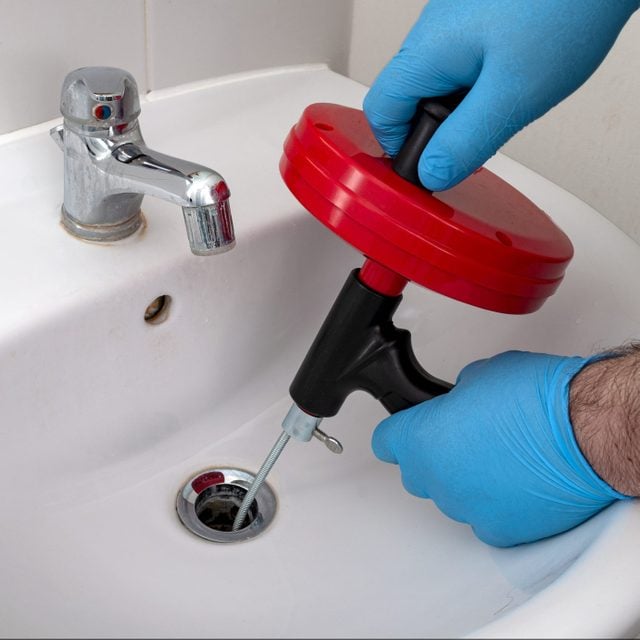
- Drain Snake or Auger:Useful for tougher blockages that a plunger can’t fix.
- Dish Soap:Cuts through grease and residue inside the drain.
- Rags or Paper Towels:For wiping up spills and drying the pipes after cleaning.
Optional But Helpful Items
- Flashlight:To see inside dark or tight pipe spaces clearly.
- Zip Ties or Rubber Bands:Can temporarily hold pipes in place while you work.
- Pipe Brush:A longer brush designed to clean the inside of pipes thoroughly.
Have you ever started cleaning only to realize you don’t have the right tool at hand? That moment can be frustrating and costly. Taking a few minutes to prepare your workspace with these items can save you from those setbacks. What tools do you think are absolutely essential for your kitchen sink maintenance?

Credit: www.youtube.com
Signs Of A Clogged Drain
Knowing the signs of a clogged drain helps you fix problems early. It prevents bad smells and water damage in your kitchen. Watch for clear signals that your kitchen sink drain pipe needs cleaning.
Slow Draining Water
Water takes longer than usual to go down the drain. It pools around the sink base after washing dishes or rinsing vegetables. This often means a partial blockage inside the drain pipe.
Unpleasant Odors
Foul smells come from the drain even after cleaning the sink. These odors result from trapped food particles and grease in the pipe. The smell worsens over time if not addressed.
Gurgling Sounds
You hear bubbling or gurgling noises when water drains. This sound indicates air trapped by a clog. It shows water struggles to flow freely through the pipe.
Water Backup
Water rises back into the sink or nearby drains during use. This is a strong sign of a serious clog. It may cause water to overflow if ignored.
Visible Blockages
Sometimes, you can see food scraps or debris near the drain opening. These materials can cause or worsen clogs. Regular cleaning helps prevent buildup and blockages.
Preparing The Sink Area
Preparing the sink area is essential for an easy and safe cleaning process. Clearing the space around the sink helps prevent accidents and gives you room to work. Proper preparation also protects your cabinets and floors from water spills or debris.
Gathering all necessary tools before starting saves time and reduces stress. Having everything at hand means you won’t need to stop midway. Proper lighting ensures you can see clearly inside the drain pipe and under the sink.
Clear The Sink And Surrounding Area
Remove dishes, sponges, and cleaning products from the sink. Wipe the sink surface to avoid slipping or mess. Clear the cabinet below to access the drain pipe easily.
Gather Cleaning Supplies And Tools
- Rubber gloves for hand protection
- Bucket or container to catch water
- Adjustable wrench or pliers
- Old toothbrush or small brush
- Cleaning solution or baking soda and vinegar
- Rags or paper towels
Check The Area For Leaks And Damages
Inspect the pipe and fittings for cracks or leaks. Tighten loose connections gently with a wrench. Fix minor leaks before starting the cleaning process.
Protect Cabinets And Floors
Place towels or plastic sheets under the sink. Use a bucket to catch any dripping water. This prevents water damage and keeps the area clean.
Step-by-step Cleaning Process
Cleaning the kitchen sink drain pipe involves removing debris and using baking soda and vinegar. Pour hot water to rinse away remaining residue. Regular maintenance prevents clogs and keeps your sink smelling fresh.
Cleaning your kitchen sink drain pipe might not be the most glamorous task, but it’s essential for maintaining a hygienic and efficient kitchen. With a few simple steps, you can keep your drains clog-free and odorless. Follow this easy guide to ensure your sink remains in top-notch condition.Remove The Drain Stopper
Start by removing the drain stopper. It’s often the culprit for trapped debris. If your stopper is held by a pivot rod, simply twist and lift it out. Once removed, check for any visible gunk or hair stuck to it. Cleaning this regularly can prevent bigger clogs down the line.Clear Out Debris
Next, grab a flashlight and peer down the drain. You might be surprised by what you see. Use a pair of gloves or tweezers to manually remove any visible debris. Sometimes, a simple inspection can reveal the source of the blockage. Make it a habit to clear out debris weekly to avoid buildup.Use A Plunger Or Snake
For stubborn clogs, a plunger or plumber’s snake can be your best friend. Place the plunger over the drain and pump vigorously. This creates suction that can dislodge blockages. If the clog persists, gently insert a snake down the drain. Twist and pull to break up and remove the obstruction.Apply A Natural Cleaning Solution
Consider using a natural cleaning solution to break down any remaining residue. Mix equal parts of baking soda and vinegar and pour it down the drain. The fizzing action helps to dislodge grime and kill bacteria. Let it sit for about 15 minutes to maximize its effectiveness.Flush With Hot Water
Finally, flush the drain with hot water. This helps to clear away any loosened debris and residue. Run the hot water for a couple of minutes to ensure everything is washed away. Regular hot water flushing can also prevent future clogs. Cleaning your kitchen sink drain pipe doesn’t have to be a daunting task. Have you tried any of these methods yet? Regular maintenance can save you time and hassle in the long run.Preventing Future Clogs
Preventing future clogs in your kitchen sink drain pipe keeps your plumbing running smoothly. Clogs cause slow drainage and bad odors. Simple habits and regular care stop buildup. Clear pipes save time and money on repairs. Follow these easy tips to avoid common clog problems.
Regular Maintenance Tips
- Pour boiling water down the drain once a week. It breaks down grease and soap residue.
- Use a drain strainer to catch food particles and debris. Clean it daily.
- Flush the drain with a mixture of baking soda and vinegar monthly. Let it sit, then rinse with hot water.
- Avoid harsh chemical cleaners; they can damage pipes over time.
- Check under the sink for leaks or slow drainage signs often.
Proper Disposal Practices
- Never pour grease or oil down the sink. Let it cool and throw it in the trash.
- Avoid putting coffee grounds, eggshells, or fibrous vegetables into the drain. They cause buildup.
- Scrape plates and pans into the trash before washing them.
- Dispose of food scraps in a compost bin or garbage, not the sink.
- Use the garbage disposal sparingly and always run cold water while using it.
When To Call A Professional
Knowing when to call a professional plumber can save time and prevent damage. Some kitchen sink drain pipe problems need expert tools and skills. Ignoring serious signs can lead to costly repairs or health risks. Recognizing these signs early helps keep your kitchen safe and functional.
Persistent Or Recurring Clogs
Clogs that keep coming back after cleaning need professional attention. Simple home remedies may not clear deep blockages in pipes. A plumber can locate and remove stubborn obstructions effectively.
Foul Odors That Do Not Go Away
Bad smells from the drain often mean trapped debris or mold. Persistent odors may signal buildup beyond surface cleaning. Professionals use special equipment to clean and sanitize the pipes thoroughly.
Slow Draining Water Despite Cleaning
Water that drains slowly even after clearing the trap indicates a bigger issue. It may mean pipe damage or heavy buildup inside the drain line. Experts can inspect and fix these problems safely.
Leaks Or Water Damage Under The Sink
Visible leaks or wet spots under the sink require immediate professional repair. Leaks can cause mold growth and structural damage if ignored. A plumber can identify the source and fix it properly.
Unusual Noises From The Drain Pipes
Gurgling or banging sounds from the drain pipes suggest air or blockage problems. These noises often need expert diagnosis and repair. Professionals can prevent further pipe damage and restore normal flow.
Damage Or Corrosion On Pipes
Rust, cracks, or visible pipe damage is a clear sign to call a plumber. Damaged pipes can cause leaks or break completely. Early professional repairs avoid bigger issues and costly replacements.
Credit: www.familyhandyman.com
Frequently Asked Questions
How Often Should I Clean My Kitchen Sink Drain Pipe?
Cleaning your kitchen sink drain pipe every 1 to 3 months prevents clogs and odors. Frequent cleaning maintains smooth water flow. It also helps avoid costly plumbing issues. Regular maintenance keeps your kitchen hygienic and functional.
What Household Items Can Clean A Drain Pipe Effectively?
Baking soda and vinegar are natural and effective drain cleaners. Pour baking soda followed by vinegar, then flush with hot water. This combination breaks down grease and grime safely. Avoid harsh chemicals that can damage pipes and harm the environment.
Can I Use A Plunger To Clear A Clogged Kitchen Drain?
Yes, a plunger can help clear minor kitchen drain clogs. Ensure there is enough water to cover the plunger cup. Create a tight seal and plunge vigorously several times. This method often dislodges food particles and debris blocking the drain.
When Should I Call A Plumber For Drain Pipe Cleaning?
Call a plumber if the drain remains clogged after DIY cleaning. Persistent odors, slow drainage, or backups signal deeper issues. Professional tools and expertise can safely resolve severe blockages. Early intervention prevents damage and costly repairs.
Conclusion
Cleaning your kitchen sink drain pipe keeps your kitchen fresh and safe. Regular cleaning stops clogs and bad smells. Use simple tools and easy steps to clean well. Avoid harsh chemicals to protect your pipes. A clean drain helps water flow smoothly every day.
Small efforts now save big problems later. Keep this routine and enjoy a cleaner kitchen space. Simple care makes a big difference.