
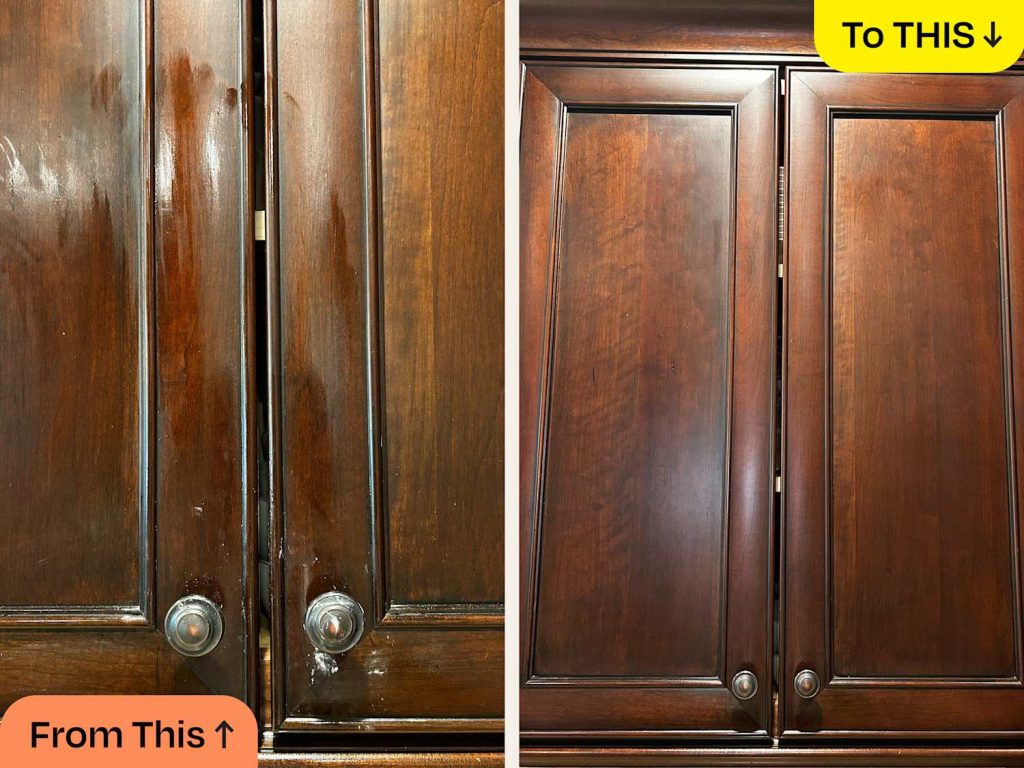
Are your kitchen cupboards covered in stubborn grease that just won’t come off? You’re not alone.
Greasy cupboards can make your kitchen look dirty, even if everything else is spotless. But don’t worry—you don’t need harsh chemicals or hours of scrubbing to get them clean. You’ll discover simple, effective ways to remove grease and restore the shine to your cupboards.
Keep reading, and you’ll learn easy tricks that save you time and effort, so your kitchen looks fresh and inviting again.

Credit: currently.att.yahoo.com
Causes Of Greasy Cupboards
Greasy kitchen cupboards are a common problem that many of us face, but have you ever stopped to think about what causes that stubborn grease buildup? Understanding the origins of grease on your cupboards can help you tackle the problem more effectively. Let’s break down the main reasons your cupboards get greasy and how grease finds its way onto those surfaces.
Common Kitchen Grease Sources
Grease in the kitchen mainly comes from cooking oils, fats, and food residues that are released during meal preparation. Frying foods, sautéing vegetables, and even baking can send tiny grease particles into the air. These particles don’t just disappear—they settle on nearby surfaces, including your cupboards.
Another frequent source is steam mixed with oil vapors rising from pots and pans. This combination can easily cling to cupboard surfaces, especially near the stove. Have you noticed how cupboards closest to your cooking area get the greasiest? That’s no coincidence.
- Cooking oils and fats vaporizing during frying or roasting
- Steam carrying microscopic grease particles
- Food splatters from stirring or flipping meals
- Grease from hands touching cupboards after handling oily foods
How Grease Accumulates
Grease doesn’t just appear overnight. It builds up gradually as tiny particles stick to the cupboard surfaces. Over time, these particles form a sticky layer that attracts dust and grime.
Grease is oily and sticky, so even the smallest amount left uncleaned will trap more dirt each time you cook. Without regular cleaning, this layer thickens and darkens, making your cupboards look dirty and dull.
Think about how you rarely wipe your cupboards right after cooking. That delay gives grease time to settle and harden. Would a quick wipe after cooking help prevent this buildup in your kitchen?

Credit: currently.att.yahoo.com
Essential Cleaning Supplies
Cleaning greasy kitchen cupboards needs the right supplies. Using effective products and tools saves time and effort. Proper supplies remove stubborn grease and leave cupboards fresh. Prepare everything before starting for smooth cleaning.
Effective Cleaning Agents
- Dish soap: Cuts grease gently and works well on surfaces.
- White vinegar: Natural cleaner that dissolves grease and kills germs.
- Baking soda: Mild abrasive that scrubs without scratching cupboards.
- Commercial degreaser: Strong option for heavy, baked-on grease.
- Warm water: Helps dilute cleaners and rinse off residue easily.
Tools For Scrubbing And Wiping
- Soft sponges: Prevent damage while scrubbing grease away.
- Microfiber cloths: Absorb dirt and shine surfaces without streaks.
- Old toothbrush: Reach corners and small crevices with precision.
- Spray bottles: Mix and apply cleaning solutions evenly.
- Rubber gloves: Protect hands from harsh chemicals and hot water.
Preparing Cupboards For Cleaning
Clear the cupboards by removing all items inside to access every surface. Wipe dust and crumbs away before applying any cleaning solution. Ensure good ventilation to help with drying and reduce strong smells.
Cleaning greasy kitchen cupboards requires careful preparation. Before diving into the cleaning process, set the stage for success. Proper preparation ensures a smooth and efficient cleaning experience. Follow these steps to make the process easier and more effective.Removing Items Safely
Start by emptying your cupboards. Take out all items carefully. Place them on a clean surface nearby. This prevents damage and allows you to clean every corner. Check for expired products. Dispose of them responsibly. Group similar items together. This will make it easier to organize later.Protecting Surrounding Areas
Cover surrounding areas to shield them from spills. Use newspapers or old towels on the floor. This keeps your kitchen tidy while you clean. Wrap countertops with plastic sheets. This avoids any unwanted stains or damage. Ensure all surfaces are protected before you begin cleaning.Step-by-step Cleaning Process
Cleaning greasy kitchen cupboards can feel tough. The right process makes it easier and faster. Follow simple steps to get cupboards clean and shiny again. Each step focuses on removing grease safely without damage. This helps keep your kitchen fresh and tidy.
Initial Wipe Down
Start by removing loose dirt and dust. Use a dry cloth or soft brush to wipe all cupboard surfaces. This clears away crumbs and dust that block cleaning. Next, prepare a mild cleaning solution with warm water and dish soap. Dip a soft cloth in the solution and wring it out well. Gently wipe the cupboard doors and handles to remove surface grease. Avoid soaking the wood or laminate to prevent damage.
Deep Cleaning Techniques
For tough grease, mix equal parts vinegar and water in a spray bottle. Spray the solution on greasy areas and let it sit for 5 minutes. Use a soft sponge or cloth to scrub the grease gently. Baking soda can boost cleaning power. Make a paste with water and apply it on stubborn spots. Rub the paste carefully, then wipe clean with a damp cloth. This breaks down grease without harsh chemicals.
Rinsing And Drying
After cleaning, rinse cupboards with a clean cloth dipped in plain water. This removes soap and vinegar residue. Wipe all surfaces thoroughly to avoid streaks. Use a dry towel to dry cupboards well. Drying stops moisture from damaging the cupboard finish. Leave doors open for a few minutes to air dry completely. This keeps cupboards fresh and ready to use.
Natural Cleaning Alternatives
Vinegar and baking soda are gentle cleaners that remove grease effectively. Mix with warm water and wipe cupboards for a fresh, natural shine. Use a soft cloth to avoid scratching surfaces.
Cleaning greasy kitchen cupboards doesn’t have to involve harsh chemicals. Natural cleaning alternatives are effective and safe for the environment. They also keep your kitchen smelling fresh. Let’s explore some simple yet powerful natural solutions.Using Vinegar And Baking Soda
Vinegar is a natural degreaser. It cuts through grease with ease. Create a solution by mixing equal parts of vinegar and water. Use a spray bottle for easy application. Spray the solution onto the cupboard surfaces. Allow it to sit for a few minutes. Wipe with a damp cloth. For stubborn grease, baking soda comes in handy. Sprinkle it on a wet sponge. Scrub the greasy areas gently. The abrasive texture of baking soda helps lift grease. Rinse the sponge and wipe the area clean.Lemon-based Solutions
Lemons are natural cleaners. They smell great too. Mix lemon juice with water in a spray bottle. Use a ratio of 1:2 lemon juice to water. Spray the mixture on your cupboard surfaces. Let it sit for a few minutes. Lemon juice breaks down grease. It leaves a fresh scent. For tougher spots, sprinkle salt on half a lemon. Use it to scrub the greasy areas. The combination of lemon and salt removes grease effectively. Wipe the surface with a damp cloth to finish. These natural methods make cleaning easy and safe. Your kitchen cupboards will shine without harmful chemicals.
Credit: currently.att.yahoo.com
Preventing Future Grease Buildup
Preventing future grease buildup on kitchen cupboards saves time and effort. Regular care keeps cupboards clean and fresh longer. Small habits can stop grease from sticking and hardening.
Regular Maintenance Tips
Wipe cupboards weekly using a damp cloth and mild soap. Avoid harsh chemicals that damage surfaces. Use a microfiber cloth for better grease removal.
Clean spots quickly before grease hardens. Use warm water mixed with vinegar for a natural cleaner. Dry cupboards well to avoid moisture damage.
Place a small bowl of baking soda inside cupboards to absorb odors. Check and clean cupboard handles often. Grease tends to build up there first.
Ventilation And Cooking Habits
Turn on the kitchen exhaust fan while cooking. It reduces grease particles in the air. Open windows if possible to increase airflow.
Cover pans to prevent oil splatters. Use lids or splatter screens during frying. Clean stove and surrounding areas after cooking.
Avoid cooking on very high heat for long periods. It creates more grease smoke. Use oils sparingly to reduce airborne grease.
Handling Stubborn Grease Stains
Stubborn grease stains on kitchen cupboards can be a real challenge. They cling to surfaces and resist simple wiping, making your kitchen look dull and dirty. Tackling these spots requires more than just water and a rag; it calls for targeted approaches and sometimes a bit of patience.
Specialized Cleaners
Not all cleaners are created equal when it comes to grease. You’ll want products specifically designed to break down oily residues without damaging your cupboard’s finish.
- Degreasers:These are formulated to dissolve tough grease. Spray them on, let them sit for a few minutes, then wipe clean.
- Baking soda paste:Mix baking soda with water to form a paste. Apply it on stubborn spots, scrub gently with a soft cloth, then rinse.
- Vinegar solution:Vinegar cuts through grease naturally. Combine equal parts vinegar and water in a spray bottle and use it to clean greasy areas.
Test any cleaner on a small hidden area first to avoid discoloration. I once ruined a cupboard finish by using a harsh cleaner without testing—it’s a costly lesson in patience and care.
When To Seek Professional Help
If grease stains persist despite your best efforts, it might be time to call in experts. Professionals have access to stronger, safe cleaning agents and specialized tools that reach deep into crevices.
Consider professional cleaning if you notice:
- Grease buildup covering large areas.
- Damage to the cupboard’s finish from attempted cleaning.
- Persistent odors linked to grease that won’t fade.
Would you risk damaging your cupboards trying to remove tough stains alone, or is it smarter to invest in a professional’s touch?
Frequently Asked Questions
How Do I Remove Grease From Kitchen Cupboards?
Use a mixture of warm water, dish soap, and vinegar. Apply with a soft cloth, then wipe clean with water. Dry thoroughly to prevent damage.
What Household Items Clean Greasy Cupboards Effectively?
Vinegar, baking soda, and dish soap are effective. These natural cleaners break down grease without harsh chemicals, making them safe for most cupboard surfaces.
Can I Use Commercial Cleaners On Kitchen Cupboards?
Yes, but choose non-abrasive, grease-cutting cleaners. Test a small area first to avoid damaging paint or finish. Always follow product instructions carefully.
How Often Should I Clean Greasy Kitchen Cupboards?
Clean cupboards monthly or after heavy cooking sessions. Regular cleaning prevents grease buildup and keeps cupboards looking fresh and hygienic.
Conclusion
Cleaning greasy kitchen cupboards is easier than it seems. Use simple ingredients and gentle scrubbing. Regular cleaning stops grease from building up. Keep your kitchen fresh and tidy every day. A clean cupboard makes cooking more pleasant. Try these easy steps and see the difference.
Your kitchen will look neat and smell nice. Start small and clean often for best results. Grease won’t stand a chance!