
Choosing the right paint colors for your home can feel overwhelming. The walls around you can influence your mood, make spaces feel larger or cozier, and even affect your home’s overall vibe.
You want your home to reflect who you are, but with so many color options, where do you start? Imagine walking into a room that instantly makes you feel relaxed or energized, simply because of the color on the walls.
The right paint can do that for you. As you explore this article, you’ll discover simple tips that will help you select colors that not only complement your style but also create the atmosphere you’ve always desired. Let’s dive into how you can transform your home with the perfect palette.

Credit: homemadelovely.com
Understand Color Basics
Choosing paint colors for your home involves understanding basic color principles. Consider the mood you want to create. Warm tones like red and orange add coziness, while cool tones like blue and green offer tranquility. Balance is key for a harmonious look.
Choosing paint colors for your home can transform spaces. Understanding color basics is essential. It helps you pick the right shades. Dive into principles of the color wheel, explore warm and cool tones.Color Wheel Principles
The color wheel is a tool artists use. It shows relationships between colors. Primary colors are red, blue, and yellow. Mix them to create secondary colors like green, orange, and purple. Tertiary colors blend primary and secondary colors. They offer rich options for your walls. Complementary colors are opposite on the wheel. Use them for contrast. Analogous colors are next to each other. They create harmony. Learn these basics for successful color choices.Warm Vs. Cool Tones
Warm tones include reds, oranges, and yellows. They bring energy and warmth to rooms. Use them in living rooms for a cozy feel. Cool tones consist of blues, greens, and purples. They offer calmness and relaxation. Perfect for bedrooms or bathrooms. Understand the mood each tone creates. Balance warm and cool tones for a harmonious space. Mixing them adds depth and interest.Consider Room Function
Consider Room Function Select paint colors based on the room’s purpose. Bright shades energize living spaces, while soft hues create calm bedrooms.
Choosing the right paint colors for your home involves understanding each room’s function. Colors can impact mood and energy, making room-specific choices essential. Every space in your home serves a unique purpose, so the color should reflect that. Let’s explore how different colors can enhance the function of each room.Living Room Ambiance
The living room often acts as the heart of the home. It’s where family and friends gather. Warm and inviting colors suit this space well. Soft shades of beige, cream, or light gray create a welcoming environment. These colors are versatile and complement various decor styles. For a more vibrant atmosphere, consider accent walls in bold hues like navy or forest green.Kitchen Energy
The kitchen is a hub of activity. Colors here should inspire energy and warmth. Bright shades of yellow or orange can make the space feel lively. These colors stimulate appetite and conversation. If you prefer something subtler, soft green or pale blue can create a fresh feel. These hues work well with natural materials like wood and stone.Bedroom Relaxation
The bedroom is a personal retreat. Its colors should promote calm and rest. Soft blues, gentle lavenders, and muted greens are ideal choices. These colors help reduce stress and encourage relaxation. For a cozy vibe, consider warm tones like soft browns or blush pinks. Neutral colors also work well, allowing for flexibility with bedding and decor.Assess Lighting Conditions
Assess lighting conditions before choosing paint colors for your home. Natural and artificial light affects color appearance. Test paint samples under different lighting to ensure desired results.
Choosing the right paint color for your home isn’t just about picking a shade that looks good on a swatch. It’s crucial to assess the lighting conditions of your space, as light can significantly affect how colors appear. Understanding how both natural and artificial lighting interact with your chosen hues can save you from unexpected surprises and ensure your home feels just right.Natural Light Impact
Natural light has a dynamic effect on paint colors. Depending on the time of day, sunlight can make a room’s color look warm and inviting or cool and stark. South-facing rooms typically get the most sunlight, making colors appear more vibrant. In contrast, north-facing rooms receive less direct sunlight, often making colors seem cooler and muted. If your living room is north-facing and you want to add warmth, consider using warmer shades like creams or soft yellows. Think about how the light changes throughout the day. A color that looks perfect in the morning might feel too intense in the afternoon. Test your paint samples at different times to understand these shifts.Artificial Lighting Effects
Artificial lighting also plays a crucial role in how paint colors appear. The type of bulbs you use—LED, fluorescent, or incandescent—can alter the color’s hue and intensity. Incandescent lights tend to cast a warm glow, making colors appear richer. Conversely, fluorescent lighting can create a cooler tone, which might not be ideal for spaces where you want a cozy feel. If you prefer a neutral light, LED bulbs are often the best choice as they come in various color temperatures. Consider the purpose of each room when choosing paint colors under artificial lighting. In a home office, for example, you might want a color that remains consistent under different lighting conditions to maintain focus and productivity. Have you noticed how your bedroom paint looks different at night compared to the day? Adjusting your lighting or paint choice can make a significant difference in your overall satisfaction.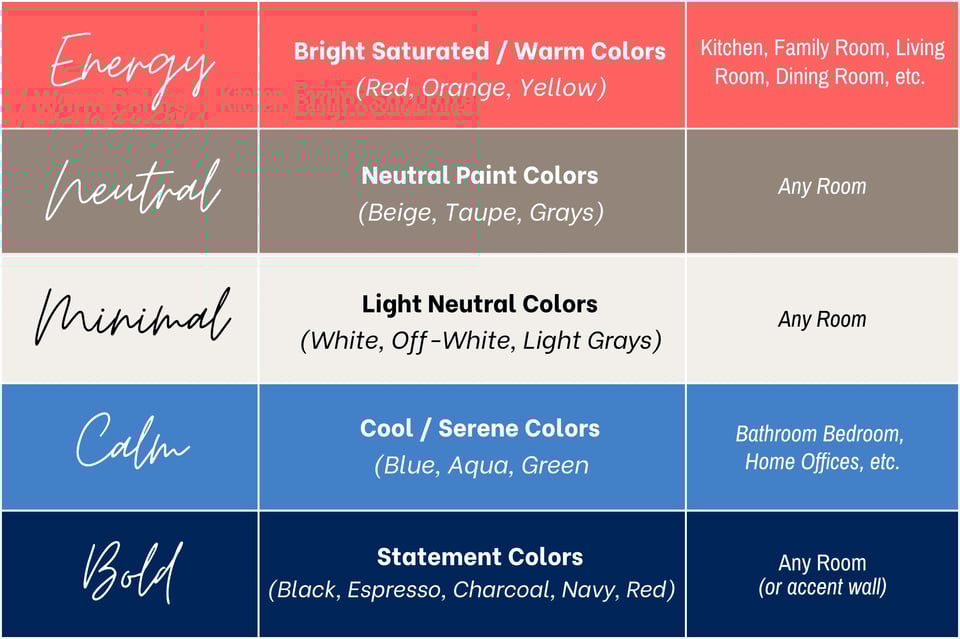
Credit: tomcurrencompanies.com
Harmonize With Existing Decor
Choosing the right paint colors for your home can transform any room. One crucial factor to consider is how the colors harmonize with your existing decor. This ensures a cohesive and inviting atmosphere. Paint colors should enhance the beauty of your furniture and accessories. Let’s explore some ways to achieve this harmony.
Matching Furniture
The furniture in your room plays a key role in color selection. Consider the dominant colors in your furniture. Choose paint that complements or contrasts these shades. For wooden furniture, earth tones like beige or soft greens work well. If your furniture is bold, opt for neutral walls. This allows the furniture to stand out without overwhelming the space.
Complementary Accessories
Accessories like curtains, rugs, and artwork add personality to a room. Select paint colors that complement these items. If your curtains have floral patterns, choose a wall color that picks up one of those hues. Artwork with vibrant colors pairs well with muted wall shades. This creates a balanced look where accessories become focal points.
Experiment With Sample Colors
Experiment with sample colors to find the perfect paint for your home. Testing colors in different lighting can help you decide. Try swatches on your walls to see how they change throughout the day.
Experimenting with sample colors is a crucial step in choosing the perfect paint for your home. Often, the colors you love in the store might not look the same on your walls. The lighting, room size, and existing decor can dramatically alter a color’s appearance. By testing samples, you can avoid costly mistakes and ensure your final choice is one you’ll love for years.Testing Paint Swatches
Start by purchasing small sample pots of the colors you are considering. Paint a few swatches directly onto your walls. Choose different spots where light varies throughout the day. It’s essential to use a white primer underneath if the wall color is dark. This ensures an accurate representation of the sample color. Observe these swatches at different times of the day. Morning sunlight, afternoon shade, and artificial lighting can all change how a color looks.Live With Samples
Once your swatches are up, live with them for a few days. Notice how your feelings about the colors change over time. Ask yourself if you still love the color when you wake up, during your morning coffee, or while relaxing in the evening. Remember, the goal is to find a color that complements your lifestyle and feels inviting. Are you comfortable with how it looks alongside your furniture and decor? Engage other household members in the process. Do they feel the same way about the colors? This collective feedback can lead to a more harmonious choice. Making a decision might take time, but it’s worth it. Rushing could lead to regrets, and repainting is a hassle you’d rather avoid.Explore Popular Color Trends
Choosing the right paint colors can transform your home. Popular color trends offer inspiration and fresh ideas. Explore trending hues and timeless classics to create a stunning space.
Current Trending Hues
Bold colors are making a comeback. Deep greens and rich blues are in style. These colors add depth and drama to any room. Soft pastels like blush pink and lavender bring calm. They are perfect for bedrooms and living rooms. Earthy tones like terracotta and mustard add warmth. They work well in kitchens and dining areas.
Neutral colors remain popular. Shades like greige and taupe offer versatility. They blend well with many decor styles. Monochromatic schemes are also trending. Use different shades of the same color for a cohesive look.
Timeless Classics
Some colors never go out of style. White is a classic choice. It brightens spaces and complements any decor. Beige and cream offer warmth and elegance. They are perfect for creating cozy atmospheres. Soft gray is another timeless option. It adds sophistication without being overpowering.
Accent walls in classic colors add interest. Choose navy blue or forest green for a striking effect. These shades provide a modern twist to traditional spaces. When selecting paint colors, consider lighting and room size. Test samples before making a final decision. This ensures you choose the best color for your home.
Consider Psychological Effects
Colors impact mood and emotions. Choose calming blues for relaxation or vibrant yellows to energize spaces. Consider psychological effects to create a harmonious atmosphere in your home.
Choosing the right paint colors for your home isn’t just about aesthetics; it’s also about understanding how colors can impact your emotions and well-being. Colors can evoke feelings, influence moods, and even affect your energy levels. By considering the psychological effects of color, you can create a home environment that aligns with your personal needs and lifestyle.Color And Mood
Colors have a powerful effect on your mood and can transform how you feel in a space. Warm colors like reds, oranges, and yellows are known to energize and uplift, making them ideal for social spaces like living rooms or kitchens. On the other hand, cool colors such as blues, greens, and purples tend to have a calming effect, perfect for bedrooms or bathrooms where relaxation is key. Imagine walking into a room painted in a soft blue; it instantly feels serene and peaceful, doesn’t it? That’s the magic of color psychology at work. However, it’s essential to balance vibrant hues with neutral tones to avoid overwhelming your senses. Would you like your dining room to feel cozy and inviting? Perhaps consider a warm, earthy tone with a touch of neutral accents.Personal Preferences
While color psychology offers a useful guide, your personal preferences play a crucial role in creating a space you love. Reflect on the colors that make you feel happy and comfortable. Do you gravitate towards bold, dramatic shades, or are you more inclined towards soft, muted tones? Think about the experiences or memories associated with certain colors. Maybe the bright yellow reminds you of sunny childhood days or a deep green brings back memories of peaceful walks in the forest. Personal preference doesn’t just mean choosing your favorite color but also considering how you want each room to feel. Do you want your home office to inspire creativity or focus? A pop of bright color might do the trick. Your choices should reflect not only your taste but also how you want to feel in your home. Remember, there are no strict rules; the best color choices are the ones that resonate with you personally. What color makes you smile every time you enter a room? That’s the one you should consider.Seek Professional Advice
Consulting a professional can simplify choosing paint colors for your home. Experts offer tailored advice based on your style and preferences. Their insights ensure harmonious color combinations that enhance your living space.
Choosing the right paint colors for your home can be challenging. Seeking professional advice can make this task easier. Experts have the experience and knowledge to guide you. They can help you avoid common mistakes, ensuring a cohesive and appealing color palette.Hiring A Color Consultant
A color consultant specializes in choosing paint colors. They understand color theory and trends. With their help, you can find the perfect shades for your space. They consider factors like light, room size, and existing decor. This results in a harmonious look throughout your home. Hiring a consultant can save time and stress. Their expertise ensures your color choices enhance your home’s beauty.Utilizing Design Tools
Design tools can assist in color selection. Many professionals use these tools for accurate results. They can provide visual representations of color combinations. This helps you see how colors will look in your space. Some tools offer virtual room simulations. Others suggest complementary colors based on your preferences. Utilizing these tools can streamline the decision-making process. They offer a practical way to explore different color options.
Credit: www.angi.com
Frequently Asked Questions
How Do I Choose The Right Paint Color For My House?
Consider your home’s architecture and lighting. Sample colors on walls before deciding. Choose colors that complement your furniture. Use online tools for color visualization. Consult a professional if needed.
Can I Upload A Picture Of My House And Try Paint Colors?
Yes, many online tools allow you to upload a picture of your house and try different paint colors. These tools help visualize color options and make informed decisions. Popular platforms include Sherwin-Williams ColorSnap and Benjamin Moore Personal Color Viewer.
What Is The Rule For Wall Colors?
Choose light colors for small spaces to make them appear larger. Use bold colors for accents. Neutral tones offer flexibility and timeless appeal. Match wall colors with furniture and decor for harmony. Consider natural light and room function when selecting shades.
What Color Is Replacing Gray?
Earthy tones like warm beige and taupe are replacing gray in interior design. These colors add warmth and coziness to spaces. They are becoming popular choices for creating inviting and comfortable environments. Earthy shades complement various styles and bring a natural, soothing feel to any room.
Conclusion
Choosing the right paint colors transforms your home’s feel and look. Start with room size. It affects color perception. Small spaces benefit from lighter shades. Larger areas can handle bold colors. Test samples on walls. Observe how light changes color.
Consider mood. Warm tones create cozy vibes. Cool hues bring calmness. Match colors with furniture. They should complement, not clash. Look at trends but prioritize personal taste. Your home reflects you. Experiment with different palettes. Don’t rush the decision. Take your time.
Enjoy the process of creating a beautiful space. Your perfect paint color awaits.