

Choosing the perfect drapes for your dining room can transform the entire space. You want curtains that not only look great but also create the right mood for meals and gatherings.
But with so many styles, colors, and fabrics out there, how do you pick the best ones for your room? You’ll discover simple tips that make choosing drapes easy and enjoyable. By the end, you’ll feel confident selecting curtains that bring warmth, style, and comfort to your dining area.
Keep reading—you’re just a few steps away from making your dining room truly inviting.

Credit: excellentblinds.com
Assessing Dining Room Style
Assessing your dining room style is the first key step in choosing the perfect drapes. Your drapes should enhance the room’s overall look, not clash with it. Think about the vibe you want—whether it’s modern, traditional, rustic, or eclectic—and let that guide your choices.
Matching Drapes With Furniture
Your furniture sets the tone for the dining room’s style, so your drapes should complement it. If you have classic wooden chairs and a heavy table, rich, textured fabrics like velvet or brocade work well. For sleek, modern furniture, opt for light, airy curtains in simple fabrics like linen or cotton.
Consider the shapes and lines too. Bold, straight-lined furniture pairs nicely with drapes that have clean edges and minimal patterns. On the other hand, ornate furniture can handle more elaborate curtain designs. Have you ever noticed how mismatched drapes and furniture make a room feel off? Matching these elements keeps the room balanced.
Selecting Colors And Patterns
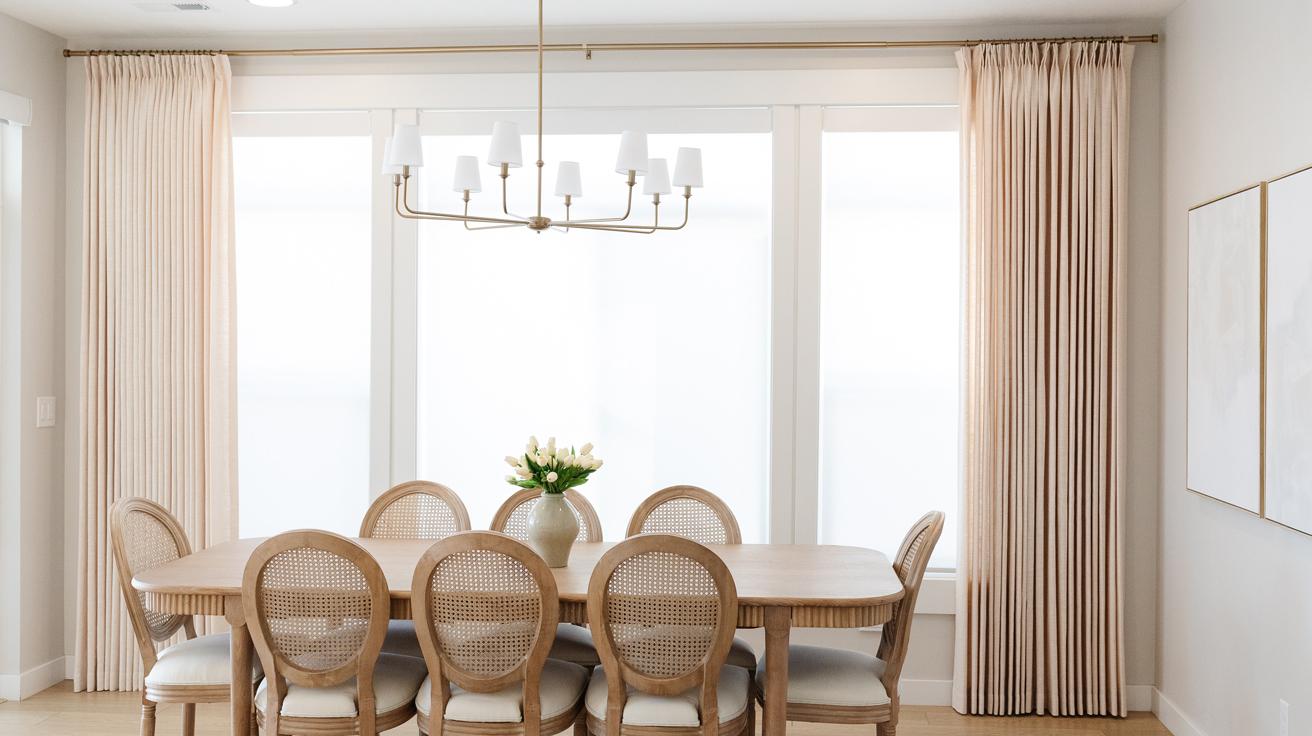
Color plays a huge role in setting the mood of your dining room. If your furniture is dark, lighter drapes can brighten the space, while darker curtains can add drama to lighter rooms. Think about how natural light enters the room and how it interacts with color throughout the day.
Patterns can add personality but should be chosen carefully. Stripes or geometric patterns add a modern touch, while florals or damasks lean traditional. If your dining room already has patterned upholstery or wallpaper, solid-colored drapes might be a safer choice to avoid visual clutter.
Ask yourself: Do you want the drapes to blend in or stand out? This question can help you decide between subtle shades and bold prints. Remember, drapes are a big piece of fabric in a small space—let them either highlight or harmonize with your style.
Credit: ahouseinthehills.com
Considering Light Control
Light control plays a key role in choosing drapes for your dining room. It affects the mood and comfort during meals. Proper light control helps reduce glare and protects furniture from sun damage. It also sets the right atmosphere for different times of day. Understanding how fabric and accessories manage light can guide your choice effectively.
Choosing Fabric Opacity
The opacity of the fabric determines how much light enters the room. Sheer fabrics allow soft, natural light and create an airy feel. They work well if you prefer a bright dining space.
Thicker fabrics block more light. They add privacy and can darken the room during sunny afternoons. Choose heavier materials like velvet or lined cotton for stronger light control.
Consider how much natural light your dining room gets and how often you want to block it out. Fabric opacity balances brightness and privacy.
Using Liners And Shades
Liners add an extra layer behind your drapes. They improve light blocking without changing the drape’s look. Thermal liners also help with temperature control.
Shades can be used with drapes to fine-tune light control. Roller or Roman shades provide adjustable coverage. They offer flexible options to manage sunlight throughout the day.
Combining liners and shades with your drapes gives you more control. It helps create the perfect dining room ambiance for any occasion.
Measuring Windows Accurately
Measuring your dining room windows accurately is the foundation for choosing drapes that fit perfectly and enhance your space. If your measurements are off, even the most beautiful curtains can look awkward or fail to function well. Taking precise measurements saves you from costly mistakes and ensures your drapes complement your dining area just as you imagined.
Width And Length Guidelines
Start by measuring the exact width of your window frame from edge to edge. Then, add extra inches on each side to allow the curtains to fully cover the window when closed and stack neatly when open. Typically, adding 4 to 6 inches on each side works well, but think about how much wall space you want the curtains to occupy.
For length, measure from the top of where your curtain rod will sit down to where you want the drapes to end. Decide if you prefer floor-length curtains that just brush the floor or if you want them to puddle slightly for a more formal look. Remember, even a few inches can change the entire feel of the room.
Deciding On Curtain Rod Placement
The placement of your curtain rod affects both the look and the function of your drapes. Positioning the rod higher than the window frame makes your dining room appear taller and more spacious. Placing it about 4 to 6 inches above the window frame is a good rule of thumb, but you can go higher if your ceiling allows.
Also, extend the rod beyond the window width by several inches so the curtains can be pulled completely off the glass. This maximizes natural light during the day and keeps your view clear. Before you install, hold the rod in place and step back—does it feel balanced and inviting?
Picking Drapery Materials
Choosing the right material for your dining room drapes affects both style and function. The fabric sets the tone for the room’s mood and handles light and wear differently. Think about how much sun the room gets and how often you will use the space. The material also impacts cleaning and maintenance needs. Understanding fabric types helps you pick drapes that last and look great.
Natural Vs Synthetic Fabrics
Natural fabrics come from plants or animals. Cotton, linen, and silk offer a soft, classic look. They breathe well and feel fresh in the room. These fabrics often absorb light gently, creating a warm glow.
Synthetic fabrics like polyester and nylon resist wrinkles and fading. They are often more affordable and come in many colors. These materials dry quickly and resist stains better than natural ones. They can sometimes feel less soft but are practical for busy areas.
Durability And Maintenance
Dining room drapes face spills, stains, and sunlight. Choose materials that handle these challenges well. Polyester and blends stand up to frequent washing and resist shrinking. Natural fabrics may wrinkle or fade faster but can be refreshed with careful cleaning.
Check cleaning labels before buying. Some drapes require dry cleaning, while others can be machine washed. Consider how much time you want to spend on upkeep. Durable fabrics save time and keep your room looking neat longer.
Selecting Curtain Styles
Choosing the right curtain style can change the entire vibe of your dining room. Your curtains do more than just cover windows; they set the tone, control light, and add texture. Think about how often you use your dining space and the atmosphere you want to create before picking a style.
Grommet
Grommet curtains have metal rings at the top, allowing the fabric to slide easily along the rod. This style offers a modern and clean look that works well if you like simple, straight lines. If you enjoy opening your curtains smoothly to let in natural light during meals, grommets make that effortless.
One thing I noticed is that grommet curtains hang in large, even folds, which can make your dining room feel spacious and uncluttered. Would you prefer a sleek design that’s easy to operate every day?
Rod Pocket
Rod pocket curtains have a sewn-in pocket at the top where the rod slides through, creating a gathered, soft look. This style feels more traditional and cozy, perfect if your dining room leans toward classic or rustic decor. They work well with lightweight fabrics that gently drape.
If you want a casual, homey vibe that invites long dinners and relaxed conversations, rod pocket curtains might be your best pick. However, keep in mind they can be a bit harder to slide open compared to grommets.
Pleated Options
Pleated curtains come in various styles like pinch pleats or box pleats, creating structured folds that add elegance. They’re ideal if your dining room is formal or if you want a tailored appearance. Pleated curtains often require hooks and tracks, which can feel more custom and upscale.
Think about whether you want your curtains to stand out as a design feature or blend subtly with the rest of your room. Have you considered how much maintenance pleated curtains might need compared to other styles?
Layering Drapes With Sheers
Layering drapes with sheers gives you flexibility in light control and privacy. Sheers soften sunlight and add a delicate texture, while heavier drapes can block light when needed. This combination works well in dining rooms where you want both brightness during the day and coziness at night.
Try pairing sheer curtains with any of the styles mentioned above to see how they complement each other. How often do you want to adjust your window treatments for different moods and occasions?
Balancing Privacy And Ambiance
Choosing the right drapes for your dining room requires balancing privacy and ambiance. The goal is to let in natural light while keeping the space cozy and private. Drapes influence the mood, lighting, and function of the room. Selecting the right fabric and style can create a welcoming atmosphere for meals and gatherings.
Sheer Drapes For Soft Light
Sheer drapes allow sunlight to filter through gently. They soften harsh daylight and create a warm glow. These drapes provide some privacy without blocking the view outside. They work well for daytime meals or casual dinners.
- Lightweight fabric lets air and light pass.
- Creates an airy, open feel.
- Pairs well with heavier curtains for night privacy.
Heavy Drapes For Full Privacy
Heavy drapes block light and provide complete privacy. They are perfect for evening meals or intimate settings. These drapes add elegance and richness to the dining room.
- Thick fabrics like velvet or blackout material.
- Reduces noise and outside distractions.
- Helps control room temperature.
Incorporating Hardware Choices
Choosing the right hardware can enhance your dining room drapes. Hardware sets the style and supports the fabric. It can bring elegance or a modern feel. Thoughtful hardware choices create a polished look.
Rod Finishes And Designs
Select rod finishes that match your dining room decor. Popular finishes include brushed nickel, bronze, and matte black. These finishes complement different styles and colors. Rod designs range from simple to ornate. A sleek rod suits modern rooms. A decorative rod fits classic or vintage themes.
Consider the rod size and shape too. Thicker rods hold heavy fabrics better. Round rods offer a smooth look. Square rods add a geometric touch. Choose a rod that balances function and style.
Tiebacks And Holdbacks
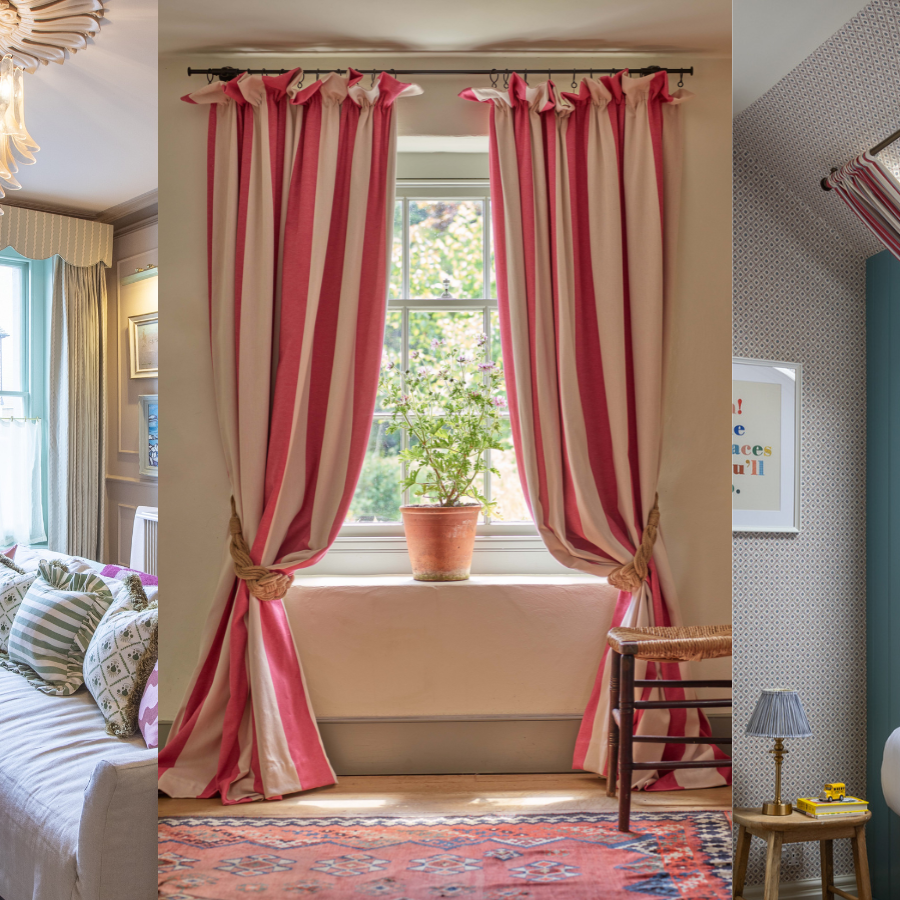
Tiebacks and holdbacks keep drapes open neatly. They add charm and help control light. Tiebacks wrap around the fabric and tie in place. Holdbacks are fixed to the wall and hold drapes back.
Materials for tiebacks and holdbacks include metal, wood, and fabric. Match them with the rod finish for a cohesive look. Choose styles that fit your room’s mood. Simple tiebacks suit casual spaces. Ornate holdbacks enhance formal dining rooms.
Credit: www.homesandgardens.com
Budgeting For Drapes
Setting a budget for your dining room drapes is a crucial step that can shape your entire shopping experience. Without a clear budget, you might find yourself overwhelmed by choices or overspending on features that don’t add real value to your space. Understanding how to balance cost with quality ensures you get drapes that look great and last long without breaking the bank.
Cost Factors To Consider
Several elements influence the price of dining room drapes. Fabric type is a major factor—natural materials like silk and linen generally cost more than polyester blends. The size and length of the drapes also affect the price, as larger windows require more material.
Other costs come from additional features such as lining, patterns, and custom tailoring. Hardware like rods and hooks can add to your overall expenses, especially if you want a specific style or finish. Don’t forget about installation fees if you plan to hire a professional.
Finding Quality Within Budget
Quality doesn’t always mean expensive. You can find durable and stylish drapes by focusing on mid-range fabrics such as cotton blends that offer a good balance between price and longevity. Look for sales or factory outlets where you might get higher-quality materials at a discount.
Consider buying ready-made drapes instead of custom ones to save money without sacrificing style. Pay attention to customer reviews and fabric samples to ensure you’re choosing something that holds up well over time. What features are you willing to compromise on to stay within your budget?
Frequently Asked Questions
What Material Is Best For Dining Room Drapes?
The best material depends on your needs. For a luxurious feel, choose velvet or silk. For a casual look, opt for cotton or linen. Consider light-filtering fabrics for a brighter room. Heavier materials offer more privacy and insulation.
How Do I Choose Drape Colors?
Choose colors that complement your dining room’s palette. Neutral tones blend seamlessly, while bold colors create a focal point. Consider the mood you want to convey. Earthy tones provide warmth, while blues and greens are calming.
Should Dining Room Drapes Be Long Or Short?
Long drapes add elegance and work well in formal settings. Short drapes suit casual spaces and smaller windows. Floor-length drapes create an illusion of height. Measure accurately to ensure the perfect fit for your room.
How Do I Measure Windows For Drapes?
Measure window width and height for the best fit. Add extra width for fullness when closed. Ensure drapes cover the window frame. For length, decide if drapes should touch or puddle on the floor. Consider hardware placement before measuring.
Conclusion
Choosing the right drapes can change your dining room’s mood. Think about color, fabric, and length that fit your space. Light fabrics bring brightness, while heavy ones add warmth. Match drapes with your furniture and wall colors for balance. Remember, simple designs often work best in dining rooms.
Take your time to pick drapes that feel right to you. Your dining room will look inviting and stylish with the perfect curtains. Enjoy the cozy, fresh look that well-chosen drapes create.