
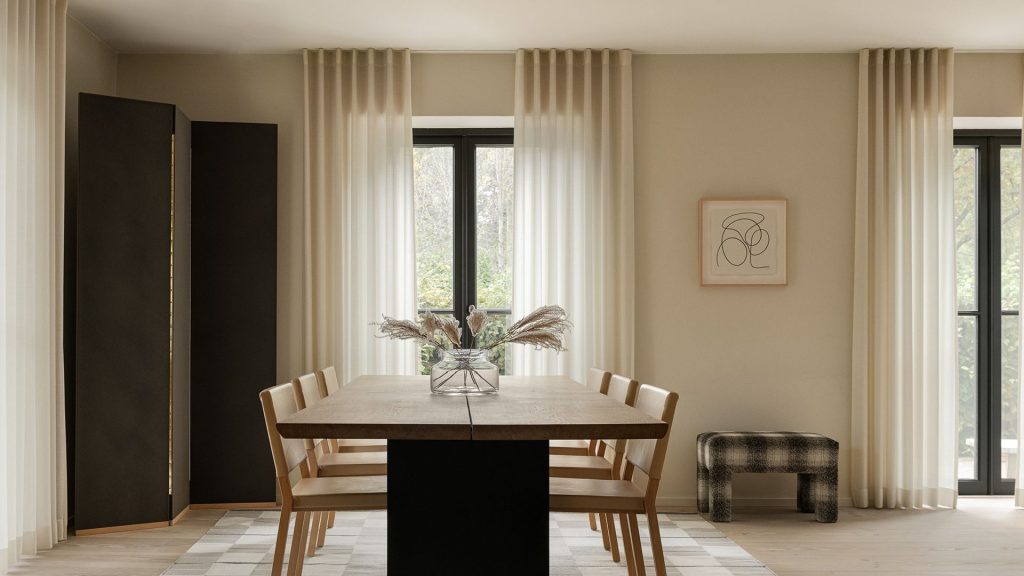
Choosing the right curtain color for your dining room can completely change the mood of the space. You want something that makes your room feel inviting and cozy, but also matches your style and existing decor.
It might seem simple, but picking the perfect shade can be tricky. What if the color feels too bold or too dull? How do you know what will look best with your furniture and lighting? You’ll discover easy tips and smart tricks to help you choose a curtain color that enhances your dining room and makes every meal more enjoyable.
Keep reading, and you’ll find the secret to making your dining space truly shine.
Assessing Dining Room Lighting
Assessing the lighting in your dining room is essential before choosing curtain colors. Light influences how colors appear, changing their mood and intensity throughout the day. Understanding this can help you pick curtains that enhance your dining experience rather than clash with the room’s atmosphere.
Natural Light Effects
Natural light varies from soft morning glow to bright midday sun and warm evening hues. Curtains that look vibrant in artificial light might seem dull or washed out under natural sunlight. Pay attention to the direction your windows face—north-facing rooms receive cooler, softer light, while south-facing ones get warmer, intense light all day.
If your dining room has lots of natural light, consider lighter curtain colors to avoid overwhelming the space. Dark colors can absorb light, making the room feel smaller and less inviting. Have you noticed how certain colors brighten up your room in daylight but feel heavy at night? That’s a key sign to balance curtain color with natural light.
Artificial Lighting Impact
Artificial lighting changes the way curtain colors look after sunset. Warm bulbs tend to bring out yellows, reds, and oranges, while cool bulbs highlight blues and greens. Mixing these lighting types in one room can make curtain colors appear inconsistent, so test your options under your dining room’s lighting setup.
Think about the light fixtures you use. A chandelier with warm light creates a cozy vibe, matching well with earthy or warm-toned curtains. On the other hand, modern LED lights with cooler tones pair better with neutral or cool-colored curtains.
Ask yourself: do you want your curtains to absorb light and create intimacy, or reflect it and keep the room lively? Your answer will help choose colors that complement your artificial lighting and create the mood you want.
Matching Curtain Colors With Wall Shades
Choosing the right curtain color to match your dining room walls can transform the entire space. Matching curtain colors with wall shades is about creating harmony or intentional contrast that enhances your room’s mood. Understanding how colors interact will help you make choices that feel balanced and inviting.
Complementary Color Choices
Complementary colors sit opposite each other on the color wheel, creating a natural balance. If your dining room walls are painted a soft blue, curtains in warm orange tones can add warmth without clashing.
Think about the atmosphere you want. Soft green walls pair beautifully with curtains in rich reds or burgundy, adding a cozy, elegant vibe. Using complementary colors can make your dining room feel lively yet cohesive.
Have you noticed how certain color pairs instantly brighten a room? Try using curtains that pick up a subtle accent shade from your wall decor to tie everything together effortlessly.
Contrasting Color Strategies
Contrasting colors create bold, eye-catching looks by standing out against your wall shade. For example, dark gray walls work well with bright yellow or mustard curtains to inject energy into the space.
Don’t be afraid to experiment with high contrast. White or cream walls offer a perfect canvas for deep navy or emerald green curtains, making your windows a focal point.
Ask yourself if you want your curtains to blend in or pop out. Choosing a color that contrasts with your walls can add depth and personality, but balancing it with neutral furniture helps avoid overwhelming the room.
Considering Dining Room Decor Style
Choosing the right curtain color starts with understanding your dining room’s decor style. Your curtains should complement the overall look and feel of the space, creating harmony rather than clash. Think about the furniture, wall colors, and lighting before making your decision.
Modern And Minimalist Themes
In a modern or minimalist dining room, simplicity is key. Neutral tones like white, gray, or beige often work best because they keep the space feeling clean and airy.
If your furniture has sleek lines and metallic finishes, consider curtains in solid colors without busy patterns. You might want to add a pop of color through accessories rather than the curtains themselves.
Have you noticed how a bold curtain color can sometimes overwhelm a minimalist room? Keeping the curtains subtle allows other design elements to shine.
Traditional And Classic Styles
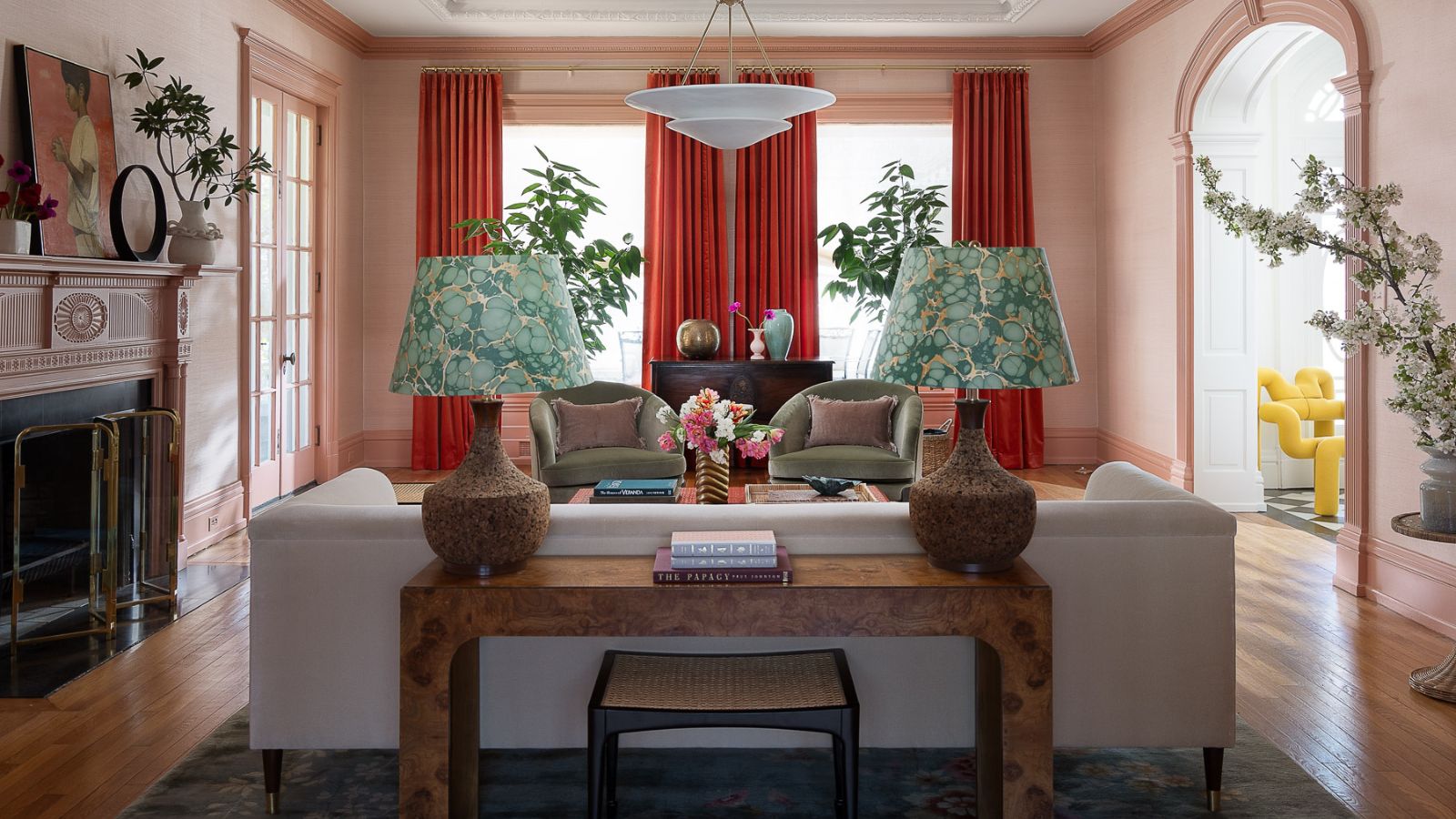
Traditional dining rooms tend to have rich textures and warm colors. Deep reds, golds, or forest greens can enhance this cozy, elegant atmosphere.
Patterned curtains with floral or damask designs often suit classic styles well. They add depth and complement ornate furniture and detailed moldings.
Think about the mood you want to create. Do you want your dining room to feel inviting and warm, or formal and refined? Your curtain color can help set this tone effectively.
Credit: www.homesandgardens.com
Selecting Colors Based On Room Size
Choosing the right curtain color depends a lot on the size of your dining room. The room’s dimensions can either limit your choices or open up creative possibilities. Knowing how colors affect perception will help you make your dining space feel just right—cozy and inviting or spacious and elegant.
Colors For Small Spaces
In smaller dining rooms, light colors work wonders. Shades like soft creams, pale blues, or gentle grays reflect more light, making the room feel larger and more open.
Try to avoid dark, heavy colors that absorb light and make the space feel cramped. Instead, choose curtains in pastel tones or even sheer fabrics to keep things airy.
Have you noticed how a room feels instantly bigger with white curtains? That’s the power of color in small spaces.
Colors For Large Spaces
Large dining rooms give you more freedom to play with bold and rich colors. Deep reds, navy blues, and forest greens can add warmth and make a big space feel more intimate.
Don’t hesitate to use patterns or textured fabrics here—they add character without overwhelming the room. Strong colors can anchor the space and highlight your dining area beautifully.
Think about the mood you want: do you want your large dining room to feel cozy and welcoming or open and bright? The curtain color can guide that feeling.
Incorporating Mood And Ambiance
Choosing the right curtain color for your dining room is about more than just matching furniture or wall paint. The color you pick can dramatically change the mood and feel of the space. Think about how you want your dining room to make people feel every time they walk in.
Warm Tones For Cozy Atmosphere
Warm colors like deep reds, burnt oranges, and golden yellows create a welcoming and intimate environment. These tones stimulate appetite and conversation, making your dining room a perfect spot for family dinners or friendly gatherings.
If you’ve ever noticed how a rich terracotta curtain softens the light and adds a comforting glow, you understand the power of warm tones. They make the room feel snug and inviting, encouraging guests to linger longer.
Consider pairing warm curtains with natural wood furniture or soft lighting to amplify that cozy vibe. Would you like your dining room to feel like a comforting embrace after a long day?
Cool Tones For Calm Environment
Colors like soft blues, gentle greens, and muted grays bring a sense of peace and relaxation. These shades help balance the energy in the room, especially if you want your dining space to feel serene and uncluttered.
Imagine light blue curtains filtering daylight softly, creating a calm oasis during meals. This choice can make your dining room a perfect retreat for quiet breakfasts or thoughtful conversations.
Pair cool-toned curtains with simple, modern décor to keep the atmosphere clean and fresh. How might a calm dining space change the way you experience your meals?
:max_bytes(150000):strip_icc()/SPR-should-you-hang-curtains-higher-than-windows-11773794-54e08cd0005d437081ad1889f7547151.jpg)
Credit: www.thespruce.com
Choosing Curtain Materials And Patterns
Choosing the right curtain materials and patterns shapes the dining room’s mood. Curtains not only block light but also add style and warmth. The texture and design of the fabric influence the room’s look and feel. Selecting the best materials and patterns balances beauty and function. It complements other décor elements and sets the dining space’s tone.
Solid Colors Vs Patterns
Solid color curtains offer a clean and simple look. They create a calm and balanced atmosphere. These work well with busy wall designs or colorful furniture. Solid curtains make the room feel more spacious and orderly.
Patterned curtains bring energy and style to the room. They add interest and can highlight the dining room’s theme. Patterns like stripes, florals, or geometrics create visual depth. Use patterns carefully to avoid overwhelming small spaces.
- Choose solid colors for a minimal, modern feel.
- Pick patterns to add character and charm.
- Match patterns with other room elements for harmony.
Fabric Textures And Colors
Fabric texture changes how curtains look and feel. Heavy fabrics like velvet add luxury and warmth. Light fabrics like linen bring airiness and softness. Consider the dining room’s lighting when choosing texture.
Colors affect the room’s mood and brightness. Warm colors like red and orange stimulate appetite and conversation. Cool colors like blue and green calm the space. Neutral tones blend easily with most décor styles.
| Fabric | Texture | Effect |
|---|---|---|
| Velvet | Thick, plush | Rich, cozy atmosphere |
| Linen | Light, airy | Fresh and casual look |
| Cotton | Soft, versatile | Comfortable and natural |
| Silk | Smooth, shiny | Elegant and formal |
Testing Curtain Samples
Testing curtain samples before making a final decision can save you time and money. It helps you see how colors look in your dining room’s unique environment. This step allows you to avoid surprises and ensures the color you choose complements your space perfectly.
Using Swatches In Room Lighting
Take the curtain swatches and place them in different areas of your dining room. Observe how natural daylight and artificial lighting affect the color. Colors often change under various lighting conditions, so check them in the morning, afternoon, and evening.
Don’t just hold the swatch flat—hang it like a curtain to see how the fabric falls and reflects light. Ask yourself: Does this color brighten the room, or does it make it feel smaller? This simple test can guide you to a color that enhances your dining experience.
Evaluating Color Durability
Consider how the curtain color will hold up over time, especially in a room where sunlight exposure is high. Colors that fade quickly can leave your dining room looking dull. To evaluate durability, check if the manufacturer provides information on colorfastness.
You can also test by exposing a swatch to direct sunlight for a few hours and comparing it with an untouched swatch. This quick experiment reveals if the color will stay vibrant or lose its charm. Think about how often you want to replace or clean your curtains, as some colors show wear more easily.

Credit: twopagescurtains.com
Balancing Practicality And Style
Choosing the right curtain color for a dining room means finding a balance. The curtains must look good and work well. They should match the room’s style and be easy to keep clean. This balance keeps the space inviting and practical.
Maintenance Considerations
Curtains in dining rooms often face spills and stains. Darker colors hide stains better than light ones. Fabrics that are easy to wash save time and effort. Avoid delicate materials that need dry cleaning. Durable curtains keep their color and shape longer. Choose colors that show less dust and dirt.
Seasonal Color Changes
Changing curtain colors with seasons refreshes the dining room look. Bright colors bring energy in spring and summer. Warm tones create coziness in fall and winter. Neutral shades work well all year and mix with seasonal decor. Lightweight fabrics suit warm months. Heavier fabrics add warmth in cold seasons.
Frequently Asked Questions
What Color Curtains Are Best For Dining Rooms?
Neutral colors like beige, gray, or white are versatile and timeless. They complement various dining room styles. If you prefer a pop of color, consider muted shades like soft blue or sage green. These colors create a calm and inviting atmosphere, perfect for dining spaces.
How To Match Curtains With Dining Room Decor?
Start by considering your dining room’s existing color palette. Match or complement the dominant colors. If your walls are bold, opt for neutral curtains. For neutral walls, try colorful curtains for contrast. Patterns can add depth, but ensure they don’t clash with other patterns in the room.
Do Dark Curtains Suit Small Dining Rooms?
Dark curtains can work in small dining rooms, but use them wisely. They add drama and elegance but can make a space feel smaller. Balance them with light-colored walls or furniture to maintain openness. Consider sheer dark curtains to allow more light while maintaining the desired color.
Should Curtains Match The Dining Room Furniture?
Curtains don’t need to match dining room furniture exactly. Instead, aim for harmony between the elements. Use complementary colors or patterns that tie the room together. The goal is to create a cohesive look that enhances the overall dining experience without overwhelming the space.
Conclusion
Choosing the right curtain color can change your dining room’s mood. Think about your room’s style and lighting first. Pick colors that match or gently contrast with your walls and furniture. Soft, warm tones bring comfort. Bright colors add energy.
Remember, curtains should feel good to you every day. Take your time and enjoy the process. Your perfect curtain color will make meals and moments special. Simple choices can create a big impact. Curtains are more than decoration—they set the room’s tone.