
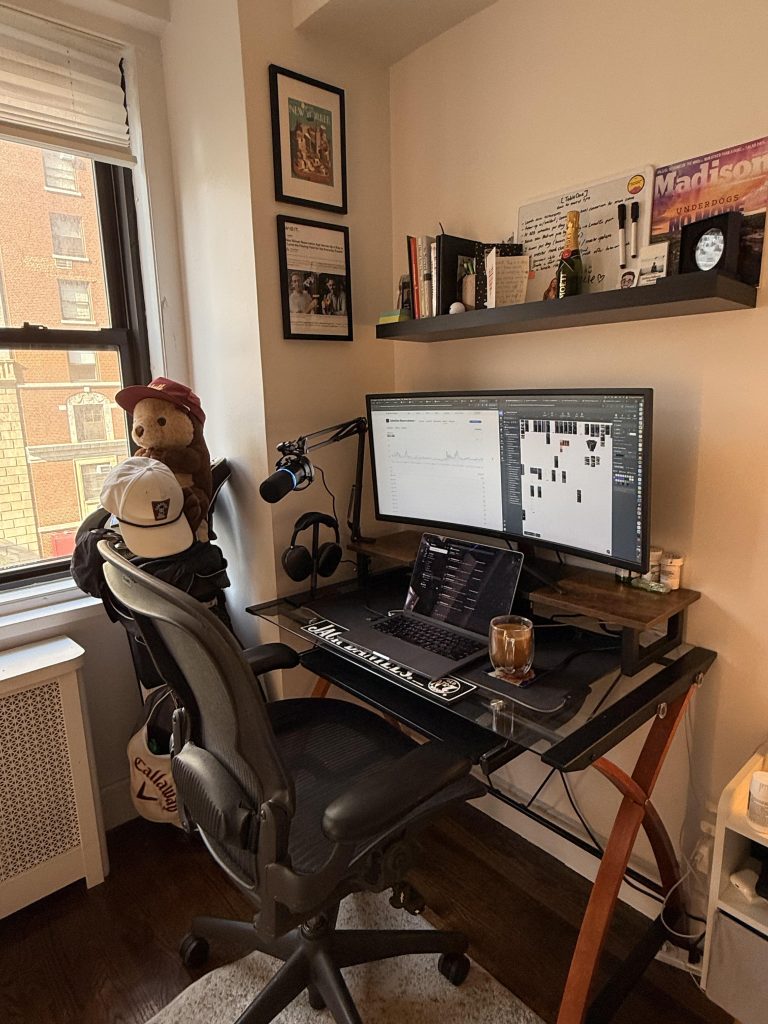
Are you tired of working at a cluttered, outdated desk? Imagine having a sleek, modern workspace that inspires creativity and boosts your productivity every day.
Building your own modern desk for your home office is easier than you think. With just a few simple steps, you can create a stylish and functional piece that fits perfectly in your space. Ready to transform your work area and enjoy a desk designed just for you?
Keep reading, and I’ll show you how to make it happen.
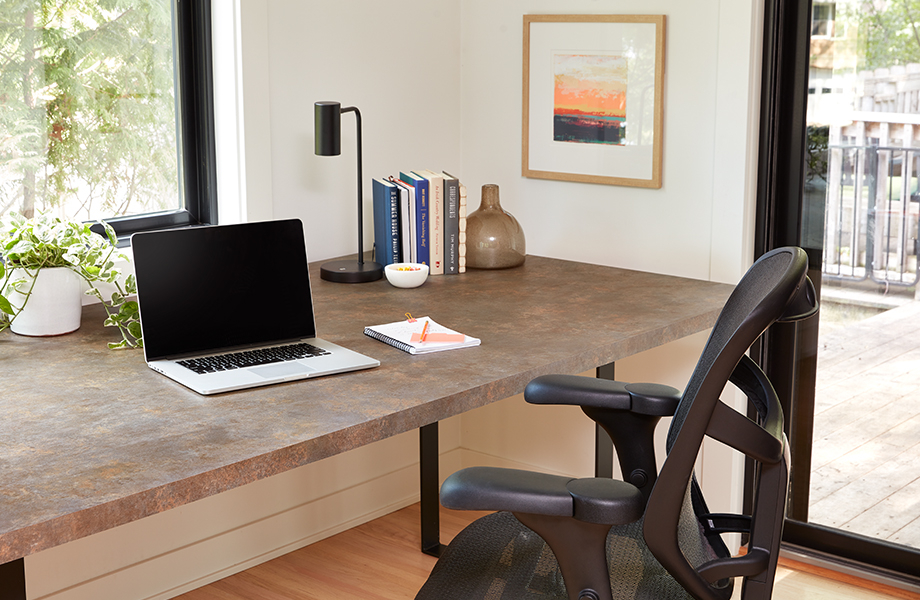
Credit: www.formica.com
Choosing The Right Desk Style
Choosing the right desk style shapes your home office’s look and feel. The desk sets the tone for your work area. It impacts comfort, productivity, and space use. Pick a style that fits your needs and room size. Consider how you work and what makes you comfortable.
Minimalist Designs
Minimalist desks focus on simplicity and clean lines. They avoid extra details and clutter. These desks often have smooth surfaces and thin legs. Minimalist styles help keep your workspace neat. They suit small rooms or modern decor. Easy to pair with other furniture. The design helps clear your mind and focus.
Ergonomic Features
Ergonomic desks support good posture and comfort. Many have adjustable heights for sitting or standing. These desks reduce strain on your back and neck. Some include keyboard trays or wrist rests. Ergonomic features boost long hours of work. They help prevent pain and fatigue. Choose desks that fit your body size and work habits.
Space-saving Options
Space-saving desks fit small or shared rooms well. Designs may include foldable tops or built-in storage. Wall-mounted desks free up floor space. Corner desks use room angles efficiently. These options keep your office tidy and open. Great for apartments or multi-use rooms. They offer functionality without crowding your space.
Selecting Materials And Tools
Selecting the right materials and tools is crucial for building a modern desk that fits your home office perfectly. The choices you make here affect not only the desk’s look but also its durability and functionality. Think about your daily work habits and style preferences as you decide on materials and the tools you’ll need to bring your vision to life.
Wood Types And Finishes
Wood is a popular choice for desks due to its natural beauty and strength. Hardwoods like oak, maple, and walnut offer durability and a rich grain pattern that ages well. Softwoods like pine are easier to work with but may dent more easily.
Choosing the right finish can protect your desk and enhance its appearance. Matte finishes hide scratches better, while glossy finishes create a sleek, modern look. Consider using a water-based polyurethane for a clear, non-yellowing coat that keeps the wood looking fresh.
Metal And Glass Elements
Adding metal or glass elements can elevate the modern look of your desk. Steel or aluminum legs provide sturdy support and a clean, industrial feel. You might prefer powder-coated metal in black or white for a minimalist style.
Glass tops add elegance and make your workspace feel open, but they require regular cleaning. Tempered glass is safer and more durable, perfect for a desk surface. Combining wood with metal or glass creates contrast and gives your desk a contemporary edge.
Essential Tools Checklist
- Measuring tape:Accurate measurements prevent costly mistakes.
- Power drill and bits:Essential for creating clean holes and driving screws.
- Saw (circular or jigsaw):Choose based on the cuts you need; a circular saw is great for straight cuts.
- Screwdrivers:Both flathead and Phillips for assembling parts.
- Sanding block or electric sander:Smooth surfaces are key to a professional finish.
- Clamps:Keep pieces steady while gluing or screwing.
- Level:Ensure your desk is perfectly horizontal.
Have you checked your toolbox recently? Missing even one of these tools can slow your progress or affect the quality of your build. Gathering everything beforehand saves frustration and keeps your project on track.
Planning Your Desk Dimensions
Planning your desk dimensions is essential for a comfortable and functional home office. The right size desk fits your space and supports your work habits. It helps avoid strain and clutter. Careful measuring and thoughtful customization make a big difference.
Measuring Your Space
Start by measuring the area where the desk will go. Use a tape measure to get the width, depth, and height available. Consider doors, windows, and other furniture around the spot.
Leave extra room for movement and accessories like a chair or printer. Write down all measurements clearly. This helps avoid mistakes when building.
Standard Desk Heights
Most desks have a height of 28 to 30 inches. This suits many people for typing and writing. The standard height fits well with most office chairs.
Keep in mind your height and chair height when choosing desk height. A desk too high or too low causes discomfort and poor posture.
Customizing For Comfort
Adjust desk dimensions to fit your body and work style. Taller people may need a higher desk, shorter people a lower one. Depth depends on your equipment and how much space you want.
Think about your tasks. Do you need extra space for monitors or papers? Add depth or width accordingly. Comfort helps you stay focused and productive.
Building The Desk Frame
Building the desk frame is the backbone of your modern home office setup. A strong, well-crafted frame not only supports the desktop but also defines the overall style and durability of your desk. Focusing on precise measurements and solid construction will save you time and frustration down the road.
Cutting And Preparing Materials
Start with quality wood or metal, depending on your design preference. Measure twice, cut once to avoid costly mistakes that can throw off your entire frame.
Sand all cut edges smoothly to prevent splinters and give your frame a professional finish. If you’re using wood, consider applying a sealant or primer before assembly to protect it from moisture.
Assembling The Frame
Lay out all pieces on a flat surface to check the fit before fastening. Use clamps to hold parts together while you drill pilot holes; this keeps the frame aligned and prevents wood from splitting.
Choose the right fasteners—screws provide a stronger hold than nails for desk frames. Tighten each joint carefully but avoid over-tightening, which can weaken the wood or strip screws.
Ensuring Stability
Test the frame by applying pressure on different points to detect any wobbling. Add corner braces or crossbars if you notice any movement; these simple additions dramatically increase stability.
Think about where your desk will sit. Uneven floors can cause rocking, so adjustable feet or small shims might be necessary to keep your workspace steady.
Adding The Desktop Surface
Adding the desktop surface is a key step in building a modern desk. This part creates the main workspace. Choosing the right material and attaching it well ensures durability and style. Finishing the surface gives the desk a polished look. Let’s explore how to select, attach, and finish the desktop.
Selecting The Surface Material
Choose a surface that fits your style and needs. Popular options include:
- Solid wood for a natural, warm feel
- Laminate for easy cleaning and variety of colors
- Glass for a sleek, modern look
- Metal for durability and industrial style
Consider thickness and weight. Thicker surfaces feel sturdy. Lighter materials are easier to handle. Pick one that matches your room’s decor and your work habits.
Attaching The Desktop
Secure the desktop firmly to the frame. Use screws or brackets for strong support. Make sure the surface is level and centered. Check for any wobbling and tighten fasteners as needed. This step ensures safety and comfort during work.
Sanding And Finishing Touches
Sanding smooths out rough edges and surfaces. Use fine-grit sandpaper for best results. Remove dust with a damp cloth. Apply finish like varnish, oil, or paint to protect the wood. Let it dry completely before use. These touches enhance appearance and durability.

Credit: www.digsdigs.com
Incorporating Storage Solutions
Storage plays a crucial role in making your modern desk both functional and tidy. Without the right storage solutions, clutter can quickly take over your workspace, making it harder to focus. Let’s look at some smart ways to add storage that fits seamlessly with your desk design.
Drawer Options
Drawers are a classic choice for keeping essentials within reach but out of sight. You can choose from shallow drawers for stationery and gadgets or deeper ones for files and notebooks. Consider adding soft-close mechanisms for a smooth, quiet experience that feels high-end.
Think about customizing drawer dividers to keep small items organized. This way, you won’t waste time digging through a messy drawer. What items do you find yourself reaching for most often? Those should definitely have a dedicated spot.
Shelving And Cabinets
Shelves above or beside your desk can hold books, decor, or supplies without taking up precious desktop space. Open shelves make everything visible, encouraging you to keep things tidy. On the other hand, cabinets with doors hide clutter completely, ideal if you prefer a minimalist look.
Mixing open and closed storage offers flexibility. For example, display your favorite books on open shelves but store paperwork in cabinets. What balance between visible and hidden storage matches your work style?
Cable Management Systems
Messy cables can ruin the clean lines of a modern desk. Using cable trays, clips, or sleeves helps keep wires organized and out of sight. You can even install a power strip underneath the desk for easy access without visible cords.
Try labeling cables to save time when unplugging devices. It’s a small step that prevents frustration later. How much more productive could you be with a clutter-free, well-organized workspace?
Enhancing Functionality And Style
Enhancing functionality and style transforms a simple desk into a productive and inviting workspace. Thoughtful design choices make the desk both useful and visually pleasing. This balance helps maintain focus and comfort during work hours.
Small details can improve daily tasks and create a pleasant atmosphere. Each element should support your work habits and personal taste. The desk becomes a place that inspires creativity and efficiency.
Integrating Lighting
Good lighting reduces eye strain and boosts concentration. Choose adjustable LED lamps with warm light for comfort. Position lights to avoid shadows on your work surface.
Consider built-in lights under shelves or along the desk edge. These provide soft illumination without clutter. Battery-operated options add convenience without extra wires.
Decorative Accents
Decor adds personality and warmth to your desk area. Use small plants to freshen the space and improve air quality. Select simple frames or artwork that reflect your style.
Organizers and trays in matching colors keep items tidy and attractive. Textured materials like wood or metal add visual interest. Keep decorations minimal to avoid distractions.
Personalizing Your Workspace
Personal touches make your desk feel welcoming and unique. Display meaningful items such as photos or souvenirs. Use custom mouse pads or keyboard covers for a personal flair.
Choose colors and patterns that motivate and calm you. Change elements easily to keep the space fresh. A personalized desk encourages a positive and focused mindset.
Maintaining Your Desk
Maintaining your modern desk is key to keeping your home office functional and stylish. A well-cared-for desk not only lasts longer but also helps you stay organized and motivated. Small habits and timely upgrades can make a big difference in your daily work experience.
Cleaning Tips
Dust and dirt can quickly dull the surface of your desk. Use a soft cloth with a gentle cleaner to wipe down your desk at least once a week. Avoid harsh chemicals that could damage the finish or materials.
Don’t forget to clean under the desk and around cables. These spots often collect dust and clutter unnoticed. A clean desk surface promotes a clear mind—how often do you take a moment to tidy your workspace?
Repair And Upkeep
Check your desk regularly for loose screws or wobbly legs. Tightening these early prevents bigger problems down the line. If you notice scratches or dents, use a wood filler or touch-up markers designed for your desk’s material.
Small repairs keep your desk looking sharp and stable. Think about how often you’ve ignored minor damage—could quick fixes improve your desk’s lifespan and comfort?
Upgrading Components
Adding new parts can refresh your desk without replacing it entirely. Consider swapping out your old drawer handles for sleek, modern ones. You might also add cable management trays or a monitor stand to improve ergonomics.
Upgrades can tailor your desk to your evolving needs. What small changes could make your workspace more efficient or enjoyable?

Credit: www.reddit.com
Frequently Asked Questions
What Materials Are Best For A Home Office Desk?
When building a modern desk, choose durable materials like hardwood, metal, or engineered wood. These materials offer strength and a sleek appearance. For a contemporary look, consider a glass or acrylic top. Ensure the materials match your home office decor and withstand daily use.
How To Design A Functional Desk Layout?
Start by assessing your work needs and space constraints. Prioritize essential features like drawers or cable management. Ensure there’s ample surface area for your tasks. Consider ergonomic factors like desk height and chair compatibility. A functional layout boosts productivity and comfort.
What Tools Are Needed To Build A Desk?
Essential tools include a tape measure, saw, drill, and screwdriver. Use clamps for stability during assembly. Depending on the design, you might need a sander for a smooth finish. Always prioritize safety by using protective gear like goggles and gloves while building.
How To Choose The Right Desk Size?
First, measure your available office space accurately. Consider the equipment and materials you use daily. Ensure there’s enough room for movement and comfort. A desk that’s too large can overwhelm a small room, while a compact desk might not meet your needs.
Conclusion
Building a modern desk for your home office brings many benefits. It saves money and lets you choose your style. You control the size, shape, and materials used. A custom desk fits your space perfectly. Working at a desk you built feels rewarding.
Small efforts make a big difference in comfort and productivity. Start with a clear plan and take your time. Enjoy the process and the result. Your new desk will support your work every day. Simple steps can create a great workspace.