
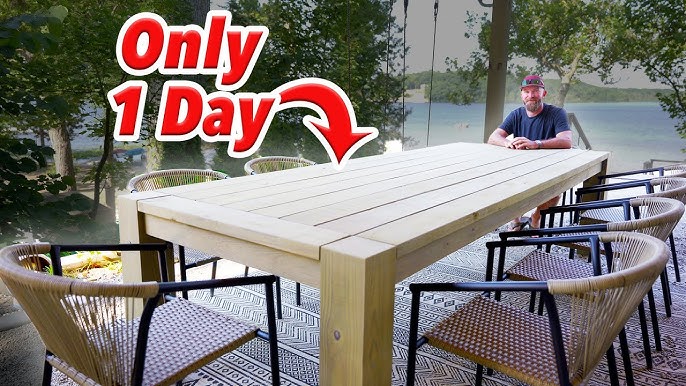
Are you dreaming of a dining table that perfectly matches your home’s style and personality? Building your own dining table frame is easier than you might think and offers the satisfaction of creating something unique with your own hands.
Imagine hosting dinner parties around a table that you designed and built yourself. You’ll not only save money but also enjoy the bragging rights that come with crafting your own piece of furniture. In this guide, you’ll discover simple, step-by-step instructions that make the process clear and manageable, even if you’re new to woodworking.
Ready to start your DIY adventure and transform your dining area? Let’s dive into the details and turn your vision into reality.
Choosing Materials
Choosing the right materials is key to building a strong dining table frame. The materials affect the table’s durability, look, and feel. Picking suitable wood and hardware makes the project easier and the result better.
Selecting Wood Types
Wood choice shapes the table’s style and strength. Hardwoods like oak, maple, and walnut offer great durability. They resist dents and scratches well. Softwoods such as pine or cedar are lighter and easier to work with. They cost less but may dent easily.
Consider the wood grain and color. Some woods have a smooth finish, others show more texture. Choose wood that matches your room’s decor. Also, think about the wood’s moisture content. Dry wood prevents warping and cracking.
Tools And Hardware Needed
Gathering the right tools and hardware makes building smoother. Basic tools include:
- Measuring tape
- Square
- Hand saw or power saw
- Drill and drill bits
- Screwdriver
- Clamps
- Sandpaper or sander
Hardware includes screws, wood glue, and brackets. Choose screws suitable for wood thickness. Wood glue adds extra strength to joints. Brackets help secure corners for more stability.

Credit: garrisonstreetdesignstudio.com
Designing The Frame
Designing the frame of your dining table sets the foundation for a sturdy and stylish piece. This phase is where your vision starts to take shape, balancing aesthetics and functionality. Careful planning here prevents costly mistakes later and ensures your table stands the test of time.
Measuring Dimensions
Start by deciding the size of your table. Think about how many people you want to seat comfortably and the space available in your dining area.
Use a tape measure to note down the desired length, width, and height. A typical dining table height is around 30 inches, but you can adjust this based on your chair height or personal preference.
Consider extra space for legs and supports. Leaving about 12-18 inches width for the frame’s thickness ensures stability without crowding legroom.
Sketching The Layout
Grab a pencil and paper or use a digital tool to draw the frame. Sketch the top view and side view to visualize how all parts connect.
Mark where the legs will attach and how the support beams will run. This helps you foresee potential weak spots or awkward joints.
Think about adding features like cross braces or aprons for extra strength. Don’t hesitate to redraw sections until the design feels balanced and practical.
Cutting The Wood
Cutting the wood precisely is a crucial part of building a sturdy dining table frame. This phase sets the foundation for how well your pieces will fit together later. Take your time to plan and prepare before making any cuts to avoid costly mistakes.
Marking Cut Lines
Start by measuring your wood carefully and marking the cut lines clearly. Use a pencil and a straightedge or carpenter’s square to draw precise lines where you want to cut. Double-check your measurements because even a small error can throw off the entire frame.
Try to mark on the edge of the wood that will be less visible in the final product. This way, any minor imperfections in your lines won’t show. Have you ever cut too soon and wished you had taken just a little more time to mark?
Safe Cutting Techniques
Safety should be your top priority when cutting wood. Always wear safety goggles and hearing protection before starting. Make sure your work surface is stable to prevent the wood from moving during the cut.
Use clamps to hold the wood firmly in place. Keep your hands well clear of the blade, and use push sticks if needed to guide smaller pieces safely through the saw. Cutting slowly and steadily reduces the chance of mistakes and injuries.
What’s your experience with power tools? Practicing slow, controlled cuts can build your confidence and improve your results dramatically.
Credit: www.woodworkingtalk.com
Assembling The Frame
Assembling the frame is where your dining table starts to take shape. This stage requires precision and patience to ensure the table is sturdy and balanced. Getting the frame right means your table will last for years, supporting countless meals and memories.
Joining Legs And Rails
Start by aligning the legs with the rails carefully. The rails connect the legs and provide the main support for your tabletop. Make sure the corners are square by using a carpenter’s square—this prevents a wobbly frame later on.
Use clamps to hold the legs and rails tightly together before fastening. This keeps everything steady and makes the assembly smoother. Check the height of each leg to confirm they’re even; an uneven frame causes a frustrating, shaky table.
Using Screws And Glue
Adding wood glue to the joints before screwing them together creates a strong, lasting bond. Apply a thin layer of glue on the contact surfaces and spread it evenly for best results. Don’t rush this step—proper glue application can mean the difference between a solid frame and one that loosens over time.
Choose screws that are long enough to go through the rail and into the legs securely without splitting the wood. Pre-drill holes to avoid cracking, and drive the screws in slowly and straight. This combination of glue and screws ensures your table frame will stay firm through everyday use.
Reinforcing Stability
Reinforcing stability is essential to build a dining table frame that lasts. Without a solid structure, your table can wobble or even collapse under weight. Ensuring the frame stays firm means you can enjoy your table for years without annoying shifts or repairs.
Adding Support Braces
Support braces add strength to the frame by connecting the legs and apron securely. You can use wooden or metal braces placed diagonally between the legs or along the sides. This prevents the frame from twisting or wobbling, especially when the table holds heavy dishes or guests lean on it.
Think about where your table will get the most pressure. Adding braces at these points makes a big difference. In my own project, placing a center brace under the tabletop stopped the annoying bounce I initially ignored.
- Use 1×2 or 1×3 wood strips for braces; they are easy to cut and attach.
- Secure braces with screws and wood glue for maximum hold.
- Consider metal corner brackets for extra reinforcement at joints.
Checking For Levelness
A level table frame ensures your dining surface feels stable and looks professional. Use a carpenter’s level to check each side and corner of the frame. Even a small tilt can cause glasses to slide or uneven wear over time.
If you find any uneven spots, adjust by sanding down high points or adding shims under legs. This simple step prevents future frustrations with a shaky or crooked table. Ask yourself: Does your frame sit flat on the floor without rocking? If not, fixing levelness now saves headaches later.
Finishing Touches
Finishing touches can make or break the look of your dining table frame. This stage transforms rough wood into a smooth, inviting centerpiece. Paying attention here means your table won’t just look great but also last longer.
Sanding The Surface
Start by sanding the entire frame to remove any rough spots or splinters. Use medium-grit sandpaper first, then switch to fine-grit for a smooth finish. Don’t rush—take your time to feel the surface; it should be silky and even.
Remember to sand along the grain of the wood to avoid scratches. If you notice any dents or uneven joints, sanding helps level those out. This step is crucial before applying any stain or paint, as it affects how the finish adheres.
Applying Stain Or Paint
Choose a stain or paint that matches your style and the room’s decor. If you want to highlight the wood’s natural beauty, a clear or lightly tinted stain works best. For a bold statement, pick a durable paint color that stands out.
Apply thin, even coats using a brush or cloth, allowing each layer to dry fully before adding the next. This prevents drips and uneven patches. Ask yourself what kind of look you want—matte, glossy, or satin—and select your finish accordingly.
Don’t forget to protect your work with a clear sealant after staining or painting. It adds a layer of durability against spills and daily wear. Have you considered how your finishing choices will affect the table’s maintenance? Thinking ahead saves you time and effort later.
Maintenance Tips
Proper care keeps your dining table frame strong and looking great. Small efforts extend its life and beauty. Follow these tips to maintain your frame well and avoid costly repairs later.
Cleaning The Frame
Dust the frame regularly using a soft cloth. Use a damp cloth to wipe away dirt and stains gently. Avoid harsh chemicals that can damage wood or metal finishes. Dry the frame immediately after cleaning to prevent moisture damage.
Preventing Damage
- Place felt pads under the legs to protect floors and frame ends.
- Keep the table away from direct sunlight to avoid fading or warping.
- Avoid placing hot or wet items directly on the frame.
- Tighten screws and bolts periodically to keep the frame sturdy.
- Handle the table carefully when moving to prevent scratches or breaks.
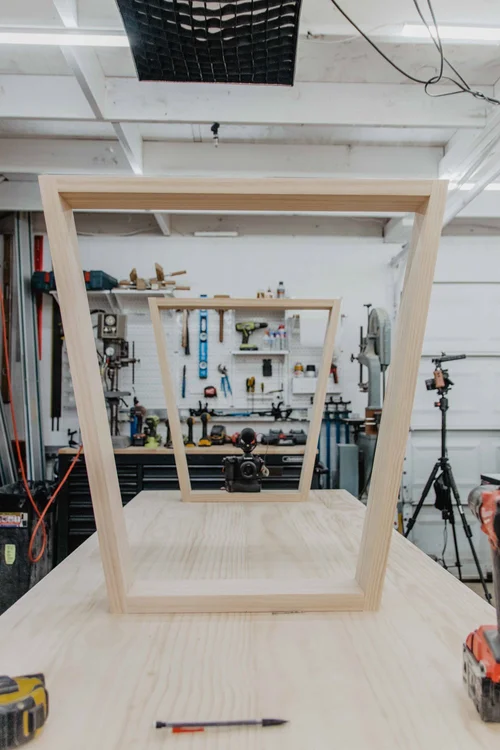
Credit: www.woodbrew.tv
Frequently Asked Questions
What Materials Are Best For Building A Dining Table Frame?
Hardwoods like oak, maple, and walnut are ideal for durability. They provide strong support and a beautiful finish. Softwoods can be used but are less durable. Choose quality wood to ensure your frame lasts for years.
How Do I Measure For A Dining Table Frame?
Measure the tabletop dimensions first. Add extra length and width for the apron. Ensure the frame fits the tabletop snugly. Accurate measurements prevent gaps and instability. Double-check all dimensions before cutting wood.
What Tools Are Needed To Build A Dining Table Frame?
Basic tools include a saw, drill, screwdriver, measuring tape, and clamps. Sandpaper and wood glue are also essential. A square helps ensure right angles. Using proper tools makes the build easier and more precise.
How Do I Join The Frame Pieces Securely?
Use wood screws with wood glue for strong joints. Pocket hole joinery or mortise and tenon joints work well. Clamps help hold pieces while glue dries. Secure joints increase frame stability and longevity.
Conclusion
Building a dining table frame can be simple and fun. Follow each step carefully for best results. Use good materials and measure twice before cutting. Take your time to join parts securely. A sturdy frame will support your tabletop well.
Enjoy the process and learn as you go. Soon, you will have a strong, beautiful dining table. Share your work and feel proud of your creation. Keep practicing to improve your woodworking skills. This project makes a great start for any beginner.