
Struggling to make your rectangular living room feel cozy and inviting? You’re not alone.
Arranging furniture in a long, narrow space can be tricky, but with the right approach, you can transform your room into a comfortable, stylish haven. Imagine a layout where every piece has its place, creating flow and balance without clutter.
In this guide, you’ll discover simple, effective tips to arrange your living room furniture so it feels spacious, functional, and truly yours. Ready to unlock the full potential of your rectangular room? Let’s dive in.

Assessing Room Dimensions
Assessing your living room’s dimensions is the foundation for arranging furniture that fits well and feels inviting. Taking accurate measurements and understanding the room’s layout helps you avoid overcrowding or leaving too much empty space. Getting this step right ensures your furniture placement will enhance both function and style.
Measure Length And Width
Start by measuring the length and width of your rectangular living room. Use a tape measure and record the exact dimensions on paper or your phone.
Don’t forget to measure from wall to wall, including any alcoves or protrusions that may affect furniture placement. Knowing these numbers helps you choose appropriately sized furniture and plan walking paths.
Think about your own experience: Have you ever bought a couch that looked perfect in the store but turned out too big for your space? Precise measurements stop that from happening.
Identify Focal Points
Next, find the room’s natural focal points. These might be a fireplace, a large window with a view, or a media center.
Focal points guide where you position your main seating and key furniture pieces. Placing your sofa facing the focal point creates a balanced and inviting atmosphere.
Ask yourself: What draws your eye first when you enter the room? Highlighting that spot with your furniture arrangement maximizes comfort and visual appeal.
:max_bytes(150000):strip_icc()/designer-digs-5209106-recirc-890366b347c445a0bdd3d10221f2b1fd.jpg)
Choosing The Right Furniture
Choosing the right furniture is key to making your rectangular living room both stylish and functional. The right pieces can help balance the space, create flow, and ensure comfort. It’s about fitting furniture that matches your lifestyle without overcrowding the room.
Size And Scale Considerations
Start by measuring your room carefully. Large sofas can overwhelm a narrow space, making it feel cramped. Instead, opt for pieces that fit the room’s proportions—think a slim-profile couch rather than a bulky sectional.
Don’t forget to leave enough walking space—at least 2 to 3 feet between furniture and walls or pathways. This prevents the room from feeling like a maze. You might find a loveseat paired with a couple of armchairs works better than one large sofa.
Think about furniture height too. Low-profile pieces can open up sight lines and make the room feel airier. Have you noticed how tall furniture can sometimes close in a space? Choose wisely to keep your room inviting.
Multi-functional Pieces
Multi-functional furniture saves space and adds versatility. A coffee table with storage drawers or ottomans that double as extra seating can be real game-changers. These pieces help you reduce clutter without sacrificing style.
Consider a sofa bed if you frequently host guests. It’s a smart way to maximize your room’s use without extra furniture. Folding chairs or nesting tables offer flexibility when you need more seating or surface area.
Ask yourself: How often do you need extra storage or seating? Matching your furniture to your daily needs keeps the room practical and comfortable. Have you tried using pieces that serve more than one purpose? It might change how you use your living room entirely.
Creating A Balanced Layout
Creating a balanced layout in a rectangular living room helps the space feel comfortable and inviting. Balance means arranging furniture so no side feels heavier than the other. This balance keeps the room functional and visually pleasing. You can achieve this by using symmetrical or asymmetrical arrangements.
Symmetrical Arrangements
Symmetrical layouts place furniture in pairs or mirror images. This style gives a formal and calm look. For example, two sofas facing each other with a coffee table in the middle create harmony. Matching chairs or lamps on each side also add balance.
- Place a sofa against the long wall.
- Use identical chairs opposite the sofa.
- Add side tables with lamps on each end.
- Center a rug and coffee table between seating.
Symmetry works well in rectangular rooms because it fills the space evenly. This arrangement guides movement and conversation naturally.
Asymmetrical Options
Asymmetrical layouts use different-sized furniture or groupings but still feel balanced. This style looks relaxed and modern. You can offset a large sofa with two smaller chairs on one side. Place a tall bookshelf or plant opposite to create visual weight.
- Arrange seating in a loose L-shape.
- Mix different furniture heights and shapes.
- Use a bold rug or artwork to anchor the space.
- Keep open space to avoid clutter.
Asymmetry allows creativity while keeping the room inviting. It suits casual spaces and adds personality to rectangular rooms.
Establishing A Focal Point
Establishing a focal point in your rectangular living room is essential for creating a balanced and inviting space. The focal point draws attention and sets the tone for how you arrange your furniture. Without a clear center of interest, the room can feel disjointed or awkwardly spaced.
Tv Placement
The TV often serves as the natural focal point in many living rooms. Positioning it on the shorter wall helps maximize seating arrangements and keeps the room feeling spacious.
Try mounting the TV at eye level when seated, so everyone has a comfortable view. You can place your sofa directly opposite or at a slight angle to the TV for a cozy setup.
Think about hiding wires and using a sleek TV stand or wall unit to keep the area neat. Does your current setup encourage gathering or does it feel more like a showroom?
Fireplace As A Centerpiece
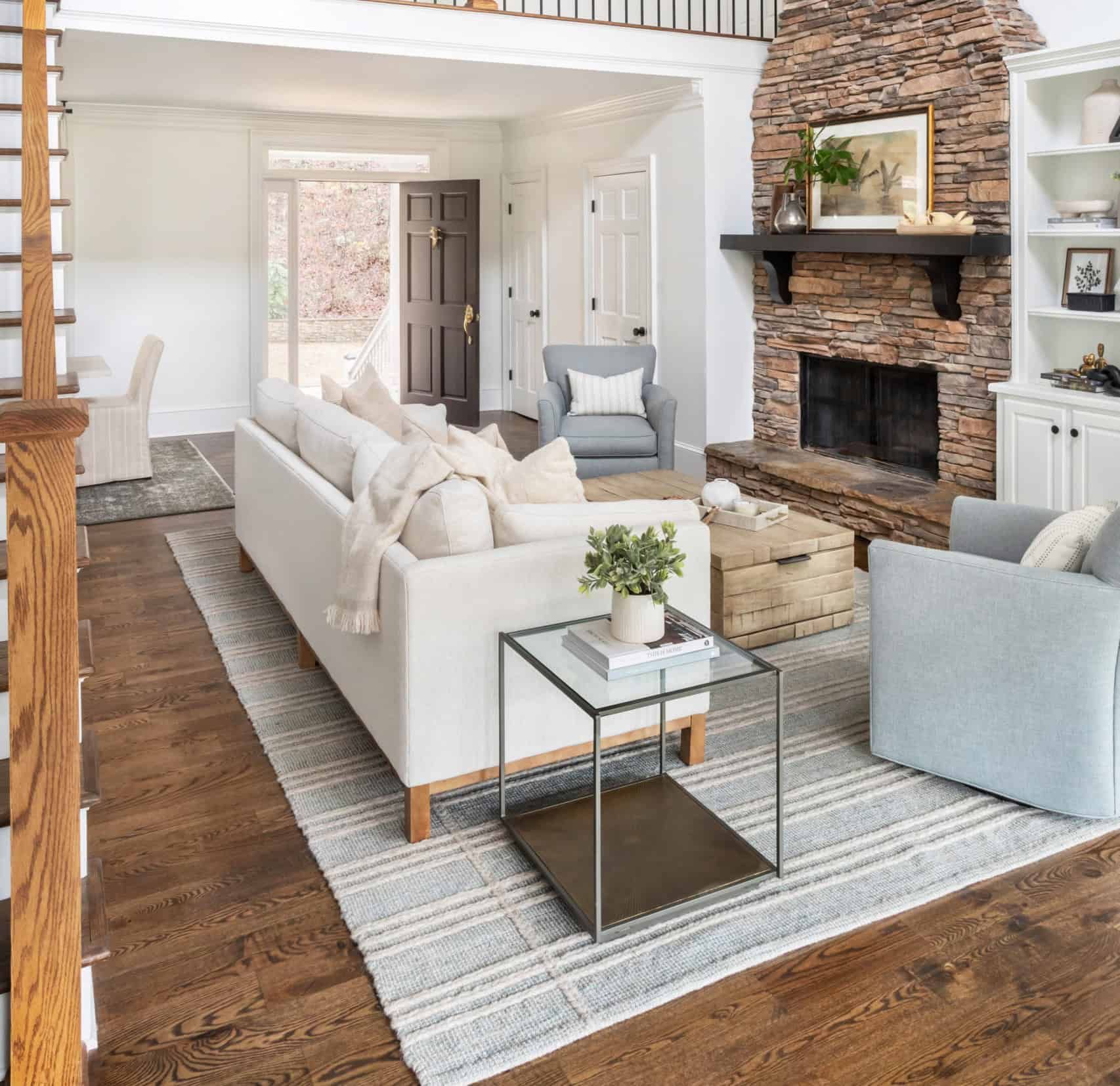
If your rectangular room has a fireplace, it’s a natural choice for a focal point. Arrange seating around it to create warmth and encourage conversation.
Place a sofa directly facing the fireplace, with chairs flanking either side to form a U-shape. This layout invites interaction and highlights the fireplace’s charm.
Even if the fireplace is not functional, dressing it up with candles or art can maintain its role as a visual anchor. Have you considered how your furniture can enhance this cozy feature?
Art And Decor Elements
Sometimes the focal point isn’t structural but decorative. A large piece of art or a striking wall decor can anchor the room beautifully.
Hang the artwork on the longest wall to balance the room’s proportions. Use lighting to highlight the piece, drawing eyes naturally towards it.
Complement the art with furniture colors or textures that echo its style. What statement do you want your focal piece to make about your living room’s personality?
Traffic Flow And Accessibility
Traffic flow and accessibility are key to making a rectangular living room feel open and comfortable. Arranging furniture without blocking movement keeps the space functional. It lets people move freely without bumping into furniture or feeling cramped. Thoughtful placement enhances both comfort and style.
Clear Pathways
Keep pathways wide and clear for easy walking. Aim for at least 2 to 3 feet of space between furniture pieces. This space allows smooth movement and prevents crowding. Avoid placing furniture in a way that forces people to walk around awkward corners.
- Arrange seating so people can enter and exit easily.
- Leave space between the sofa and coffee table.
- Keep walkways free of clutter like rugs or small tables.
Doorway Considerations
Doors must open fully without hitting furniture. Avoid placing large items directly in front of doorways. This keeps entrances inviting and safe. Consider the swing of doors when positioning chairs or tables. Leave enough space so doors do not block traffic or catch on furniture edges.
- Place furniture at least 3 feet from doorways.
- Use slim or low-profile pieces near doors.
- Ensure clear sightlines from door to other parts of the room.
Incorporating Lighting
Lighting shapes the mood and function of your living room. It enhances furniture layout and highlights room features. Proper lighting creates comfort and style in a rectangular space. Use varied light sources to balance brightness and shadows. Focus on making the room inviting and practical with smart lighting choices.
Layered Lighting Solutions
Layered lighting mixes different light types to improve room depth. Combine ambient, task, and accent lighting for full coverage.
- Ambient lighting:Provides general illumination. Use ceiling fixtures or recessed lights.
- Task lighting:Helps with activities like reading. Add table lamps or floor lamps near seating.
- Accent lighting:Highlights artwork or architectural details. Use wall sconces or spotlights.
Layered lighting gives flexibility. Adjust lights to match your mood or activity. It also balances the long shape of the room.
Natural Light Utilization
Maximize natural light to brighten the space and save energy. Use sheer curtains to soften sunlight without blocking it.
- Place seating near windows to enjoy daylight.
- Use mirrors to reflect light deeper into the room.
- Choose light-colored furniture and walls to enhance brightness.
Natural light creates a warm and fresh atmosphere. It reduces the need for artificial lighting during the day.
Adding Personal Touches
Adding personal touches to your living room makes the space feel warm and inviting. It reflects your style and personality. Small details can create a big impact. These touches help turn a simple rectangular room into a cozy, lived-in space. Personal items and thoughtful choices make the area uniquely yours.
Decorative Accents
Decorative accents bring life to your living room. Choose items that tell your story. Family photos in stylish frames add a personal vibe. Art pieces can show your taste and interests. Use vases, candles, or small sculptures to add charm. Keep accents balanced to avoid clutter. Place items on shelves, coffee tables, or side tables for easy viewing.
Color And Texture Choices
Colors and textures influence the room’s mood. Pick shades that comfort you and match your style. Soft throws and cushions add texture and warmth. Rugs can define areas and bring softness underfoot. Mix smooth and rough materials for interest. Use fabrics like cotton, wool, or linen to create a cozy feel. Choose colors that complement your furniture and walls to tie the room together.
Flexible Furniture Arrangements
Flexible furniture arrangements make a rectangular living room more useful and inviting. Changing the layout often keeps the space fresh and suits different needs. It helps to adapt the room for comfort, style, and function. Smart furniture placement allows easy movement and better use of space.
Seasonal Changes
Seasons influence how people use their living rooms. In warmer months, create open, airy layouts by moving bulky furniture away from windows. Use lighter pieces like chairs or ottomans that can be moved easily.
In colder months, arrange seating closer to the fireplace or heater to create a cozy atmosphere. Add soft rugs and cushions for warmth. Flexible pieces like foldable tables or stackable stools help adjust the room quickly.
Event-specific Layouts
Arrange furniture based on the type of event. For movie nights, position seating to face the screen with clear sightlines. Keep pathways clear for easy access.
For social gatherings, create small conversation areas by grouping chairs and sofas. Use movable pieces like poufs or benches to add extra seating. This setup encourages interaction and comfort.
Frequently Asked Questions
How To Maximize Space In A Rectangular Living Room?
Maximize space by placing larger furniture along longer walls. Use multifunctional pieces and avoid overcrowding. Create clear pathways for easy movement and balance the layout for a spacious feel.
What Is The Best Furniture Layout For Rectangular Rooms?
Arrange seating in a conversational grouping, facing each other or a focal point. Use area rugs to define zones. Position the sofa parallel to the longest wall for flow and balance.
How To Create A Focal Point In A Rectangular Living Room?
Use a fireplace, artwork, or TV as a focal point. Arrange furniture around it to draw attention. Add lighting and decorative accents to enhance the focal area.
Can Rugs Improve Furniture Arrangement In Rectangular Rooms?
Yes, rugs define seating areas and anchor furniture. They add warmth and texture, helping to visually balance the space. Choose rug size based on furniture layout for cohesion.
Conclusion
Arranging furniture in a rectangular living room can be simple and fun. Start by thinking about how you use the space. Keep pathways clear to help people move easily. Use rugs and lighting to create cozy zones. Balance large and small pieces for a fresh look.
Don’t overcrowd the room; leave some open space. Try different layouts until the room feels right. This way, your living room will be both stylish and comfortable for everyone.