
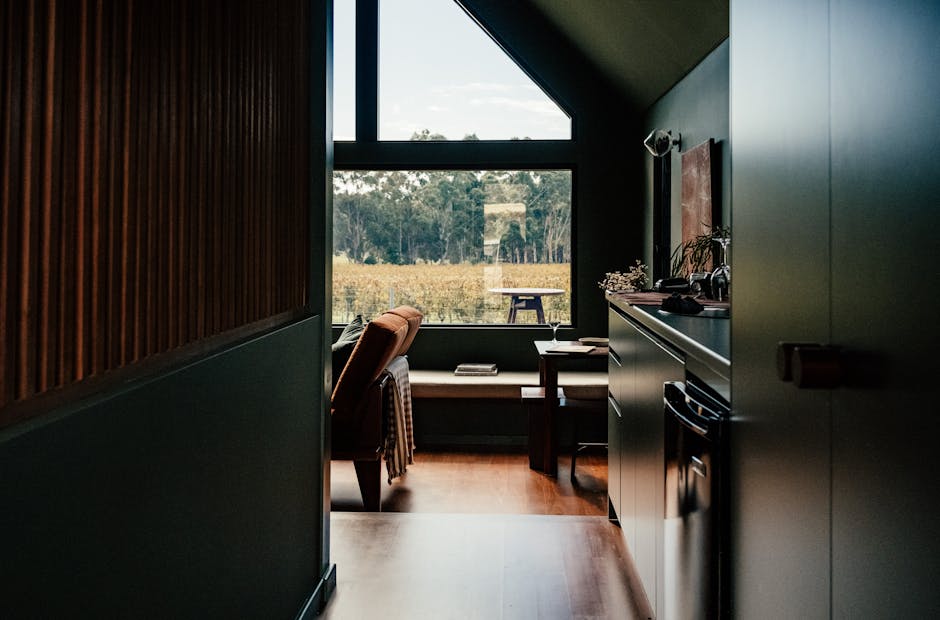
Struggling to make your open concept living room feel cozy and organized? You’re not alone.
Without walls to separate spaces, arranging furniture can quickly become confusing. But don’t worry—your space holds endless potential. With a few smart tricks, you can create a flow that feels natural and inviting. Imagine walking into your living room and immediately feeling relaxed, with every piece of furniture perfectly placed to suit your lifestyle.
Ready to transform your open space into a comfortable haven? Keep reading, and you’ll discover simple steps that make all the difference.

Choosing A Focal Point
Choosing a focal point is key to arranging furniture in an open concept living room. It creates a natural gathering spot for family and guests. A strong focal point helps organize the space and makes it feel cozy and inviting.
Focus draws attention and sets the tone for the room. It guides where to place sofas, chairs, and tables. The right focal point balances the open layout and adds personality to your space.
Using A Fireplace Or Tv
A fireplace or TV makes a popular focal point in living rooms. Position seating to face the fireplace or screen for easy viewing and warmth. Use a rug or coffee table to anchor this area.
Keep the space around the fireplace or TV clear for safety and comfort. Add shelves or cabinets nearby to hold media and decor. This setup encourages relaxation and socializing.
Highlighting Architectural Features
Architectural elements like large windows, beams, or built-in shelves can serve as focal points. Arrange furniture to showcase these features and let natural light shine in. This draws the eye and enhances the room’s character.
Use lighting to accentuate textures and shapes. Choose furniture styles that complement the architecture. This approach adds depth and interest to an open living area.
Defining Functional Zones
Defining functional zones in an open concept living room helps organize the space clearly. It allows each area to serve a specific purpose. This separation makes the room feel cozy and balanced. Proper zoning also guides movement and furniture placement. It helps create a natural flow without walls.
Creating Separate Areas With Rugs
Rugs are excellent tools for marking different zones. They add color, texture, and warmth to the space. Using rugs under seating or dining areas visually separates these spots. Choose rugs that fit the size of each zone well. Layering rugs can also define smaller sections within a large area.
Rugs help anchor furniture groups in place. This gives each zone a clear boundary. Pick rugs with patterns or colors that contrast with the floor. This makes the zones stand out more. Rugs also reduce noise and add comfort underfoot.
Using Furniture To Divide Space
Furniture pieces can act as physical dividers in an open room. Arrange sofas, shelves, or cabinets to create boundaries. For example, a sofa placed back-to-back with a dining table marks two areas.
Low bookcases or console tables provide separation without blocking light. Tall furniture can create more privacy between zones. Arrange chairs and tables to form intimate seating groups. This setup encourages conversation and makes each zone feel distinct.
Use furniture placement to control traffic paths. Avoid cluttering walkways to keep the space open and inviting.
Selecting The Right Furniture
Selecting the right furniture shapes the flow and feel of an open concept living room. Each piece should fit the space without crowding it. Proper furniture choices create zones for relaxing, dining, and socializing. Think about size, style, and function to keep the room balanced and inviting.
Opting For Scaled Pieces
Choose furniture that matches the room’s size. Large, bulky pieces can overwhelm open areas. Small-scale furniture keeps the space airy and easy to move around. Look for sofas and chairs with slim arms and low backs. Compact tables and ottomans help maintain openness.
Consider the room’s height too. Low-profile furniture prevents blocking sightlines. This keeps the room feeling larger and connected. Avoid oversized rugs that can make the space seem cluttered. Instead, select rugs that fit the seating area well.
Choosing Multi-functional Furniture
Multi-functional furniture adds versatility and saves space. Pieces that serve more than one purpose work best in open layouts. Think of storage ottomans, sleeper sofas, or nesting tables. These items provide comfort and practical use without extra clutter.
Use furniture with hidden storage to keep the room tidy. This reduces the need for extra shelves or cabinets. Folding chairs or stackable stools offer extra seating when needed. Choose designs that blend with the room’s style to keep harmony.
Arranging Seating For Conversation
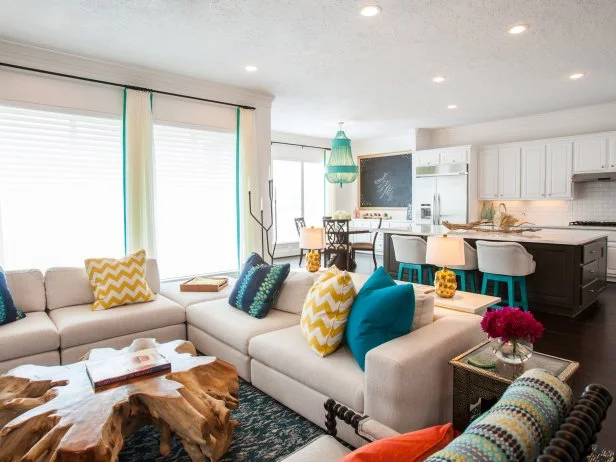
Arranging seating in an open concept living room is key to creating a space for easy conversation. The right setup invites people to sit, talk, and connect. It also balances comfort and style, making the room feel welcoming and functional.
Forming Cozy Groupings
Create small clusters of chairs and sofas close enough to hear each other. Arrange seating in a circle or square to encourage eye contact. Use a rug to anchor the group and add warmth. Place a coffee table or ottoman in the center for shared use. Keep the space free of clutter to avoid distractions.
Balancing Open Flow And Intimacy
Leave enough space between furniture pieces for easy movement. Avoid blocking walkways or sightlines to maintain the open feel. Use low-profile furniture to keep the room airy. Position seating so people face each other but also see other parts of the room. This balance keeps the room open yet inviting for chats.
Incorporating Traffic Flow
In an open concept living room, arranging furniture isn’t just about style—it’s about how people move through the space. Traffic flow affects comfort and usability. If you don’t pay attention to it, your beautiful setup can quickly become a daily frustration.
Ensuring Clear Pathways
Think about where people naturally walk in your room. Paths should be wide enough for easy movement—ideally 30 to 36 inches. This prevents bumping into furniture and keeps the space feeling open.
Try mapping out a walking route before placing big pieces. Walk through the room and notice any tight spots. Adjust your layout so chairs, sofas, and tables don’t block the way.
Have you ever squeezed past a coffee table and felt awkward? That’s a sign your pathways need more space. Let your furniture breathe to make your room welcoming and practical.
Avoiding Obstructions
Obstructions can kill the flow and make your open space feel cramped. Avoid placing bulky furniture or décor items directly in front of doorways, windows, or major walkways.
Keep in mind the height and width of items like floor lamps or plant stands. Even a small obstacle at eye level can disrupt movement or sightlines.
Think about how you use the room daily. If your layout blocks access to a favorite chair or TV, your setup isn’t working. Move pieces around until everything feels accessible and natural.
Using Lighting To Enhance Zones
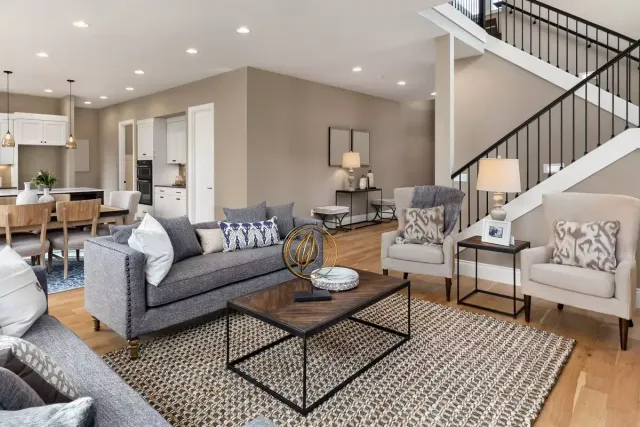
Lighting plays a key role in shaping an open concept living room. It helps define different zones without walls. Good lighting guides the eye and creates a cozy atmosphere. Use it smartly to separate areas for relaxing, dining, or working.
Layering Ambient And Task Lighting
Start with ambient lighting to brighten the whole space. Use ceiling lights or large fixtures to spread soft, even light. This sets a base for the room’s mood.
Add task lighting for specific activities. Table lamps near a sofa or floor lamps by a reading chair focus light where needed. This makes each zone more useful and inviting.
Mixing these two layers creates depth. It also helps the eye move naturally from one area to another.
Adding Accent Lights
Accent lights highlight special features or decor. Spotlights on artwork or shelves draw attention and add style.
Use small lamps or LED strips to mark borders between zones. This subtly separates spaces without blocking views.
Accent lighting adds personality. It also enhances the room’s flow and warmth.
Adding Personal Touches
Adding personal touches to your open concept living room is essential for making the space feel truly yours. It reflects your personality and creates a warm, inviting atmosphere. Small details can transform a generic layout into a cozy, lived-in area where you love spending time.
Incorporating Art And Accessories
Art and accessories are the easiest way to show your style in an open space. Choose pieces that speak to you—whether it’s a bold painting, a collection of framed photos, or unique sculptures.
Think about how you arrange these items. Group smaller pieces together on shelves or mantels to create visual interest. A single large artwork can also act as a focal point, pulling the room together.
Consider your color palette when selecting accessories. Matching or contrasting colors can either blend the items into the room or make them pop. Have you tried mixing textures like a soft throw with a shiny vase? It adds depth and keeps the space from feeling flat.
Using Plants To Soften Spaces
Plants bring life and freshness to an open living room. They help soften hard edges and break up large areas without blocking views or light.
Try placing a tall plant in an empty corner or a cluster of smaller pots on a side table. Succulents, ferns, or even a small indoor tree can change the room’s energy.
Don’t forget about hanging plants—they add greenery without taking up floor space. How might adding a bit of nature change the mood of your room? Plants not only improve air quality but also create a calming vibe that makes your home feel more relaxing.
Frequently Asked Questions
How To Define Zones In An Open Concept Living Room?
Use rugs and furniture placement to create distinct zones. Separate seating, dining, and work areas visually. This helps maintain flow and organization in an open space, making it feel cozy yet functional.
What Furniture Layout Suits Open Concept Spaces Best?
Choose arrangements that promote conversation and easy movement. Place sofas and chairs around a focal point. Avoid blocking pathways to keep the room open and inviting.
How To Balance Scale And Proportion In Open Living Rooms?
Select furniture that fits the room size without overcrowding. Mix large and small pieces to maintain visual interest. Proper scale ensures comfort and harmony in open areas.
How To Maintain Privacy In An Open Concept Living Room?
Use screens, bookshelves, or plants as subtle dividers. These create separation without closing off the space. This approach adds privacy while preserving openness.
Conclusion
Arranging furniture in an open concept living room can feel tricky. Start by defining spaces clearly with rugs or furniture placement. Keep pathways open for easy movement. Use furniture to create cozy areas for talking or relaxing. Balance the room by mixing large and small pieces.
Remember to keep things simple and functional. Your room will look inviting and organized. Enjoy making your space both stylish and comfortable.