
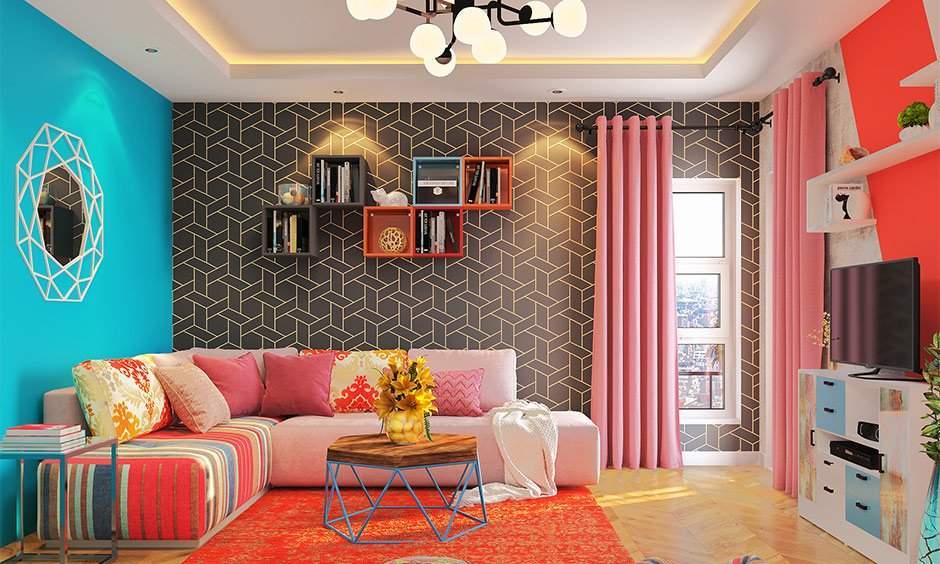
Arranging furniture in a rectangle living room can feel tricky. You want your space to look inviting, feel balanced, and work for your daily needs.
But where do you start? How do you avoid a cramped, awkward layout that wastes space or blocks natural flow? You’ll discover simple, effective ways to arrange your furniture so your living room feels cozy, spacious, and perfectly designed for you.
Keep reading, and you’ll soon transform your rectangular room into a place you love to spend time in.

Assess Room Dimensions
Assessing the dimensions of a rectangular living room is the first step to smart furniture arrangement. Knowing the exact size and layout helps you plan the space efficiently. It prevents overcrowding and keeps the room functional and inviting.
Measure the length and width of the room carefully. Use a tape measure and note down the numbers. Accurate measurements allow you to choose the right furniture size and style. This avoids making the room feel cramped or empty.
Measure Length And Width
Start by measuring the longest wall to the opposite one. Then, measure the shorter sides. Write down these dimensions clearly. Double-check to avoid errors. This simple step gives a clear picture of the available floor space.
Note Door And Window Placement
Identify all doors and windows in the room. Mark their position and size on your layout. These openings affect furniture placement and traffic flow. Avoid blocking doors or windows with large pieces. Proper planning ensures natural light and easy movement.
:max_bytes(150000):strip_icc()/image_1-efc79718919c4641b8c4f3292cd061cd.png)
Choose A Focal Point
Choosing a focal point is key to arranging furniture in a rectangle living room. It draws attention and helps set the room’s mood. A clear focal point makes the space feel balanced and inviting. Without it, the room may seem cluttered or awkward.
Focus on a feature that naturally attracts the eye. This helps guide the furniture layout and creates a comfortable flow. A strong focal point anchors the room and supports your design style.
Select A Feature Wall
A feature wall can act as the room’s main attraction. Paint it a bold color or use textured wallpaper. Hang large artwork or a decorative mirror here. This wall becomes the natural spot to arrange sofas and chairs facing it.
Consider adding shelves or lighting to highlight the feature wall. It creates depth and interest. Keep furniture simple around this wall to avoid distractions. This helps keep the focus clear and strong.
Position Around A Fireplace Or Tv
A fireplace or TV often serves as a natural focal point. Arrange sofas and chairs in a semi-circle or U-shape around it. This setup encourages conversation and relaxation.
Ensure seating faces the fireplace or TV directly. Place side tables and lamps nearby for convenience. Avoid blocking views with large furniture pieces.
This arrangement balances the room’s shape and adds warmth. It makes the living area feel cozy and functional.
Plan Traffic Flow
Planning traffic flow is key in a rectangle living room. It ensures easy movement and a comfortable space. Good traffic flow prevents bumping into furniture and keeps the room feeling open. It also helps create a welcoming and functional area for everyone.
Create Clear Pathways
Design wide paths between furniture pieces. Leave at least two to three feet for walking space. Avoid placing chairs or tables where people need to squeeze through. Clear pathways let people move freely without stopping or turning awkwardly. Think about where people enter and exit the room.
Avoid Obstructing Entryways
Keep doors and entrances free from furniture blocks. Make sure nothing stops the door from opening fully. Avoid placing large furniture right in front of entry points. This allows a smooth transition in and out of the room. Clear entryways make the room feel bigger and more inviting.
Select Furniture Size
Choosing the right furniture size is a crucial step when arranging a rectangular living room. The goal is to create a comfortable flow without overcrowding the space. Selecting pieces that fit well will make your room feel balanced and inviting.
Balance Large And Small Pieces
Mixing large and small furniture pieces helps maintain visual interest and prevents the room from feeling too heavy on one side. Try pairing a big sofa with smaller chairs or ottomans. This way, you create seating variety without overwhelming the space.
Think about the scale of each piece in relation to the room’s length and width. A bulky sectional might dominate a narrow room, while a slim sofa paired with a compact coffee table can open up the area. Have you noticed how a single oversized item can make a room feel cramped? Balancing sizes avoids that problem.
Consider Multi-functional Furniture
Multi-functional furniture saves space and adds versatility, especially in a rectangular living room where every inch counts. Pieces like storage ottomans, sofa beds, or nesting tables offer more than one use.
For example, a storage ottoman can act as a coffee table, extra seating, and a place to tuck away blankets. This reduces clutter and keeps your room tidy. What could you gain by replacing a traditional bulky chair with a sleek bench that doubles as storage?
Arrange Seating Options
Arranging seating options in a rectangular living room requires careful planning. The goal is to create a comfortable and inviting space. Proper seating arrangement improves flow and makes the room feel balanced. Focus on placing sofas and chairs in ways that encourage conversation and relaxation. Use furniture that fits the room’s shape and size well.
Place Sofa And Chairs Strategically
Position the sofa along the longest wall to maximize space. Avoid blocking walkways or windows. Place chairs opposite or adjacent to the sofa to form a natural conversation area. Leave enough space between pieces for easy movement. Angle chairs slightly for a cozy feel. Use small side tables near seating for convenience.
Use Sectionals For Space Efficiency
Sectional sofas fit well in rectangular rooms by using corners effectively. They offer ample seating without crowding the room. Choose a sectional with a chaise or corner unit to define the seating area. Keep the arrangement open to avoid a cramped look. Pair sectionals with ottomans or small chairs for extra flexibility.
Incorporate Storage Solutions
In a rectangular living room, storage solutions help keep the space tidy and organized. They reduce clutter and make the room feel larger. Smart storage blends with your furniture and style. It also uses every inch wisely without crowding the room. Focus on adding shelves and cabinets that fit the room’s shape. Use vertical space to maximize storage without losing floor area.
Add Shelving And Cabinets
Shelves and cabinets provide practical storage and display spots. Choose slim, tall shelves to fit narrow walls. Floating shelves keep the floor open and add a modern touch. Closed cabinets hide items that create visual clutter. Place cabinets against longer walls to balance the room. Use units with multiple compartments for better organization.
- Mix open shelves for decor and closed cabinets for storage
- Select furniture with built-in storage like ottomans or benches
- Use low cabinets under windows to save wall space
Utilize Vertical Space
Vertical space is often overlooked but offers great storage potential. Tall bookcases or wall-mounted units draw eyes upward. This adds height and interest to the room. Hooks and pegboards on walls hold bags, keys, or small items. Stackable storage boxes keep things neat and easy to access. Use corner shelves to fill unused spaces efficiently.
- Install wall-mounted shelves above sofas or desks
- Hang organizers on doors for extra storage
- Place tall storage pieces near room edges
Add Accent Furniture
Adding accent furniture enhances the look and feel of a rectangular living room. These pieces break up long lines and add spots for placing items. They create balance and offer extra seating or surfaces without crowding the space.
Accent furniture also brings personality and warmth. Choose styles and colors that match the room’s theme. Use these pieces to fill empty spaces and make the room inviting.
Include Coffee And Side Tables
Coffee and side tables are essential in a rectangle living room. Place a coffee table in front of the sofa for easy access. It holds drinks, books, or décor items.
Side tables fit well next to chairs or sofas. They offer a place for lamps or snacks. Choose slim designs to avoid blocking pathways. Tables with storage add extra function.
Use Ottomans And Poufs
Ottomans and poufs add comfort and style. Use them as footrests or extra seats. They are easy to move around and fit in tight spots.
Choose colors that complement your main furniture. Some ottomans offer hidden storage, which helps keep the room neat. Soft shapes break the straight lines of a rectangle room.

Enhance With Lighting
Lighting shapes the mood and feel of a rectangle living room. It adds warmth and helps highlight your furniture layout. Proper lighting makes the space inviting and functional. Use different types of lights to create depth and comfort.
Layer Ambient And Task Lighting
Start with ambient lighting for overall brightness. Ceiling lights, recessed lights, or a central fixture work well. Then add task lighting for activities like reading or working. Table lamps, floor lamps, and wall sconces provide focused light. Layering these lights brings balance and flexibility to the room.
Position Lamps For Comfort
Place lamps near seating areas to reduce eye strain. Side tables next to sofas or chairs are perfect spots. Ensure lamps provide enough light without glare. Use adjustable lamps for better control. Position floor lamps behind or beside furniture for cozy corners. This setup creates a relaxing atmosphere and highlights key areas.
Use Rugs To Define Areas
Using rugs to define areas in a rectangle living room can transform a long, narrow space into a cozy, well-organized environment. Rugs naturally break up the room visually, creating distinct zones for seating, dining, or reading. This helps avoid a cluttered look and guides the flow of movement, making your space feel intentional and inviting.
Choose Appropriate Rug Size
Picking the right rug size is crucial. A rug that’s too small can make your furniture feel disconnected, while one that’s too large might overwhelm the room. Aim for a rug that allows all key furniture pieces in a seating area to sit fully or at least partially on it.
For example, in a rectangle living room, a large rug under the main seating cluster can anchor the space effectively. If you have a sofa and two chairs, the rug should be wide enough so the front legs of all pieces rest on it. This creates a unified look that pulls the room together.
Anchor Furniture With Rugs
Rugs act as a foundation for your furniture. By anchoring your seating or dining set with a rug, you define each zone clearly and add warmth underfoot. This strategy helps prevent furniture from floating awkwardly in the room.
Think about your daily routine: where do you spend most of your time? Placing a rug beneath that area not only enhances comfort but also visually tells your guests where the main gathering spot is. Don’t be afraid to layer rugs to highlight different zones, like a smaller rug under a reading nook within the larger living space.
Personalize With Decor
Adding personal touches through decor can transform a rectangle living room from bland to inviting. Your choices tell a story about your tastes and lifestyle. Small details can create a warm atmosphere and make the space feel truly yours.
Add Artwork And Mirrors
Artwork is a simple way to inject personality into your living room. Choose pieces that inspire you or evoke memories. Consider a large statement piece on the longest wall or a gallery of smaller frames to create visual interest.
Mirrors do more than reflect light—they can also make your room appear larger. Placing a mirror opposite a window brightens the room naturally. Opt for interesting frames that complement your style for a dual effect.
Incorporate Plants And Textiles
Plants breathe life into your rectangle living room. They add color, texture, and improve air quality. Try a mix of tall floor plants and small potted varieties on shelves or side tables.
Textiles like rugs, cushions, and throws soften the space and add comfort. Play with different textures and patterns to add depth. Think about layering a patterned rug under your sofa or adding cushions in contrasting colors.
Frequently Asked Questions
How Do I Start Arranging Furniture In A Rectangular Room?
Begin by identifying the room’s focal point, like a fireplace or TV. Arrange larger pieces like sofas facing it. Ensure there’s enough space for movement. Balance the room by placing smaller pieces, such as chairs or tables, around the larger ones.
Consider the room’s function when positioning furniture.
What Furniture Fits Best In A Rectangle Living Room?
Rectangular living rooms benefit from streamlined furniture like sectionals, long sofas, and rectangular coffee tables. These pieces complement the room’s shape and provide ample seating. Opt for multi-functional furniture to maximize space. Use tall bookshelves or vertical storage to utilize wall space efficiently.
How Can I Create Zones In A Rectangular Living Room?
Create zones by using rugs, furniture placement, or room dividers. Position seating areas around a central rug to define conversation spaces. Use bookshelves or screens to separate areas like a reading nook or workspace. Ensure each zone has a distinct purpose and maintains the room’s flow.
What Are Common Mistakes When Arranging Furniture?
Avoid pushing all furniture against walls, which can make spaces feel disjointed. Ensure pathways are clear for easy movement. Don’t overcrowd the room with excessive furniture. Balance the room’s layout by varying furniture heights and sizes. Keep scale and proportion in mind for harmony.
Conclusion
Arranging furniture in a rectangular living room can feel tricky. Keep balance by placing key pieces along the longer walls. Create clear pathways to make the room easy to move in. Use rugs and lighting to define different areas. Choose furniture sizes that fit the space well.
Personal touches make the room feel cozy and inviting. Small changes can improve comfort and style. Try different layouts until it feels just right. Your living room can be both functional and beautiful with simple planning.