
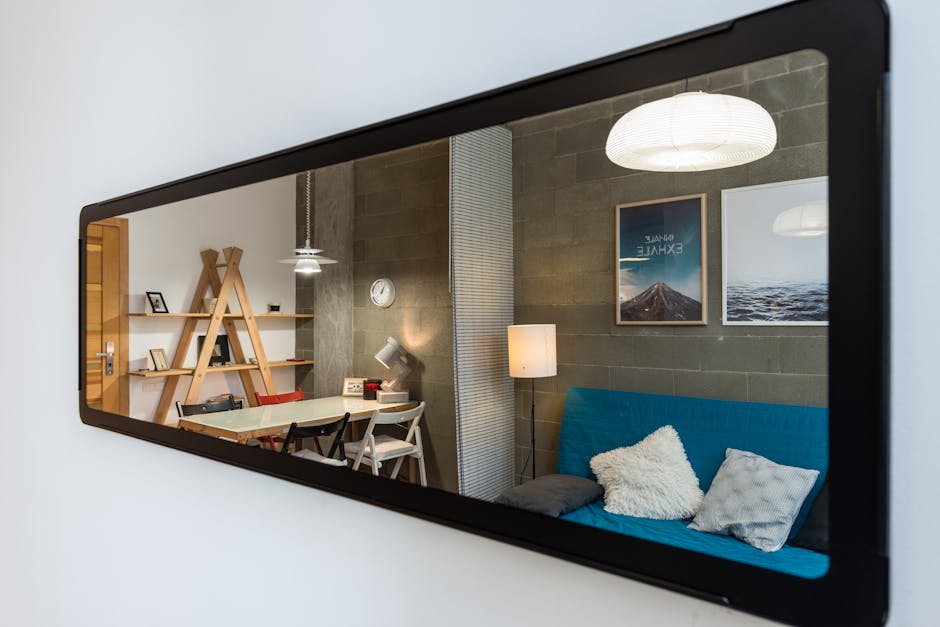
Do you find it tricky to arrange furniture in your long, narrow living room? You’re not alone.
This shape can make your space feel cramped or awkward if the furniture isn’t placed just right. But don’t worry—small changes can make a big difference. Imagine turning your room into a cozy, inviting spot where everything flows naturally. Keep reading, and you’ll discover simple tips that will help you use every inch of your living room perfectly.
Your ideal space is closer than you think.
Maximizing Space
Maximizing space in a long narrow living room is key to making it feel open and comfortable. Smart furniture choices and smart use of space help create balance. The goal is to avoid clutter while keeping the room functional.
Choosing Scaled Furniture
Pick furniture that fits the size of the room. Large sofas or bulky chairs can overwhelm a narrow space. Choose slim and low-profile pieces that do not block pathways. Use smaller tables and compact seating to keep the room airy. Modular furniture works well and can be rearranged easily.
Utilizing Vertical Space
Use walls to free up floor space. Tall shelves and cabinets draw the eye upward and add storage. Hang art or mirrors high to create a sense of height. Consider wall-mounted lights instead of floor lamps. Vertical plants or hanging planters add greenery without taking up space.
:max_bytes(150000):strip_icc()/9.AJ_1186_287copy-bcf7228f3b6f439da19edd86f1b3ac84.jpg)
Creating A Functional Layout
Creating a functional layout in a long narrow living room can transform a challenging space into a cozy and practical haven. It requires more than just placing furniture against the walls. Thoughtful arrangement ensures the room feels balanced, inviting, and easy to navigate.
Zoning The Room
Start by breaking the room into different zones based on how you plan to use the space. You might want a seating area for conversations, a reading nook, or a media corner. Defining zones helps prevent the room from feeling like one endless corridor.
Use rugs, lighting, or furniture placement to visually separate these zones. For instance, a small sofa paired with a couple of chairs can create a distinct seating area. Adding a floor lamp nearby signals a cozy reading spot without crowding the space.
Have you tried grouping furniture away from the walls? It can open up the room and make each zone feel purposeful and inviting.
Establishing Pathways
Clear pathways are essential in a long narrow room to avoid a cramped feeling. Leave enough space—about 30 to 36 inches wide—for easy movement between furniture pieces. This spacing keeps the flow natural and prevents obstacles.
Think about the main entry points and how you move through the room daily. Position larger furniture so it doesn’t block these routes. Using slim-profile furniture along the length of the room can preserve walking space without sacrificing seating.
Are you leaving enough breathing room for people to walk comfortably? Sometimes shifting a chair just a few inches can make a big difference in how the room feels.
Balancing Aesthetics And Function
Balancing aesthetics and function in a long narrow living room requires careful planning. The space should look inviting and stylish. At the same time, it must serve everyday needs comfortably. Finding this balance makes the room feel harmonious and practical. Design choices should enhance the room’s shape without making it feel cramped or empty.
Incorporating Symmetry
Symmetry brings order and calm to a narrow space. Place matching furniture pieces opposite each other. Use pairs of lamps or chairs to create balance. Symmetry helps the eye move easily across the room. It avoids making the space feel lopsided or chaotic. Keep the scale of furniture similar on both sides. This keeps the room feeling stable and well-organized.
Emphasizing Focal Points
Focal points draw attention and anchor the room’s design. Choose one main feature, like a fireplace or large window. Arrange furniture around this spot to highlight it. Use rugs, artwork, or lighting to enhance the focal point. This creates a natural flow and gives purpose to the layout. A strong focal point prevents the space from feeling like a narrow corridor.
:max_bytes(150000):strip_icc()/designer-digs-5209106-recirc-890366b347c445a0bdd3d10221f2b1fd.jpg)
Selecting Appropriate Furniture
Selecting the right furniture for a long narrow living room can transform the space from cramped to comfortable. Your choices should help open up the room, making it feel inviting without overwhelming the limited width. Think about how each piece can serve a purpose beyond just filling space.
Choosing Multi-functional Pieces
Furniture that serves more than one function is a game-changer in narrow rooms. A sofa bed or an ottoman with storage can save space and reduce clutter. Imagine having a coffee table that doubles as a storage box—this lets you tuck away blankets or magazines neatly out of sight.
Multi-functional furniture gives you flexibility, especially if your living room also acts as a guest room or workspace. It lets you switch up the layout easily without needing extra pieces. Have you considered how many uses your furniture can have before buying?
Opting For Lightweight Designs
Heavy, bulky furniture can make a narrow room feel even smaller and harder to navigate. Choosing lightweight pieces with slim profiles keeps the space feeling airy and easy to move around in. Chairs with open legs or transparent materials like acrylic can visually expand your room.
Lightweight furniture also allows you to rearrange your layout quickly whenever you want a fresh look. This adaptability is vital in a space where every inch counts. What if your furniture could actually help your room breathe instead of crowding it?
Enhancing Lighting And Ambiance
Lighting plays a crucial role in shaping the look and feel of a long narrow living room. It can open up the space, create warmth, and highlight key areas. Proper lighting balances natural and artificial sources to enhance comfort and style. Using different layers of light and reflective surfaces helps avoid dark corners and makes the room feel larger.
Using Layered Lighting
Layered lighting combines three main types: ambient, task, and accent. Ambient light provides overall brightness, usually from ceiling fixtures or recessed lights. Task lighting focuses on specific activities like reading or working. Accent lighting highlights artwork or architectural features.
- Start with soft ambient light to fill the room evenly.
- Add floor or table lamps near seating for reading or relaxing.
- Use wall sconces or spotlights to draw attention to decor.
This mix creates depth and avoids flat, dull lighting. Dimmers can adjust brightness for different moods and times of day.
Incorporating Reflective Surfaces
Reflective surfaces bounce light around the room, making it feel brighter and more spacious. Mirrors are the most effective and versatile option.
- Place a large mirror opposite windows to double natural light.
- Choose furniture with glass, metallic, or glossy finishes.
- Decorate with shiny accessories like vases or picture frames.
These elements amplify light without cluttering the space. Reflective surfaces also add a modern and elegant touch.
Adding Personal Touches
Adding personal touches makes a long narrow living room feel warm and inviting. It transforms the space from just a room to a place that reflects your personality. Small details can change the whole vibe. Focus on elements that bring color, texture, and character. This helps balance the room’s shape and size.
Incorporating Artwork And Decor
Choose artwork that fits the room’s length without overwhelming it. Vertical pieces can draw the eye up, making the ceiling feel higher. Group smaller artworks to create a gallery wall that adds interest and charm.
Decor items like vases, candles, and sculptures add depth. Use shelves or narrow consoles to display these without cluttering the floor. Mirrors also work well. They reflect light and open up the space visually.
Choosing Textiles And Rugs
Textiles soften the room and add comfort. Pick cushions and throws in colors that complement your furniture. Patterns can bring energy but keep them simple to avoid a busy look.
Rugs help define areas in a long room. Use a runner rug to guide movement or a large area rug to anchor seating. Choose rugs that fit the room’s width well. This keeps the space feeling balanced and cozy.

Frequently Asked Questions
How Can I Make A Long Narrow Living Room Look Wider?
Use light colors on walls and floors to brighten the space. Arrange furniture away from walls to create flow. Add mirrors to reflect light and create depth. Choose low-profile furniture to avoid overwhelming the room.
What Is The Best Furniture Layout For Narrow Living Rooms?
Create separate zones like seating and dining areas to break up the space. Use a sofa along the longest wall. Position chairs opposite to balance the room. Keep pathways clear to maintain openness.
How To Choose Furniture Size For A Narrow Living Room?
Opt for slim, streamlined furniture to save space. Avoid bulky pieces that crowd the room. Use multifunctional furniture like storage ottomans. Measure the room carefully before buying to ensure a proper fit.
Should I Use Rugs In A Long Narrow Living Room?
Yes, rugs help define different zones and add warmth. Use multiple smaller rugs instead of one large rug. Choose rugs with horizontal patterns to make the room feel wider.
Conclusion
Arranging furniture in a long narrow living room can feel tricky. Choose pieces that fit well without crowding the space. Use rugs and lighting to create cozy zones. Keep pathways clear to make the room easy to move around. Try different layouts until the room feels balanced and inviting.
Small changes can make a big difference in comfort and style. Enjoy your new, well-arranged living room that feels open and welcoming.