
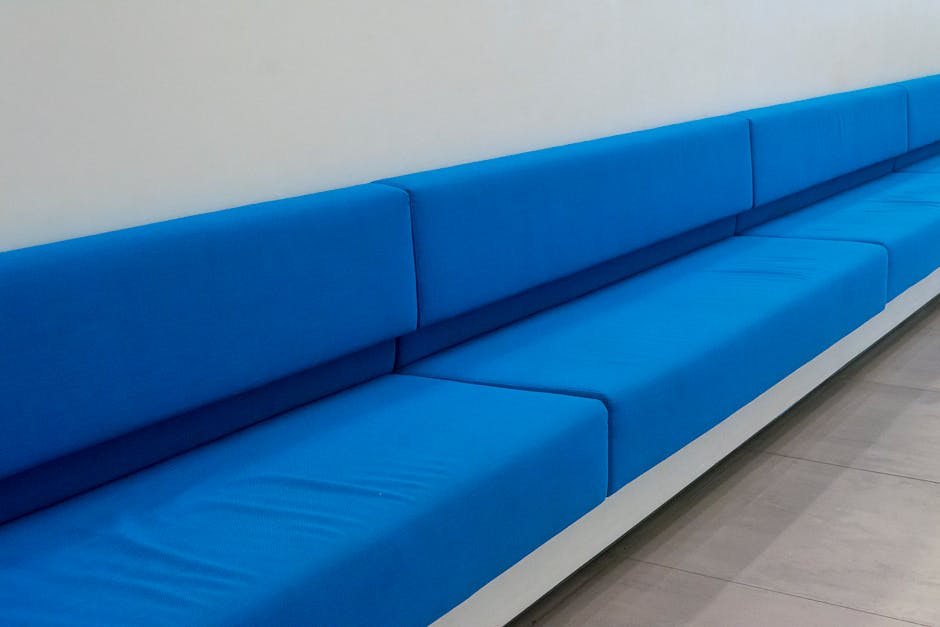
Do you struggle with making your long living room feel cozy and balanced? Arranging furniture in a narrow or stretched-out space can be tricky, but with the right tips, you can turn it into a stylish and inviting area.
Imagine walking into your living room and feeling instantly comfortable, with every piece of furniture perfectly placed to maximize space and flow. You’ll discover easy and practical ways to arrange your furniture so your long living room looks great and works perfectly for you.
Keep reading to unlock simple tricks that will transform your space!
Assessing The Space
Assessing the space is the first critical step in arranging furniture in a long living room. You need to understand the shape, size, and natural flow of the room before placing anything. This awareness helps you avoid common mistakes like overcrowding or leaving awkward gaps.
Measuring Your Room Accurately
Grab a tape measure and jot down the exact length and width of your living room. Don’t forget to note the height of the ceiling too, as it can affect furniture scale and lighting choices. Measure windows, doors, and any architectural features that might impact furniture placement.
Having these measurements handy will save you frustration later. You’ll know exactly what furniture pieces will fit and where to place them for balance and ease of movement.
Identifying Functional Zones
Think about how you want to use the space. Will you need a reading nook, a TV area, or a spot for entertaining guests? Defining these zones helps you group furniture logically.
For example, I once created a cozy conversation area by placing two chairs and a small table near the far end of a long room. This made the space feel inviting and purposeful, rather than just a corridor of furniture.
Observing Natural Light And Traffic Flow
Notice where sunlight enters and how people naturally move through the room. Avoid blocking windows with bulky furniture, and keep pathways clear to prevent trips and awkward navigation.
Ask yourself: Does the current layout encourage easy movement? If not, consider how shifting a sofa or adding a rug might guide foot traffic smoothly.
Defining Functional Zones
Defining functional zones in a long living room is key to making the space feel purposeful and comfortable. Without clear areas, the room can seem endless and confusing, making it hard to relax or entertain. Creating distinct zones helps you use the room efficiently and adds a sense of order.
Creating Separate Areas
Start by thinking about the activities you want the room to support. You might want a cozy seating area for conversations, a reading nook, or even a small workspace. Use rugs, furniture placement, or lighting to mark these zones clearly.
For example, position a sofa and chairs around a coffee table on one rug to create a living area. Then place a single chair with a floor lamp on a different rug for reading. This way, each zone feels like its own mini-room without walls.
Have you tried using open shelving or low cabinets to subtly divide the space? These pieces keep the room airy but still separate activities. This approach worked well in my own living room where a bookshelf set the boundary between the seating and dining areas.
Balancing Open Space And Functionality
Maintaining flow is crucial in a long room. You don’t want to block walkways or make the space feel cramped. Leave enough open space for easy movement between zones.
Keep larger furniture against walls or in a straight line to avoid cutting off the room’s length. Use lightweight, movable pieces to adjust zones based on your needs. This flexibility can change the room’s mood instantly.
Think about how you move through the room daily. Does your current setup make it easy to get from one end to the other? If not, rearranging to balance open space and function might be the solution you need.
Choosing The Right Furniture
Choosing the right furniture is crucial when arranging a long living room. The pieces you pick can either enhance the flow or make the space feel awkward and cluttered. Focus on selecting furniture that balances the room’s length while keeping it functional and inviting.
Optimal Furniture Sizes
In a long living room, avoid oversized furniture that overwhelms the space. Instead, opt for medium to smaller-sized pieces to maintain balance and openness.
Think about using a slim sofa paired with chairs that don’t take up too much visual space. This approach prevents the room from feeling like a narrow corridor.
Consider the scale of your furniture relative to the room’s length. A low-profile sectional can stretch along one wall without blocking pathways, making the space feel larger.
Multi-functional Pieces
Multi-functional furniture saves space and adds versatility, which is especially useful in long rooms. A coffee table with storage or ottomans that double as extra seating can reduce clutter.
Try a bench with hidden compartments or a sofa bed for guests. These pieces help you make the most of every inch without crowding the room.
Have you ever struggled with too many items but not enough space? Choosing furniture that serves multiple purposes can solve this problem while keeping your living room stylish and practical.

Placement Strategies
Arranging furniture in a long living room can be tricky. The right placement strategies help create balance and comfort. Focus on key areas to make the space inviting and functional. Proper furniture placement improves the room’s flow and highlights its best features.
Focal Points And Anchors
Identify the room’s main focal point first. It could be a fireplace, a large window, or a TV. Arrange furniture around this anchor to draw attention naturally. Use a large rug or a coffee table to anchor the seating area. Group sofas and chairs so they face or surround the focal point. This setup encourages conversation and makes the room feel cozy.
Traffic Flow Considerations
Plan clear paths for easy movement across the room. Avoid blocking walkways with bulky furniture. Leave at least 2 to 3 feet of space for walking routes. Position seating and tables to keep traffic flowing smoothly. Place larger pieces away from doorways and entrances. This strategy prevents the room from feeling cramped or cluttered.
Utilizing Vertical Space
Utilizing vertical space in a long living room can completely change how the area feels and functions. It helps you avoid clutter and makes the room appear taller and more balanced. Have you ever felt that a big empty wall just wastes potential? That’s where smart vertical arrangements come in.
Incorporating Shelving
Adding shelves to your long living room walls is a great way to use vertical space efficiently. Floating shelves keep the floor clear while providing storage or display areas for books, plants, or decor. You can mix different shelf sizes to create visual interest and break the monotony of a long wall.
Think about placing shelves at varying heights—this draws the eye upward and makes the room feel more dynamic. You don’t have to fill every shelf; leaving some space empty enhances the look and keeps things from feeling cluttered. How could your favorite items be showcased to add personality without overwhelming the space?
Wall-mounted Solutions
Wall-mounted furniture and fixtures free up floor space and enhance the flow in a long living room. Consider mounting a TV on the wall instead of using a bulky cabinet. This opens up the room and creates a sleek, modern look.
Other options include wall-mounted desks or fold-down tables, which add functionality without crowding your living area. Hooks or pegboards can also organize everyday items like keys or headphones. What wall-mounted piece could make your living room both stylish and practical?
Creating Visual Balance
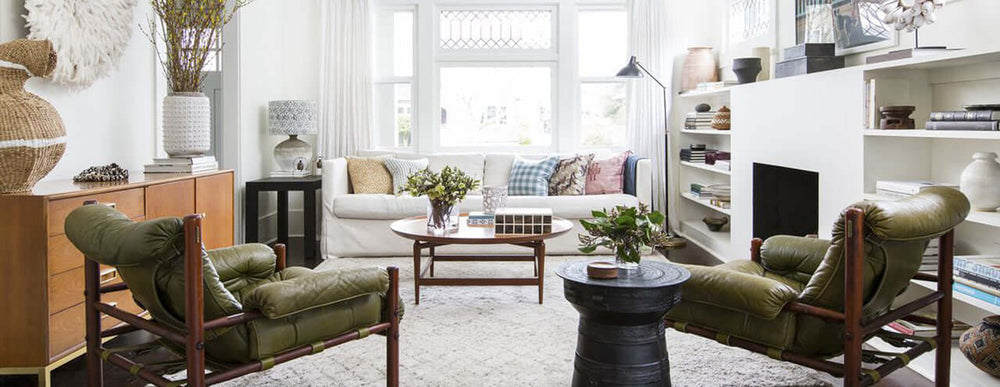
Creating visual balance in a long living room is essential to avoid the space feeling awkward or empty at one end. It helps the room feel inviting and well put together, making it easier for you to relax or entertain. Balancing elements like furniture, color, and texture ensures your space looks cohesive and comfortable.
Symmetry And Asymmetry
Symmetry gives a sense of order and calm by arranging furniture in pairs or mirror images. Placing two identical sofas facing each other or matching chairs on either side of a coffee table creates a balanced focal point. But perfect symmetry can sometimes feel too rigid.
Asymmetry, on the other hand, adds interest and movement. You might pair a large sofa with two smaller chairs on one side and a floor lamp on the other. This uneven setup keeps your eye moving across the room and can make the space feel more dynamic and personalized.
Ask yourself: does the arrangement feel stable but not boring? Finding the right mix of symmetry and asymmetry can transform your long living room into a visually balanced haven.
Color And Texture Coordination
Colors and textures play a huge role in balancing a long living room. Use consistent color themes to tie different areas together and prevent the room from feeling disconnected. For instance, echo a soft blue throw pillow on the sofa with a blue rug or artwork at the other end.
Textures add depth and keep your space from looking flat. Combine smooth leather with cozy knit blankets or a rough jute rug with sleek metal accents. This variation keeps the eye engaged without overwhelming the senses.
Consider how color and texture flow as you move through the room. Are you creating a smooth transition, or do sharp contrasts interrupt the balance? Thoughtful coordination will help your space feel unified and inviting.
Incorporating Lighting
Lighting shapes the mood and function of a long living room. It balances the space and guides the eye through the area. Proper lighting makes the room feel cozy and well-organized. It highlights furniture placement and decor, enhancing the room’s appeal.
Layered Lighting Techniques
Layered lighting uses different types of lights to create depth. Combine ambient, task, and accent lighting for a balanced look.
- Ambient lighting:Provides overall light with ceiling fixtures or recessed lights.
- Task lighting:Focuses on specific areas like reading corners or workspaces using floor or table lamps.
- Accent lighting:Adds drama by highlighting artwork, plants, or architectural features.
This mix allows you to control brightness and mood. It also prevents the room from feeling flat or empty.
Highlighting Key Areas
Use lighting to draw attention to important zones in your living room. For example, spotlight the seating area with pendant lights or wall sconces. Illuminate shelves or display cabinets with LED strips or small spotlights. Brighten pathways to improve safety and flow. This focus creates visual interest and helps define each part of the room clearly.
-1.png)
Adding Personal Touches
Adding personal touches to a long living room transforms the space from simply functional to truly inviting. It reflects your personality and makes the room feel like home. These small details can also break up the length of the room, making it cozier and more balanced.
Decorative Accents
Decorative accents give your living room character and charm. Think about using unique cushions, throws, or rugs that showcase your favorite colors or patterns. These items are easy to switch out if you want to refresh the look later.
Consider placing a statement piece like a vintage clock or an interesting sculpture on a side table. These accents draw the eye and create focal points that prevent the room from feeling too stretched out.
- Use colorful cushions to add warmth.
- Choose a patterned rug to define seating areas.
- Add small sculptures or collectibles on shelves.
Incorporating Art And Plants
Art and plants breathe life into your living room. Hang artwork that speaks to you—whether it’s a bold modern print or a calming landscape. The right art can anchor one end of the room and invite viewers to explore the entire space.
Plants add texture and freshness. Tall plants work well to fill vertical space and soften harsh lines. Smaller plants on window sills or coffee tables bring natural beauty close to you.
Ask yourself: How can these elements reflect what you love? Your favorite painting or a thriving fern can become conversation starters and make the room uniquely yours.
Frequently Asked Questions
How To Create Zones In A Long Living Room?
Divide the room into functional areas using rugs, furniture, and lighting. This helps break the space visually and adds comfort. Use sofas, chairs, or shelves to define zones like seating, reading, or entertainment areas.
What Furniture Shapes Suit A Long Living Room?
Opt for modular and low-profile furniture. Rectangular or oval coffee tables and sectional sofas work well. Avoid bulky or tall pieces that crowd the space or obstruct flow.
How To Maintain Good Traffic Flow In A Long Living Room?
Arrange furniture to allow easy movement along the room’s length. Keep pathways clear and avoid blocking doorways or windows. Position seating areas away from main walkways to prevent congestion.
Can Mirrors Improve A Long Living Room’s Look?
Yes, mirrors reflect light and create an illusion of width. Place large mirrors on shorter walls to visually expand the space. This enhances brightness and adds depth to the room.
Conclusion
Arranging furniture in a long living room can feel tricky but fun. Break the space into smaller areas for comfort and flow. Use rugs and furniture to define each spot clearly. Keep pathways open to avoid clutter and allow easy movement.
Choose furniture that fits well without crowding the room. Bright colors and mirrors can make the space feel larger. With simple steps, your long living room becomes cozy and inviting. Try different layouts until it feels just right for you.