
Your large living room holds endless possibilities, but figuring out how to arrange furniture can feel overwhelming. You want the space to look inviting, feel cozy, and work perfectly for your lifestyle.
What if you could turn that big, empty room into a stunning, comfortable area where every piece fits just right? You’ll discover simple, effective tips to arrange your furniture in a way that makes your living room both beautiful and functional.
Keep reading, and unlock the secret to transforming your large living room into the perfect space for you and your loved ones.
Assessing The Space
Assessing the space is the first step to arrange furniture in a large living room. Understanding the room’s size and shape helps in planning the layout. Careful observation reveals how to use the space efficiently. It creates a comfortable and inviting environment.
Measuring Dimensions
Start by measuring the length and width of the room. Note the height of the ceiling too. Measure doors, windows, and any built-in features. Write down these numbers for quick reference. Use a tape measure or a laser measure for accuracy. Accurate measurements prevent buying furniture that does not fit.
Identifying Focal Points
Find the main focal points in the room. It could be a fireplace, large window, or a TV wall. Arrange furniture around these points. This creates a natural flow and draws attention. Focal points help organize the space and add style.
Considering Traffic Flow
Plan clear pathways for easy movement through the room. Avoid placing furniture in walking routes. Leave at least 2 to 3 feet of space for walking. Traffic flow keeps the room functional and safe. It also helps guests feel comfortable and relaxed.
Choosing A Layout
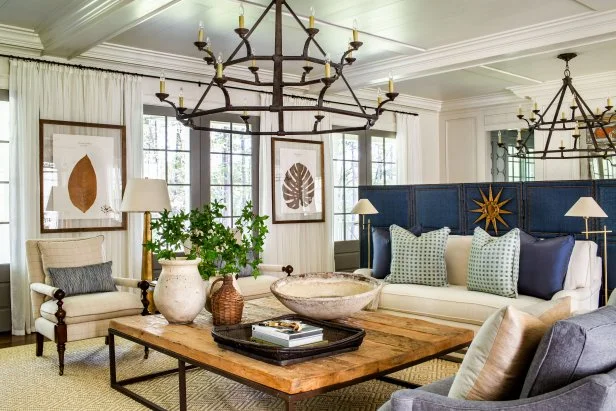
Choosing the right layout is the foundation of arranging furniture in a large living room. The way you organize your space can either make the room feel welcoming and cozy or vast and empty. Before moving any furniture, think about how you want to use the room and how you want people to flow through it.
Open Concept Arrangements
Open concept layouts work well when you want to emphasize spaciousness and easy movement. Arrange your furniture to create a natural flow without blocking pathways. For example, placing a sofa and chairs around a central coffee table can anchor the space without closing it off.
Use rugs or lighting to subtly define the seating area without adding walls or bulky dividers. Open arrangements encourage conversation and make the room feel airy, but make sure you don’t scatter furniture too far apart—keep pieces close enough to connect visually.
Creating Separate Zones
Large living rooms give you the advantage of creating multiple zones for different activities. You could have a reading nook with a comfy chair and lamp, a conversation area with sofas, and even a workspace or play area.
Use furniture placement to carve out these zones naturally. A sectional sofa can divide the space, or a bookshelf can act as a partial room divider. Ask yourself: which activities do you want to support, and how can your layout support smooth transitions between them?
Balancing Symmetry And Asymmetry
Symmetry brings order and calm, while asymmetry adds interest and movement. In a large living room, a symmetrical arrangement might mean matching sofas facing each other with a centered coffee table.
On the other hand, asymmetry could involve placing a large sofa on one side and pairing it with different chairs or ottomans on the other. Think about what mood you want to create and how your eye moves through the room—do you prefer a balanced, predictable look or something more dynamic?
Selecting Furniture
Selecting furniture for a large living room requires thoughtful choices. The right pieces can define the space and create a welcoming atmosphere. Focus on the size, style, and comfort of your furniture to fit the room’s scale and your lifestyle. Choose items that complement each other and serve practical needs. This balance helps make the large space feel cozy and purposeful.
Size And Scale Matters
Large rooms need furniture that matches their size. Small pieces can feel lost and make the room look empty. Choose sofas and chairs with a bigger frame and wider seats. Use larger coffee tables and rugs to fill the space. Avoid overcrowding by keeping a good distance between items. This approach keeps the room balanced and easy to move around.
Mixing Styles And Textures
Mixing different styles adds interest and personality. Combine modern pieces with classic or rustic furniture for a unique look. Use different textures like leather, fabric, wood, and metal. This mix creates depth and warmth in the room. Keep a common color theme to tie everything together. It prevents the space from feeling chaotic or mismatched.
Prioritizing Comfort And Functionality
Comfort is key in a living room. Choose soft cushions and supportive seating for long use. Consider the room’s main activities, like watching TV or entertaining guests. Add versatile furniture like ottomans or side tables that serve multiple purposes. Make sure pathways stay clear for easy movement. Functional furniture makes the room practical and enjoyable every day.
:max_bytes(150000):strip_icc()/9.AJ_1186_287copy-bcf7228f3b6f439da19edd86f1b3ac84.jpg)
Arranging Seating Areas
Arranging seating areas in a large living room can feel overwhelming. You want the space to feel cozy without losing its openness. The key is to create distinct zones that invite conversation and relaxation, while making smart use of the room’s size and shape.
Grouping Sofas And Chairs
Start by clustering sofas and chairs to form intimate conversation spots. Position seating pieces so they face each other or angle slightly inward to encourage interaction.
Try placing a sofa opposite two chairs with a coffee table in the middle. This setup promotes eye contact and easy chatting. Avoid pushing all furniture against the walls—it can make the space feel empty and disconnected.
Think about traffic flow. Leave enough room for people to walk through comfortably without disturbing those seated. Have you noticed how some rooms feel more inviting simply because the furniture arrangement feels natural?
Incorporating Accent Seating
Add variety with accent seats like ottomans, stools, or small benches. These pieces offer flexible seating options and can be moved around as needed.
Place an ottoman near a sofa for a footrest that doubles as extra seating. Use a stylish stool next to a side table for a spot to sit while putting on shoes or reading.
Accent chairs with bold colors or interesting shapes can also add personality. Ask yourself: does this extra seat serve a purpose beyond just looking good?
Using Rugs To Define Spaces
Rugs are powerful tools to visually anchor seating areas. Choose rugs that are large enough for all the main furniture legs to sit on them, or at least the front legs.
This technique creates a unified look and helps separate one seating zone from another. In a big room, multiple rugs can mark different areas without walls or partitions.
Experiment with rug shapes and textures to add warmth and depth. Have you tried layering rugs or mixing patterns to make your living room feel more dynamic?
Maximizing Natural Light
Maximizing natural light in a large living room can completely change the atmosphere. Light makes the space feel open, warm, and inviting. Arranging your furniture thoughtfully lets you make the most of the sunlight pouring in, enhancing both comfort and style.
Positioning Near Windows
Place key seating areas close to windows to capture daylight. A cozy reading nook by the window encourages relaxation while soaking in natural light. Avoid blocking windows with bulky furniture; instead, choose pieces that complement the view and allow light to flow freely.
Think about how the sun moves through your room during the day. Could you arrange your sofa or armchairs to catch morning light or afternoon warmth? Positioning furniture with this in mind invites more light where you spend most of your time.
Choosing Light-friendly Fabrics
Opt for fabrics that reflect light rather than absorb it. Materials like linen, cotton, or silk in light colors brighten your space naturally. If you’ve ever sat on a dark velvet couch in a dim room, you know how heavy it feels—switching to lighter textiles can lift that mood instantly.
Sheer curtains or light drapes let sunlight filter softly without glare. They add privacy while keeping the room glowing. Could swapping heavy curtains for sheer ones be the simple change your living room needs?
Using Mirrors To Reflect Light
Strategically placed mirrors bounce light around the room, making it appear larger and brighter. A large mirror opposite a window doubles the amount of daylight entering your living space. Try hanging mirrors where they catch sunlight but don’t create harsh reflections.
Mirrors also add depth and interest to your decor. You might find a vintage frame or a modern design that complements your style while enhancing brightness. Have you noticed how a well-placed mirror transforms a dull corner into a bright focal point?
Adding Storage And Accessories
Adding storage and accessories to a large living room can transform an open space into a cozy, functional area. The right pieces not only keep your room organized but also add personality and warmth. Think about what you truly need and how these elements can highlight your style while maximizing practicality.
Incorporating Shelving Units
Shelving units are excellent for displaying books, plants, and collectibles while providing much-needed storage. Choose open shelves to keep the room airy or closed cabinets to hide clutter.
Place shelves along empty walls to create visual interest and draw the eye upward, making the space feel balanced. You might try mixing vertical and horizontal shelves to break the monotony and add dimension.
Selecting Coffee And Side Tables
Coffee and side tables should complement your seating arrangement and provide surface space for drinks, snacks, or decorative items. Opt for tables with built-in storage like drawers or shelves for extra functionality.
Think about the material and style that fit your room’s theme. Glass or acrylic tables keep the area feeling open, while wooden pieces add warmth and texture.
Placing Art And Decorative Items
Art and decorations personalize your living room and create focal points. Hang artwork at eye level to maintain a natural flow and avoid overwhelming the walls with too many pieces.
Use decorative items sparingly to prevent clutter. A well-chosen vase, sculpture, or a cluster of candles can provide just the right touch of character and charm.
Maintaining Balance And Flow
Maintaining balance and flow in a large living room keeps the space inviting and comfortable. It helps to create harmony between different furniture pieces and open areas. A well-balanced layout makes the room feel organized and easy to use. Flow ensures smooth movement and prevents the space from feeling crowded or awkward.
Avoiding Clutter
Large rooms can tempt you to fill every corner with furniture. Resist the urge. Leave enough open space to breathe. Choose fewer, larger pieces instead of many small ones. Keep surfaces clear and use storage solutions to hide items. This approach keeps the room looking tidy and spacious.
Allowing Easy Movement
Plan pathways that connect key areas like seating, doors, and windows. Leave at least two to three feet of walking space around furniture. Arrange seating in a way that invites conversation but does not block passages. This makes the room feel open and easy to navigate.
Adjusting Arrangements Over Time
Furniture needs change with lifestyle shifts. Try different layouts to see what works best. Move pieces to create new focal points or open up space. Small changes refresh the room without major effort. Stay flexible and adapt as your needs evolve.

Frequently Asked Questions
How To Optimize Space In A Large Living Room?
To optimize space in a large living room, create distinct zones using rugs, furniture, or lighting. Arrange seating areas for conversation and entertainment. Use multifunctional furniture like ottomans or storage benches. Keep pathways clear to ensure easy movement. Balance the layout with symmetrical or asymmetrical arrangements.
What Furniture Is Best For A Large Living Room?
For a large living room, choose sectional sofas, oversized chairs, and large coffee tables. Consider adding a media console or entertainment center. Use accent chairs or a chaise lounge for additional seating. Incorporate bookshelves or display units to fill space and create interest.
How Do I Arrange Furniture For Conversation?
Arrange furniture in a way that encourages face-to-face interaction. Place sofas and chairs opposite or adjacent to each other. Avoid placing seating too far apart. Use a central point, like a coffee table, to anchor the arrangement. Ensure there’s enough space for easy movement between pieces.
Can I Use Rugs In A Large Living Room?
Yes, rugs can define spaces and add warmth to a large living room. Choose a rug that complements your furniture and decor. Ensure it’s large enough to fit under all main furniture pieces. Layer rugs for added texture and interest.
Rugs also help in delineating different zones.
Conclusion
Arranging furniture in a large living room takes planning and care. Think about how you want to use the space. Create different areas for relaxing, talking, and other activities. Choose furniture that fits well without crowding the room. Leave enough space to walk around easily.
Add rugs or lighting to define each area. Keep the style simple and balanced. This way, your large living room feels cozy and inviting. Enjoy making the space your own!