
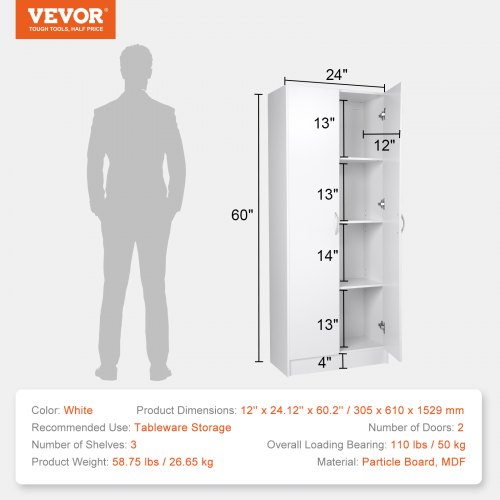
Have you ever wondered how tall a kitchen cabinet should be? Whether you’re remodeling your kitchen or just curious about the perfect cabinet height, knowing the right measurements can make a big difference.
The height of your kitchen cabinets affects not only how your kitchen looks but also how comfortable and efficient it feels when you cook or store items. You’ll discover the standard heights, how to choose the best size for your space, and tips to make your kitchen work better for you.
Keep reading to find out everything you need to know about kitchen cabinet heights!
Standard Kitchen Cabinet Heights
Standard kitchen cabinet heights create a balanced and functional workspace. These heights fit most people and allow easy access to storage areas. Knowing standard sizes helps plan your kitchen layout effectively. It also ensures your cabinets match appliances and countertops perfectly.
Base Cabinet Dimensions
Base cabinets usually stand 34.5 inches tall. With a countertop, the total height becomes 36 inches. This height suits most users for comfortable food preparation. Base cabinets typically measure 24 inches deep. The width varies from 9 to 48 inches, depending on the kitchen design.
Wall Cabinet Sizes
Wall cabinets sit above the base cabinets. Their standard height ranges from 30 to 42 inches. Depth is usually 12 inches to avoid crowding the workspace. The width of wall cabinets matches base cabinets. They provide ample storage for dishes, glasses, and pantry items.
Tall Cabinet Measurements
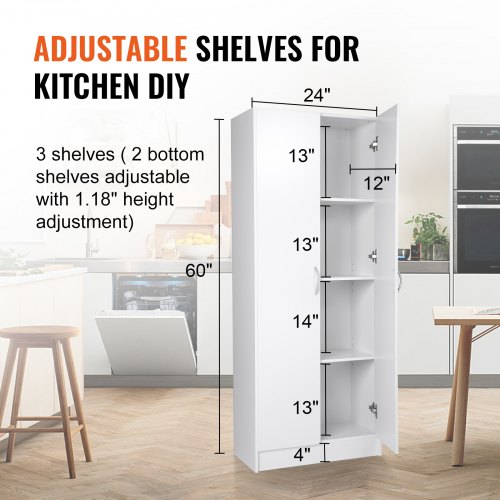
Tall cabinets extend from floor to ceiling or near it. Their height commonly ranges from 84 to 96 inches. Depth is similar to base cabinets, around 24 inches. Tall cabinets offer extra storage for pantry items and large kitchen tools. They help maximize vertical space in small kitchens.

Credit: www.yahoo.com
Factors Affecting Cabinet Height
Kitchen cabinet height varies based on several important factors. These factors ensure cabinets fit well and provide comfort and functionality. Understanding these elements helps in choosing the right cabinet height for your kitchen.
User Height And Comfort
Cabinet height depends on the user’s height for easy reach. Taller people may need higher cabinets. Shorter users benefit from lower cabinets to avoid stretching or straining. Comfort during cooking and cleaning is key. Proper height reduces fatigue and increases efficiency.
Kitchen Layout And Space
The kitchen’s layout affects cabinet height choices. Small kitchens may require shorter cabinets to keep space open. Larger kitchens allow for taller cabinets, offering more storage. Ceiling height also matters. Cabinets should fit without crowding the room or looking awkward.
Appliance Integration
Cabinet height must match appliance sizes and placements. Built-in ovens, microwaves, and refrigerators need specific clearances. Cabinets around appliances must align perfectly. This avoids gaps and ensures smooth kitchen workflow. Proper integration makes the kitchen look neat and organized.
Custom Cabinet Heights
Custom cabinet heights offer the flexibility to tailor your kitchen storage to fit your lifestyle perfectly. Standard kitchen cabinets often don’t meet everyone’s unique needs. Adjusting the height can make a big difference in how comfortable and functional your kitchen feels.
Adjusting For Accessibility
Think about who uses your kitchen the most. If you or a family member have limited mobility, customizing cabinet heights can make reaching items safer and easier. Lowering upper cabinets or raising base cabinets can reduce the need to stretch or bend.
Custom heights also help if you use a wheelchair or have shorter stature. Have you noticed how frustrating it is to struggle for that top shelf? Changing cabinet heights can eliminate that daily hassle.
Accommodating Storage Needs
Your storage needs might not fit the standard cabinet sizes. Taller cabinets can hold large pots, baking trays, or bulk pantry items that won’t fit in typical spaces. On the other hand, shorter cabinets can open up wall space for additional lighting or artwork.
Think about the items you use most. Do you need deep shelves for big appliances or narrow spaces for spices? Custom cabinet heights let you organize your kitchen exactly how you want it.
Design Aesthetics
Custom heights affect how your kitchen looks just as much as how it functions. Taller cabinets can create a grand, seamless look by reaching the ceiling, reducing dust buildup on top. Meanwhile, shorter cabinets can make a kitchen feel more open and airy.
Ask yourself: Do you want a cozy, traditional feel or a sleek, modern vibe? Adjusting cabinet heights helps balance your style with practicality, so your kitchen is both beautiful and livable.
Credit: www.vevor.ca
Measuring For Kitchen Cabinets
Measuring for kitchen cabinets is a crucial step that sets the foundation for a smooth installation and a stylish, functional kitchen. Taking accurate measurements helps you avoid costly mistakes and ensures that your cabinets fit perfectly in your space. Let’s break down what you need and how to get those measurements just right.
Tools Required
- Tape Measure:A sturdy, retractable tape measure is essential for precise measurements.
- Level:Ensures your measurements are straight and your cabinets will hang evenly.
- Notepad and Pen:To jot down measurements immediately and avoid forgetting them.
- Laser Measure (Optional):Helpful for quick, highly accurate distance measurements, especially in larger kitchens.
- Step Stool or Ladder:To reach higher spots safely when measuring upper cabinet spaces.
Step-by-step Measurement Guide
Start by measuring the overall height, width, and depth of your kitchen walls where the cabinets will go. Measure from floor to ceiling, and then note any obstructions like windows, doors, or vents.
Next, measure the height from the floor to the countertop level. This helps determine the height for your base cabinets. Then, measure the space between the countertop and the ceiling for your upper cabinets.
Don’t forget to check the depth of existing countertops or the space where new ones will be installed. Also, measure the thickness of walls or any protrusions that could affect cabinet placement.
Common Mistakes To Avoid
- Ignoring Wall Irregularities:Walls aren’t always perfectly straight. Measure at multiple points and use the smallest measurement to avoid gaps.
- Skipping Appliance Spaces:Make sure to account for space around refrigerators, ovens, and dishwashers for proper fit and ventilation.
- Forgetting to Double-Check:Always measure twice or thrice to confirm accuracy. A small error can lead to big problems during installation.
- Not Considering Door Swings:Measure door openings and cabinet door swings to ensure nothing blocks movement or access.
Have you ever measured a space only to realize the new cabinet didn’t fit? Careful measuring avoids that frustration and makes your kitchen upgrade a success.
Height Tips For Different Kitchen Styles
Choosing the right height for kitchen cabinets can enhance functionality and style. Different kitchen styles require different cabinet heights. These tips can help you find the perfect fit for your kitchen style.
Modern Kitchens
Modern kitchens favor sleek lines and minimalism. Standard upper cabinets are 30 to 42 inches tall. Floor-to-ceiling cabinets create a seamless look. Consider cabinet heights that align with appliances. For instance, align with the top of your fridge or oven. This maintains a clean, uninterrupted line.
Traditional Kitchens
Traditional kitchens often feature detailed cabinetry. These styles work well with taller upper cabinets. Heights of 36 to 42 inches are common. Crown moldings add elegance and height. Be sure to match cabinet heights with room size. Larger kitchens can handle taller cabinets. Smaller traditional kitchens benefit from medium heights.
Small Space Solutions
In small kitchens, every inch counts. Opt for compact cabinets to maximize space. Upper cabinets of 30 inches fit well in smaller spaces. Choose cabinets with added storage features. Consider pull-out racks or corner carousels. These solutions offer more storage in limited areas. Compact designs help maintain an open feel.
Credit: www.vevor.ca
Impact Of Cabinet Height On Kitchen Functionality
The height of kitchen cabinets plays a crucial role in how well a kitchen works. It affects how easy and safe it is to use the kitchen, how much stuff you can store, and how the space looks overall. Choosing the right cabinet height can make cooking and cleaning faster and more comfortable. It also helps keep the kitchen organized and pleasant to be in.
Ergonomics And Safety
Cabinets set at the right height reduce strain on your back and arms. Reaching too high or bending too low can cause discomfort or injuries. Proper height keeps frequently used items within easy reach. This setup lowers the risk of accidents from climbing or stretching. Safe access to cabinets ensures a smooth workflow in the kitchen.
Storage Efficiency
Cabinet height impacts how much you can store inside. Taller cabinets offer more space for rarely used items. Shorter cabinets keep everyday items handy and easy to grab. Mixing different heights can optimize storage for all needs. Efficient storage helps keep counters clean and the kitchen clutter-free.
Visual Balance
The height of cabinets affects the overall look of the kitchen. Cabinets that are too tall can overwhelm the room. Too short, and the space may feel empty or incomplete. Balanced cabinet height creates harmony between appliances, counters, and walls. This balance makes the kitchen inviting and well-designed.
Frequently Asked Questions
What Is The Standard Height Of Kitchen Cabinets?
The standard height for base kitchen cabinets is 34. 5 inches. Wall cabinets typically range from 30 to 42 inches tall. These sizes fit most kitchen designs and provide comfortable storage and workspace.
How Tall Are Kitchen Wall Cabinets Usually?
Kitchen wall cabinets usually measure between 30 and 42 inches in height. This range allows for efficient storage while maintaining easy access and a balanced kitchen look.
Can Kitchen Cabinet Height Be Customized?
Yes, kitchen cabinet height can be customized. Homeowners often adjust cabinet heights to fit ceiling height or personal preference. Custom sizes help maximize storage and improve kitchen ergonomics.
Why Does Kitchen Cabinet Height Matter?
Kitchen cabinet height affects storage capacity and workspace comfort. Proper height ensures easy reach and efficient kitchen workflow. It also impacts the overall kitchen design and aesthetics.
Conclusion
Kitchen cabinet height affects both style and function. Standard heights fit most kitchens well. Custom heights help with special needs or spaces. Choose the right height for comfort and storage. Good measurements save time and money later. A well-sized cabinet makes cooking easier and more fun.
Keep these tips in mind for your kitchen project. Your kitchen will look balanced and work better. Simple steps lead to a great kitchen space.