

Thinking about giving your entire house a fresh coat of paint? You’re probably wondering, “How much will it actually cost?” Painting your home is a big job, and knowing the price upfront can save you time, stress, and unexpected expenses.
Whether you want to boost your home’s value or simply refresh your space, understanding the costs involved is key to making the right decisions. Keep reading, and you’ll discover everything you need to budget smartly for painting your entire house—no surprises, just clear answers.
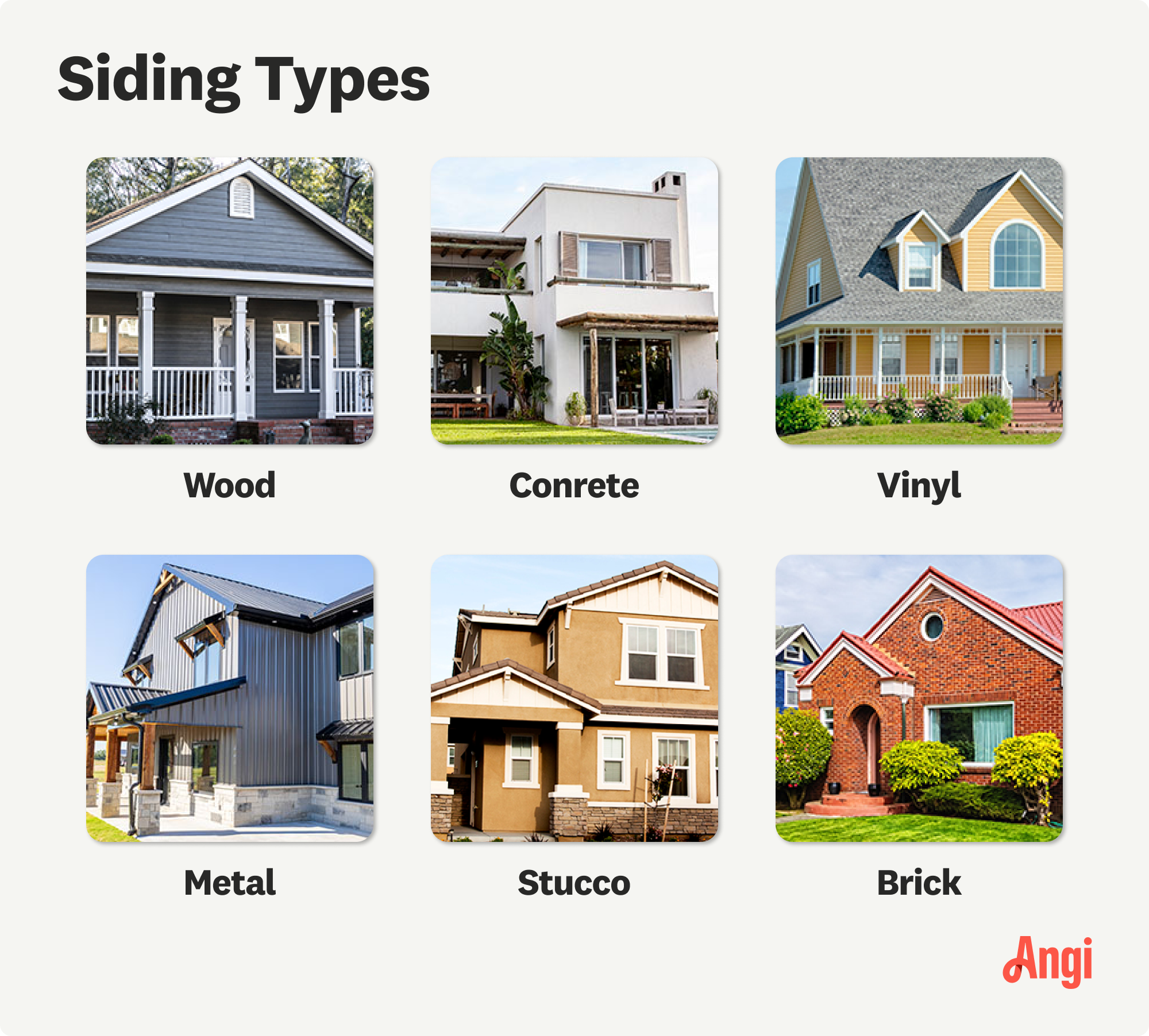
Credit: www.angi.com
Factors Affecting Painting Costs
Understanding the cost of painting an entire house involves several factors. Each element contributes to the overall expense. Knowing these can help plan your budget effectively.
House Size And Layout
The size of the house greatly impacts painting costs. Larger homes require more paint and time. The layout also matters. Complex designs or multiple stories can increase labor time. Simple layouts often cost less to paint.
Surface Condition
Surface condition affects the amount of prep work needed. Walls with cracks or peeling paint need more work. Smooth, clean surfaces reduce preparation time and costs. Proper surface prep ensures paint adheres well and lasts longer.
Type Of Paint
The type of paint can change the total cost. High-quality paints last longer but cost more. They often require fewer coats, saving on labor. Cheaper paints may need more coats and maintenance.
Labor Expenses
Labor is a major cost factor in painting. Skilled painters may charge more but work efficiently. Local labor rates vary, affecting overall costs. Getting multiple quotes can help find the best price.
Additional Repairs
Additional repairs can increase painting costs. Damaged walls or trim may need fixing before painting. This ensures a smooth, professional finish. Addressing repairs early can prevent future issues.
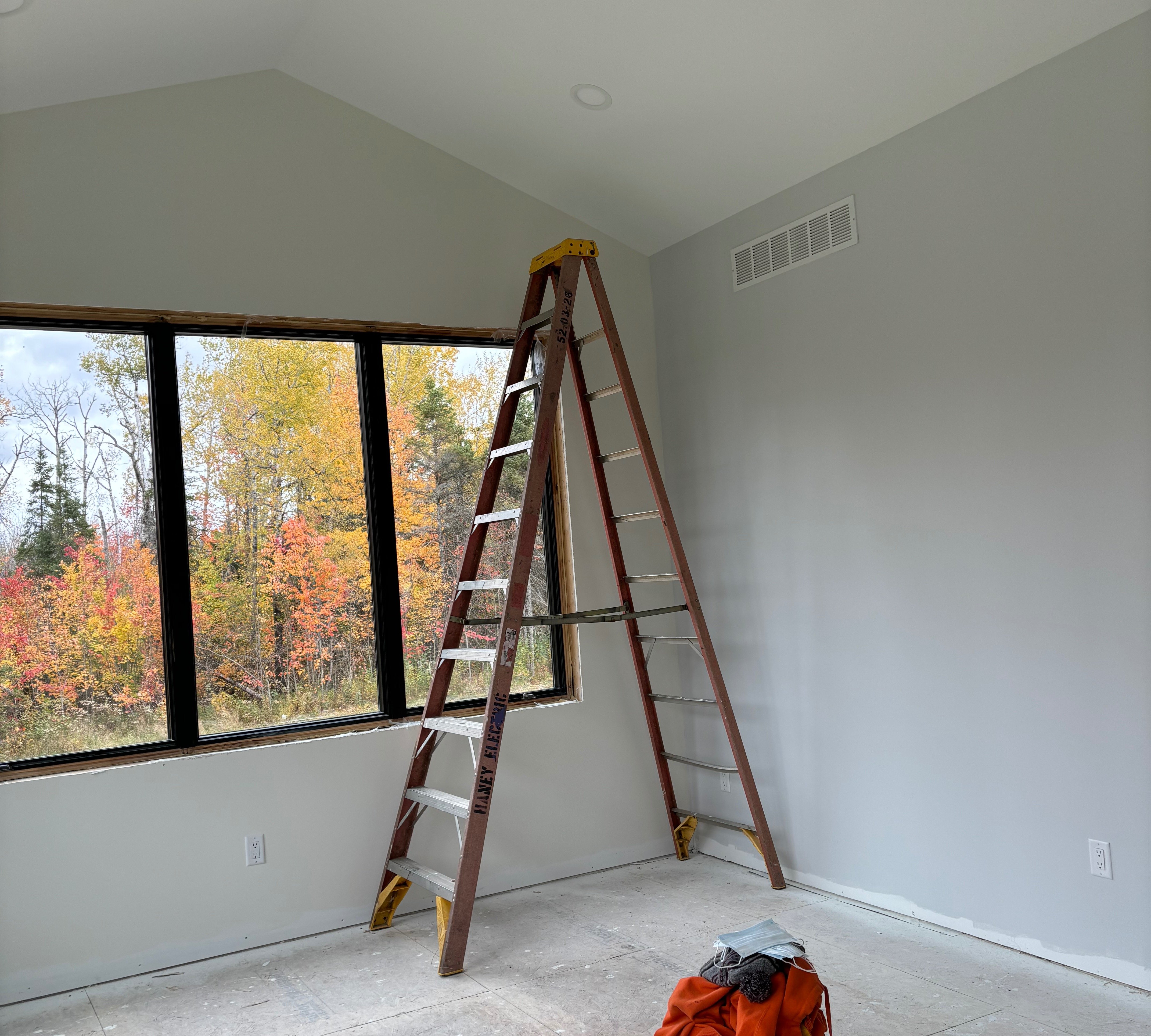
Credit: goldenvibehome.com
Exterior Painting Costs
Painting the exterior of a house involves several cost factors. These costs depend on the size of the house and the materials used. Labor and surface preparation also impact the final price. Knowing these details helps plan your budget accurately. Understanding what affects exterior painting costs makes the process easier.
Material Choices
Paint type influences both cost and durability. Premium paints last longer but cost more upfront. Latex paint is common and affordable. Oil-based paint offers better coverage but requires more prep. Specialty coatings protect against weather damage. Selecting the right material balances price and quality.
Preparation And Priming
Proper surface preparation ensures paint lasts longer. Cleaning, sanding, and repairing damage are necessary steps. Old paint removal can add to the cost. Priming creates a smooth base and improves adhesion. Skipping prep work may reduce upfront cost but leads to faster paint failure.
Average Price Ranges
| House Size (sq ft) | Cost Range |
|---|---|
| 1,000 – 1,500 | $1,500 – $3,000 |
| 1,500 – 2,500 | $3,000 – $5,000 |
| 2,500 – 3,500 | $5,000 – $7,500 |
Costs vary by region and contractor rates. Larger homes require more paint and labor. Complex designs or multiple colors also raise prices.
Seasonal Cost Variations
Painting costs fluctuate throughout the year. Summer is peak season, often with higher prices. Winter offers lower rates but risks weather delays. Spring and fall provide moderate costs and good conditions. Planning the project during off-peak months can save money.
Interior Painting Costs
Painting the interior of a house is a popular way to refresh its look. Costs vary widely depending on many factors. Knowing what affects the price helps plan the budget better.
Interior painting costs depend on the size and number of rooms. Different areas need different amounts of paint and labor. The type of paint and surface condition also matter. Small details and trim work add to the final cost.
Room-by-room Pricing
Each room has unique painting needs. Larger rooms require more paint and time. Kitchens and bathrooms often need special paint for moisture resistance. Living rooms and bedrooms usually cost less per square foot.
- Small rooms: $200–$400
- Medium rooms: $400–$700
- Large rooms: $700–$1,200
Prices include walls and ceilings but may vary with prep work needed.
Paint Finishes
Paint finish affects cost and appearance. Common finishes include:
- Matte – hides imperfections, often cheaper
- Eggshell – slight sheen, durable for living spaces
- Satin – smooth, good for high-traffic areas
- Semi-gloss – shiny, easy to clean, used on trim
- Gloss – very shiny, highlights details but shows flaws
Higher gloss paints cost more but last longer.
Wall And Ceiling Considerations
Ceilings often need separate paint and extra preparation. Textured or popcorn ceilings increase labor costs. Walls with damage require patching before painting. Smooth walls are easier and cheaper to paint.
Paint quality also affects price. Premium paints cover better and need fewer coats.
Trim And Detail Work
Trim, baseboards, crown molding, and doors need precise painting. This work takes more time and skill. Detailed areas use semi-gloss or gloss paint for a clean look. Expect higher costs for extensive trim and detailed work.
Diy Vs Professional Painting
Deciding whether to paint your entire house yourself or hire a professional can significantly impact your budget, timeline, and the final look. Both options have their merits and challenges, so it’s important to weigh what matters most to you. Understanding the differences in cost, effort, quality, and safety can help you make a smart choice for your home.
Cost Savings Analysis
Doing the painting yourself can save you a lot of money upfront. You only pay for supplies like paint, brushes, rollers, and tape, which are often much cheaper than labor costs. However, professionals bring efficiency and experience that might reduce waste and the need for costly touch-ups later.
Think about the value of your time too. If your weekends are packed, the hours spent painting might add up to more than the cost of hiring someone. Sometimes, the savings aren’t just about dollars but also about what you might give up in your free time.
Time And Effort
Painting your entire house is a big project that demands significant time and physical effort. It’s not just about slapping paint on walls; it involves prep work like cleaning, sanding, and taping. If you enjoy hands-on projects and have the stamina, it can be rewarding.
On the other hand, professional painters typically complete the job faster thanks to their expertise and tools. This means less disruption to your daily life. Ask yourself if you have the time and energy to commit to this task without burning out.
Quality And Durability
Professional painters have honed their skills to provide smooth, even coats that last longer. They know how to handle tricky spots, avoid drips, and choose the best type of paint for different surfaces. This attention to detail can save you from frequent repainting.
DIY projects sometimes result in uneven coverage or missed areas, especially if you’re inexperienced. However, with patience and proper research, you can achieve a good finish yourself. Would you be willing to invest extra time to match professional quality?
Safety Concerns
Painting a whole house often means working on ladders, scaffolding, or hard-to-reach spots. Professionals are trained to handle these safely and have the right equipment to prevent accidents. Without this knowledge, you risk falls or exposure to harmful fumes.
If you choose the DIY route, consider your comfort with heights and handling chemicals. Taking safety precautions seriously can protect you and your family. How confident are you in managing these risks on your own?
Ways To Save On Painting
Painting your entire house can be a significant expense, but there are smart ways to cut costs without sacrificing quality. You might be surprised how timing, buying strategies, and smart contractor choices can save you hundreds or even thousands. Plus, simple maintenance tricks can keep your paint job looking fresh longer, stretching every dollar further.
Choosing The Right Time
Prices for paint and labor can fluctuate throughout the year. You can save a lot by scheduling your painting project during the off-season, usually late fall or winter, when contractors have fewer jobs lined up. Have you checked if your local painters offer discounts during these quieter months?
Additionally, buying paint during sales or clearance events can reduce your material costs. Keep an eye on local hardware stores or online retailers for seasonal deals or bulk purchase promos.
Bulk Material Discounts
Buying paint and supplies in bulk often lowers the price per gallon. If you plan to paint multiple rooms or the entire house, purchasing larger quantities at once makes financial sense.
Some stores offer special discounts or reward points for bulk purchases—don’t hesitate to ask about these perks. Also, consider teaming up with neighbors or friends who need similar supplies to share costs.
Hiring Local Contractors
Local painters usually have lower overhead costs compared to big companies, which can translate to better prices for you. They’re more familiar with local weather and materials, ensuring a job done right the first time.
Look for contractors with strong community ties and good reviews. Sometimes, smaller local businesses offer flexible payment plans or discounts for referrals, which can further reduce expenses.
Maintenance Tips
Keeping your paint in good shape can delay the need for costly repainting. Regularly clean surfaces with mild soap and water to prevent dirt buildup and mold growth.
Inspect your home for cracks or chips and repair them quickly to stop damage from spreading. Simple actions like trimming plants away from walls can also protect your paint from premature wear.
Common Painting Mistakes To Avoid
Painting your entire house can be a rewarding project, but it’s easy to make mistakes that cost time and money. Avoiding common pitfalls helps you get the best results and keeps your budget in check. Let’s look at some frequent painting errors and how you can steer clear of them.
Skipping Surface Prep
Surface preparation is the foundation of a quality paint job. If you skip cleaning, sanding, or patching holes, the paint won’t stick properly or last long.
Think about the last time you painted a small room. Did you notice peeling or bubbling paint? That’s often a sign of poor prep. Taking time to prep surfaces can add days but saves you from redoing the work later.
Using Low-quality Paint
Choosing cheap paint might seem like a good way to save money upfront, but it usually backfires.
Low-quality paint tends to fade quickly, chip easily, and may require multiple coats. Spending a bit more on premium paint reduces the need for touch-ups and keeps your walls looking fresh longer.
Ignoring Weather Conditions
Painting in the wrong weather can ruin your efforts. High humidity or extreme temperatures affect how paint dries and adheres.
Have you ever noticed streaks or uneven finishes after painting on a humid day? That’s why it’s smart to plan painting on dry days with mild temperatures. This simple timing choice can save you from costly mistakes.
Underestimating Labor Needs
Many homeowners think painting a whole house is a weekend project. It’s not just the painting but all the prep, moving furniture, and cleanup that take time.
Ask yourself: Do you have enough help, or should you hire professionals? Underestimating labor can lead to rushed work and poor results, which might cost more in the long run.
Estimating Your Painting Budget
Estimating your painting budget helps avoid surprises during your project. It guides your spending and keeps your plan on track. A clear budget allows you to decide between DIY or hiring professionals.
Gathering Quotes
Request multiple quotes from painters to compare prices. Ensure each quote covers the same work scope for accuracy. Ask for details about labor, paint brands, and any extra fees. This helps identify the best value for your budget.
Calculating Material Needs
List all materials required, such as paint, brushes, rollers, and tape. Calculate paint quantity based on your house size and number of coats. Choose paint types suitable for indoor or outdoor use. Don’t forget primer if your walls need it.
Planning For Contingencies
Set aside extra money for unexpected expenses like repairs or extra coats. Weather delays or surface problems can increase costs. A 10-15% contingency fund is a safe estimate. This prevents stress and project delays.
Setting Realistic Expectations
Know that cheaper options may lower quality or durability. High-quality paint and skilled labor last longer but cost more upfront. Balance your budget with your desired finish and longevity. Clear expectations avoid disappointment later.
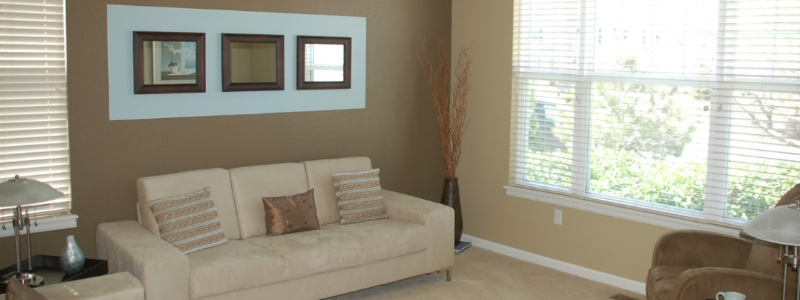
Credit: coloradopainting.com
Frequently Asked Questions
How Much Does It Cost To Paint An Entire House?
The cost to paint a whole house ranges from $1,500 to $4,000. Prices depend on house size, paint quality, and labor costs.
What Factors Affect The Total House Painting Cost?
Costs vary by house size, surface prep, paint type, labor rates, and location. Extra repairs increase the overall price.
How Long Does It Take To Paint A Whole House?
Painting a whole house typically takes 3 to 7 days. Time depends on house size, weather, and crew efficiency.
Can I Reduce House Painting Costs By Diy?
DIY painting can save money but requires time and skill. Mistakes may cause extra expenses and longer completion time.
Conclusion
Painting your entire house depends on many factors like size and paint quality. Costs vary, so plan your budget carefully. Hiring professionals can save time and ensure a good finish. Doing it yourself might lower expenses but takes effort. Always get multiple quotes before starting the job.
A fresh coat of paint improves your home’s look and value. Taking these steps helps you make the best choice for your home. Simple planning leads to better results and less stress.