
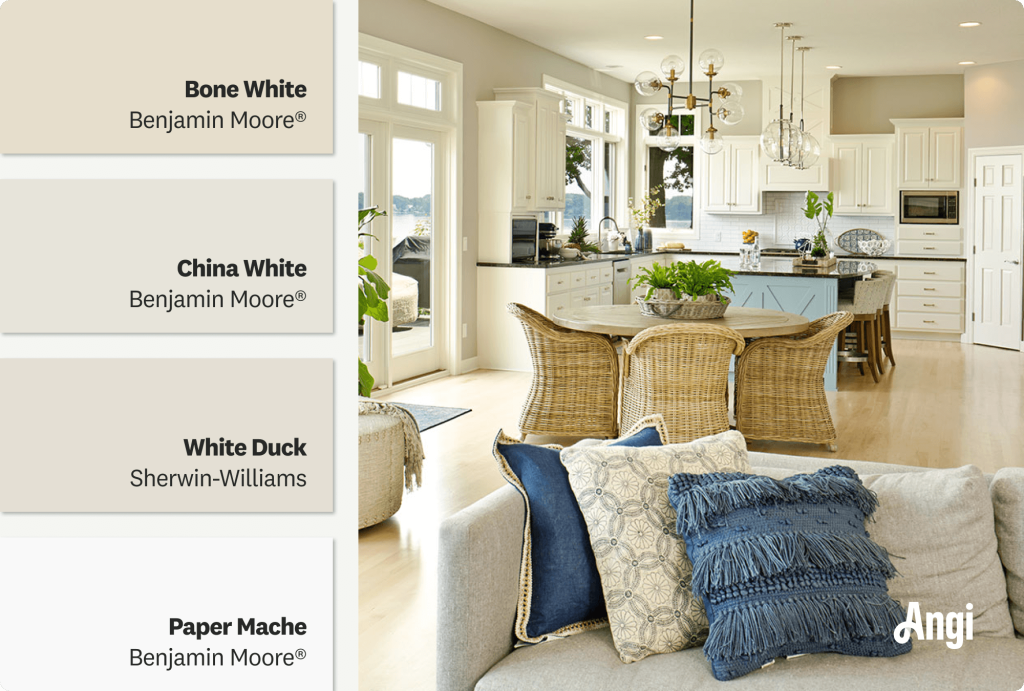
Are you thinking about giving your living room and dining room a fresh new look with a coat of paint? You might be wondering, “How much will it actually cost?” Painting these key spaces can transform your home, but knowing the price upfront helps you plan better and avoid surprises.
You’ll discover what influences the cost, how to save money, and what to expect from professional painters versus doing it yourself. Keep reading to get clear, simple answers that make your painting project stress-free and budget-friendly.
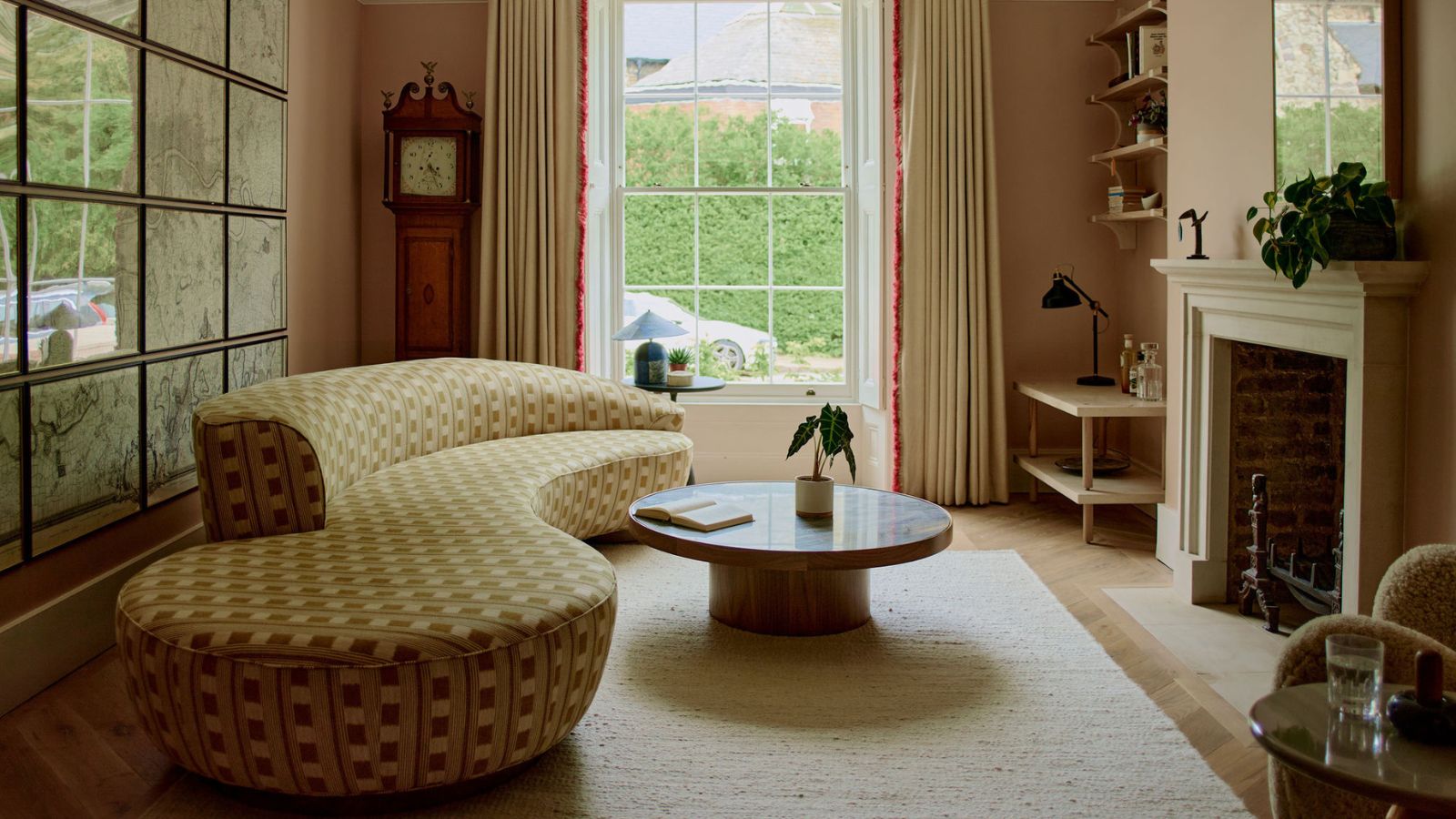
Credit: www.homesandgardens.com
Factors Affecting Paint Cost
Understanding the factors that affect the cost of painting your living room and dining room can help you budget better and avoid surprises. Paint costs vary widely based on different elements, from the size of your rooms to the type of paint you choose. Knowing these details puts you in control of your project and helps you make smarter decisions.
Room Size And Dimensions
The size of your living and dining rooms directly impacts the amount of paint you’ll need. Larger rooms require more paint, which increases the overall cost. Don’t forget to measure wall height as well; higher walls mean more surface area to cover.
Odd shapes or architectural features like alcoves and built-in shelves can also add to the painting time and materials needed. Have you measured all corners and recesses? Overlooking these can lead to underestimating costs.
Type Of Paint And Finish
Paint comes in various types and finishes, each with its price range. Premium paints offer better coverage and durability but cost more upfront. Choosing between matte, satin, or glossy finishes will also affect the price.
Think about the room’s function—dining rooms may benefit from washable finishes due to potential spills, while living rooms might prioritize a softer look. What balance of quality and cost fits your lifestyle?
Surface Preparation Needs
Surface condition plays a major role in painting cost. If walls have cracks, peeling paint, or stains, expect to spend extra on prep work. This may include sanding, patching, or priming before applying paint.
Skipping preparation can lead to a poor finish and costly repairs later. Have you inspected your walls for damage? Addressing these issues upfront saves money in the long run.
Labor Charges And Rates
Labor costs vary depending on your location and the painter’s experience. Skilled professionals may charge more but often deliver a higher quality finish faster. Some charge hourly rates, while others provide fixed quotes based on the job.
Consider getting multiple quotes to compare. Are you willing to pay more for speed and expertise, or prefer a budget-friendly option with less experience?
Additional Materials And Supplies
Besides paint, other materials add to the total cost. These include brushes, rollers, painter’s tape, drop cloths, and ladders. If your project requires special tools or scaffolding, expect higher expenses.
Sometimes, small items like painter’s tape can be overlooked but impact the final price. Do you have the necessary supplies on hand, or will you need to buy everything new?
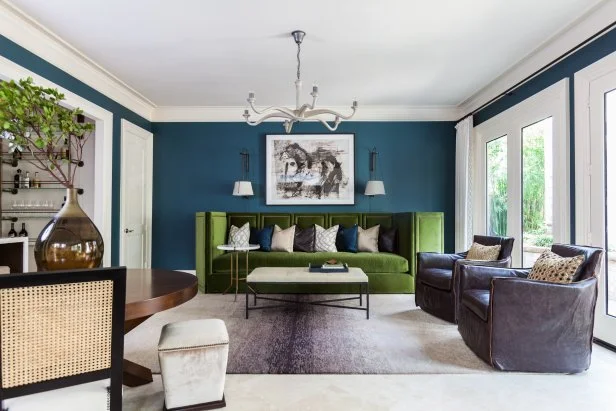
Credit: www.hgtv.com
Cost Breakdown For Living Room Painting
Understanding the cost breakdown for painting a living room helps plan your budget. Painting costs depend on room size, paint quality, and labor. Knowing these details can save money and avoid surprises.
Average Price Per Square Foot
Most painters charge between $1.50 and $3.50 per square foot. This price includes labor and materials. Higher prices usually mean better paint or more detailed work. Some rooms may cost more if walls need repair before painting.
Typical Total Cost Range
For an average 12×18 foot living room, expect to pay between $300 and $700. This range covers basic painting jobs with standard paint. Extra features like trim painting or multiple colors increase the cost. Larger rooms or high ceilings also raise expenses.
Diy Vs Professional Painting Costs
- DIY Painting:Costs mostly include paint and supplies. Expect to spend $100 to $250 on paint, brushes, and rollers.
- Professional Painting:Includes labor, materials, and cleanup. Costs range from $300 to $700 or more.
- DIY saves money but takes time and effort. Professionals work faster and offer quality results.
Cost Breakdown For Dining Room Painting
Understanding the costs involved in painting a dining room helps plan your budget well. Many factors affect the final price, such as room size, paint quality, and labor. Breaking down these costs gives a clearer picture of what to expect.
Average Price Per Square Foot
Painting a dining room typically costs between $1.50 and $4.00 per square foot. This price includes surface preparation, primer, and two coats of paint. Higher-end paints or complex wall textures can increase the cost.
Typical Total Cost Range
The total cost for painting a dining room usually falls between $300 and $900. Small rooms on the lower end, larger or more detailed rooms on the higher side. This estimate covers labor, materials, and cleanup.
Diy Vs Professional Painting Costs
Doing the painting yourself saves money but requires time and effort. Expect to spend $50 to $150 on paint and supplies for an average dining room. Hiring a professional costs more but ensures quality and speed. Professionals charge for labor, which can be $200 to $700 or more depending on the job size.
Ways To Save On Painting Expenses
Saving money on painting your living room and dining room doesn’t mean you have to sacrifice quality. There are smart strategies that can keep costs down while still giving your space a fresh, vibrant look. Let’s look at some practical ways to cut down your painting expenses without compromising the outcome.
Choosing Budget-friendly Paint Options
Paint quality varies widely, but you don’t always need the most expensive brand. Many affordable paints now offer good coverage and durability. Look for paints labeled as “value” or “economy” lines from reputable brands—they often provide excellent results for less.
Consider buying paint in larger quantities if you have multiple rooms to cover. Bulk purchases can lower the price per gallon. Also, check for sales or discounts at local hardware stores or online retailers.
Preparing The Room Yourself
Proper preparation is key to a professional-looking paint job, but hiring someone for this can add up. You can save a significant amount by doing the prep work yourself. Tasks like cleaning walls, taping edges, and moving furniture don’t require special skills.
Spending time on preparation means fewer mistakes and less paint wasted. You might find that the effort pays off when the paint goes on smoothly and lasts longer. Have you set aside time to prep before? It might surprise you how much you can save.
Hiring Local Painters
National painting companies often charge premium rates. Local painters can offer competitive prices, sometimes with more personalized service. Check reviews and ask for quotes from several local professionals to compare prices and services.
Local painters may also be more flexible with scheduling and willing to negotiate. Don’t hesitate to ask if they offer package deals for painting multiple rooms. This can reduce the overall cost significantly.
Timing Your Project For Discounts
Painting contractors and stores often have slower seasons when business dips. Scheduling your project during these times can lead to discounts or special offers. Late fall and winter, for example, might be less busy for painters.
Keep an eye out for holiday sales or clearance events on paint supplies. Planning ahead and booking early can sometimes secure better rates. Could shifting your timeline save you a few hundred dollars?
Additional Painting Considerations
Painting your living room and dining room involves more than just picking a color and rolling on paint. Several factors can affect the cost and effort required. Considering these additional painting elements beforehand helps you budget better and avoid surprises.
Dealing With High Ceilings And Trim
High ceilings add drama to a room but also increase painting costs. You’ll need ladders or scaffolding, which means more labor time and possibly rental fees. Don’t forget that trim around doors, windows, and baseboards requires careful, detailed work that takes more time than flat walls.
Think about your ceiling height and trim complexity. Are you prepared for the extra effort or cost? Sometimes, painting just the walls and leaving ceilings or trim for later can save money upfront.
Handling Wall Repairs And Priming
Before painting, any holes, cracks, or dents need fixing. Skipping this step can make your fresh paint look uneven and unprofessional. Priming is often necessary, especially if you’re covering dark colors or painting raw drywall.
Ask yourself if your walls are in good shape or if they need prep work. How much repair and priming is involved can significantly affect your overall cost and timeline.
Color Selection Impact On Cost
Not all paints are created equal. Some colors require multiple coats to achieve full coverage, which means more paint and more labor. Dark or bright colors often need a primer or special paint formulas that cost more than standard shades.
Are you choosing a trendy bold color or a classic neutral? Your choice can increase paint quantity and application time, so factor that into your budget. Sometimes, selecting a slightly lighter or softer tone can save money while still refreshing your space.

Credit: www.veranda.com
Frequently Asked Questions
How Much Does It Cost To Paint A Living Room?
The cost to paint a living room typically ranges from $350 to $850. Factors influencing the price include the room size, paint type, and labor costs. Hiring a professional painter may increase expenses, but ensures quality. Always consider multiple quotes to find the best deal.
What Affects The Painting Cost?
Several factors affect painting costs, including room size, paint quality, and labor fees. Larger rooms require more paint and time, increasing costs. High-quality paints may be more expensive but last longer. Hiring experienced painters might raise expenses but ensures a professional finish.
How Long Does Painting A Living Room Take?
Painting a living room usually takes one to two days. This timeframe includes preparation, priming, and painting. Drying time between coats is essential for the best results. Hiring professionals might expedite the process while ensuring quality. Factors like room size and complexity can affect timing.
Is It Cheaper To Paint Yourself Or Hire A Professional?
Painting yourself is generally cheaper than hiring professionals. DIY painting saves on labor costs but requires time and effort. Professionals provide expertise and ensure a quality finish, which might justify the higher expense. Consider your budget and skill level when deciding between DIY and hiring help.
Conclusion
Painting a living room and dining room can fit many budgets. Costs depend on size, paint quality, and labor rates. Choosing the right paint and painter helps control expenses. Planning ahead avoids surprises and keeps the project smooth. A fresh coat of paint brightens your home and lifts mood.
Now you know what to expect for your painting costs. Time to start your painting project with confidence.