
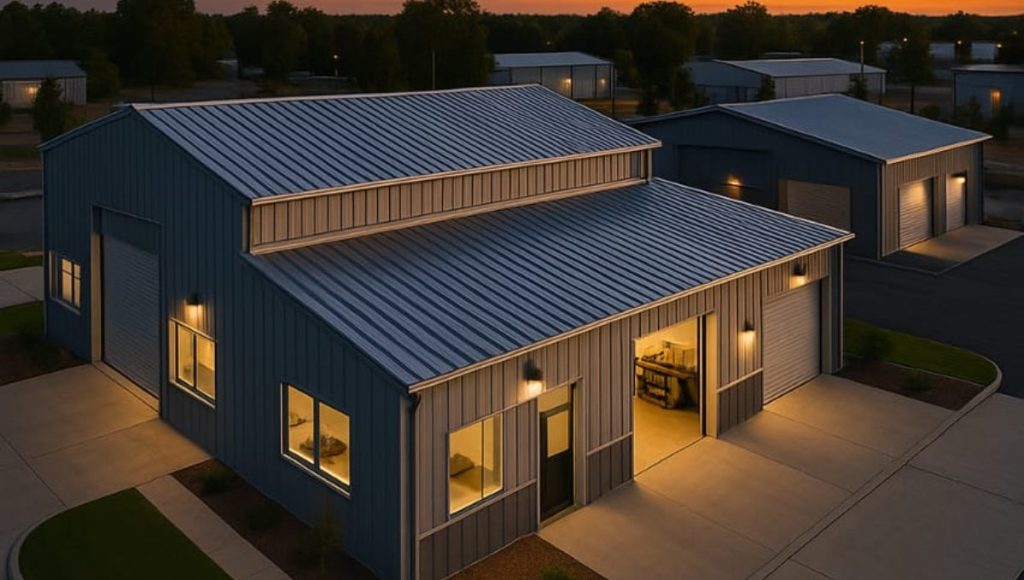
Are you dreaming of a home that’s both durable and stylish, without breaking the bank? A steel building home might be just what you’re looking for.
But before diving into this exciting venture, you probably have one burning question: How much is a steel building home? The answer isn’t as straightforward as you might think, and that’s what makes this topic so intriguing. We’ll unravel the costs involved, offering you a clear picture of what to expect.
You’ll discover how different factors like size, design, and location can influence the price, helping you make an informed decision. Stick around, and you’ll be equipped with all the knowledge you need to turn your dream home into a reality. Don’t miss out on this opportunity to unlock the secrets of affordable, modern living!

Credit: www.angi.com
Steel Building Home Costs
Understanding steel building home costs helps plan your budget wisely. Steel homes offer durability and design flexibility. Costs vary based on size, design, and materials. This section breaks down key cost components.
Average Price Range
The average price for a steel building home ranges from $20,000 to $100,000 or more. Smaller homes or simple designs cost less. Larger homes with custom features push the price higher. Basic kits start around $20,000. Fully finished homes can reach $100,000 or beyond.
Factors Influencing Cost
- Size:Larger homes need more materials and labor.
- Design complexity:Custom shapes and features add costs.
- Materials quality:Thicker steel and better insulation increase price.
- Labor:Skilled workers might charge more for installation.
- Location:Shipping and local regulations affect total cost.
- Finishing:Interior work like plumbing and electrical adds expense.
Cost Per Square Foot
Steel building homes typically cost between $20 and $50 per square foot. Simple steel shells can be as low as $20. Finished homes with full interiors may reach $50 or more. Compare costs carefully to choose the best option for your needs.
Material Expenses
Material expenses make up a significant part of the total cost when building a steel building home. Understanding where your money goes can help you make smarter decisions and avoid surprises. Let’s break down the key material costs you’ll face.
Steel Prices Trends
Steel prices can fluctuate a lot depending on the market and global events. Recently, prices have seen sharp rises due to supply chain disruptions and increased demand. This means your steel building could cost more if you don’t lock in prices early.
Tracking steel price trends over a few months can help you decide the best time to buy. Have you checked if local suppliers offer bulk discounts or fixed-price contracts? These options might save you money and stress.
Insulation And Finishing Materials
Insulation isn’t just about comfort; it also affects energy bills and durability. You have many choices, from foam panels to fiberglass batts, each with different costs and benefits. Don’t overlook finishing materials like drywall, paint, and flooring—they add to the overall expense but define your home’s look and feel.
Think about the climate where you live. Better insulation pays off in the long run, especially in extreme weather. What balance between upfront cost and long-term savings works best for your budget?
Foundation And Site Preparation
Before the steel frame goes up, the foundation and site must be ready. This includes clearing the land, leveling, and pouring concrete foundations. These steps are crucial for stability but can vary widely in cost based on soil type and site accessibility.
Ignoring site prep costs can blow your budget. Have you considered getting a soil test early to avoid unexpected expenses? Proper preparation ensures your steel home stands strong for decades.
Labor And Construction
Labor and construction play a crucial role in determining the overall cost of your steel building home. Beyond just buying the materials, the effort and expertise required to assemble and install the structure significantly influence your budget.
Understanding these labor-related costs helps you plan better and avoid surprises during the building process. Let’s break down the key factors that impact these expenses.
Assembly And Installation Costs
Assembly and installation involve putting together the steel frame, securing panels, and ensuring everything fits perfectly. Typically, these services can cost between 20% to 40% of the total price of the steel building kit.
If you choose a professional crew, expect higher costs but better precision and safety. On the other hand, a DIY approach can save money but requires skills, tools, and time. Have you considered how comfortable you feel handling complex assembly tasks?
Labor Rates By Region
Labor costs vary widely depending on where you live. Urban areas with a higher cost of living usually charge more for skilled labor than rural locations.
For example, labor rates in states like California or New York may be 30% to 50% higher compared to Midwest or Southern states. Local demand and the availability of experienced steel building installers also affect pricing. Where do you plan to build your home, and have you checked local labor rates?
Timeframe Impact On Cost
The length of time it takes to complete the assembly directly affects labor expenses. Shorter timelines often mean paying for overtime or additional workers.
If your project faces delays due to weather or permits, labor costs can rise unexpectedly. Planning your schedule carefully can help keep costs in check. How flexible is your timeline for finishing construction?
Design And Customization
Design and customization play a key role in the cost of a steel building home. The style, layout, and extra features impact the final price. Choosing the right design helps balance budget and personal needs. You can select from ready-made plans or tailor your home completely.
Standard Vs Custom Designs
Standard steel building designs are pre-made and cost less. They come with fixed dimensions and features. Custom designs let you change size, shape, and style. Customization adds to the price but fits your lifestyle better. Many builders offer a range of options for both types.
Interior Layout Options
The interior layout affects comfort and cost. Open floor plans create spacious living areas. Divided rooms offer privacy and function. You can include:
- Multiple bedrooms and bathrooms
- Kitchen and dining combinations
- Storage spaces and closets
- Office or hobby rooms
Choosing simple layouts lowers costs. Complex layouts with many walls and features increase expenses.
Energy Efficiency Upgrades
Energy-saving upgrades add value and reduce bills. Options include:
- Insulation with higher R-values
- Energy-efficient windows and doors
- Solar panels and smart thermostats
These upgrades raise the initial cost but save money over time. They make your steel building home comfortable year-round.
Additional Expenses
Building a steel home involves costs beyond just the structure. Additional expenses can affect your budget significantly. Knowing these costs early helps in better planning and avoiding surprises.
Permits And Inspections
Local laws require permits before construction starts. Permit fees vary by location and project size. Inspections ensure the building meets safety rules. These checks happen at different stages of the build. Failing inspections can cause delays and extra costs.
Utility Connections
Connecting water, electricity, and sewage is essential. Utility hookup fees depend on distance and infrastructure. Sometimes new lines or upgrades are needed. This can raise the cost considerably. Plan for utility installation costs early in the budget.
Landscaping And Exterior Features
Landscaping adds value and beauty to your home. Expenses include grading, planting, and irrigation systems. Exterior features like driveways and fences also cost money. These elements improve curb appeal and comfort. Budget for these to complete your steel home project.
Cost Comparison
Understanding the cost differences between steel building homes and other options is key to making a smart investment. Comparing expenses upfront helps you avoid surprises later and ensures you get the best value for your money. Let’s break down these costs so you can see where steel homes stand.
Steel Vs Traditional Homes
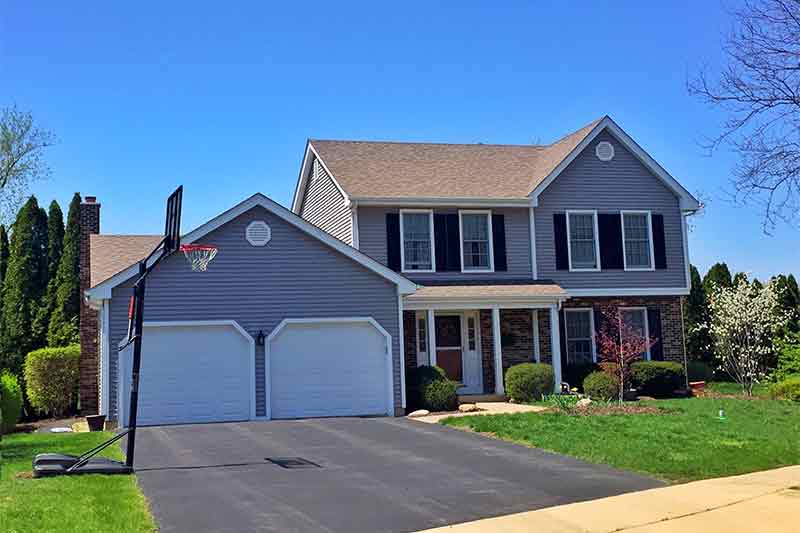
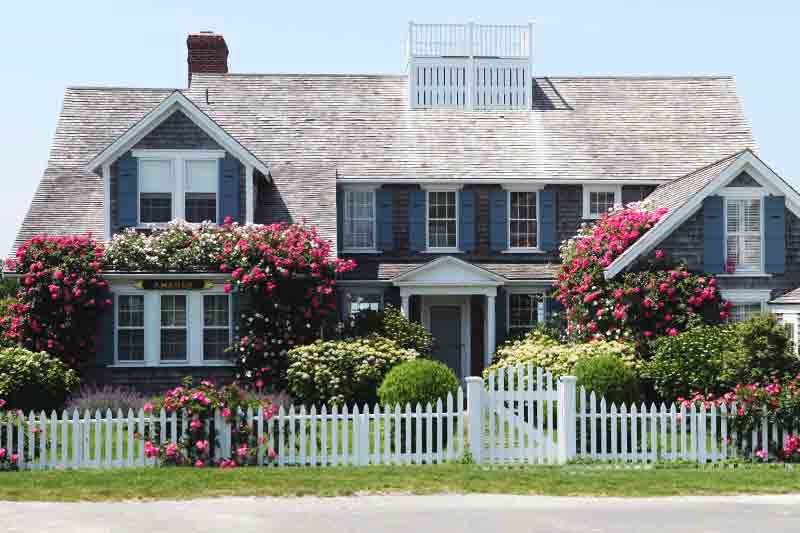
Steel homes often come with a higher initial price tag than traditional wood-framed houses. You might pay around 10-20% more upfront due to materials and specialized labor.
However, steel is resistant to pests, fire, and weather damage. This durability can save you significant repair costs over time.
Think about your location—if you live in an area prone to termites or hurricanes, steel homes could be a financially smarter choice despite the initial expense.
Prefab Vs Custom Steel Buildings
Prefab steel buildings usually cost less than custom steel homes because they’re made in factories with standard designs. This efficiency lowers labor and material expenses.
Custom steel buildings give you more design freedom but require skilled labor and extra materials, raising the price.
If you want a quick build and lower costs, prefab might be your best bet. But if your dream home needs unique features, expect to invest more.
Long-term Maintenance Costs
Steel homes generally require less maintenance than traditional homes. You won’t have to worry about repainting wood siding or replacing rotted beams.
Regular checks for rust and minor repairs are usually all that’s needed, and these costs are relatively low.
Have you considered how much time and money you spend on upkeep? Choosing steel could free you from these ongoing expenses and headaches.
Financing And Budget Tips
Financing a steel building home requires clear planning and smart budgeting. Understanding costs and payment options helps avoid surprises. Keep a close eye on your budget throughout the process. This section covers loan options, ways to save money, and preparing for extra expenses.
Loan Options For Steel Homes
Loans for steel homes may differ from traditional home loans. Some lenders treat steel buildings like regular houses. Others see them as commercial properties. Check these options:
- Construction loans: Short-term loans covering building costs.
- Home improvement loans: For modifying an existing structure.
- Personal loans: Smaller amounts with higher interest rates.
- FHA and VA loans: May apply if the building meets standards.
Compare interest rates and terms carefully. Consult lenders about steel home specifics before applying.
Cost-saving Strategies
Reducing costs during construction keeps your budget healthy. Consider these tips:
- Choose a simple design to lower material and labor costs.
- Buy materials in bulk to get discounts.
- Do some work yourself, like painting or landscaping.
- Use recycled or leftover materials when safe.
- Plan utilities and insulation efficiently to save on bills.
Saving on small expenses adds up over time.
Planning For Unexpected Expenses
Unexpected costs often arise during construction. Prepare for them by:
- Setting aside at least 10% of your budget as a contingency fund.
- Getting multiple quotes to avoid surprise charges.
- Reviewing contracts carefully for hidden fees.
- Monitoring progress regularly to spot issues early.
- Keeping communication open with builders and suppliers.
Being ready for extra costs reduces stress and delays.
Credit: homeguide.com
Credit: homeguide.com
Frequently Asked Questions
How Much Does A Steel Building Home Cost?
Steel building homes typically range from $20 to $40 per square foot. Costs vary based on design, location, and materials used. Additional expenses include foundation, insulation, and interior finishes. On average, a 1,500 sq. Ft. steel home can cost between $30,000 and $60,000.
What Factors Affect Steel Home Building Costs?
Costs depend on building size, design complexity, and material quality. Location impacts labor and shipping fees. Custom features and insulation also influence price. Site preparation and permits add to expenses. Understanding these factors helps budget accurately for your steel building home.
Are Steel Building Homes More Affordable Than Traditional Homes?
Yes, steel homes are often more affordable due to faster construction and lower material costs. They require less maintenance and resist pests and weather damage. However, customization and location may affect final pricing, so compare options carefully before deciding.
How Long Does It Take To Build A Steel Home?
Building a steel home usually takes 2 to 6 months. Prefabricated steel components speed up assembly and reduce construction delays. Weather and site conditions can also affect the timeline. Faster build times often result in cost savings for homeowners.
Conclusion
Steel building homes offer great value and durability. Costs depend on size, design, and materials chosen. They often cost less than traditional homes. You can save on maintenance and repairs over time. Steel homes resist weather and pests well. Planning carefully helps control your budget effectively.
Consider your needs before making a final decision. A steel home can be a smart, lasting choice.