
Are you wondering how much a hot water heater for your house will cost? Whether you’re replacing an old unit or installing one for the first time, knowing the price can help you plan your budget and avoid surprises.
But the cost isn’t just about the price tag—you’ll want to consider installation, energy efficiency, and size too. Keep reading to discover what affects the price and how you can choose the right hot water heater without overspending. Your perfect, warm shower is closer than you think!
Credit: www.walmart.com
Types Of Hot Water Heaters
Choosing the right type of hot water heater can significantly affect your home’s energy efficiency and your monthly bills. Each type offers unique benefits and drawbacks depending on your household’s size, water usage, and budget. Understanding these differences helps you make a smarter investment for your comfort and savings.
Tank Water Heaters
Tank water heaters store a large amount of hot water in a reservoir, ready to use whenever you need it. They tend to have lower upfront costs and are widely available, making them a popular choice for many homes.
However, they continuously heat the stored water, which can lead to higher energy bills. If your household uses water intermittently, you might be paying to keep water hot even when it’s not needed.
Tankless Water Heaters
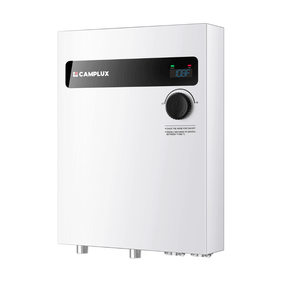
Tankless water heaters heat water only when you turn on the tap, providing endless hot water without the need for a storage tank. This on-demand feature often leads to energy savings, especially if your usage is spread out throughout the day.
These units usually cost more upfront but can save money over time due to their efficiency. Have you considered how much hot water your family uses at once? That can impact whether a tankless system will meet your needs without delays.
Heat Pump Water Heaters
Heat pump water heaters extract heat from the air around them to warm your water, making them highly energy efficient. They work best in warm climates or spaces with plenty of air circulation.
While installation costs are higher, the energy savings can be substantial. If your utility bills are a concern, this might be worth a closer look.
Solar Water Heaters
Solar water heaters use energy from the sun to heat your water, which can dramatically reduce your energy bills. They require a sunny location and a backup system for cloudy days or high demand.
Installation is typically more expensive and may need government incentives to offset costs. Are you ready to invest in a system that pays off mostly in the long run?
Factors Affecting Hot Water Heater Cost
The cost of a hot water heater varies widely. Several factors influence the final price. Understanding these elements helps homeowners budget better. It also guides them in choosing the right heater for their needs.
Size And Capacity
The size of a hot water heater affects its price significantly. Larger tanks hold more water but cost more. Smaller tanks suit small families and cost less. Choosing the right capacity avoids overspending or shortage of hot water.
Energy Source
Different energy sources have different price points. Electric heaters are usually cheaper upfront. Gas heaters may cost more but save money on energy bills. Solar water heaters have high initial costs but low running expenses.
Efficiency Ratings
High-efficiency models cost more but reduce energy use. Look for Energy Star ratings to find efficient heaters. Efficient heaters save money over time. They also lower environmental impact.
Brand And Model
Well-known brands often charge higher prices. They usually offer better warranties and support. Less-known brands may be cheaper but vary in quality. Researching reviews helps find reliable models within budget.
Price Range For Different Models
Understanding the price range of hot water heaters helps you pick a model that fits your budget and needs. Prices vary widely depending on the type, capacity, and features of the unit. Let’s break down what you can expect to pay across different categories.
Budget Options
Budget hot water heaters usually cost between $300 and $600. These units often come with smaller tanks and basic features. They work well if you have a tight budget or a small household.
Keep in mind, cheaper models might use more energy or have shorter warranties. However, they are perfect if you want a simple, reliable heater without extra bells and whistles.
Mid-range Models
Mid-range hot water heaters typically fall between $600 and $1,200. These models offer better energy efficiency and larger tank sizes to meet the needs of most families. You’ll find more options with digital controls and improved durability.
If you want a good balance of price and performance, this range often provides the best value. Have you considered how much hot water your household uses daily? That can help narrow down your choice here.
High-end Units
High-end hot water heaters can cost anywhere from $1,200 to $3,000 or more. These usually include tankless systems, advanced energy-saving technology, and smart home compatibility. Some models even offer Wi-Fi control and maintenance alerts.
While the upfront cost is higher, these units can save money over time through lower energy bills. Ask yourself if investing more now for long-term savings matches your priorities.
Installation Costs To Consider
Installing a hot water heater involves costs beyond the unit price. These installation expenses affect your total budget. Understanding these costs helps you prepare better and avoid surprises.
Labor Charges
Labor charges cover the work done by professionals to install the heater. Rates vary by location and complexity. Simple installations cost less, while upgrades or replacements cost more. Expect to pay for time spent on plumbing, electrical work, and setup.
Permits And Inspections
Local laws may require permits before installation. These ensure the work meets safety and code standards. Permit fees vary by city and type of heater. Inspectors check the installation after completion. Passing the inspection avoids fines and future problems.
Additional Materials
Extra materials might be needed during installation. Common items include pipes, fittings, valves, and mounting brackets. Sometimes, updating old parts is necessary for safety. These materials add to the installation cost but ensure proper function and durability.
Energy Savings And Long-term Expenses
Understanding the energy savings and long-term expenses of a hot water heater can make a big difference in your monthly bills and overall satisfaction. It’s not just about the upfront cost; how much energy your heater uses and how long it lasts will impact your wallet over time. Let’s break down what you should expect in terms of ongoing expenses and maintenance.
Operating Costs
Your hot water heater’s operating costs depend largely on the type of energy it uses—electricity, gas, or propane. Electric heaters tend to have higher monthly energy bills, while gas models usually cost less to run but might have a higher initial price.
Think about how much hot water your household uses daily. A family of four will spend more on energy than a single person. Choosing an energy-efficient model can cut these costs substantially. Have you checked if your current heater has an Energy Star rating? That’s a good sign it won’t drain your budget.
Maintenance Requirements
Regular maintenance keeps your heater running efficiently and extends its life. Simple tasks like flushing the tank annually to remove sediment can prevent costly repairs down the line. Neglecting maintenance may cause your energy bills to climb as the system struggles to work properly.
Some models require less upkeep, like tankless water heaters that don’t store water and avoid sediment buildup. Would you prefer a heater that demands minimal effort but might cost more upfront? Consider your lifestyle and willingness to perform routine checks.
Warranty And Lifespan
The warranty period often reflects the expected lifespan of your water heater. Most traditional tank heaters last 8 to 12 years, while tankless models can serve you for 20 years or more. A longer warranty can save you money if problems arise, but it may come with a higher purchase price.
Think about how long you plan to stay in your home. Investing in a longer-lasting heater might pay off if you want to avoid replacement costs soon. Have you compared warranty terms carefully before buying? It’s a crucial step many overlook.

Credit: www.amazon.ca
Tips For Choosing The Right Heater
Choosing the right hot water heater ensures comfort and saves money. Consider factors like household size, energy use, and installation needs. A well-chosen heater works efficiently and lasts longer. Here are key tips to help pick the best option for your home.
Assessing Household Needs
Start by looking at how many people live in your house. More people need more hot water daily. Think about peak times, such as mornings or evenings, when demand is highest. Check the number of bathrooms and appliances using hot water. This helps estimate the tank size or flow rate for tankless models. Choose a heater that meets your daily water use to avoid running out.
Comparing Efficiency
Energy efficiency lowers utility bills and reduces waste. Look for the Energy Factor (EF) rating on heaters. Higher EF means better efficiency. Consider gas, electric, or solar-powered models. Each type has different operating costs and benefits. Energy-efficient models cost more upfront but save money over time. Pick a heater that fits your budget and energy goals.
Evaluating Installation Complexity
Installation cost varies with heater type and location. Tank water heaters need space for the tank and venting. Tankless heaters require special plumbing and electrical work. Check if your home supports the required fuel source. Consider whether you need professional help for installation. Simple setups save money and time. Complex installs might increase the total cost but offer long-term benefits.
Where To Buy Hot Water Heaters
Choosing where to buy a hot water heater affects cost and convenience. Different places offer various models, prices, and services. Knowing where to shop helps you find the best fit for your home needs.
Local Retailers
Local stores provide the chance to see heaters in person. Staff can answer questions and offer advice. Immediate pickup avoids waiting for shipping. Local retailers often have installation services nearby.
Online Marketplaces
Online shops offer wide selections and easy price comparisons. Reviews help gauge product quality and user satisfaction. Delivery goes straight to your door, saving time. Many sites offer deals and discounts on hot water heaters.
Specialty Stores
Specialty stores focus on plumbing and heating equipment. They carry expert-grade models and brands. Staff know detailed specs and can recommend the right size. These stores may provide custom installation and maintenance plans.
Credit: www.furnaceprices.ca
Frequently Asked Questions
What Is The Average Cost Of A Hot Water Heater?
The average cost of a hot water heater ranges from $500 to $1,500. Prices vary based on type, size, and efficiency. Tankless models usually cost more upfront but save on energy bills. Installation fees can add $300 to $600.
How Long Does A Hot Water Heater Last?
A typical hot water heater lasts about 8 to 12 years. Proper maintenance can extend its lifespan. Regular inspections and flushing the tank help prevent issues. Consider a replacement if your heater is over 10 years old.
What Factors Affect Hot Water Heater Prices?
Several factors impact hot water heater prices. Type, capacity, and energy efficiency are major factors. Brand and installation complexity also influence costs. Energy-efficient models may cost more initially but save money over time.
Are Tankless Water Heaters More Expensive?
Yes, tankless water heaters are generally more expensive upfront. However, they are energy-efficient and offer long-term savings. They provide hot water on demand and have a longer lifespan. Installation costs can be higher due to complexity.
Conclusion
Choosing the right hot water heater depends on your budget and needs. Prices vary by size, brand, and type. Installation costs add to the total price. Think about energy efficiency to save money long-term. A good heater gives comfort and convenience every day.
Take time to compare options before buying. This helps you find the best value for your home. Hot water is essential, so choose wisely and enjoy.