

How Much Does a Smart Home Cost. Are you curious about turning your home into a smart home but worried about the cost? You’re not alone.
Many people want the convenience and security that smart devices offer but wonder, “How much will it really cost me? ” This guide will break down the expenses clearly, helping you understand what to expect before you start buying. By the end, you’ll have a clear picture of how to plan your smart home budget without surprises.
Keep reading to discover how affordable—or costly—your smart home dream can be.

Benefits Of A Smart Home
Smart homes offer more than just convenience; they bring real benefits that affect your daily life and long-term expenses. Understanding these advantages can help you decide if investing in smart technology fits your lifestyle and budget.
Energy Savings And Efficiency
Smart thermostats and lighting systems adjust automatically to your habits, cutting down unnecessary energy use. This can lower your utility bills noticeably over time.
Imagine your home turning off lights and reducing heating when you leave for work. This simple automation saves money without you having to remember to do it yourself.
Improved Home Security
Smart security devices like cameras, doorbells, and alarms keep your home safer. You get real-time alerts on your phone if something unusual happens.
Having remote access means you can check on your home anytime, giving you peace of mind even when you’re far away.
Increased Convenience And Comfort
Controlling your lights, locks, and appliances with voice commands or apps makes daily tasks easier. You can set routines that adjust your home environment automatically.
For example, you can program your coffee maker to start brewing as soon as your morning alarm goes off. This little convenience can change how you start your day.
Boosted Home Value
Homes equipped with smart technology often attract more buyers and can sell faster. Many people see smart features as a sign of a modern, well-maintained home.
If you plan to sell in the future, smart upgrades might increase your home’s market appeal and potentially its price.
Personalized Living Experience
Smart homes learn your preferences and adapt over time. This creates a space that feels tailored just for you and your family.
Think about your house knowing when you prefer dim lights or a cooler room, adjusting itself without you lifting a finger. How much more comfortable could your daily life be?
Key Components Of A Smart Home
Understanding the key components of a smart home helps you decide where to invest your budget. Each element offers unique benefits and costs, making it easier to customize your setup. Let’s break down the main smart home features you might want to add.
Smart Lighting
Smart lighting lets you control your lights remotely or automate them based on your schedule. You can adjust brightness, colors, and even create scenes for different moods. Besides convenience, smart bulbs often save energy, which lowers your electricity bill over time.
Many smart bulbs work with apps or voice commands, so you don’t have to get up to turn off the lights. Have you ever forgotten to switch off the porch light? With smart lighting, that’s a problem solved.
Smart Security Systems
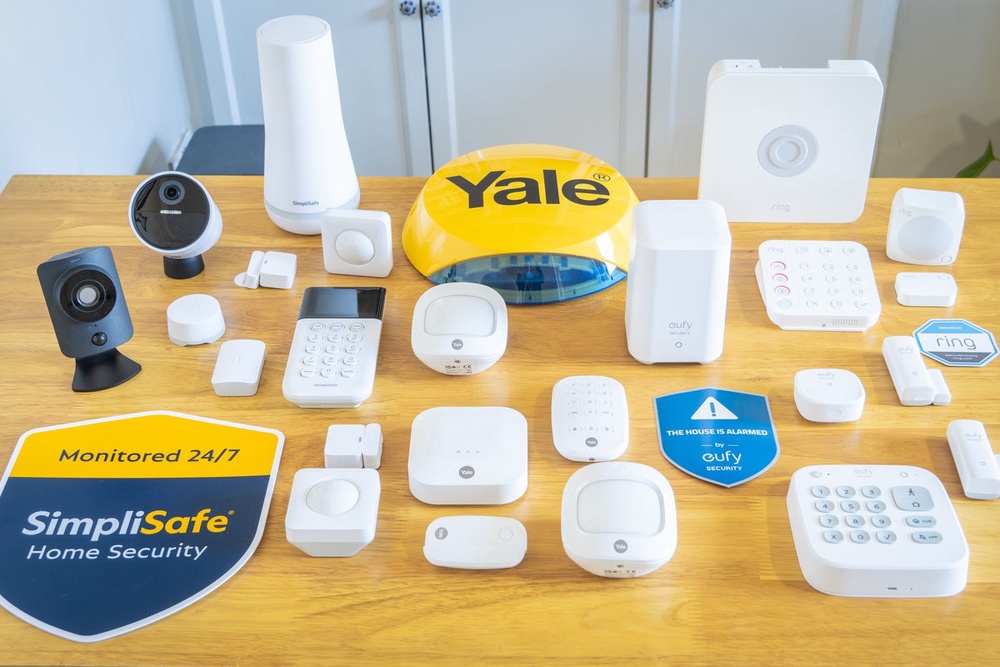
Smart security includes cameras, sensors, and alarms that you can monitor from your phone. These systems alert you instantly if something unusual happens, even when you’re away. Some models offer professional monitoring, adding an extra layer of safety.
Installing a smart security system can cost more upfront, but the peace of mind is worth it. Would you feel safer knowing you can check your home anytime, anywhere?
Smart Thermostats
Smart thermostats learn your routine and adjust the temperature automatically. This means you come home to comfort without wasting energy heating or cooling an empty house. Over time, they can significantly reduce your heating and cooling bills.
They often connect to your smartphone, so you can change settings on the go. Imagine saving money while keeping your home cozy—sounds like a win-win, right?
Smart Appliances
Smart appliances include refrigerators, ovens, washers, and more that connect to your home network. They offer features like remote control, status notifications, and energy tracking. For example, a smart fridge can alert you when groceries run low.
While these can be pricier than regular appliances, their convenience and efficiency can justify the cost. How much time could you save by managing appliances from your phone?
Voice Assistants
Voice assistants act as the central hub for your smart home devices. Using simple voice commands, you can control lights, play music, check the weather, and more. Popular options include Amazon Alexa, Google Assistant, and Apple Siri.
Adding a voice assistant is often an affordable way to start your smart home journey. Do you find yourself wishing you had an extra pair of hands to manage daily tasks?
Factors Influencing Smart Home Costs
Several factors affect the total cost of a smart home. These elements shape the budget needed for devices, installation, and ongoing maintenance. Understanding these factors helps plan a smart home that fits your needs and budget.
Home Size And Layout
The size of your home impacts how many smart devices you need. Larger homes require more sensors, cameras, and smart hubs to cover all areas. Complex layouts may need extra devices to ensure strong connectivity throughout. Open floor plans might reduce the number of devices, while multiple floors often increase costs.
Number Of Devices
The total number of smart devices directly changes the cost. Each device adds to the budget, from smart lights and thermostats to security cameras and locks. Choosing more devices increases convenience but also raises expenses. Prioritizing essential devices can help manage costs effectively.
Brand And Quality
Device prices vary by brand and quality. Premium brands offer advanced features and longer warranties but cost more. Budget-friendly options may work well but might lack some functions. Balancing quality and price ensures good performance without overspending.
Installation And Setup
Professional installation adds to the overall cost. Complex systems with many devices often need expert setup to work correctly. DIY installation can save money but may require technical skills. Some devices are easy to install, while others need wiring or network configuration.
Budgeting For A Smart Home
Budgeting for a smart home helps you control costs and get the features you want. Planning is key to avoid overspending. Breaking down expenses gives a clear picture of what to expect. A smart budget balances technology with your financial limits.
Setting Financial Goals
Start by deciding how much you can spend on smart home devices. Think about your monthly budget and savings. Set a maximum amount to keep spending in check. Clear goals help you choose wisely and avoid impulse buys.
Prioritizing Features
List the smart home features you need most. Security systems, lighting control, or smart speakers might top your list. Rank features by importance to your daily life. Focus on essentials first, then add extras as budget allows.
Estimating Costs
Research prices for devices and installation services. Consider costs for hubs, sensors, and smart appliances. Don’t forget possible fees for professional setup or monthly subscriptions. Create a simple table to track estimated and actual costs.
| Item | Estimated Cost | Actual Cost |
|---|---|---|
| Smart Hub | $100 | |
| Security Cameras | $200 | |
| Smart Lights | $150 | |
| Installation | $100 |
Cost Breakdown Of Smart Home Devices
Smart home devices vary widely in price. Understanding the cost breakdown helps plan your budget. This guide covers low-cost, mid-range, and high-end options. Each category offers different features and benefits. Choose devices that fit your needs and wallet.
Low-cost Options
Low-cost smart devices are affordable and easy to use. They cover basic functions like lighting, plugs, and simple security.
- Smart bulbs: $10–$20 each
- Smart plugs: $15–$25 each
- Basic smart speakers: $25–$50
- Entry-level smart cameras: $30–$60
These devices often use Wi-Fi and have simple apps. They suit beginners or small setups.
Mid-range Options
Mid-range devices add more features and better quality. They offer improved security, better sound, and smart hubs.
- Smart thermostats: $100–$200
- Advanced smart speakers: $80–$150
- Smart security cameras with motion detection: $100–$200
- Smart doorbells: $150–$250
These devices often support voice assistants and have better app control. Ideal for growing smart homes.
High-end Options
High-end smart devices provide advanced technology and premium design. They improve comfort, security, and automation.
- Whole-home automation systems: $500–$2,000+
- Smart lighting systems with scene control: $200–$500+
- Luxury smart security systems: $300–$1,000+
- High-quality smart speakers and displays: $200–$400+
These products often require professional installation. They suit tech enthusiasts and large homes.

Diy Vs Professional Installation
Choosing between DIY and professional installation affects your smart home cost and experience. Both options have unique advantages and challenges. Understanding these can help you decide what fits your budget and skills best.
Pros And Cons Of Diy
DIY installation lets you save money on labor costs. Many smart devices come with easy-to-follow guides. You control the timing and pace of the setup. This option suits those who enjoy hands-on projects.
- Lower upfront cost
- Flexible scheduling
- Learning experience
Challenges include time consumption and potential technical errors. Some devices require complex wiring or network setup. Troubleshooting can be frustrating without proper knowledge. Mistakes may cause device malfunction or safety issues.
- Time-consuming
- Risk of errors
- Limited warranty support
Benefits Of Professional Installation
Professionals bring expertise and experience to the job. They ensure correct wiring and device placement. This reduces the chance of future problems. They also handle complex systems and integrations smoothly.
- Expert setup and testing
- Faster completion
- Access to technical support
Professional installation can increase your initial cost. Scheduling depends on the installer’s availability. Still, it offers peace of mind and reliable performance. Ideal for those wanting hassle-free and secure installation.
- Higher upfront cost
- Less control over schedule
- Better reliability and safety
Ways To Save On Smart Home Setup
Setting up a smart home doesn’t have to drain your wallet. There are smart ways to cut costs without sacrificing the technology and convenience you want. By looking closely at how you buy and use your smart devices, you can find significant savings that make your investment more affordable.
Bundling Packages
Many retailers and service providers offer bundles that combine several smart home products at a lower price than buying each item separately. These packages often include essentials like smart speakers, bulbs, and security cameras.
Think about what devices you want and check if there’s a bundle that fits your needs. Sometimes, a bundle can save you 20-30% compared to buying devices one by one. Have you checked your favorite store’s website for bundle deals lately?
Seasonal Sales And Discounts
Timing your purchases around sales events can lead to impressive discounts. Black Friday, Cyber Monday, and holiday sales often feature deep price cuts on smart home gadgets.
Sign up for newsletters or alerts from retailers so you don’t miss these deals. If you’re patient enough to wait for the right moment, your smart home setup could cost much less than expected.
Energy Efficiency Savings
Smart devices that improve your home’s energy efficiency can save you money over time. Thermostats, lighting, and smart plugs help reduce electricity bills by adjusting usage based on your habits.
Consider the long-term savings as part of your budget. Could the money saved on energy bills help you invest in more smart home features later? This approach turns your setup from a one-time cost into an ongoing money saver.
Future Trends In Smart Home Technology
The future of smart home technology is shaping how we live, making our homes more connected, efficient, and responsive. As these innovations evolve, understanding what lies ahead can help you decide where to invest your money now. Let’s look at some key trends that will influence the cost and functionality of smart homes in the near future.
Integration With Ai
Smart homes will become smarter by using artificial intelligence to learn your habits and preferences. This means your home can adjust lighting, temperature, and security settings automatically without you lifting a finger. Imagine waking up to a house that already knows your schedule and sets everything just right.
Devices will communicate more seamlessly, creating a unified system that adapts to your lifestyle. This integration may seem costly at first, but it can save money by optimizing energy use and reducing waste. Are you ready for a home that thinks ahead for you?
Sustainability And Eco-friendly Designs
More smart home products will focus on sustainability, helping you reduce your environmental footprint. Smart thermostats, energy-efficient appliances, and solar-powered devices are becoming standard choices. These upgrades might add to your initial cost but lower your utility bills and increase your home’s value over time.
Eco-friendly smart homes also promote water conservation and waste reduction through smart sensors and automated systems. Investing in green technology can feel rewarding when you see the positive impact on your bills and the planet. How much would you pay to make your home truly eco-friendly?
Frequently Asked Questions
What Factors Affect The Cost Of A Smart Home?
The cost depends on device types, brand quality, installation, and home size. Advanced systems cost more than basic setups. Integration complexity also raises expenses.
How Much Does Basic Smart Home Automation Cost?
Basic setups typically range from $200 to $1,500. This includes smart bulbs, plugs, and simple voice assistants. DIY installation lowers costs significantly.
Are Professional Smart Home Installations Expensive?
Professional installation can add $500 to $2,000 or more. Complex systems requiring wiring and custom programming increase costs. It ensures optimal device integration and performance.
What Is The Average Cost For A Fully Automated Smart Home?
A fully automated smart home averages $10,000 to $50,000. This includes security, lighting, HVAC, and entertainment controls. High-end luxury systems can exceed $100,000.
Conclusion
Smart home costs vary based on needs and choices. Basic setups start low, while advanced systems cost more. Planning your budget helps pick the right devices. Installation and maintenance add to overall expenses. Smart homes can save energy and improve comfort.
Choose what fits your lifestyle and wallet best. Small steps can make your home smarter today. The right plan keeps costs clear and manageable.