
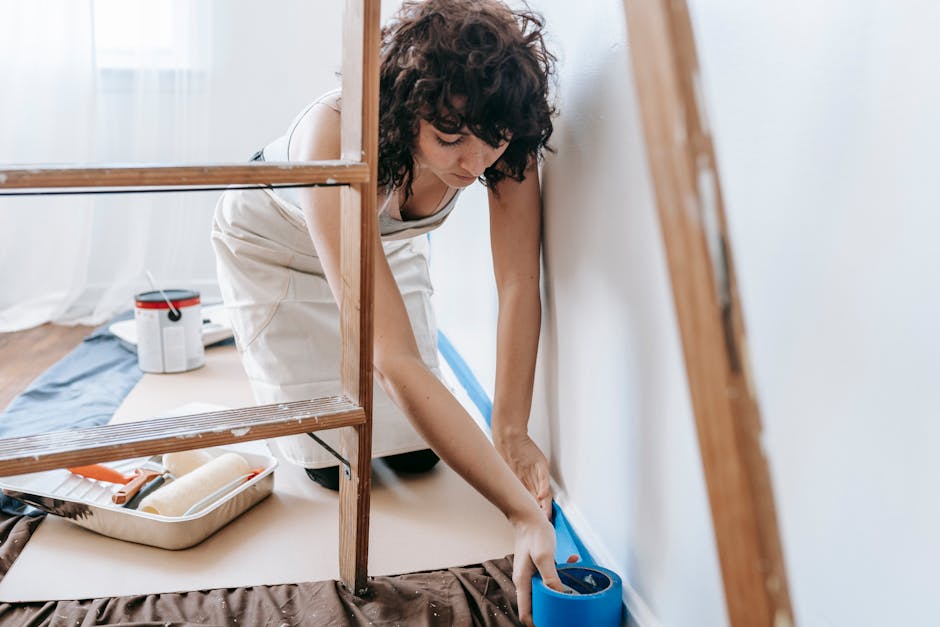
Planning to paint your house but unsure how many gallons of paint you’ll need? You’re not alone.
Getting the right amount of paint can save you time, money, and a lot of frustration. Too little paint means multiple trips to the store, while too much can leave you with wasted cans taking up space. You’ll discover a simple way to calculate exactly how many gallons you need for your project.
By the end, you’ll feel confident and ready to tackle your painting job without guesswork or stress. Keep reading to find out how to get it just right!
Credit: www.paintzen.com
Calculating Paint Needs
Calculate the total wall area to estimate paint needed for your house. Divide this area by coverage per gallon to find the number of gallons required. Always add extra for doors, windows, and touch-ups.
Calculating how much paint you’ll need can save time and money. It’s not as simple as buying a few cans. Knowing the exact amount ensures a smooth painting process.Measuring Wall Surface Area
Start by measuring each wall’s height and width. Multiply these numbers to get the area in square feet. Repeat for all walls and add them up. This total is your wall surface area.Accounting For Doors And Windows
Doors and windows don’t need paint. Subtract their area from the total wall surface. Measure the height and width of each door and window. Multiply to find their area, then subtract from the wall area. This gives a more accurate paint estimate.Considering Multiple Coats
Most walls require two coats of paint. Check the paint can for coverage details. Multiply your total wall area by two for two coats. This ensures you buy enough paint for a lasting finish.Types Of Paint And Coverage
Choosing the right type of paint affects how many gallons you need. Paints vary by coverage ability and finish. Coverage depends on paint quality and surface texture. Understanding these factors helps estimate paint quantity better.
Standard Paint Coverage Rates
Most paints cover about 350 to 400 square feet per gallon. This is for smooth, primed surfaces. Some paints cover less, around 250 square feet per gallon. High-quality paints usually cover more area. Check the paint can label for exact coverage details.
Differences In Paint Finishes
Paint finishes affect coverage and appearance. Flat or matte finishes hide imperfections but may need more paint. Satin and eggshell finishes offer moderate shine and good coverage. Glossy finishes reflect light and can require fewer coats. Choose finish based on room use and style.
Effects Of Surface Texture
Rough or porous surfaces absorb more paint. Stucco, brick, and wood need extra paint compared to smooth drywall. Textured walls increase paint usage by up to 20%. Sanding and priming can reduce paint absorption. Always consider surface texture in your paint estimate.
Tools For Accurate Estimation
Estimating how many gallons of paint you need can save you time, money, and frustration. Having the right tools makes the process more accurate and less stressful. Whether you prefer digital aids or hands-on methods, using the right tools helps you avoid buying too much or running short mid-project.
Using Paint Calculators
Paint calculators are handy online tools that take your wall measurements and convert them into gallons needed. You simply enter the height and width of each wall, the number of doors and windows, and the calculator does the math for you.
These tools often consider paint coverage per gallon, making your estimate more precise. I once used a paint calculator for a room with unusual angles, and it saved me from purchasing an extra gallon unnecessarily. Have you tried using one? They’re quick and reduce guesswork.
Manual Measurement Techniques
Measuring your walls manually gives you control over the details. Grab a tape measure, note down the length and height of each wall, and subtract the area of windows and doors.
Calculate the total square footage by multiplying length by height for each wall, then add them together. Divide this number by the coverage rate listed on your paint can (usually around 350 square feet per gallon) to find how many gallons you’ll need.
Double-checking your math and measurements can prevent costly mistakes. What’s more satisfying than knowing your paint job started with solid numbers you gathered yourself?
Tips For Efficient Painting
Efficient painting saves time, money, and effort. It ensures your house looks great and the paint lasts longer. Here are some practical tips to help you paint your house smoothly and effectively.
Preparing Surfaces Properly
Good painting starts with good preparation. Clean all surfaces to remove dirt, dust, and grease. Sand rough spots to create a smooth base for the paint to stick.
Fix any cracks or holes with filler or caulk. This step prevents paint from peeling and gives a professional finish. Skipping this can lead to uneven coverage and extra coats, costing you more paint and time.
Choosing The Right Brushes And Rollers
Using the right tools makes a big difference. For large flat areas, use rollers with the correct nap length—short for smooth surfaces, longer for textured walls. This helps spread paint evenly without streaks.
Brushes are better for trim and corners. Pick synthetic bristles for water-based paints and natural bristles for oil-based paints. Using the wrong brush can waste paint and make your job harder.
Avoiding Common Painting Mistakes
Many get stuck with paint drips or uneven coats. To avoid this, don’t overload your brush or roller; apply thin, even layers instead. Let each coat dry fully before adding the next one.
Pay attention to weather conditions. Painting on a humid or rainy day can cause paint to dry poorly. Have you ever struggled with paint peeling soon after? Weather might have been the culprit.
Dealing With Extra Paint
Extra paint often remains after a house painting project. It can be useful for touch-ups or future projects. Handling leftover paint properly saves money and reduces waste. Knowing how to store and dispose of it keeps your home safe and clean.
Storage And Reuse
Seal paint cans tightly to keep air out. Store them in a cool, dry place away from sunlight. Label each can with the date and room it was used in. Use leftover paint for small repairs or furniture projects. Stir paint well before reuse to restore consistency.
Disposal Guidelines
Never pour paint down drains or on the ground. Check local rules for hazardous waste disposal. Many communities hold paint recycling or drop-off events. Dry out small amounts of paint by mixing with cat litter or sawdust. Once dry, dispose of paint cans with regular trash if allowed.
Credit: www.angi.com
Credit: www.cardinaldecor.com
Frequently Asked Questions
How Many Gallons Of Paint For A 1500 Sq Ft House?
Typically, you need 10-15 gallons of paint for a 1500 sq ft house. This estimate covers two coats on exterior walls. The exact amount varies by surface texture and paint type.
How To Calculate Paint Gallons For Exterior Walls?
Measure the total wall area in square feet. Divide this by the paint coverage per gallon (usually 350-400 sq ft). Adjust for doors and windows, then add 10-20% extra for multiple coats and touch-ups.
Does Paint Type Affect Gallon Quantity Needed?
Yes, paint type impacts gallons needed. Higher-quality paints cover better, requiring fewer coats. Some paints have higher coverage rates, so less quantity is necessary to finish the job.
How Many Coats Affect Paint Gallon Usage?
More coats increase paint gallons required. Usually, two coats are standard for durability and color richness. Single coats use roughly half the gallons but may not provide even coverage.
Conclusion
Estimating the right gallons for painting saves time and money. Measure your house carefully before buying paint. Consider the surface type and number of coats. A little extra paint helps fix mistakes or future touch-ups. Keep your walls looking fresh and protected with the right amount.
Planning well makes your painting project smoother and less stressful. Choose quality paint for lasting results. Paint your house confidently, knowing you have enough. Simple steps lead to a great finish and happy home.