
Have you ever wondered how your home stays warm and cozy when the cold weather hits? If you use oil heat, understanding how it works can help you feel more in control of your comfort and your energy bills.
Oil heating is a reliable way to keep your house warm, but many people don’t know exactly what goes on behind the scenes. You’ll discover the simple process that turns oil into heat, how your system operates, and what you can do to keep it running efficiently.
By the end, you’ll have a clear picture of how oil heat works—and why it might be the perfect solution for your home. Keep reading to unlock the secrets of your oil heating system.
Basics Of Oil Heating
Oil heating is a popular choice for many homes. It uses oil to generate heat, keeping houses warm during cold months. The system burns oil to produce heat, which then travels through pipes or ducts. This process is efficient and reliable for home heating. Understanding the basics helps you see how oil heat works and why it remains a trusted option.
What Is Oil Heat?
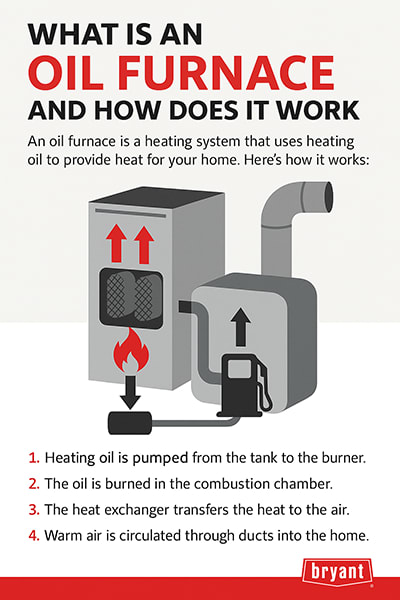
Oil heat uses heating oil as fuel. This oil burns inside a furnace or boiler. The burning oil creates heat energy. This heat warms air or water, which moves through your home. Oil heat systems need a supply of heating oil stored in a tank. This fuel is delivered and stored safely outside or inside the house.
Components Of An Oil Heating System
An oil heating system has several key parts. Each part plays a role in heating your home efficiently.
- Oil Tank:Stores the heating oil safely.
- Oil Burner:Burns the heating oil to create heat.
- Furnace or Boiler:Produces heat by burning oil.
- Heat Exchanger:Transfers heat from burning oil to air or water.
- Thermostat:Controls the temperature inside your home.
- Pipes or Ducts:Carry warm air or hot water throughout the house.

Credit: www.angi.com
How Oil Heaters Generate Warmth
Oil heaters create warmth by burning fuel to produce heat. This heat moves from the heater into the air and surfaces inside the house. Understanding this process helps explain how your home stays cozy during cold days.
Fuel Combustion Process
The heater burns heating oil in a special chamber. This burning produces hot gases and energy. The oil mixes with air and ignites quickly. The flame heats up metal parts inside the heater.
Burning oil releases heat energy efficiently. Proper burning reduces waste and pollution. A steady supply of oil keeps the flame strong and consistent.
Heat Transfer To The Home
Heat from the burning oil warms metal surfaces. These surfaces transfer heat to the air around them. Warm air moves through ducts or radiators into rooms.
Some systems use fans to spread heat faster. Others rely on natural air flow. Heat also travels through pipes if the system uses hot water.
The warmth spreads evenly, making rooms comfortable. Thermostats help control the temperature by adjusting the heater.
Types Of Oil Heating Systems
Understanding the types of oil heating systems can help you decide which setup fits your home best. Each system works differently, offering unique benefits and considerations. Let’s take a closer look at the two main types: furnaces and boilers.
Furnaces
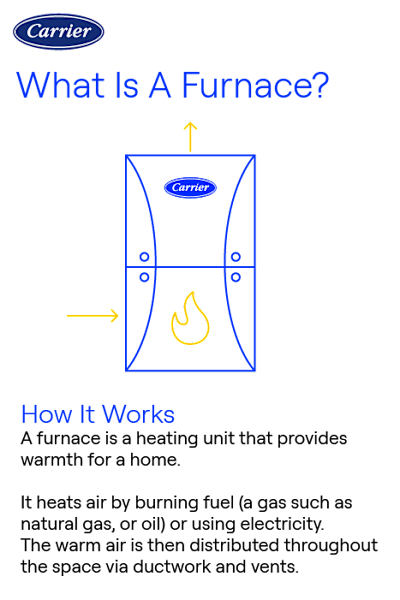
Oil furnaces heat air and then blow it through ducts to warm your rooms. This method quickly raises the temperature and keeps the air circulating. You might notice the warmth almost immediately after the furnace starts running.
One advantage of oil furnaces is their ability to heat large spaces efficiently. They work well if your home has existing ductwork. However, if you don’t have ducts, installing them can add to the cost.
Have you ever felt uneven heat in a room? That could be due to poor duct design or blockages, something to check if you use a furnace system.
Boilers
Oil boilers heat water instead of air. The hot water or steam then travels through pipes to radiators or underfloor heating systems. This creates a gentle, even warmth throughout your home.
Boilers tend to be quieter since they don’t rely on fans. They also avoid the dust and allergens that air circulation can stir up. If you prefer a steady, comfortable heat, a boiler might be your best choice.
Think about your home’s layout. Radiators and pipes require space and may limit furniture placement. Would you be comfortable with this setup in your living areas?
Oil Storage And Delivery
Understanding oil storage and delivery is key to managing your home’s heating system efficiently. The way oil is stored and replenished affects not only your comfort but also the safety and cost-effectiveness of your heating. Let’s break down how oil tanks work and what you should know about refilling and maintaining them.
Oil Tanks
Your oil tank is the heart of your home’s heating oil system. It stores the fuel needed to keep your house warm during cold months. These tanks come in different sizes and materials, such as steel or plastic, and can be located indoors or outdoors depending on your space and local regulations.
Indoor tanks are usually found in basements or utility rooms, offering protection from weather but requiring ventilation. Outdoor tanks, often placed on concrete pads, need to be weather-resistant and checked regularly for rust or damage.
Have you ever thought about how much oil your tank holds and how that impacts delivery schedules? Knowing your tank’s capacity helps you plan refills better and avoid running out during a cold snap.
Refilling And Maintenance
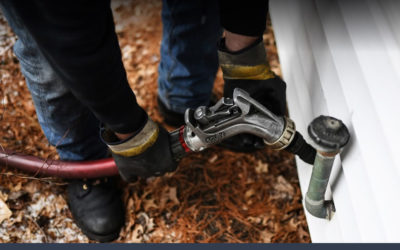
Refilling your oil tank is more than just scheduling a delivery; it’s about timing and safety. Many homeowners prefer automatic delivery services that monitor oil levels and refill before you run low. However, manual ordering allows you to shop for the best prices if you stay on top of your oil usage.
Maintenance plays a big role in keeping your oil system running smoothly. Regularly inspect your tank for leaks, corrosion, or cracks. Even a small leak can cause serious damage and increase heating costs.
Think about the last time you had your tank cleaned or checked. Neglecting this can lead to sludge buildup, which clogs your burner and reduces efficiency. Scheduling annual maintenance with a professional can save you money and keep your heating system reliable.
Efficiency And Cost Factors
Understanding the efficiency and cost factors of oil heating helps homeowners manage their expenses. Oil heat systems vary in how well they convert fuel into warmth. Costs also depend on fuel prices and system maintenance. Knowing these details can guide better decisions for heating your home.
Energy Efficiency Ratings
Oil heating systems have efficiency ratings called AFUE. AFUE stands for Annual Fuel Utilization Efficiency. It shows how much fuel turns into heat versus lost energy. Modern oil furnaces often reach 85% to 95% AFUE. Higher ratings mean more heat from the same amount of oil. Older systems may have lower ratings, wasting more fuel. Choosing a high AFUE model saves money and energy over time.
Operating Costs
Operating costs depend on oil prices and how much heat you use. Oil prices can change based on supply and demand. Efficient systems use less oil, lowering costs. Regular maintenance like cleaning and tuning improves performance. Poorly maintained systems waste oil and cost more. Home insulation also affects heating needs. Well-insulated homes keep heat longer, reducing oil use. Monitoring oil consumption helps control your budget.
Maintenance Tips For Oil Heating
Keeping your oil heating system in top shape isn’t just about comfort; it’s about safety and savings too. Maintenance helps your system run efficiently and prevents costly breakdowns. You might be surprised how a few simple checks can extend the life of your heater and reduce your fuel bills.
Regular Inspection
Checking your oil heating system regularly is crucial. Look for leaks around the oil tank and pipes, as even small drips can cause big problems. Inspect the burner and ensure the flame is steady and blue; a yellow or flickering flame could mean incomplete combustion.
Have you noticed strange smells or soot buildup near your heater? These signs often indicate issues needing immediate attention. Don’t wait for your system to fail in the coldest months; regular inspections can catch problems early and keep your home safe.
Cleaning And Tune-ups
Cleaning your oil burner and replacing filters can dramatically improve performance. Over time, soot and dirt build up inside the burner and heat exchanger, reducing efficiency and increasing fuel consumption.
Scheduling annual tune-ups with a professional helps maintain optimal operation. During these visits, technicians clean components, check fuel quality, and adjust settings to ensure your system runs smoothly. Have you ever skipped a tune-up and noticed your fuel costs rising? Staying proactive saves money and stress.
Advantages And Disadvantages
Oil heating systems have clear advantages and some drawbacks. Understanding both helps homeowners make smart choices. Oil heat can offer reliable warmth but also comes with considerations about cost and maintenance.
Benefits Of Oil Heating
- Provides strong, consistent heat during cold months.
- Oil burns hotter than natural gas, heating faster.
- Oil tanks store fuel onsite, so no delivery delays.
- Works well in areas without natural gas lines.
- Modern oil boilers are efficient and reduce waste.
- Heats large spaces effectively with fewer units.
Potential Drawbacks
- Oil prices can be unstable and sometimes high.
- Requires regular maintenance to keep safe and efficient.
- Oil tanks may leak, causing environmental concerns.
- Takes up space for fuel storage in or outside home.
- Fuel delivery depends on weather and supplier schedules.
- Burning oil produces more carbon emissions than some fuels.
Credit: www.carrier.com
Comparing Oil Heat With Other Heating Options
Choosing the right heating system for your home means weighing several factors. Oil heat stands out in many ways, but how does it stack up against other popular options? Understanding the differences can help you make a choice that fits your home’s needs and your budget.
Gas Heating
Gas heating is widely used because of its convenience and efficiency. It heats up quickly and often costs less per unit of energy compared to oil.
One thing to consider is availability. If natural gas lines aren’t connected to your area, installing gas heating can be expensive. On the other hand, oil heating works well in remote locations since you store the fuel on-site.
Maintenance is another point to think about. Gas heaters usually require less upkeep than oil burners, which need regular cleaning to avoid soot buildup. But if you value a strong, steady heat during very cold days, oil heat can deliver better warmth.
Electric Heating
Electric heating offers simplicity with easy installation and no fuel storage needed. It’s often cleaner and quieter than oil heat.
However, electricity can be costly depending on where you live. This makes electric heating more expensive to run in larger spaces or in colder climates. Oil heat, while requiring fuel delivery, can provide more affordable warmth over the long term.
Electric systems are great if you want zone control—heating only the rooms you use. Oil heat typically warms the entire house, which might be less flexible but ensures consistent temperature throughout.
Credit: www.atlanticfuels.com
Frequently Asked Questions
What Is Oil Heat In A House?
Oil heat is a heating method using oil-fired boilers or furnaces. The oil is burned to produce heat, which circulates through the home. This method is popular in regions without natural gas infrastructure. It provides consistent warmth and can be more cost-effective than electric heating.
How Does Oil Heating System Work?
Oil heating systems burn heating oil in a furnace or boiler. The combustion process heats air or water, which is then circulated. Air is pushed through ducts, while water flows through radiators or baseboards. This efficiently distributes heat throughout the home, maintaining a comfortable temperature.
Is Oil Heat Efficient For Homes?
Yes, oil heat is efficient for homes. Modern oil heating systems boast efficiency ratings up to 95%. This means less fuel is wasted, reducing energy costs. Regular maintenance and upgrades ensure optimal performance. Oil heat also provides consistent warmth, making it a reliable heating choice.
How Is Heating Oil Stored?
Heating oil is stored in a tank, usually located in the basement or outside. The tank size varies, typically holding 275 to 1,000 gallons. Regular delivery services refill the tank as needed. Proper storage and maintenance prevent leaks and ensure a steady fuel supply.
Conclusion
Oil heat warms your home by burning fuel to create heat. The burner lights the oil, producing hot air or water. This heat moves through pipes or ducts to warm rooms. Oil heating systems work quietly and can be very reliable.
Regular maintenance keeps them running well and safe. Knowing how oil heat works helps you manage your home better. Choose the right system for comfort and efficiency. Keep your home warm during cold months with oil heat. Simple, steady, and effective heating for many homes.