

Have you ever wondered how your home stays warm and cozy during chilly days? Understanding how gas heat works in your house can give you more control over your comfort and even help you save money.
You’ll discover the simple process behind gas heating and why it’s one of the most popular ways to keep your living space comfortable. Keep reading—you might find surprising tips that make your heating system work better for you!

Credit: www.searshomeservices.com
Gas Heating Basics
Gas heating is a common way to warm homes. It uses natural gas or propane to produce heat. This heat spreads through your house, keeping it cozy during cold days. Understanding the basics helps you see how this system works and why it is efficient and popular.
Types Of Gas Heaters
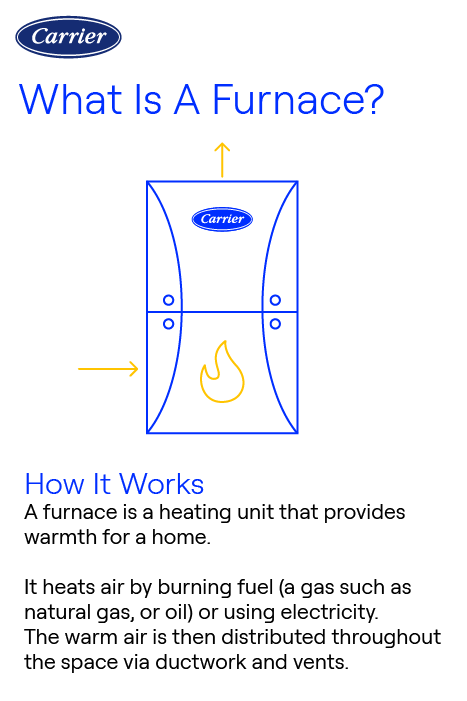
- Furnaces:These heat air and blow it through ducts in the house.
- Boilers:They heat water to provide warmth via radiators or underfloor heating.
- Space Heaters:Portable or fixed units that heat a single room.
Key Components
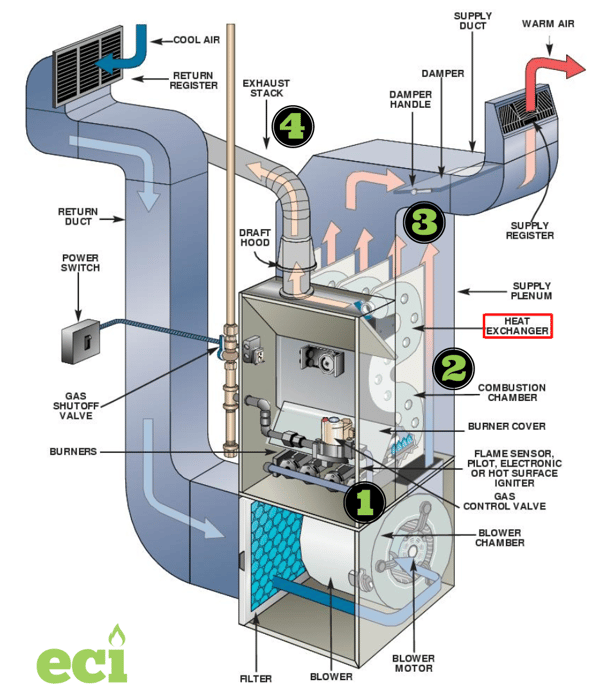
- Burner:Where gas mixes with air and burns to create heat.
- Heat Exchanger:Transfers heat from gas flames to the air or water.
- Thermostat:Controls when the heater turns on and off.
- Flue or Vent:Removes gases safely outside the house.
- Blower Fan:Circulates warm air through the home.
How Gas Heaters Ignite
Gas heaters start by opening a valve to release gas. The gas mixes with air in the burner. Then, a spark or pilot light ignites the gas. This creates a flame that heats the exchanger. Sensors check the flame to keep the system safe. If the flame goes out, the gas supply stops immediately.
Heat Generation Process
The heat generation process in a gas heating system is where the magic happens. It transforms natural gas into the warm air that keeps your home comfortable during cold days. Understanding this process can help you appreciate the technology working behind your walls and even spot issues before they become costly repairs.
Combustion Of Natural Gas
At the heart of heat generation is the combustion of natural gas. When your thermostat signals for heat, gas flows into the burner inside the furnace. There, it mixes with oxygen and ignites, creating a flame that produces heat energy.
This burning process is highly controlled to ensure efficiency and safety. Too much gas or oxygen can cause incomplete combustion, leading to waste and dangerous fumes like carbon monoxide. Have you ever wondered how your furnace manages to keep that flame steady without you noticing?
Heat Exchanger Role
The flame from the burner heats up a metal part called the heat exchanger. This component acts like a barrier, transferring heat from the burning gas to the air without mixing the two. It’s crucial for keeping harmful gases out of your living space.
Think of the heat exchanger as a warm bridge. The metal warms up quickly and then passes that heat to the air flowing over it. If the heat exchanger cracks or leaks, it can be a serious safety hazard, which is why regular inspection matters.
Air Circulation Mechanics
Once the heat exchanger is hot, the furnace blower motor pushes cool air from your home through ducts that pass over the exchanger. This air absorbs the heat and becomes warm before it travels through vents into your rooms.
The constant movement of air creates a cycle that keeps your house evenly heated. You might not realize how important clean filters and clear ducts are—they keep the air flowing smoothly and prevent your system from overworking. How often do you check your air filters?
Thermostat And Control Systems
The thermostat and control systems are the heart of a gas heating system in a house. They manage the heat by sensing the room temperature and controlling the flow of gas to the furnace. These systems ensure your home stays warm and comfortable without wasting energy. They also include safety features to protect your family and property.
Temperature Sensing
The thermostat uses sensors to detect the room temperature. It compares the current temperature to the set temperature on the thermostat. If the room is colder than the set point, the thermostat signals the furnace to turn on. Once the room reaches the desired warmth, it tells the furnace to stop. This cycle repeats to keep the temperature steady.
Regulating Gas Flow
The control system manages how much gas flows to the furnace. It opens or closes the gas valve based on the thermostat’s signal. This regulation controls the flame size in the furnace burner. Proper gas flow helps maintain efficient heating and saves fuel. It also prevents overheating and damage to the system.
Safety Features
- Flame sensors check if the burner is lit. If not, the gas supply shuts off.
- Pressure switches monitor gas pressure to avoid leaks or blockages.
- Limit switches stop the furnace if it gets too hot.
- Carbon monoxide detectors warn of dangerous gas buildup.
These safety controls keep the heating system secure and reliable. They protect your home from fire, gas leaks, and other hazards.
Ventilation And Exhaust
Ventilation and exhaust play a crucial role in how gas heat works in your home. Proper airflow ensures that combustion gases are safely removed, protecting your indoor air quality and keeping your family safe. Understanding these systems helps you maintain efficient and secure heating.
Removing Combustion Gases
When your gas heater burns fuel, it produces combustion gases like carbon dioxide and water vapor. These gases need to be expelled from your home to prevent buildup that can harm your health. Ventilation systems direct these gases outside, usually through flues or chimneys designed to withstand high temperatures.
If you’ve ever smelled a faint gas odor or noticed soot around your heater, it might be a sign that combustion gases aren’t being properly removed. Do you know where your furnace vents lead? Checking this can help you avoid dangerous situations.
Preventing Carbon Monoxide Build-up
Carbon monoxide (CO) is a colorless, odorless gas produced by incomplete combustion. Without effective ventilation, CO can accumulate and pose a serious risk to your household. Installing carbon monoxide detectors is essential, but the primary defense is proper venting of your heating system.
Have you ever thought about how your home’s ventilation affects CO levels? Even small leaks or blockages in exhaust pipes can allow CO to seep indoors. Regular inspection and maintenance can save lives by ensuring CO is safely vented outside.
Vent Types And Installation
There are several types of vents used in gas heating systems, including metal flues, PVC pipes, and direct vent systems. Each type is chosen based on your heater model and home layout. Correct installation is key to prevent leaks and ensure the system works efficiently.
- Metal Flues:Common for older systems; require chimney or vent pipe to the roof.
- PVC Pipes:Used in high-efficiency furnaces; can vent horizontally through walls.
- Direct Vent Systems:Draw air from outside and vent exhaust directly outdoors, improving safety.
Improper vent installation can cause dangerous backdrafts or reduce heating efficiency. Have you checked whether your vents are clear of debris or damage lately? Keeping vents in good shape is a simple step you can take to enhance your home’s safety and comfort.
Efficiency And Energy Use
Understanding the efficiency and energy use of gas heating in your home can help you manage costs and reduce waste. Gas heaters convert fuel into heat, but not all systems do this equally well. The key lies in how much of the gas’s energy actually warms your home versus how much escapes or goes unused.
Measuring Heating Efficiency
Heating efficiency is usually measured by the Annual Fuel Utilization Efficiency (AFUE) rating. This percentage shows how much fuel energy is converted into heat over a year. For example, an AFUE of 90% means 90% of the fuel becomes heat, while 10% is lost.
High-efficiency models often have AFUE ratings above 90%. Lower ratings can mean higher energy bills and more environmental impact. Have you checked your heater’s AFUE rating lately?
Factors Affecting Performance
Several factors influence how well your gas heater performs. These include the age of the unit, maintenance history, and installation quality. A poorly installed or old furnace often wastes more energy.
Another factor is your home’s insulation. Even the most efficient heater struggles to keep heat inside a drafty house. Regular filter changes and sealing leaks can also impact performance significantly.
Tips For Energy Savings
- Schedule regular maintenance:Clean and inspect your heater annually to keep it running efficiently.
- Upgrade to a high-efficiency model:Modern gas furnaces can save you money in the long run.
- Use a programmable thermostat:Lower heat when you’re away or asleep to reduce energy use.
- Seal your home:Check windows, doors, and vents for leaks that let warm air escape.
Imagine saving up to 20% on your heating bills just by making a few simple adjustments. What small changes could you make today to improve your home’s heating efficiency?
Credit: www.ecicomfort.com
Maintenance And Troubleshooting
Keeping your gas heating system in good shape is key to safe and efficient warmth during colder months. Maintenance and troubleshooting aren’t just about avoiding breakdowns—they help you spot small problems before they become expensive repairs. Understanding what to look for and how to fix simple issues can save you time and stress.
Routine Inspection Tasks
Regularly checking your gas heater ensures it runs smoothly and safely. Start by inspecting the pilot light or ignition system; a steady blue flame means it’s working well, while a yellow or flickering flame signals trouble.
Look over the venting system for blockages or corrosion. Clogged vents can cause dangerous carbon monoxide buildup. Don’t forget to clean or replace filters every few months to keep air flowing properly.
- Check thermostat settings and batteries
- Inspect gas lines for leaks—smell for gas or use soapy water to spot bubbles
- Examine the blower motor and fan for dust or wear
Common Issues And Fixes
Have you noticed uneven heating or strange noises? These often point to simple problems. A dirty filter can cause uneven heat, while rattling noises might mean loose parts or debris in the blower.
If your heater won’t turn on, it could be a faulty thermostat or a tripped circuit breaker. Resetting the breaker or replacing batteries might solve the issue quickly.
| Problem | Possible Cause | Quick Fix |
|---|---|---|
| Heater won’t ignite | Dirty pilot light or ignition sensor | Clean pilot or reset ignition system |
| Unusual smells | Gas leak or clogged vent | Ventilate area and check for leaks immediately |
| Heater cycles on and off frequently | Thermostat issues or clogged filter | Replace filter and check thermostat settings |
When To Call A Professional
Some problems need expert hands. If you smell gas, shut off your heater and leave your home immediately. Never attempt to fix gas leaks or complex electrical issues yourself.
Strange noises that persist after cleaning or if your heater fails to maintain temperature despite troubleshooting, it’s time to get professional help. Annual professional inspections can catch hidden issues and keep your system running safely.
Do you know the last time your gas heater was professionally serviced? Scheduling regular checkups can prevent costly emergencies and extend your system’s life.
Credit: www.carrier.com
Frequently Asked Questions
How Does A Gas Furnace Heat My Home?
A gas furnace burns natural gas to create heat. It warms air, which is then circulated through ducts, heating your entire home efficiently and quickly.
What Are The Main Components Of Gas Heating?
Key parts include the burner, heat exchanger, blower, and thermostat. Each plays a vital role in safely producing and distributing warm air.
How Safe Is Gas Heating In Houses?
Gas heating is safe when regularly maintained. Proper ventilation and carbon monoxide detectors are essential to prevent hazards.
Can Gas Heating Be Energy Efficient?
Yes, modern gas furnaces are highly efficient. They convert most fuel into heat, lowering energy bills and environmental impact.
Conclusion
Gas heat warms your home by burning fuel to create hot air. This air moves through ducts to reach every room. The system works quickly and keeps the house cozy. It uses natural gas, which is often cheaper than electricity.
Regular maintenance helps the heater run safely and well. Understanding how gas heat works can help you stay comfortable. Simple steps keep your system efficient and your home warm. A reliable heating system makes cold days easier to bear.