
How Does a Heat Pump Cool a House: Have you ever wondered how a heat pump keeps your home cool on a hot day? It’s more than just a fancy machine—it’s a smart system designed to make your living space comfortable while saving energy.
Understanding how a heat pump cools your house can help you make better choices for your comfort and your wallet. You’ll discover the simple yet powerful way heat pumps work to beat the heat, so you can enjoy a cool home without the confusion.
Keep reading to find out how this technology can change the way you stay comfortable all summer long.
How Heat Pumps Work
Understanding how heat pumps work can change the way you think about cooling your home. Unlike traditional air conditioners, heat pumps can both heat and cool by moving heat instead of generating it. This makes them energy-efficient and versatile for year-round comfort.
Basic Principle Of Heat Transfer
Heat pumps rely on a simple idea: heat moves from warmer areas to cooler ones. When cooling your home, the pump extracts heat from inside and releases it outside. This process feels like magic but follows basic physics everyone can grasp.
Think about how you feel cooler standing in front of a fan. The heat moves away from your skin. The heat pump uses a similar concept but with refrigerant to move heat efficiently.
Components Of A Heat Pump
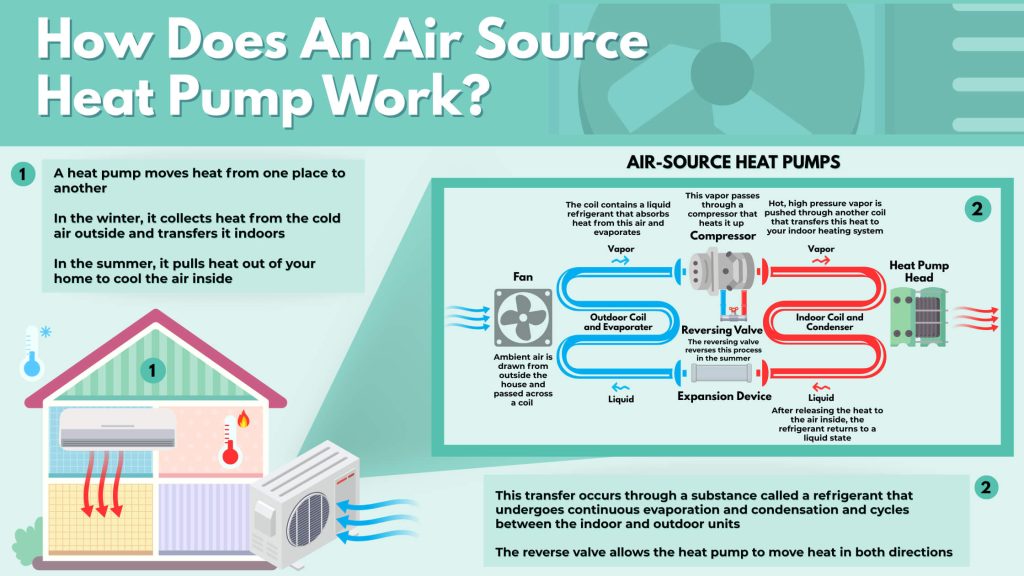
A heat pump has four main parts working together like a team:
- Evaporator Coil:Absorbs heat from your home’s air.
- Compressor:Pressurizes the refrigerant to raise its temperature.
- Condenser Coil:Releases heat outside your home.
- Expansion Valve:Controls refrigerant flow and reduces pressure.
Each component plays a crucial role. Without one, the system won’t cool effectively. Have you ever had a fan that stopped working because one part failed? The same principle applies here.
Reversing Valve Function
The reversing valve is what makes a heat pump special. It changes the direction of the refrigerant flow. This lets the system switch between heating and cooling modes.
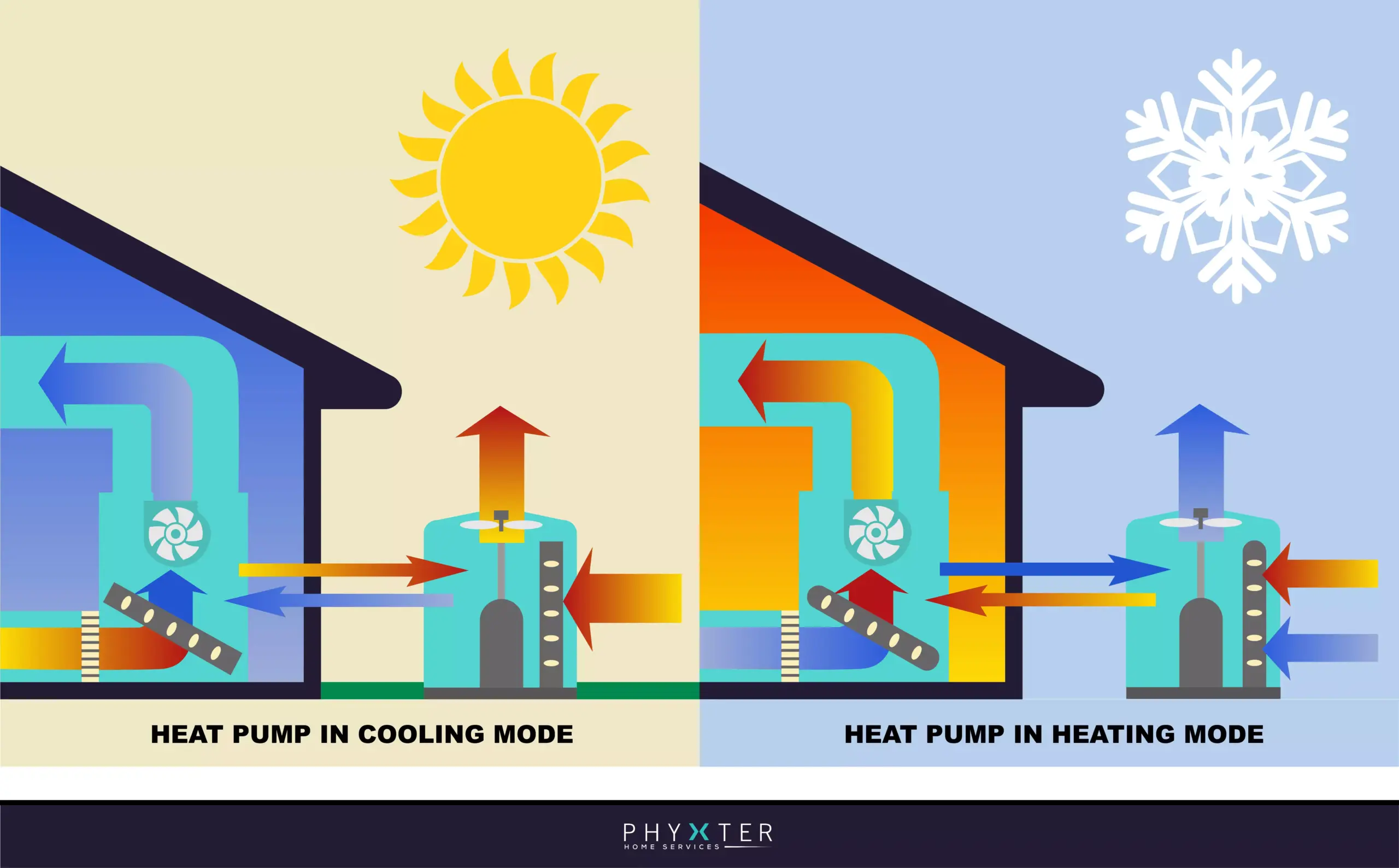
When cooling, the valve directs refrigerant to absorb heat indoors and release it outside. Flip it to heating mode, and the process reverses. This flexibility is something your traditional AC can’t offer.
Imagine having one device that adapts to the season without needing extra equipment. How could this convenience impact your energy bills and comfort?
Credit: www.greenbuildermedia.com
Cooling Process Explained
The cooling process of a heat pump moves heat from inside your home to the outside. It works like a refrigerator but on a larger scale. This process keeps your living space cool and comfortable during hot days. Understanding how it works helps you appreciate the technology behind your home’s cooling system.
Heat Absorption Inside The House
Inside your house, the heat pump absorbs warm air. The indoor unit has coils filled with cold refrigerant. Warm air blows over these coils, transferring heat to the refrigerant. This cools the air, which then circulates back into your rooms. The heat inside the air moves into the refrigerant, lowering indoor temperatures effectively.
Heat Release Outside
The heat collected from your home moves outside. The refrigerant carries this heat to the outdoor unit. Here, the refrigerant releases the heat into the air outside through coils. A fan helps blow the warm air away from the unit. This step removes the heat from your home, making it cooler inside.
Role Of Refrigerant
The refrigerant is a special fluid that absorbs and releases heat. It changes from liquid to gas and back during the cycle. When it absorbs heat inside, it evaporates into gas. After moving outside, it condenses back into liquid, releasing heat. This constant change allows the heat pump to transfer heat efficiently and cool your home.
Types Of Heat Pumps
Heat pumps come in different types, each designed to cool your house by moving heat from inside to outside efficiently. Understanding these types helps you pick the right system for your climate, budget, and home setup. Let’s look at the main categories and what makes each unique.
Air-source Heat Pumps
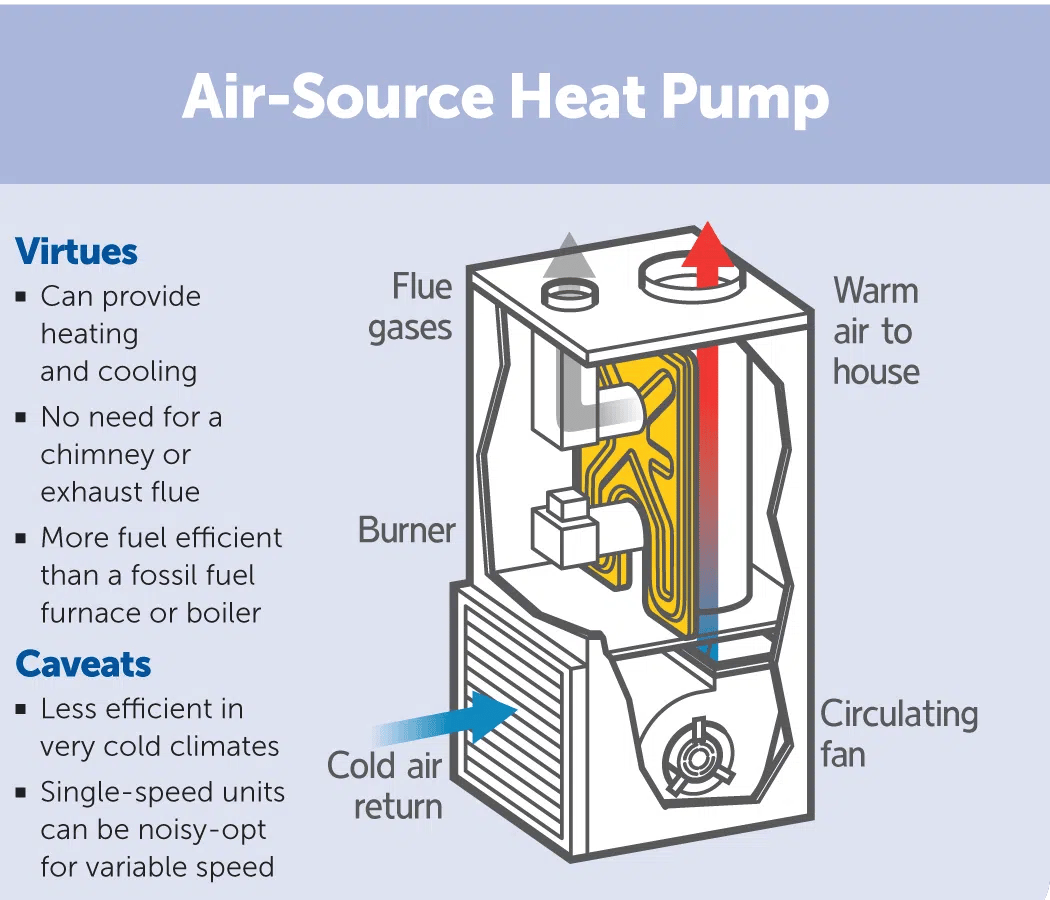
Air-source heat pumps are the most common and affordable option. They pull heat from the outdoor air and transfer it inside during winter, and reverse the process to cool your home in summer. Even in cold weather, they work well, but their efficiency can drop if temperatures fall too low.
If you live in a moderate climate, this type is often the best balance of cost and performance. Have you noticed your air conditioner working harder on really hot days? An air-source heat pump can handle those peaks more smoothly.
Ground-source Heat Pumps
Also called geothermal heat pumps, ground-source systems use the stable temperature of the earth to cool or heat your home. Pipes buried underground circulate fluid that absorbs heat from your house and releases it into the cooler earth during summer.
Though installation costs are higher, these pumps offer exceptional efficiency and lower energy bills over time. Think about the consistency—the ground temperature doesn’t change much, so your system won’t struggle on extreme days.
Water-source Heat Pumps
Water-source heat pumps rely on nearby water bodies like lakes, ponds, or wells as a heat exchange medium. Water temperatures remain relatively stable, allowing these pumps to cool your home effectively by transferring heat into the water.
This option works best if you have easy access to water and want a quiet, energy-saving cooling solution. Could your property’s natural surroundings support this type of system?
Benefits Of Heat Pump Cooling
Heat pump cooling offers many advantages for home comfort. It cools your home efficiently and saves money. The system also benefits the environment by using less energy and fewer harmful chemicals. Understanding these benefits helps you see why heat pumps are a smart choice for cooling.
Energy Efficiency
Heat pumps use electricity to move heat instead of creating it. This process uses less energy than traditional air conditioners. They transfer heat from inside your home to the outside, making cooling more effective. This means you get more cooling for less power.
Lower Operating Costs
Because heat pumps use less energy, they reduce your utility bills. Their efficient design means they run longer without high costs. Many models also require less maintenance, saving you money on repairs. Over time, these savings add up significantly.
Environmental Impact
Heat pumps produce fewer greenhouse gases than conventional cooling systems. They use refrigerants that have less impact on the ozone layer. By consuming less energy, they reduce your carbon footprint. Choosing a heat pump helps protect the planet while keeping you cool.
Factors Affecting Cooling Efficiency
Several factors influence the cooling efficiency of a heat pump. Understanding these elements helps improve performance and reduce energy costs. Efficiency depends on the environment, equipment, and care given to the system.
Climate Considerations
The local climate greatly impacts heat pump cooling. Heat pumps work best in moderate temperatures. Very hot or humid areas can reduce efficiency. Heat pumps must remove more heat in extreme heat. This raises energy use and lowers cooling power.
Areas with high humidity require extra moisture control. A heat pump may run longer to maintain comfort. Choosing a model suited to the climate improves cooling results.
Proper Sizing And Installation
Correct sizing of a heat pump is critical. A unit too small struggles to cool a space. One too large cycles on and off too often. Both situations waste energy and reduce comfort.
Installation quality affects system operation. Proper placement ensures good airflow and heat exchange. Poor installation can cause leaks or blockages. This lowers cooling efficiency and can damage the unit.
Maintenance Tips
- Clean or replace filters regularly to keep airflow strong.
- Check refrigerant levels and refill as needed.
- Keep outdoor coils free from dirt and debris.
- Inspect ductwork for leaks or damage.
- Schedule annual professional tune-ups.
Regular maintenance keeps the system running smoothly. It prevents breakdowns and maintains cooling power. Neglecting care leads to higher energy bills and poor comfort.

Credit: coloradosun.com
Comparing Heat Pumps To Traditional Ac
Understanding how heat pumps compare to traditional air conditioners can help you make a smarter choice for your home’s cooling needs. Both systems aim to keep your space comfortable, but they operate differently and come with distinct advantages. Let’s break down their differences in terms of energy use, performance under various weather conditions, and costs.
Energy Consumption
Heat pumps use electricity to move heat rather than generate it, making them generally more energy-efficient than traditional AC units. While an AC only cools by removing heat inside your home, a heat pump can both cool and heat by reversing the process.
This dual functionality means you might reduce your overall energy bills by using a heat pump year-round. Have you noticed your energy bill spike during summer? A heat pump might help you avoid that.
Performance In Different Temperatures
Traditional AC units perform consistently well in hot weather, as they are designed solely for cooling. Heat pumps, however, can struggle in extreme cold because their efficiency drops when outside temperatures fall below freezing.
Newer models of heat pumps have improved cold-weather capabilities, but if you live in a very cold climate, you might need a supplemental heating source. Does your area experience harsh winters? That’s an important factor to consider.
Cost Differences
| System Type | Initial Cost | Operating Cost | Maintenance |
|---|---|---|---|
| Heat Pump | Higher upfront cost | Lower overall due to efficiency | Moderate, requires regular checks |
| Traditional AC | Lower initial cost | Higher due to electricity use | Lower, mostly filter and coil cleaning |
While heat pumps may cost more initially, their lower operating costs can balance that out over time. Think about how long you plan to stay in your home—will the savings on your energy bill make up for the upfront investment?
Improving Heat Pump Cooling Performance
Improving your heat pump’s cooling performance can make a noticeable difference in comfort and energy bills. Small tweaks and smart additions help your system work more efficiently. Let’s look at practical ways to boost your heat pump’s ability to cool your home effectively.
Smart Thermostat Integration
Connecting a smart thermostat to your heat pump gives you more control over your home’s temperature. You can program cooling schedules that fit your daily routine, preventing the system from running when no one is home.
Some smart thermostats learn your preferences and adjust settings automatically. This not only saves energy but also keeps your home consistently comfortable. Have you noticed how adjusting the thermostat by just a degree or two can change your energy bill?
Zoning Systems
Zoning allows you to cool specific areas of your home instead of the entire space. This means you avoid wasting energy on rooms that aren’t in use. Many homeowners find zoning especially useful in larger houses or multi-story homes.
With zoning, you can set different temperatures for bedrooms, living rooms, or office spaces. Imagine focusing cooling power where you need it most—doesn’t that sound like a smarter way to stay comfortable?
Regular Filter Replacement
Dirty filters block airflow and force your heat pump to work harder, reducing cooling efficiency. Replacing or cleaning filters regularly keeps the system running smoothly and improves air quality.
Check your filter every month during peak cooling seasons. If it looks clogged, swapping it out can make a big difference in performance and energy use. When was the last time you changed your heat pump filter?
Credit: vernonairconditioning.com
Frequently Asked Questions
How Does A Heat Pump Cool Your Home?
A heat pump cools your home by extracting heat from inside and releasing it outdoors. It uses refrigerant to absorb indoor heat and circulates it outside. This process effectively lowers the indoor temperature, providing a cooling effect similar to air conditioners.
What Is The Cooling Principle Of A Heat Pump?
The cooling principle of a heat pump involves heat transfer. It absorbs indoor heat and releases it outside. This is achieved through a refrigeration cycle, effectively lowering indoor temperatures. The process is energy-efficient, as it moves heat instead of generating cool air.
Can A Heat Pump Replace An Air Conditioner?
Yes, a heat pump can replace an air conditioner. It provides both heating and cooling, making it versatile. While it may have higher upfront costs, its energy efficiency can lead to savings in the long run. Heat pumps work well in moderate climates.
Is A Heat Pump Energy-efficient For Cooling?
Yes, a heat pump is energy-efficient for cooling. It transfers heat instead of generating cold air. This makes it more efficient than traditional air conditioners. By using less electricity, it lowers energy bills and reduces environmental impact.
Conclusion
A heat pump cools your home by moving warm air outside. It uses electricity to change refrigerant from liquid to gas. This process takes heat from indoors and releases it outdoors. The system also removes moisture, making the air feel cooler.
Heat pumps save energy compared to traditional air conditioners. They offer both cooling and heating in one unit. Understanding how they work helps you make smart choices. Stay comfortable all year with efficient heat pump cooling. Simple, effective, and eco-friendly.